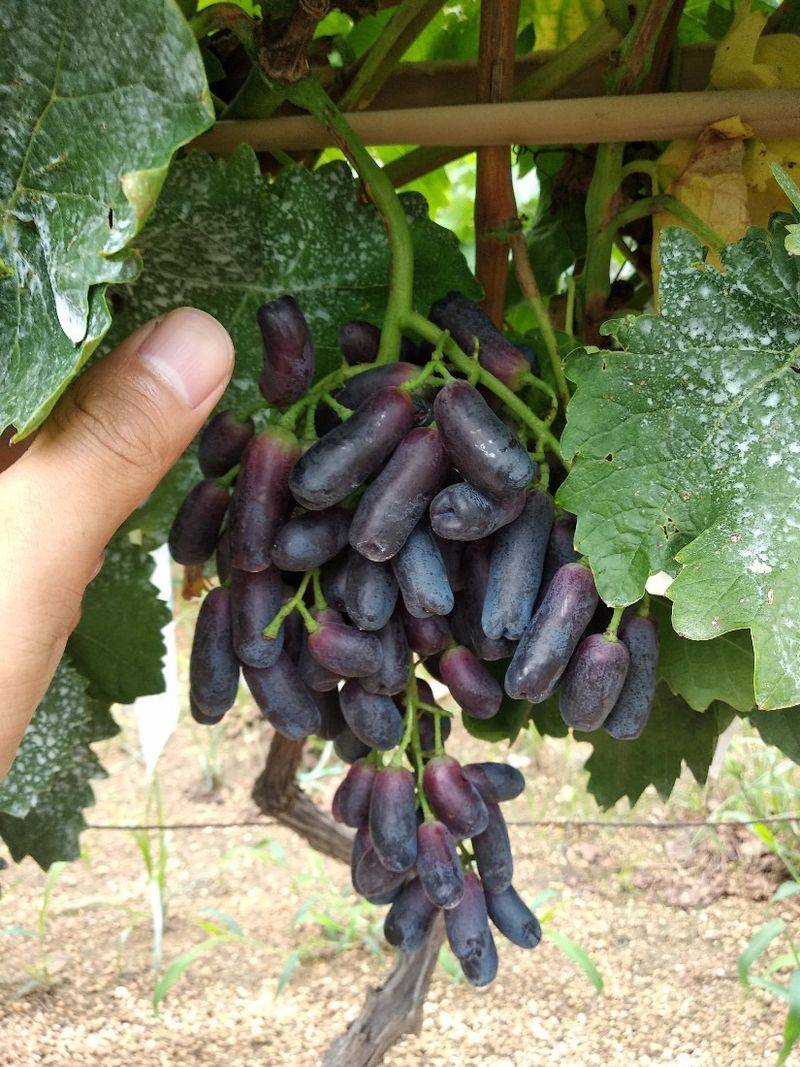
Sapphire grapes, also known as the tear of moonlight, belong to a well-established variety with very good prospects for cultivation. Sapphire grapes are full of fruit, juicy, seedless, the most extreme of grapes, with nutritional value much higher than normal grapes, and are popular in the market, so prices are many times higher than normal grapes. So how do you plant the sapphire grapes? And then we'll learn how to grow sapphire grapes。
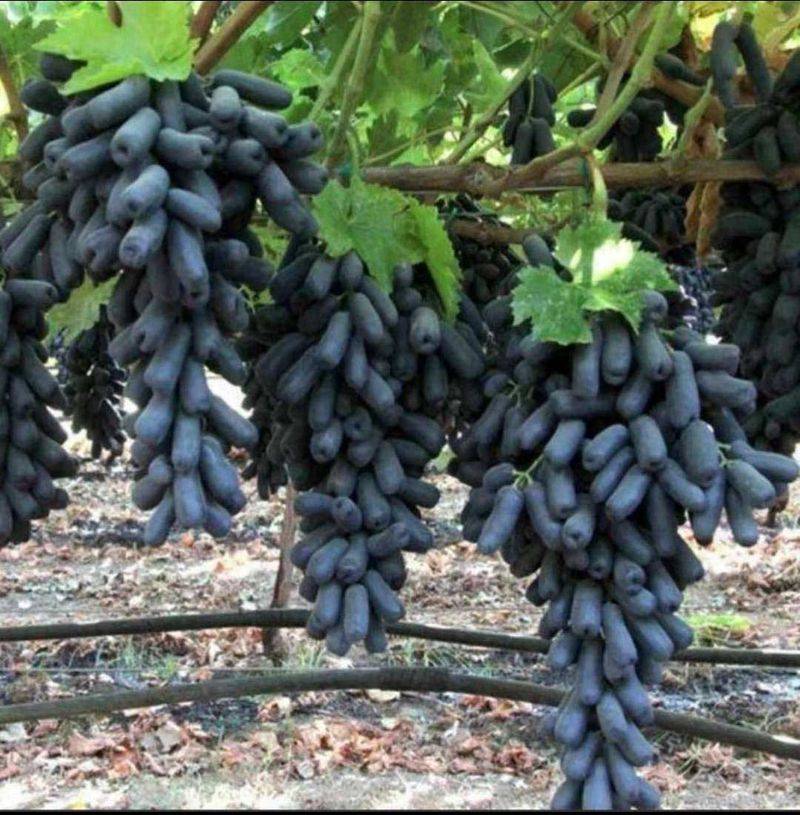
1. Plantation preparation
The sapphire is highly productive and easy to cultivate. It is more adaptive to the soil and is grown in general, but is best cultivated in soil with a rich organic content. So we need to start with a whole floor, a whole garden in deep and open ditches, a whole area in which sufficient organic fertilizer is applied as base fertilizer and which is to be reconciled with the ground。
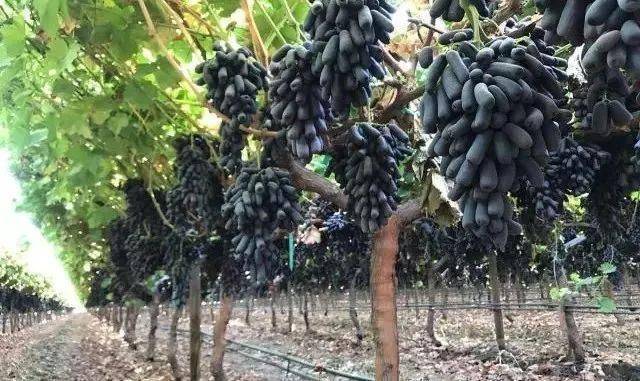
2. Cultivation methods
The best time for sapphire planting is spring. We can use live seedlings and seedlings. However, if the seed is contracted, the sprouts need to be erased before planting, and the membranes removed, so that planting can take place. Cultivation is generally carried out along the line, with a distance of approximately 70 cm each. The planting will require heavy water, which will then continue to be filled with soil, eventually covering a layer of straw and then covering a layer of membrane。
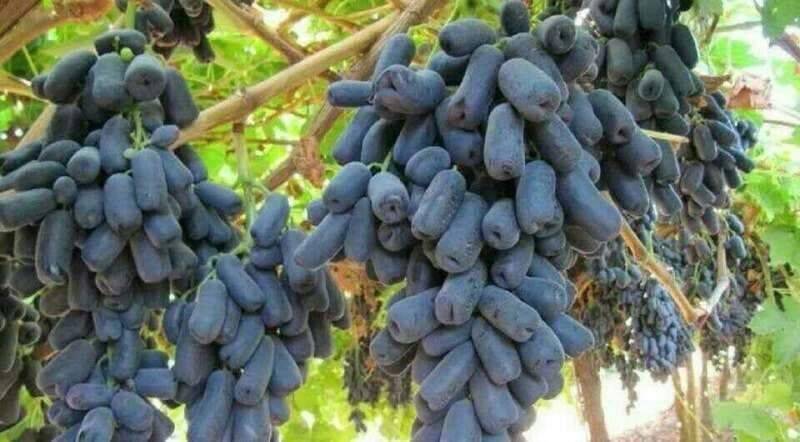
3. Manure water management
After planting, in order to promote the growth of sapphire grapes, we have to water every week or so, and every time we do water, we need a proper amount of follow-up compound fertilizer and a half-month or so of leaf fertilizer. A year and a half of a year we can all lay a layer of grass on the fields, and then, when the grass rots, we produce nitrogen, which is absorbed by the soil and used to promote the growth of plants。
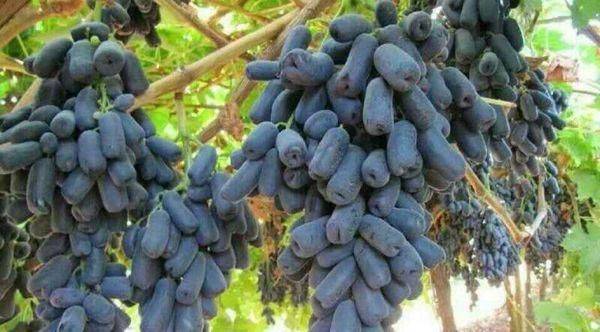
Four, set the branches
By the time the sapphire grapes grow to about a metre, we need to start building sheds and pull the saplings onto the slabs so they can grow on them. Secondly, the cutting technique of sapphire seedlings is also crucial, and first we need to cultivate two main chickens and then promote the growth of the sides, which will increase the production of sapphires. Secondly, we need to cut it in winter, so it can grow and grow, and that's what we often call the dry cutting technique。
5. Flower fruit management
The management of the bouquet period consists mainly of the promotion of buds, plumbs and vermin. In order to grow large and large, we need large and fat water before flowers, and rationally regulate the fat side of the leaves to promote the growth of the branches and the prevention of pests and diseases. Second, we need to balance the application of fertilizers with the use of microfertilizers, as well as artificially assisted pollination and temperature control. They are trimmed in over-creasing and relatively fragile flowers with reasonable routings around 20 days after the guillotines, and they are treated against the disease using bag techniques。
These are the techniques used to plant sapphire grapes, which, although highly adaptable, are proposed to be planted in organically rich soils in order to obtain better yields and quality. Improved management of fatty water, timely laying of branches, proper grafting and cleaning of orchards。