


Ruby-free protected grape cultivation techniques
Overview
The ruby-free grapes are a high-quality, non-nucleus variety that is favoured by a wide range of consumers with its sweet and sour taste. In order to ensure the quality and production of rubies free of nuclear grapes, sound cultivation techniques are essential. This paper will describe protected field cultivation techniques for rubies without nuclear grapes, including site selection, soil treatment, plant management and pest control。
Location
The selection of the appropriate geographic location and environmental condition is the first step in the cultivation of ruby-free protected grapes. The following are key elements of the site selection:
Lights: rubies without nuclear grapes require sufficient sunlight to develop well, so sites should be selected where there is sufficient sunlight to avoid high-rise buildings or trees blocking the sun。
Soils: rubies without nuclear grapes are not very demanding for soil, but they are appropriate for lax and well drained soil. The choice of heavy saline soils or water-watered areas is avoided。
Climate: rubies without nuclear grapes are highly adaptable, but also have some climate preferences. A warm, wet climate is appropriate to avoid too cold or dry a climate。
Soil treatment
Soil treatment is an important part of ruby-free protected grape cultivation, which is directly related to the growth and production of grapes。
Soil acid alkalinity: rubies without nucleus are suitable for growth in acid-neutral soils. If soil is acidic or alkaline, it can be regulated by applying appropriate amounts of lime or sulphur。
Soil fertility: in terms of soil fertility, ruby-free grapes prefer estranged, fertile and organic soils. Soil fertility can be improved through the application of farm or organic fertilizers。
Soil moisture: rubies without nuclear grapes require higher moisture levels in the soil, while maintaining good drainage. Before cultivation, irrigation and drainage systems can be planned and built。
Plantation management
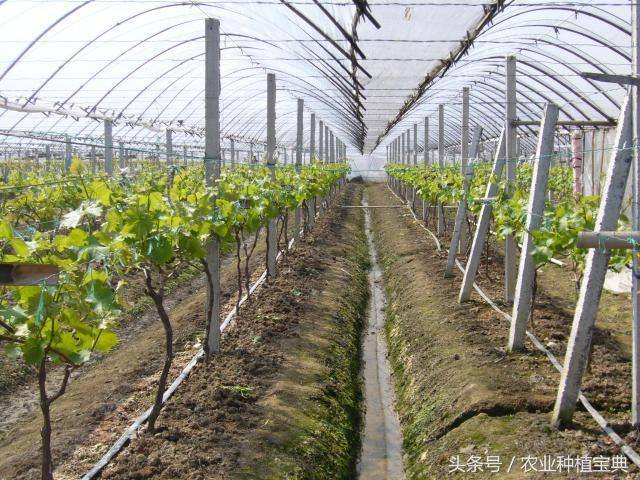
Cultivation management is at the heart of ruby-free and protected grape cultivation and includes watering, fertilization, shearing and support。
Watering: rubies without nuclear grapes require appropriate moisture to ensure normal growth and development. Water can be poured according to soil moisture and seasonal changes to avoid excessive or water scarcity。
Fertilizers: ruby-free grapes are required to provide sufficient nutrients for long-term and productive development. Appropriate amounts of fertilizers or organic fertilizers can be applied based on soil tests and growth needs。
Cutting: ruby-free grapes require appropriate trims to control growth and to form good branch structures. Cutting promotes fruit growth and ventilation and prevents the occurrence of pests and diseases。
Support: the spread of ruby-free grapes requires appropriate support structures. The selection of suitable supporting materials and methods, such as grapes or barbed wire, can help to spread grapes and reduce the exposure of grapes to the ground and the risk of fruit decay and mechanical damage。
Pest control
Pest control is an important part of ruby-free and protected grape cultivation, which contributes to the production and quality of grapes. The following are some of the common pests and pests and their associated control methods:
Black star disease: black star disease is a fungi disease common to rubies without nuclear grapes. The occurrence of black star disease can be controlled through integrated control measures such as timely cutting of the infection, the use of resistant varieties, and intermittent fertilization。
Grape moths: grape moths cause serious damage to the fruit of ruby-free grapes. Controls can be carried out using biological control, chemical control or booby traps, and appropriate prevention methods can be selected on a case-by-case basis。
Grape puffy: grape puffy is a common fungi disease that can lead to yellowing and drying of ruby-free leaves. Spraying can be carried out with pharmaceutical agents, while ventilating, maintaining appropriate humidity and temperature can help to control the occurrence of raisin powder。
Conclusions
The ruby-free and protected grape cultivation techniques cover various aspects, including site selection, soil treatment, plant management and pest control. The quality and production of rubies free of nuclear grapes can be ensured through proper cultivation and careful management. At the same time, rational use of resources and environmentally sound cultivation are important concepts for the protection of land cultivation. For lovers and farmers, learning and applying these technologies will help them to better plant rubies free of nuclear grapes and to achieve better economic and social benefits。



