


Spring is the season of strawberries, which are full of red, sour, juicy strawberries always capture many people. Many people know only that strawberries are good, but they do not know exactly what their nutritional advantages are, and they tend to ignore key details when eating — for example, when the method of washing is not good enough to lead to nutrient loss or when excessive consumption causes gastrointestinal discomfort. Today, in combination with authoritative nutrition data, the nutritional basis of strawberry, the four core health effects, and the risk of neglected food misuses and taboos, will help you to eat strawberries scientifically and maximize their health value。
The nutritional base of strawberries: these components are “efficiency”
Understanding the health benefits of strawberry begins with its nutritional components. According to authoritative nutritional data, each 100 grams of fresh strawberry contains approximately 91. 3 grams of moisture, 32 kilocalories of energy, 1. 0 grams of protein, 0. 2 grams of fat, 7. 1 grams of carbohydrates, 1. 1 grams of food fibres, and a variety of vitamins and minerals - approximately 47 mg of vitamin c, close to half of the recommended daily intake (100 mg) of chinese adults; approximately 131 mg of potassium element, only 4. 2 mg of sodium, which is typical of sodium per potassium foods; and organic acids such as apple acid, lemon acid, and bioactive substances such as gums and yellow ketone. Together, these components form the “nutrient skeleton” of strawberry and are a core source of its health efficacy。
Efficacy 1: promoting digestion and mitigation of constipation - “synergy” between fruit and diet fibres
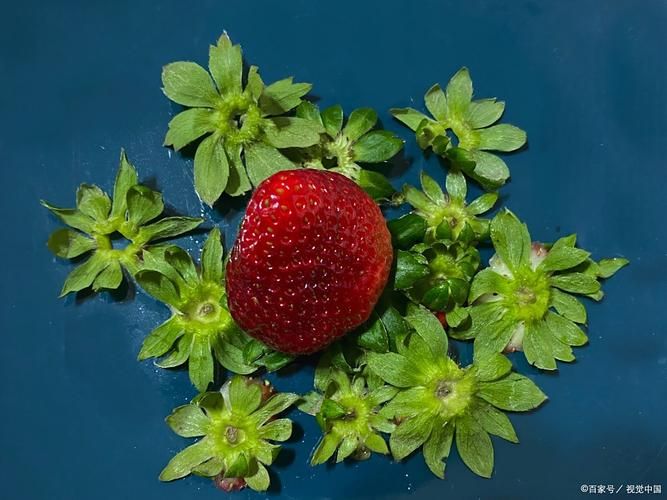
Strawberries contribute to digestion, mainly because of the acid and dietary fibre they contain. First, organic acids such as apple acid and lemon acid in strawberries stimulate saliva and gastrogen genres and promote appetite, especially for populations whose appetites are reduced by the recovery of spring temperatures; second, fruit glue, as soluble dietary fibres, absorbs water expansion in the intestinal tract, increases the volume and softness of faeces, and also regulates the intestinal mosaic balance and promotes the growth of beneficial bacteria; and insoluble dietary fibres accelerates intestinal creeping and promotes excrement. The synergy between the two has a complementary effect on improving functional constipation. It should be noted, however, that this effect is based on a “long-term adequate diet”, where it is difficult to mitigate constipation from time to time, and over-eating may lead to abdominal swelling due to excessive intake of dietary fibres。
Efficacy 2: preheating and dry — “natural choice” for cooling the heat in the spring
From a nutritional point of view, the hydro content of strawberry is as high as 91 per cent, which quickly supplements the body's loss of moisture and mitigates the symptoms of “dry heat” such as dry tongues and inadequate throats; at the same time, organic acid stimulates saliva and further enhances the effect of “drying”. The drying of the spring climate leaves many vulnerable to dry skins and swollen throats, and a moderate amount of strawberries can provide some relief. It should be recalled, however, that the number of people suffering from strawberry fever, cold stomachs and frequent diarrhoea is low, and it is recommended that between 50 and 100 grams per meal should be sufficient to avoid an increase in the stomach burden from empty stomach consumption。
E3: assisting skin health - "oxidation resistance" of vitamin c

Many people think that strawberries can be “skin-breathing”, but more precisely, they are “aided to maintain skin health”. Vitamin c in strawberries is a key ingredient - it is not only a necessary ingredient for human synthetic glue protein, which maintains skin elasticity and tightness, but also has strong antioxidation effects, removes parts of the free radicals in the body, reduces damage to skin cells by external factors such as ultraviolet light and air pollution, and slows skin aging. It should be made clear, however, that strawberry is not “skin” and cannot be a substitute for formal skin care, and that vitamin c supplementation needs to be sustained over time, with between 100 and 200 grams of strawberries per day to feed enough vitamin c, and it is difficult to see a visible effect from time to time. In addition, people who are allergic to strawberries should avoid eating to avoid allergic reactions such as rashes and oral itching。
E4: accommodative stabilization of blood pressure resins - “dual effects” of potassium sodium and dietary fibres
Strawberry's “health effects” on high blood pressure and high blood resins arise mainly from two characteristics: high potassium low sodium, potassium elements contribute to the discharge of excess sodium in the body, help to maintain internal and external osmosis balance, and assist in stabilizing blood pressure; and high dietary fibres, which slow the absorption of fat and cholesterol in the intestinal tract, reduce levels of low-density blood protein cholesterol (“bad cholesterol”) and help regulate blood resin. However, it is important to emphasize that this is merely a “limentary assistive effect” and that there is no alternative to medication - patients with high blood pressure and high blood resin still have to comply strictly with medical orders. Strawberries can only be used as part of a healthy diet, such as between meals as extra meals, and cannot be reduced or stopped by the use of strawberries。
Three common faults for strawberry. Have you stepped on them
Many people eat strawberries with a number of misconceptions that not only affect nutritional absorption but may also pose health risks, as follows:
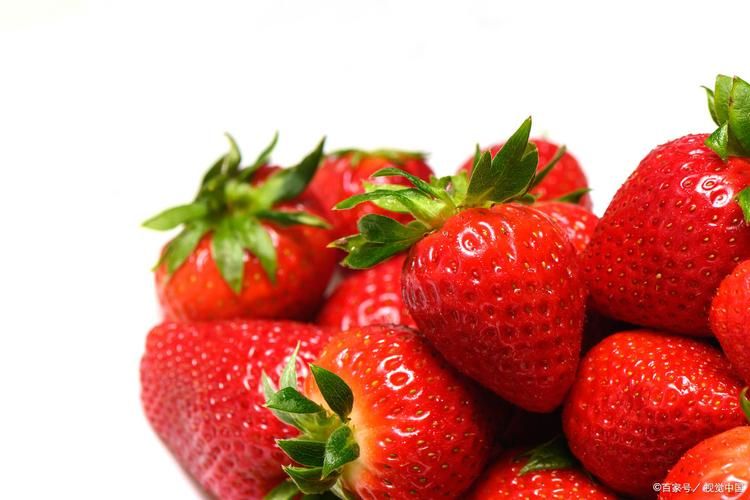
Mistake 1: the longer you use salt water to make strawberries, the better a lot of people think that salt water can kill bacteria, but in fact salt water bubbles in 10 to 15 minutes can achieve a primary bacterial effect, destroying the cell walls of strawberries for too long, causing the loss of water soluble nutrients such as vitamin c, and making the strawberry mouth perturbate. A more scientific method of washing is to wash the surface for 30 seconds with liquid water and remove the dust and impurities from the surface; then impregnate for 10 minutes with salt water; and finally wash with water. Mistake 2: diabetes do not eat strawberries. Some diabetics are afraid to eat strawberry sugar, but the gi value for strawberry (the blood sugar production index) is about 40, which is low-gi food, with less effect on blood sugar. Diabetes patients are able to eat 100 to 150 grams (approximately 5 to 7) of blood sugar at a time, preferably between meals, in order to avoid fluctuations in blood sugar after eating. However, a doctor or a nutritionist must be consulted to adjust the amount of consumption to their own blood sugar. Mistake 3: many people are used to removing strawberries before washing them, but this can lead to pesticide residues and bacteria entering the inside of the strawberries through the tectonic openings, contaminating the fruit and meat. The correct approach would be to clean strawberries and dry the water before removing the dyke in accordance with scientific methods, which would minimize pollution. These people eat strawberries
Although strawberry is a healthy fruit, not all people are able to “eat at will”, and the following groups of people are required to limit their consumption or consult doctors in advance:
The spleen is cold: strawberry is cold, and this group is prone to abdominal pain and diarrhoea, and is advised to eat between 50 and 100 grams per meal to avoid empty abdominal consumption. Kidney stone patients: strawberries contain small amounts of herbic acid, which is combined with calcium in the body to form calcium herbate, increasing the risk of kidney stones. Patients with kidney stones, especially calcium herbide, should be given appropriate diet under medical supervision to avoid overdose. Strawberry allergies: a small number of people may be allergic to proteins or fruit glues in strawberries, with symptoms such as oral itching, rashes, diarrhoea, etc. That should be avoided. Pregnant and lactating women: despite the abundance of strawberries, pregnant and lactating women belong to a special group and consult a doctor to ensure safety before eating。
In short, strawberry is a nutritious, tasteful fruit, which can be of considerable benefit to the body, but it is not a “one-size-fits-all drug” and cannot be a substitute for medication for disease. The key for science to eat strawberries is to control consumption of between 100 and 200 grams per day; to master the right method of washing to avoid nutrient loss and contamination; and to take care of their physical condition, which requires special populations to eat under the guidance of a doctor. Only in this way can the nutritional value of strawberries be maximized while enjoying them。



