


I. The secret to building family orchards from scratch
Wanting to be free of fruit in a family home or balcony? Selection of varieties is key. There is a wide variety of fruit seedlings on the market, but very few of them are truly suitable for home-grown, viable and high-yielding varieties. Today you will be able to select six market-tested, high-quality fruit seedlings, from pepper to strawberries, covering different growth habits and climatic conditions, which will make it easier for you to start growing。
Hard core indicators: quality fruit seedlings must have three characteristics — soil-protected roots, pure and non-variable varieties and adaptation to local climatic conditions. The rate of survival of seedlings that meet these three points can be more than 90 per cent, while the rate of survival of normal bare seedlings is often less than 50 per cent。
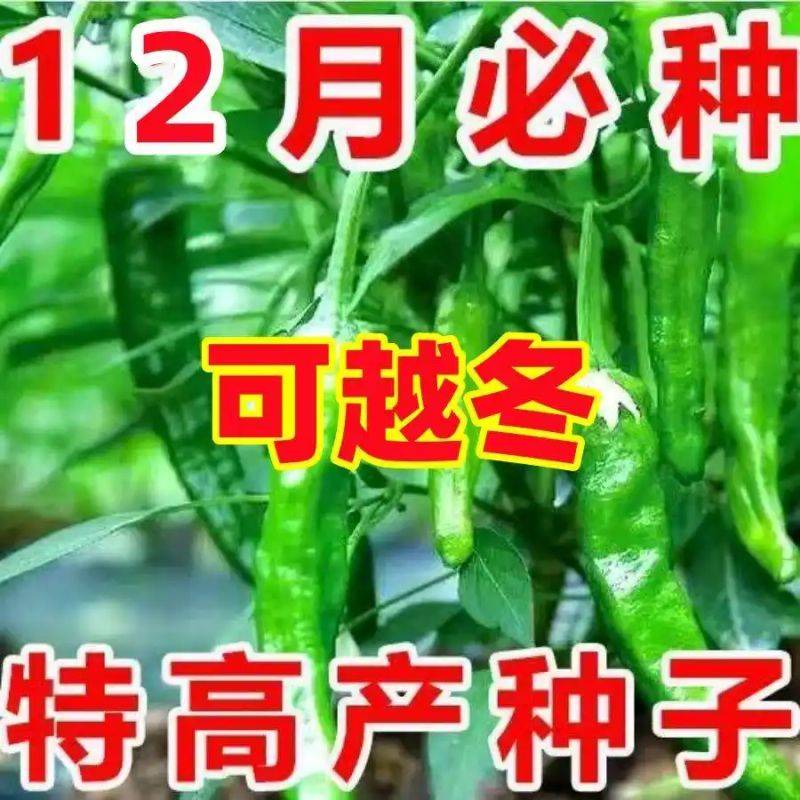
Ii. High-yielding chili seeds of herd trees: a four-season kitchen requirement
1 varieties advantages: the apricot is known for its moderate spicy and fragrance, with a single production of up to 3-5 kg, well above the normal pepper varieties. It's uniquely fragranced to raise the size of the family by a single stage。
B) cultivation facilities: it takes about 70 days from seeding to harvest, with either a balcony or a yard. Specially designed seed wrapping techniques have increased the gestation rate to more than 85 per cent and can easily be used by newcomers。
3 sustained harvest: as a four-season species, recycled seeding can occur throughout the year as long as the temperature remains above 15°c. The result of one round and another is that the kitchen will never be short of fresh pepper。
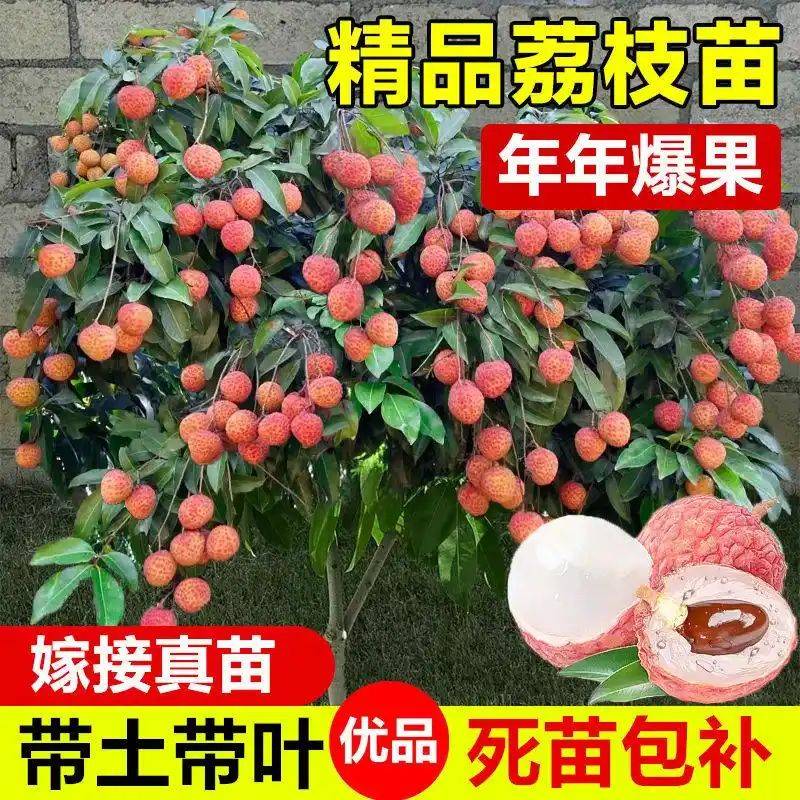
Iii. Guangxi high-quality pelican sapling: a sweet choice for both north and south
Varieties security: the two main species of concubine laughs and cinnamon, with a home-grown delivery guarantee. With specially cultivated dwarf species, the plant can also produce normal results, breaking the traditional perception that the twig can only grow in the south。
Resilientness is strong: cold resistance is enhanced through grafting, and areas above 5°c can be safely winterized. Three years of seedlings can hold fruit and reach a productive period two to three years before the seedlings。
• simple management: a hand-out of the planting manual with detailed instructions on trimping and fertilization. Specific slow-down nutrient formulations reduce daily maintenance workload。
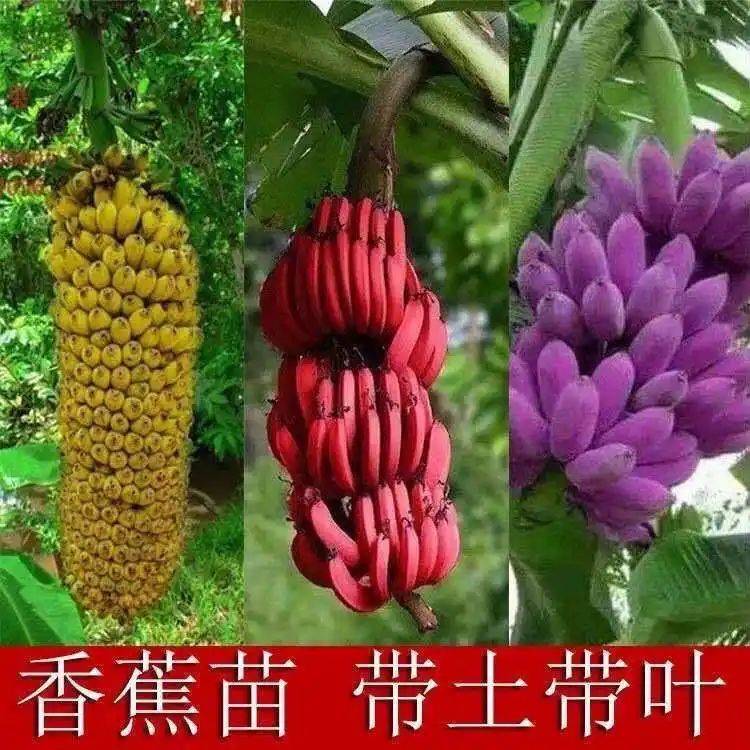
Iv. Red banana seedlings: two fancy species for food and food
Visual feasts: violet banana peels subvert traditional perceptions, and mature meat is pink and rich in plume. The monolithic height is only 1. 5-2 metres, which is very suitable for courtyard dots。
Flows are unique: sweetness is 1. 5 times greater than normal bananas, with a faint smell of berries. Resisting storage characteristics allow the fruit to be stored in constant form for two weeks after harvest。
Cultivation advantage: cold-resistant varieties that have been selected by many generations can withstand low temperatures of 0°c in the short term. Cultivation using group-based detoxification techniques to eliminate disease and infestation。
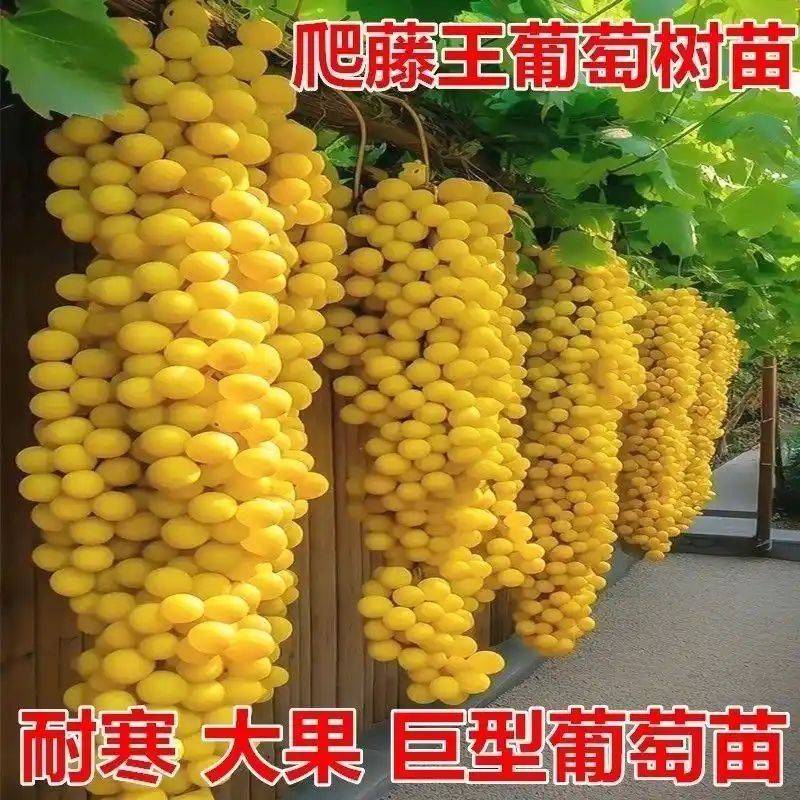
V. The grave king of grave: the observation of the hostians
Masters in space utilization: vertical varieties specially grown for limited space can be grown by 1 square metre. It was accompanied by a climber and easy building of a green corridor。
Quality assurance: large, non-nuclear fruit grains weighing up to 12-15 grams per unit and having a sugar content of more than 20 degrees. It is uniquely protected by thick fruit powder, and it is not fissible in rain。
Quality of production: the following year, the result of cultivation, can be 30 to 50 pounds of production in adult plants. Strong resistance to disease, reduced use of pesticides and safe consumption。
Stanley strawberry seedlings: the sweet temptation of four seasons
Science and technology: using tissue culture technology, a strong virus-free plant. The patented formula provides balanced nutrients for up to eight months。
Varieties are superior: the single fruit is about 25 grams and sweet acid is more than perfect. A unique platinum-resistant gene reduces the risk of disease by 90 per cent。
Episode of ready-to-eat: raw field delivery, see buds as soon as they are received and taste the fresh strawberries that are grown with hands-on means for up to 30 days。

Vii. Practical recommendations for perfect orchards
Site highlights: ensure that at least six hours per day of direct light and good drainage. Vegetable trees are kept between 1. 5 and 2 metres, and reptiles need to be set aside。
Conservation secret:
Varieties mix: based on family preferences and spatial conditions, two to three complementary varieties are recommended. Like warm twigs with cold grapes, the harvest is year round。
Viii. Why do people choose these varieties
Market validation: these varieties have been measured by thousands of family growers and the rate of feedback is generally over 85 per cent. The accompanying after-sales services include planting guidance and quality assurance to address post-sales concerns。
Value-for-money analysis: compared with fruit shops, where the price is a few dozen pounds, investment in a seedling is usually a few dozen dollars, with returns of up to a dozen times during productive periods. For example, old trees produce about 50 to 80 pounds per year, sufficient for the benefit of the whole family。
Eco-values: not only can family cultivation provide fresh, non-publicly harmful fruits, but it can also provide greening for cities, improve local microclimate and provide natural education opportunities for children。
The exclusive benefits are now available on an individual basis: purchase of any three or more fruit seedlings and gift of $38 worth of horticultural tools (including cutters, small shovels, canteens). It's a limited number
We welcome the sharing of your planting plans or experiences in the comment area, and we will select three high-quality messages for an electronic version of the family tree planting handbook. Let's start a green life and enjoy the fresh tastes from branch to tongue



