(this paper is organized by yslc688 for information purposes only and does not constitute an operational proposal. If self-operating, take care of position control and risk self-sufficiency. I'm not sure
The disc can also be called a tadpole, which is more focused on the long-term interest. Focused attention is needed because investors do not have sufficient time and energy to operate。
Review terminology
1. Discretion: is a means of manipulation of the stock market by the main forces, deliberately reducing stock prices, by deliberately creating sales pressure on low-price buyers to sell stocks in order to reduce lifting pressure, in order to increase stock prices。
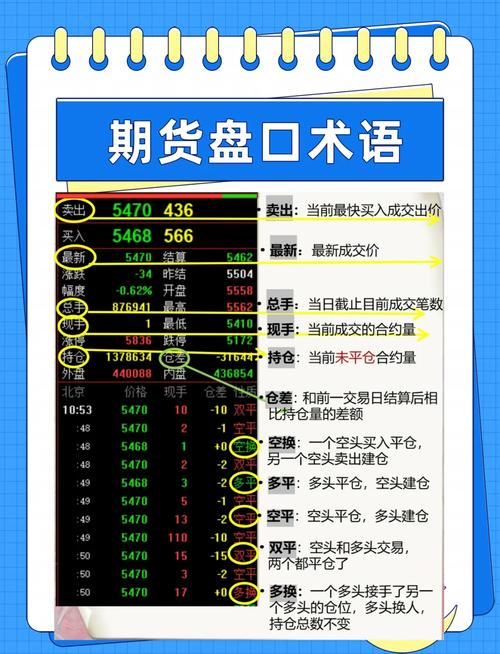
High jump: refers to a phenomenon where the opening price exceeds the maximum price at the previous trading date. For example, the vanko a stock, with a maximum price of $10 at the last trading day, was over $10 at the opening date, reaching $10. 50。
3. Drop-off: is a phenomenon where opening prices are below the lowest of the last trading day. For example, vanko a, the minimum price for the last trading day was $10, which was less than $10 as soon as the trading date was opened, with a low price of $9. 50。
4. Jump to the opening slot: is the opening price above the maximum price of 1. 1 in the previous transaction or the opening price below the lowest price in the previous transaction. For example, vanko a, the maximum price for the last trading day was $10, which amounted to $10. 50 as soon as the transaction opened. The space price for jumping is 0. 50. This is the jump-up slot. For example, vanko a, the minimum price for the last trading day was $10, which was $9. 50 when the transaction opened. The space price for jumping is 0. 50. This is the jump-down slot。
5. High opening: is the phenomenon where the opening price exceeds the closing price at the previous transaction date but does not exceed the maximum price. For example: vanko a, the last transaction price was $10 and the maximum price was $10. 82. The price was $10. 50 as soon as the deal was opened. More than $0. 50 on the last date of the deal. However, it did not exceed the maximum price at the last transaction date, i. E., it did not occur when the gap was high。
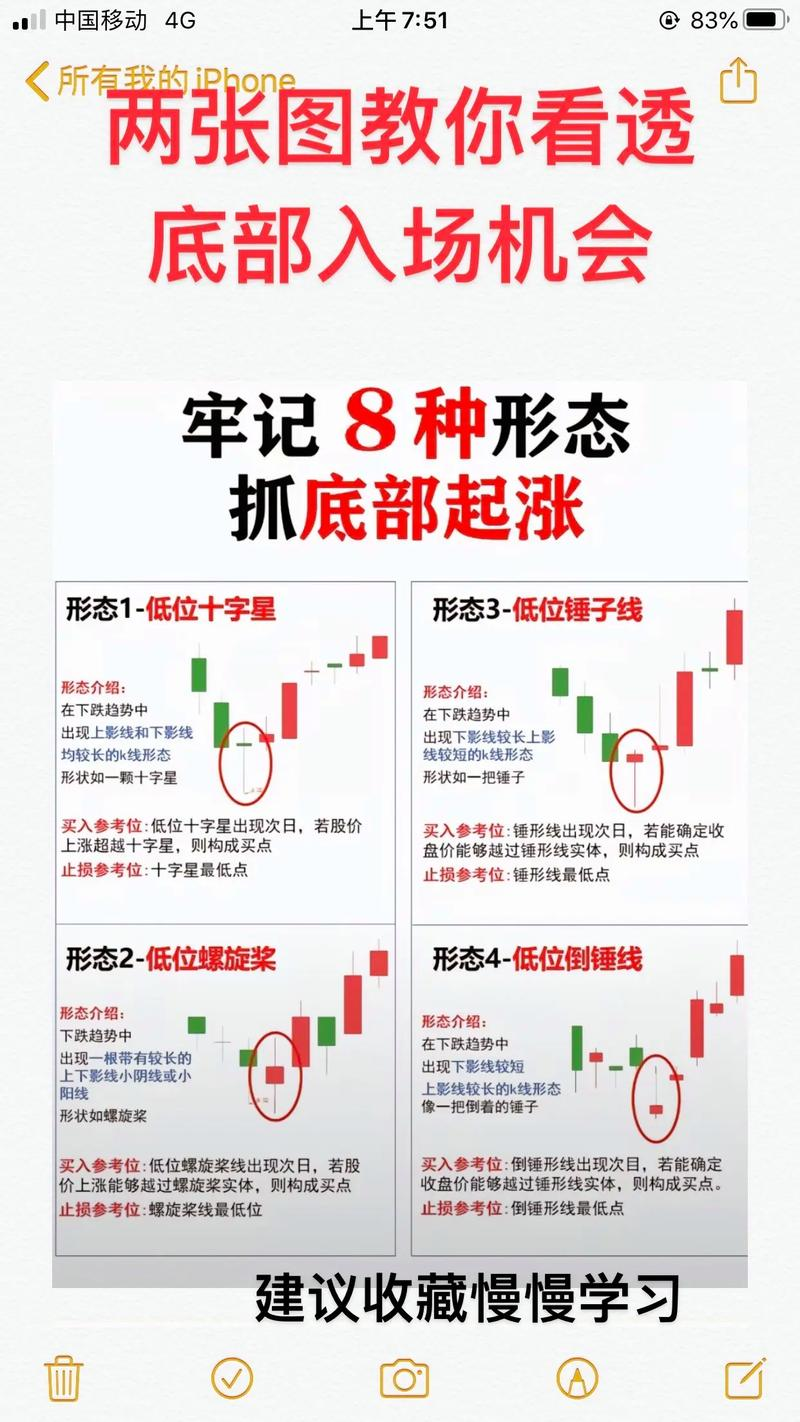
6. Low opening: is the phenomenon where the opening price is lower than the closing price at the previous transaction date but not below the lowest price. For example: vancom a, the lowest price on the previous date was $9. 30 and the closing price was $10. 02. As soon as the deal was opened, the price was set at $9. 50. This is less than $0. 52 on the last transaction date. However, this was not lower than the lowest price at the previous date。
7. Flatning: a situation where the opening price of a stock is equal to the closing price of the previous trading day is referred to as flatning or flatning。
Average price: refers to the average price of stock at the moment. If the current equity price is above the average price, this means that most of the stocks purchased before are in a profitable position. Otherwise, it would be a loss。
9. Collapse: the collapse of the securities market is, for some reason, ... The occurrence of large-scale securities outflows ... Has led to an unlimited decline in the prices of the securities market to the extent that it is not possible to stop。
10. Cartels: when the stock market is low and under-populated, large institutional investors buy large numbers of shares to prevent the stock market from continuing to decline。
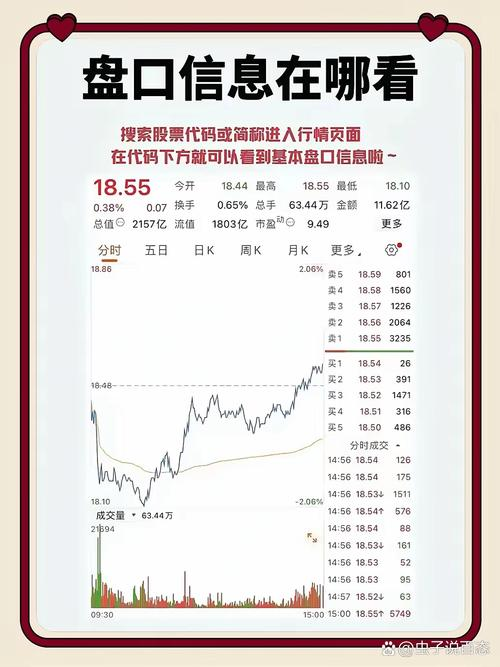
11. Routine pressure: largely low stock prices in large shares to allow for large-scale purchases at low cost。
12. Portfolio: the first is that the stock price fluctuates very little between a maximum and a minimum price of no more than 2 per cent on the same day; the second is that the line is organized and the upward and downward fluctuations are not significant and last for more than half a month。
13. Profit balance: the profit balance generally refers to the portion of the stock that can be sold for profit in the stock exchange。
(this information is for reference purposes only and does not constitute an investment recommendation, which should be carefully assessed)