(this document is organized by the public declared wealth (yslc 168888) for reference purposes only and does not constitute an operational recommendation. If self-operating, take care of position control and risk self-sufficiency. I'm not sure
Opening price: refers to the price of the first transaction per day。
Discount price: is the price of the last stock to be sold each day, i. E. The closing price。
Number of transactions: is the number of shares that were sold on the same day。
Maximum price: refers to the different prices at which the stock was traded on that day as the highest。
Minimum price: refers to the lowest price of the different prices at the same date。
Raised disk: means the opening price is much higher than the closing price the previous day。
Low drive: means a much lower opening price than the closing price the previous day。
(b) bookboarding: the fact that investors do not actively buy and sell, often with a wait-and-see attitude, results in a very small change in stock prices on the day, which is referred to as the slot。
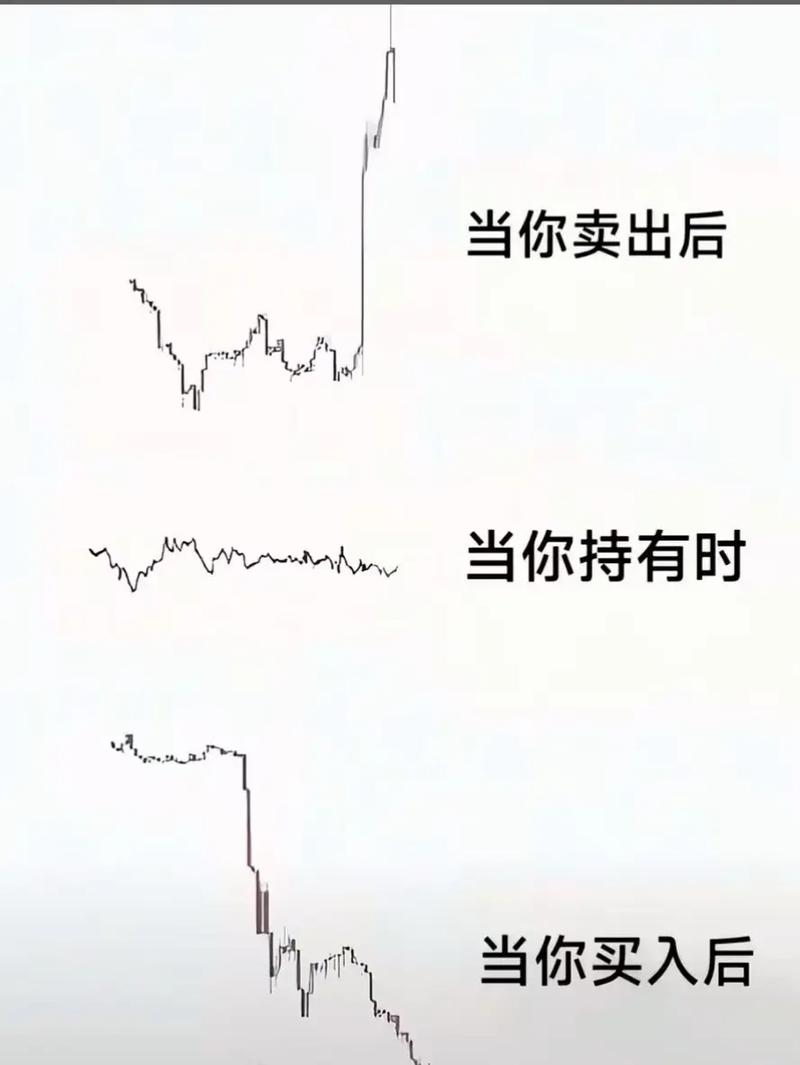
(c) arrange: this is when, after a period of sharp rise or decline, stock prices begin to fluctuate slightly and enter the phase of stabilization, known as consolidation, which is the preparatory stage for the next major change。
Draco: the stock price is rising slowly and it is called the firm。
Floating: stock prices are falling slowly and are called soft。
Vacation: means a substantial jump in stock prices that is stimulated by strong lydo or lispace news. Vacation usually occurs at the beginning or end of a significant change in stock prices。
Revert: refers to a temporary fall in stock prices due to an excessive rate of increase。
Reaction: in the decline, the stock price is sometimes temporarily upped by the buyer because of the speed of the decline. The rebound was smaller than it was, and the rebound resumed the downward trend。
Number of transactions: refers to the number of transactions of various shares on the same day。
Sale: is the total price of each stock that was sold on that date。
Last call for the price: the price the buyer wants to buy after closing up that day。
Last call for bid: refers to the seller's request after closing up that day。
Multiple heads: look after the stock market, buy the stock first, wait for the price to rise to a certain level, sell it
Share earners。
Empty: it means that stock prices have risen to the highest point and will fall soon, or that when stocks start falling, they will continue to fall as investors sell at high prices。
Increase or fall: stock prices have risen or fell by comparing daily closing prices with those of the previous day. Usually, the sign "+" is displayed on the billboard above the trading counter。
Price: is the unit of up and down. Prices vary from stock to stock. The above-mentioned maritime stock exchange is an example: the market value at the end of each stock is us$ 0. 10; (a) a market price of $100-200 per share and a price of 0. 20; the market price per share is 200-300. 300-400 dollars per share market price is 0. 50 dollars; the market value per share is over $400. 00;
(a) stereotyping: the stock market is often characterized by a sluggish stock market, which for a certain period of time is neither available nor available, as shanghai investors call it。
Shares: when the company issues a new stock, it is allocated to shareholders for subscription at a special price (below market value) based on the number of shareholders'shares。
Request price, quotation: the minimum price in the stock exchange at which the seller wishes to sell the stock。
A few large banks and brokerage companies, large electronic screens set up by the stock exchange, can provide stock information to customers at any time。
Thresholds of gains and losses: above the base points of exchange stock transactions, profits are realized and losses are lost。
Filling in: before the interest rate is eliminated, the stock market price is approximately equal to the market price before the interest rate is announced plus the dividends to be distributed. As a result, stock prices will increase after the announcement of interest-sharing. Upon the completion of the break-up, the equity price tends to fall below the pre-take-off value. The difference between the two amounts to approximately dividends. If, after the elimination of interest, the increase in the equity price is close to or above the pre-dismissal price, the difference between the two is compensated, and is referred to as interest。
Nominal value: refers to the nominal value of shares originally established by the company。
Statutory capital: for example, the statutory capital of a company is $20 million, but only $10 million is needed to start a business, and the equity holder's contribution of $10 million is sufficient。
Blue chip stock: a stock issued by a well-capitalized and reputable company。
Fiduciary unit: is the share authorized by the provident fund board to be invested by the holder of the provident fund。
If you like the above articles, or if you want to learn more about stock market investment experiences and techniques, you can focus on the public's wealth!