


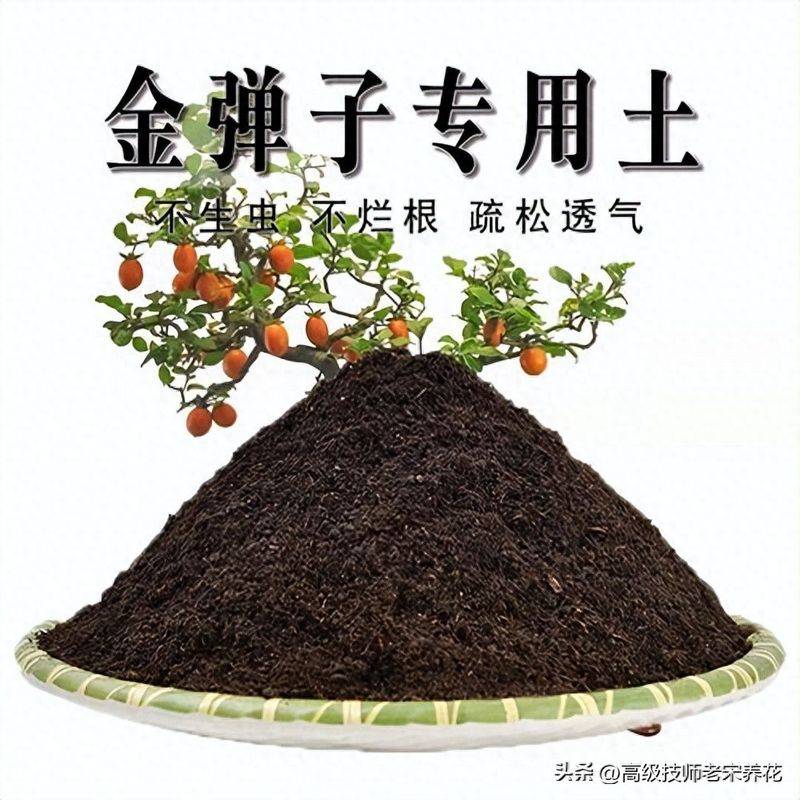
Gold bullets are the “star tree species” of the basin view, and their leaves are oily and red, and they are popular with their fans. However, soil selection is key to the growth of gold bullets. This plant, which has strict requirements for soil permeability, fertility and acid alkalinity, has the following soil allocation principles, which allow easy growth of well-developed, leafy gold bullets。
I. Core needs: ablution, fertile micro acid
The gold bullet roots are well developed and need to breathe freely in a defusing soil. If the soil is plated, it can easily lead to oxygen-decomposition and affect nutrient absorption. At the same time, gold bullets favour micro-acid environments (ph 6. 0-7. 5), and neutral or weak alkaline soils, although they survive, are relatively weak and the fruit is dark. Therefore, soil distribution needs to combine drainage, fertility and acid alkalinity。
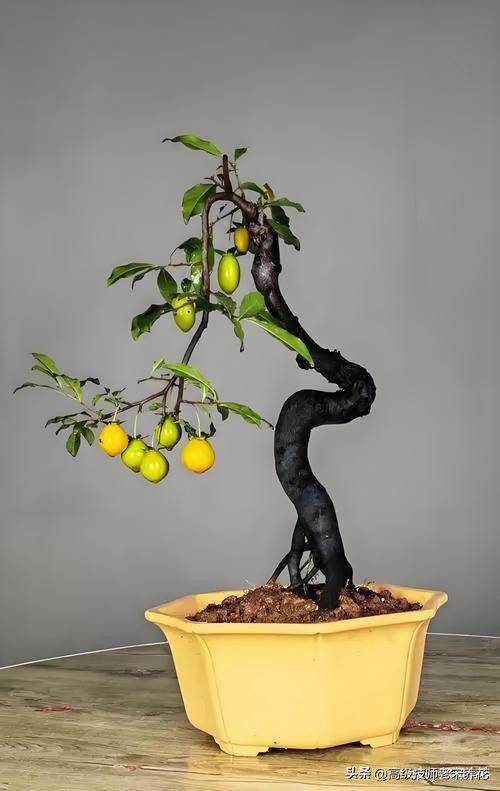
Ii. The basic formulation of the classic earth-laying programme: 40 per cent of the corrosive (or peat) soil + 30 per cent of the earth + 30 per cent of the sand of the river (or pearl rock). Corrupt soil is organic and provides continuous nutrients for root systems; it increases soil thickness and strong roots; and river sand or pearl rock increases air permeability to prevent water accumulation. Progressive formula: 25% pond mud (small block) + 25% leafy soil + 25% fresh water river sand + 25% beehive coal powder. Ponds protect fattening, decomposed leaves soak up, river sand and coal powder enhance drainage and are suitable for land planting or large basin viewing. Simple scheme: 50 per cent of leafy soil + 30 per cent of rough river sand + 20 per cent of coal sludge (or pearl rock). The formula is low-cost and suitable for beginners, and the slag needs to be broken and used to avoid sharp edge damage to root systems. 3. Soil-stripping care avoids the imposition of heavy soil, such as pure lands, red earth, etc., which can be compacted and lead to suffocation of roots. Physically alkaline materials such as grasswood lime, lime, etc. Increase soil ph and affect the growth of gold bullets. Periodic soil conversion: 1/3-1/2 old soil is replaced every 2-3 years to replenish new soil and base fat to prevent nutrient depletion. Geographical adjustment: river sand can be increased by up to 40 per cent in the rain-fed areas of the south, increasing drainage, and the dry areas of the north can reduce river sand and increase the preservation of soil and water from decay。
Iv. Up-to-date techniques
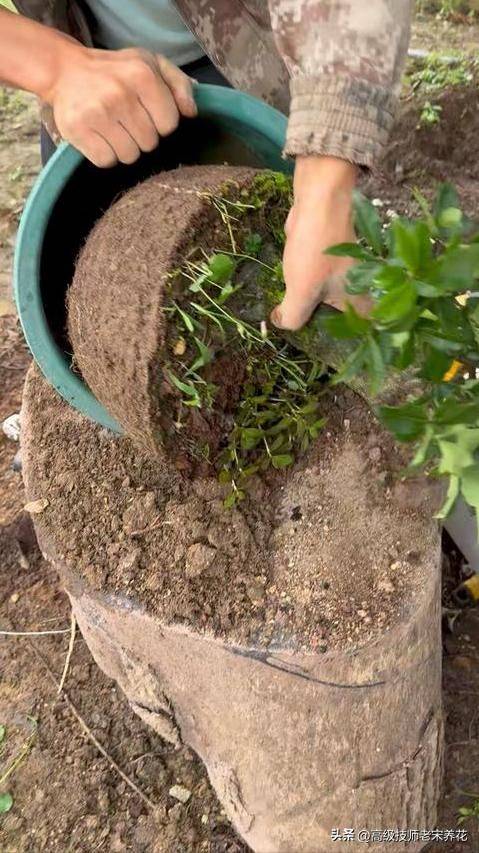
The bottom of the basin needs 2-3 cm thick pottery or shredding as a filter to prevent water accumulation. During planting, the root of the gold bullet is stretched to the basin along 1-2 cm, with light pressure on the soil and water. If a shallow basin is used, moss or pinephosphorus can be laid on the basin, both beautiful and wet。



