


In the course of tomato cultivation, there is a high incidence of empty fruit, which not only directly causes a decline in yields, but also severely reduces the quality of fruit, causing considerable economic loss and management problems for the growers. Addressing this problem requires clarifying its root causes, followed by targeted scientific controls。
I. Comprehensive distribution of the complete of the supplement of the obligations
The formation of empty tomatoes is not a single factor, but rather the result of a combination of environmental conditions, management of hydrofertilizers and plant loads, which can be grouped into the following three categories:
1. Distinction of buds: the flowering period is the basic stage in the development of the tomato fruit, and when severe temperatures (too high or too low), insufficient light and uneven soil dry and wet environments are threatened, which can lead to the disruption of the flowering process and to the formation of growth defects, the results of which will be empty fruit
2. Unbalanced management of water fertilizers: the period of fruit expansion is a critical period for nutrient demand, and if fertilized inappropriately, it can trigger empty fruit. On the one hand, excess nitrogen fertilization can lead to excessive nutrient growth in the leaf and competition for nutrients from the fruit, leaving the fruit empty because of “nutrient loss” and, on the other hand, failure to replenish nutrients in a timely manner during the rapid expansion phase of the fruit production can lead to the problem of emptiness in the nutritional supply。
3. Cultivation results are overloaded: tomato results are not usually readily available in the early stages, but as the plant grows, the range rises, the number of results continues to rise and the probability of empty fruit occurrence increases. When plants have too many one-time results, fruit at the top or on the periphery tends to grow into hollow fruit because of the lack of access to adequate nutrients and water supplies。
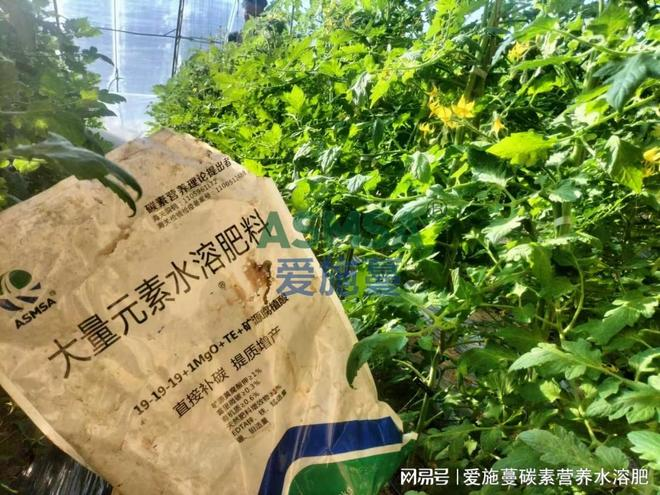
Tomato growing
Ii. Integrated prevention and control measures for tomato empty fruit
For the above-mentioned causes, it is necessary to build a system of prevention and control and reduce the incidence of empty fruit from various dimensions such as water fertilization control, plant management, environmental optimization and pest control。
(i) scientific water fertilization management, balanced nutrition supply
Fertilizers, which are recommended to be fertilized with the three main elements of nitrogen, phosphorus and potassium, are scientifically comparable to a wide range of micro- and medium-sized elements, effectively coordinating the balance between nutrient growth and reproductive growth and avoiding imbalances in nutrient distribution. In water management, the soil needs to be wet but not watered; in the fertilization rhythms, the fruit boom period needs to be followed by continuous fattening, and when the plant has only two ears left, the fertilization can be stopped to prevent excess nutrients。
(ii) refinement of plant management and rationalization of loads
On the one hand, it is necessary to perform a full-scale operation in a timely manner to improve the ventilation of the plant by removing the excess side branches and ensuring that the fruit is fully equipped to receive light for light cooperation and to accumulate nutrients; on the other hand, it is necessary to perform a flower-resorting exercise that removes the luminous and young fruit from its growth, based on the strength of the plant and reasonable control of the number of results。
(iii) optimizing the growth environment and creating appropriate conditions
Focusing on environmental regulation during two critical periods: first, the sprouting period, which requires strict control of ambient temperatures within a suitable range to ensure adequate light and to avoid adverse environmental effects on lumber development; and, second, the growth period, which ensures a stable water supply, both to meet the demand for fruit expansion and to prevent soil wetness over high-induced diseases, providing a sound environmental basis for fruit development。
(iv) improved pest and disease prevention and management to ensure healthy farming
Insects and pests such as pollinosis, ashilosis and aphids directly affect the leaves, straws and fruits of tomato plants, affect nutrient absorption and trans-shipment and indirectly induce empty fruit. As a result, there is a need to establish regular inspection mechanisms during the planting process and, in the event of signs of disease and pests, to intervene in a timely manner using green control tools (such as biological pesticides, physical booby traps, etc.) to ensure healthy growth of the plant。
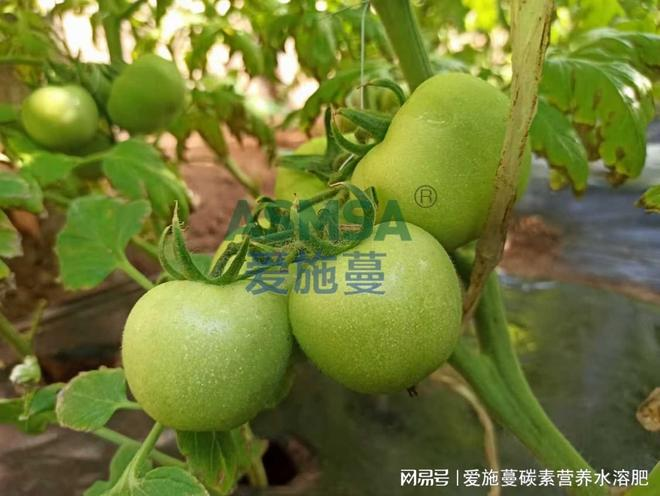
Tomato growing
Summary
The solution to the problem of empty tomato fruit is based on the concept of “preventive, integrated and controlled” and the preservation of nutrients with the corrosive corrosiveness of the corrosive affluence, combined with scientific plant management, environmental regulation and tight pest and disease control, with continuous optimization of planting techniques. A combination of measures can effectively reduce the incidence of empty fruit and produce saturated and high-quality tomatoes. If you want more precision technology for tomato cultivation, please leave a message。



