


Fine tilling
Following the current crop harvest, the tillage has to be 20-25 cm deep, and the tillage has to be dredged and flattened, so that the tillage can be eased, so that it can be protected and planted。
Fertilizing the formula
High-quality school fattening of about 5,000 kg per acre before tilling the land, flattening it down and making it poached, before applying quick-effect fertilizer, which can be determined by soil survey. The average fertilized plot is applied to acre with a compound of three dollars (15-15-15) 70 kg, bio-organic fertilizer 40 kg (central application), urea 15 kg and potassium sulphate 20 kg. In the absence of high-quality school fertilizers, 50 kg of fertilized bean cakes should be applied, along with micronutrient fertilizers such as boron, zinc and sulphur. Fertilizers and pies are mixed with 8-10 cm soil to avoid nutrient loss or burning。
Soil treatment
Underground pests such as garlic mackerel can be combated with penetrating, acne, fungus cleaning, geocreage, etc., and soil disinfection against endemic diseases。
Pick garlic
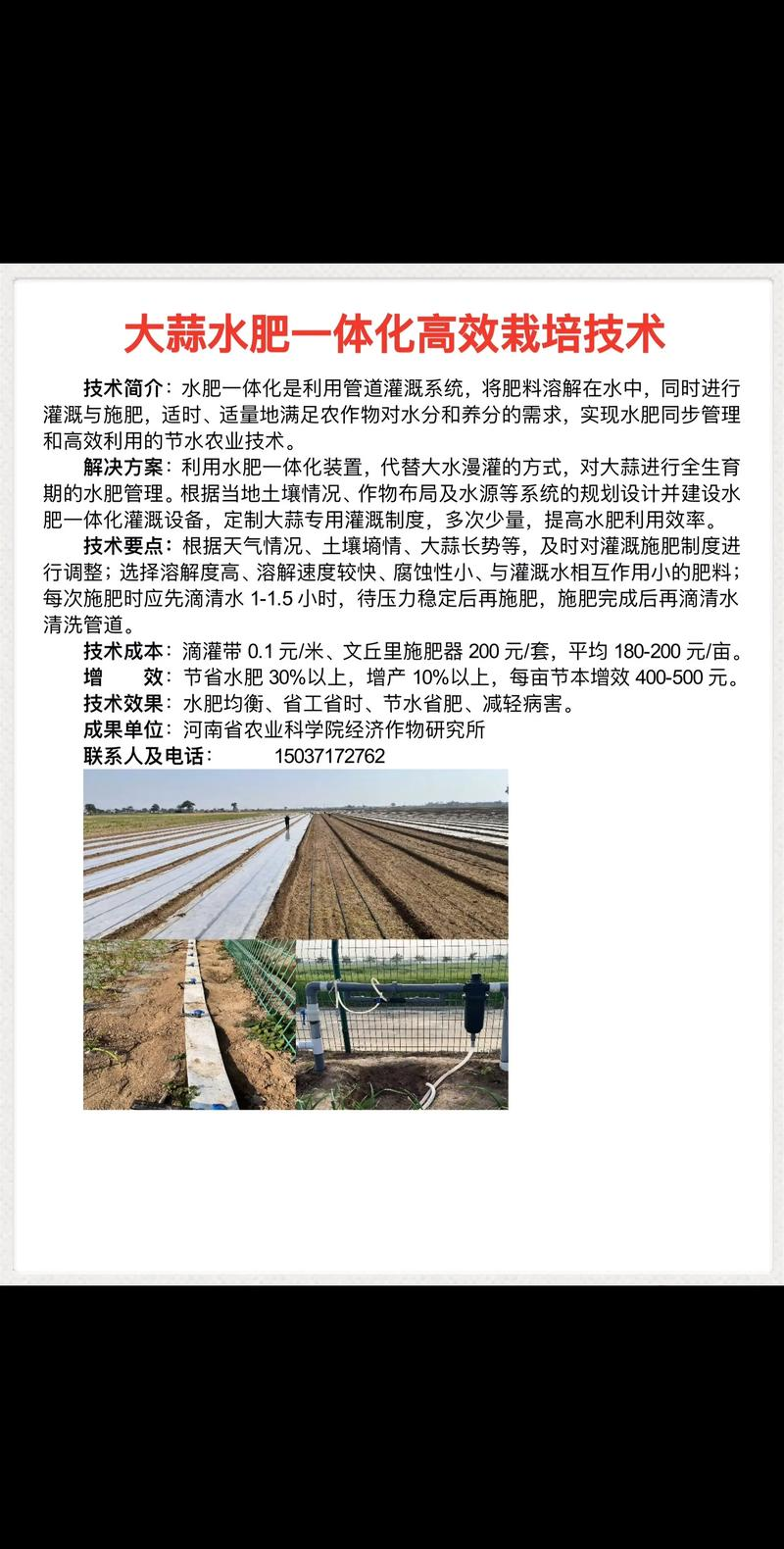
Before seeding, you have to select garlic, which is big, big, pedal and representative, and which is decomposed by rots, worms and root, and then graded. It is generally divided into three levels, large, medium and small, with first-level seeds (around 500 grams of petals) and second-level seeds (around 400 grams of petals) and, in principle, no third-level seeds。
Medicinal impregnation
More than 50 per cent of the filamentable powder can be used, watered to 500 times the dilution, immerse the petals 24 hours later, dry the surface moisture, and sow it immediately (the best humid) in the interest of whole seedlings and inhibit infection。
We'll plant it in time
The best planting time is 25 september to 5 october, and the best planting time is 5 to 10 october (depending on temperature). The average temperature for this period is around 17c° and 5 cm at around 18c°. It is usually 7 days after the broadcast and 12 days after. By winter, it reaches one centrifugal, with a strong resistance to cold, and in the spring of the following year it returns to its green and strong growth, laying a good foundation for the quality of garlic production。
Reasonable density
The average line range is 20-22 cm and the range is 8-10 cm, with an acre planting 28,000-35000. Do not sow too much or too little to affect production and the quality of goods。
Scientific seeding
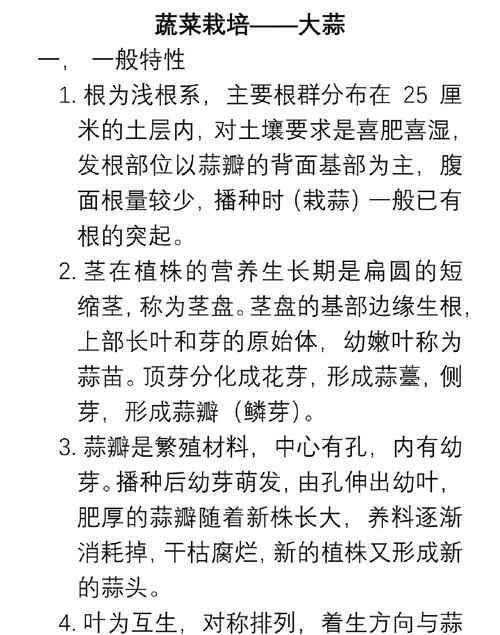
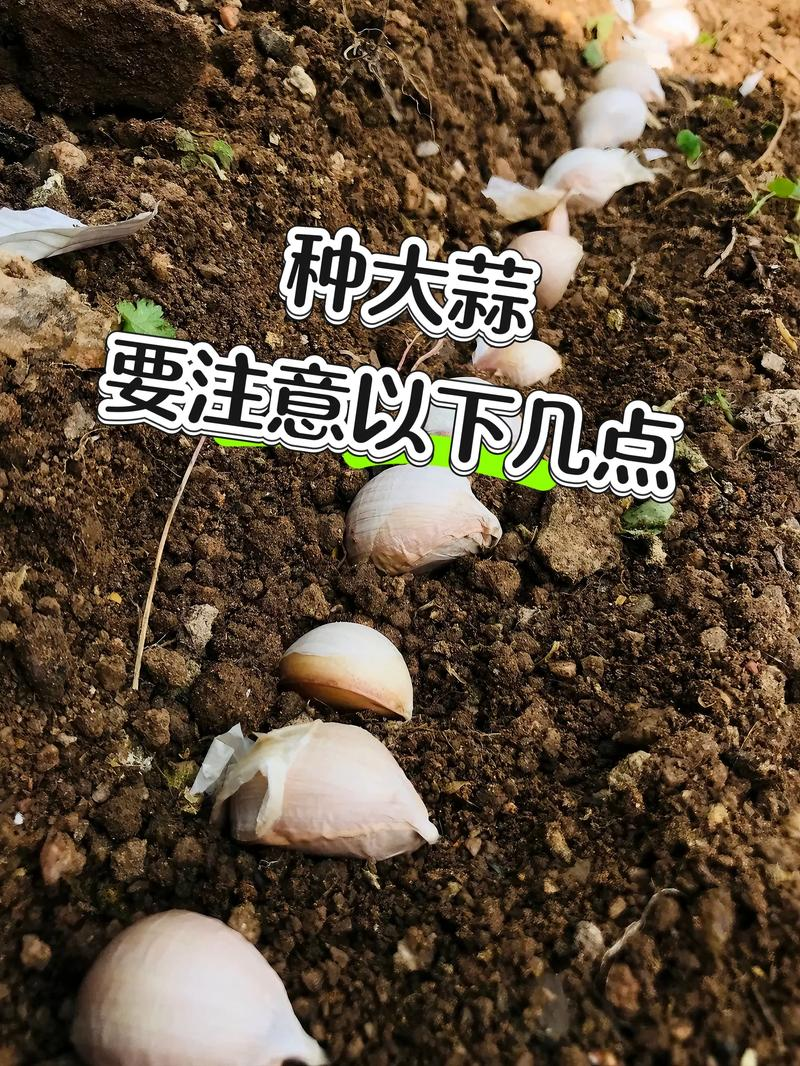
The width of the thorium depends on the method of cultivation and the water source, with an insufficient water supply of one line at a time and a sufficient water supply of four to five lines at a time. It is generally 70 cm wide, 30 cm wide, 8-12 cm tall, with a membrane of 200 cm wide or 100 cm wide, slightly higher in the face, and finely flat. The cleavage is 5-6 cm deep at sowing and the garlic petals are covered with 3-4 cm soil. The depth of the plant, the distance between the lines and the length of the plant shall be even. At the same time, direct sowing is required, i. E. The bows of the garlic petals during sowing should be aligned with the abdomen to ensure that the garlic leaf is evenly distributed in the fields, avoid mutual shades, favour productive growth and field management。
Chemical weeding and scientific membrane
Garbage must be sprayed with herbicides once before planting the back lid, with 48 per cent of razo-l or 150 ml of lasso cream per acre and 50 litres of water; 80-100 ml or 200 ml per acre, with spraying of 100 kg of water for 5-7 days. The membrane may be used to crush the edge of the membrane into the soil on the back of a piece of bamboo or a sickle, with care to level the membrane as much as possible, so as to tighten the ground, and to seal the gap with its feet so as to protect it from the wind。
Shrimp management
Seven days after the seeding, the seed began to come out. Before the sprouts are released, the membrane can be passed through with a light taping of the membrane, such as a broom. Ground levelling, seeding of high-quality and tight membranes, with 70 to 90 per cent of garlic buds passing through the membrane, a small number of buds not able to lift out the membrane, and small hooks can be used to break the membrane seedlings in a timely manner, which would otherwise seriously affect the growth of the young seedlings and cause the membrane to break。
Pre-winter and winterization management
The seedlings can be followed by the sighting of the soil and the degree of condensation of the seedlings, which can be watered once, so as to be clean and the basis for winterization. If the risk of garlic maggots (fly species) is found, the root should be ploughed with avulsin or octhion in a timely manner. In the middle of november, the winter water, which can be poured in the middle of november, must be rinsed, and the winter water must not be poured into the ice. Special attention should be paid during winter to protecting the membrane from the wind and, if found, to pressing it in a timely manner。
Youth management
Late in mid-february of the following year, before “shocking”, temperatures rose, while garlic seedlings began to return to green, where plant anti-coolants could be sprayed once before and after return in order to prevent the fall of the spring cold from harming garlic. At the end of spring, garlic is in the “middle of rot”, prone to garlic maggots and focused on strengthening prevention and treatment。
Long-term management of garlic
In late march and early april, the fight against onions and seeds began, with spraying once every 7 to 10 days and twice in a row. Starting in late april, the fight against garlic death, ashilosis, etc., was sprayed about every 10 days and two to three times before the application. The membrane garlic shall be removed from the membrane and weed after the “cleaning” and the temperature has stabilized, and 20 kilograms of ammonium or potassium per acre shall be followed and high-efficiency leaf fertilizers shall be sprayed and then watered once. Take care to stop watering a week before the drop, for the sake of the draw。
Garlic swelling management
Water is then poured once, until the harvest takes place, depending on weather, to keep the ground wet, to meet the water needs of the late-stage garlic, and to spray an anti-disease drug, while also spraying the face of the leaf, consolidating the prevention and treatment of garlic and ensuring a good harvest。
(according to the net)



