The groceries cut off are of great use, so don't throw onions that are sprouts. In this special time when the leaves became “luxuries”, the authors taught you how to grow vegetables at home — lettuce, prunes, garlic seedlings, soybean sprouts, shanghai greens — quickly free vegetables! In order of difficulty, the introduction of hydroponic techniques and step-by-step techniques applied by new players, as well as organic fertilizer production techniques that can be studied by “generous” residents。
Aqua
Lettuce
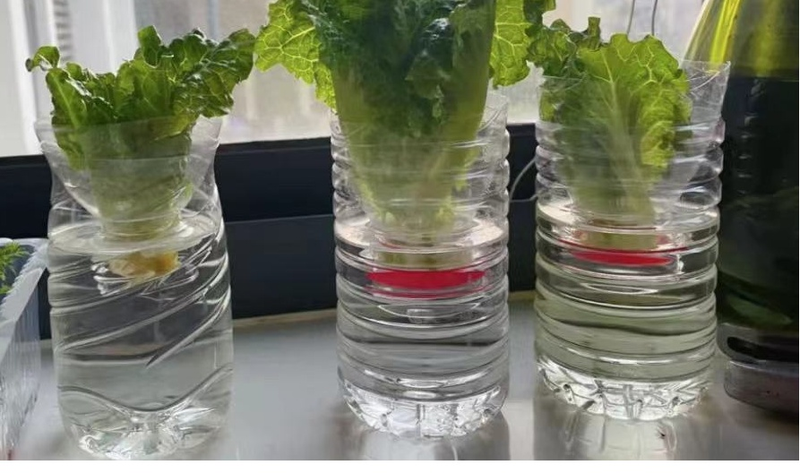
Skinned raw vegetables and leaves are suspended in containers such as plastic bottles, and the amount of water is sufficient without the root, because too much water can rot easily. Three days to change the water, hide the light, and in 15 days you'll get a brand-new, rich vegetable。
Celery
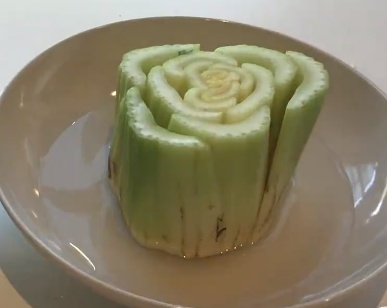
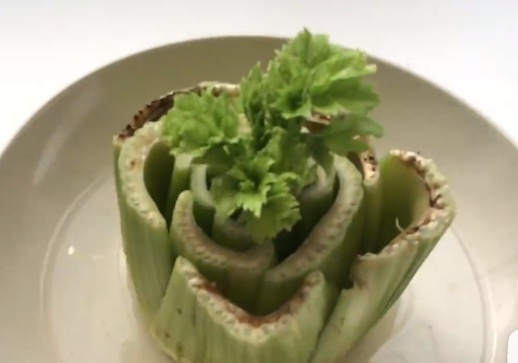
It cuts down to the upper five centimeters of the prune and is placed in a plate with water. Three to five days later, fresh celery leaves will grow in the middle。
Onion
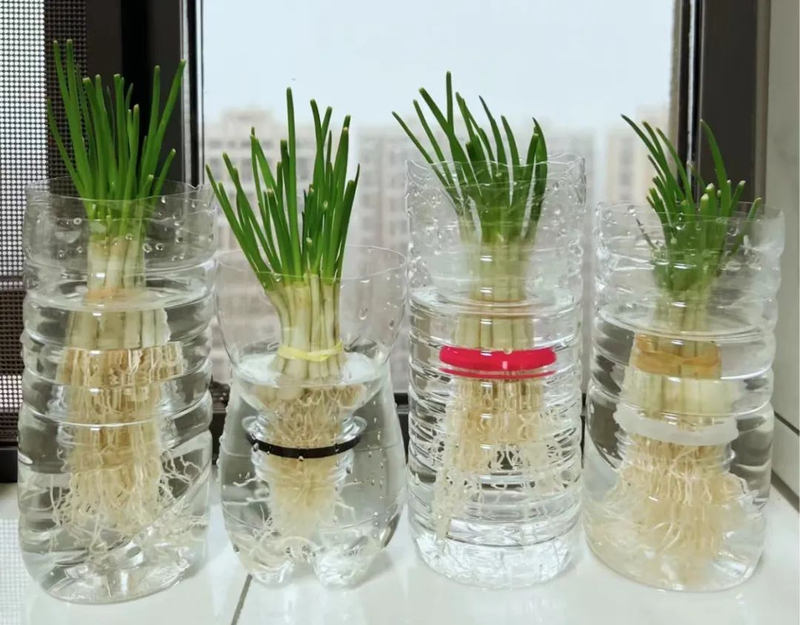
Cut off the onion part with the root muster, put a rubber band in a small bundle and put it in a watered container. In a week's time, we'll grow into fresh onions。
Champagne
Cut from the root of the cuisine 5-6 cm, and emptied the cuisine in a container with water, changing the water the next day. In two weeks, the cilantro will be ready。
Garlic
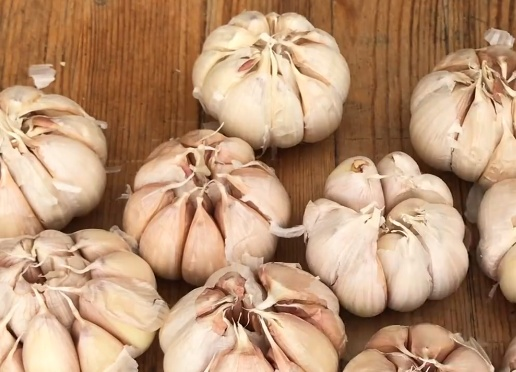
Find sprouts of garlic, strip off the outermost skin, put the whole garlic in the tub, water with no root, three days for a change. There'll be new garlic seed in a few days。
Garlic seed is also earth-breeding: half of the entire garlic head is buried in the ground, onions are exposed, and garlic is grown, such as water. I can harvest many times! I can harvest three or four times after a stroke of harvest。
Garlic seedlings are also combined with soil and water: first, a thin layer of soil is spilled in the basin, then a large amount of water is poured to make garlic more productive. Where there is plenty of sunlight, there will be green garlic seedlings, and it will grow when light is planted。
Green beans
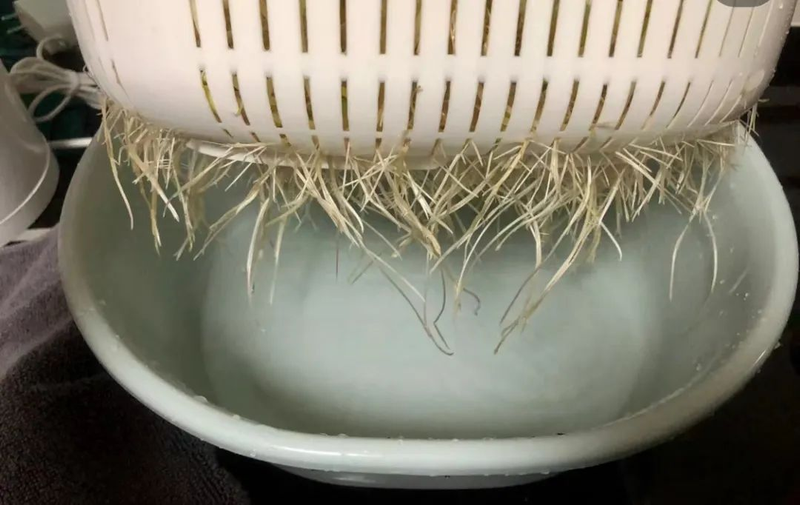
Green beans are immersed in water for eight hours, waiting for them to swell. Pour sprouts of beans into holes in containers (baskets or plastic bottles full of holes on the bottom) with a cotton sheet on the top of the containers. Water is exchanged through cotton cloth to ensure that beans remain in a clean water environment. In four days, you can fire a bean sprouts
Soybeans, soybeans
Put the beans in water for 12-24 hours, waiting for the beans to swell and bulge, during which time the water will be replaced. Dry the budding beans and spread them in a holed container, which is filled with a plate of water just approaching the side of the beans so that the water does not stink. Water change every day. The beans are covered with a wet cotton cloth, which is sometimes sprayed to keep them wet. Two to three days later, soybean sprouts, black sprouts and soy sprouts grew up to eat。
Beans water peps: if there are bubbles that don't grow, take them out in time to avoid a stench。
Taste
The growing cycle of indigenous vegetables is long and difficult to grow, with seeds demanding soil, climate, moisture and sometimes pests. Not recommended for start-up。
Shanghai
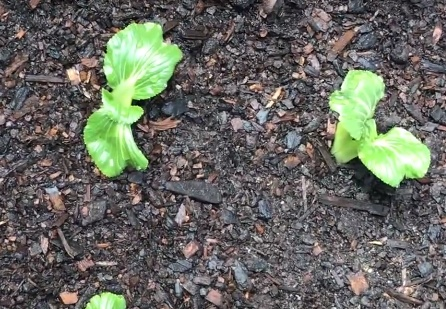
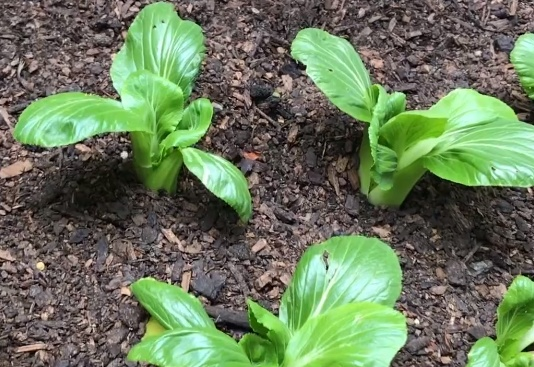
Weed the leaves, weed them, weeded them, weeded them, weeded them, weeded them, weededed them. Every day, heavy water is poured and the soil is moist, prompting the vegetable heart to take its roots quickly. In four weeks, fresh green vegetables will be harvested。
Onions, onions, onions
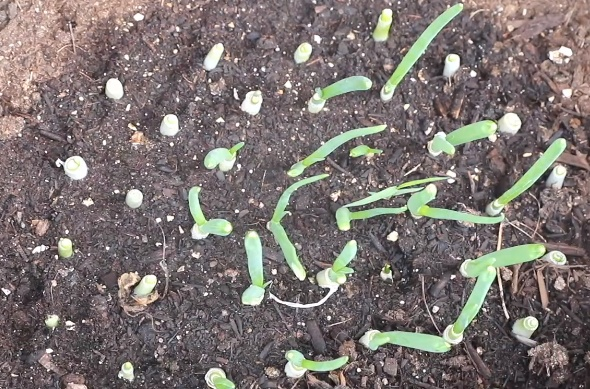
Cutting down onions with root, root must be down, shallowly buried in a flower pot. A little water, and the leaves grow in a few days。
The budding onions are buried directly into the flower basin, pouring water and waiting for onions to grow。
Ginger
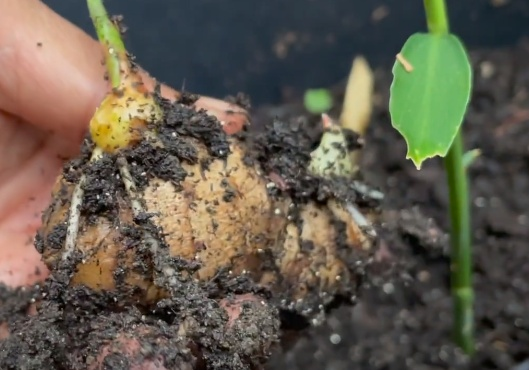
Take a sprout of ginger and cut down the gushing cord (if it has not yet been sprouted, water it on the ginger, and it waits for its gushing in the cool air) and bury it in the sandy soil of permeability, so that it can be poured out once and for all. Two or three days, and a few weeks later fresh ginger grows。
Potatoes
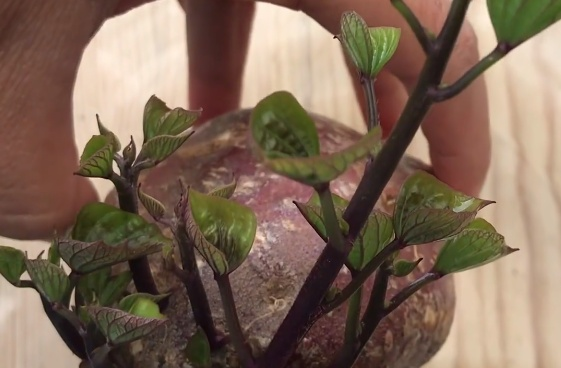
The sprouted potatoes were placed in the container, and the water was not served by a third of the potato, and the water was changed once in three days. When they grow to 20 cm long, they come down and plant them in the ground, waiting for the new ones to grow。
The other way is not to dip water, the red potato sprouts up and buried directly in the soil. A small amount of water is regularly poured as long as the soil is not dry. And when the potato sprouts grow, they come down and plant in the earth。
Potatoes
Small potatoes, with only one bud, are buried directly into the soil; and there are several budded potatoes, cut in line with the bud, with only one sprouted piece of potatoes, so that they can grow when they dry. Potatoes are not the same as potatoes, but buried deep in the soil. It is recommended that the planting index be sporadic, because the seeding of potatoes is testing your patience — now it will take winter to harvest。
Fertilizer
The “specified” population can make organic fertilizers from household cooking waste, chase the soil for fertilizer and grow new leaves for vegetables。
Materials
Scraped leaves, fruit peels, crushed eggshells, peanut shells, tea slags, coffee slags, leftovers, pasta, etc. In the home (also available on the internet) there are conditions for the preparation of rice acreages, which can be desorbed and promote fermentation。
Pulling the grass from the balcony and the soil in the basin。
Steps
Take half of the earth mixed with the rest of the cooking, then cover the other half of the earth, and prevent the fermentation of the leftovers from attracting flies. The flower basin is placed on a lighted balcony to keep the soil dry. Stay a week and wait for the rest to ferment. The sun continues to tan for a week and from time to time tumbles. Once the soil is completely evaporated, fertilizer can be used。
This group of health workers set up a rescue team.
This "blue" shines in the line of control and shows that the business takes over
A 14-ton snack kit for the pronunciator