


Time: november
Ceiling period: hibernation
Key technical measures:
Careful cut: select the appropriate cut method based on different shelf shapes and grape varieties。
Preparation of quality seedlings: during trimping, the fine branches needed for the next year are selected and stored together to ensure the smooth follow-up。
• clean up the garden: remove all the dead branches from it and burn them to reduce the growth of pests and diseases。
(b) take measures to combat the cold: when the trim is completed, the chickens are laid down and bound, and buried more than 15 cm in the soil to protect against the cold. For red earth grapes, the cold-proof earth layer needs to be five centimeters thicker than the plume, while care should be taken to remove the earth at a distance of 70 centimeters from the roots in order to protect the security of the vines。
Time: december
Ceiling period: hibernation
Key technical measures: review and take stock of the past year's planting experience, develop detailed plans for future harvests and start preparing the necessary work。
Time: february
Ceiling period: hibernation
Key technical measures:
Regular inspections are carried out to ensure that the soil is covered in a complete and seamless manner to facilitate the safe passage of the grapes over the winter。
Pre-positioned high-quality fruit bags to prepare for the next harvest。
In-house seedling work began, with an embolism and a timely injection in late february。
Time: march
Ceiling period: hibernation
Key technical measures:
Material preparation: ensure that the necessary materials, such as shelves, fertilizers, pesticides, etc., are sufficient and that the relevant equipment and medicines are repaired。
(b) arrange repair: lifting the poles, tightening the lass and creating a good environment for grape growth。
The field seedlings and parks: the ground, the roots, the seedlings and the seedlings began to be planted to lay the foundations for a new year。
Time: april
Predatory period: predation period
Key technical measures:
Grapes excavated: be careful before and after clarity, and be careful to operate to avoid injury to sprouting。
Pest and pest control: elimination of winter bacterial and insect sources, skin removal and application of appropriate microbicides. In accordance with local climatic conditions, the appropriate medication is selected for treatment。
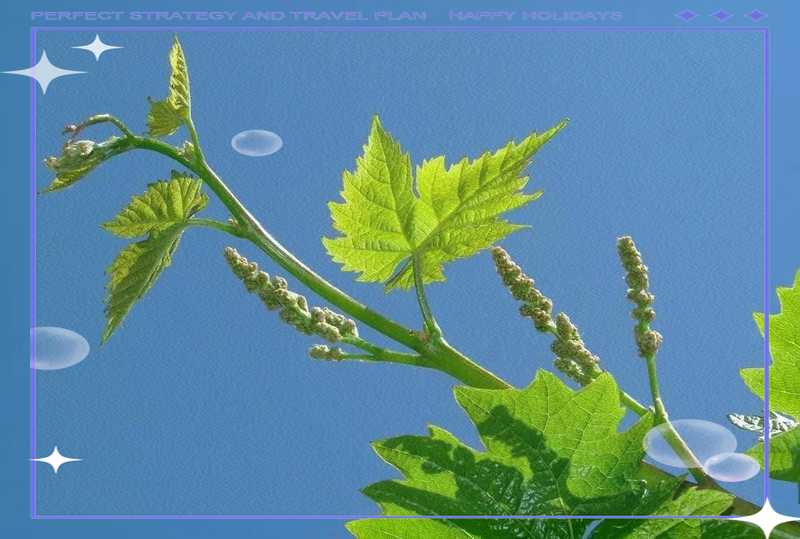
Upstretch and adjustment: put grapes on top for 15-20 days at the right time, such as morning or ground chicken, which helps balance tree positions and increases the fruit rate of the giant plume。
And sprouts and sprouts: weak sprouts and a sprouts of sprouts are wiped out, and the branches of the plumeless sprout are removed from them in order to maintain reasonable tree formation and ventilation。
And the ear and the strangling of the ear: by the strength of the branches, and by the strength of the branches, they have been cut off, so that the branches do not leave their ears, so that the middle ones leave a ear, and the strong ones leave two ears. After removing the side branches, a quarter to a fifth of the tip of the ear shall be strangled in order to promote even growth of the fruit。
Spraying and fertilizing: spraying each before and after flowering, taking care of the alternation of the agent, to prevent and treat pests such as black poxes, axle disease, assemblage. At the same time, the application of boron supplements is recommended before the flowering period in order to increase the seating rate。
Caretaker and subsoil management: hard branch or half-wood graved graves two to three days before flowers, leaving 3 to 6 leaf blades above a weak ear. For varieties with a high fruit rate, such as red earth grapes, it can be postponed to 14-15 leaves to take care of them and repeatedly to prevent them from growing. After the graft, you can pick the top step and leave the leaves to be taken and the rest to be removed。
Young tree management: during the berries boom in june, water was poured in time, pine soil was protected, and new seedlings were tied in order to ensure healthy growth。
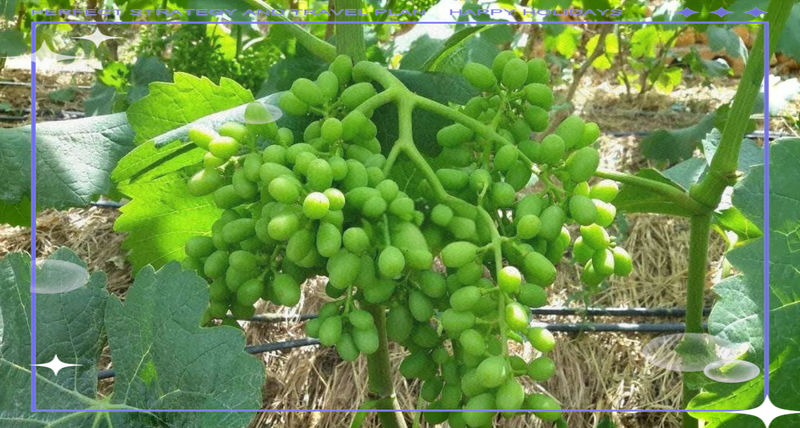
Drug prevention and treatment: in case of pests such as albinosis, anthrax, lignoma, frost and green blinding, it is necessary to regulate the prevention and treatment of diseases in the early years of life. In general, every 7 to 12 days is administered with one or two successive high-quality protective microbicides。
Package protection: timely preparation of fruit ears and adjustment of drug strategy to local climate and grape variety characteristics。
Rational application of fertilizers and water: after the grapes live (i. E., when grapes are of soybean size), a combination of 15-15 fertilizers can be applied, together with water irrigation and farming measures。
Post-rainfall management: after each rainfall, an additional bactericide is required to deal with possible diseases。
Technical measures for the july reserve:
Carcinance and branching: carcinating for new growth that is too strong, while removing the tight branches and ensuring that the downside branches are tied in time。
Drug spraying: the focus is on combating diseases such as lignoma, frost and albinosis. In areas with a high incidence of albinosis, special preventive and control measures are needed。
Fertilizer water management: at the peak of fruit expansion, 100 kg of compound fat 15-10-20 and 50 kg of potassium sulfate were applied. At the same time, the leaf was sprayed 10-15 times, 2-4 times. Watch out for pine earth, porridge and weeding。
Go bags and picks: for medium- and early-maturized varieties, go bags 15-20 days in advance to promote colour. In due course, the grape quality is ensured by extraction and sorting. When you go to the bag, spray the ears in time to prevent the fruit disease。
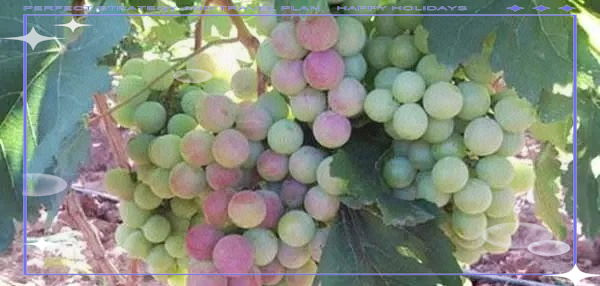
Time: august
Reception period: colour maturity
Main technical measures:
Spray control: this month, priority needs to be given to combating pests such as anthrax, frost, foliage and green blind elephants. This is particularly true of grey silt and acidosis, which are critical periods for the control of grapes throughout their growth cycle. Reasonable choice and application of drugs based on local pests and conditions。
Remove the old leaf: for the upper colours, when the fruit begins to colour, the leaves below the ear shall be removed so as to increase the light of the fruit and promote colour。
Reasonable control of water and fertilization: for soon-to-be-maturized grape varieties, rational control of moisture is required, along with the spraying of beibon nutrients on the leaves to improve the quality of fruit。
Preparation for harvest: before harvesting, preparation for bagging, colouring, classification and packaging is required to ensure that grapes are presented to consumers in optimal condition。
Time: september
Reception period: mature
Main technical measures:
(b) go to the bag: after the bag is taken, the surface is retroreflected, which increases the light of the fruit, increases the sugar content and further optimizes the quality of the fruit。
Spray protection: during maturity, continued attention needs to be paid to the prevention and control of diseases such as froste and leafy diseases. At the same time, attention should be paid to safe intervals for pesticides to ensure that the fruits are safe and harmless。
Prevention of bird effects: when the fruit is coloured, bird pecking is protected. In areas where conditions exist, protection can be achieved through measures such as birdnets。
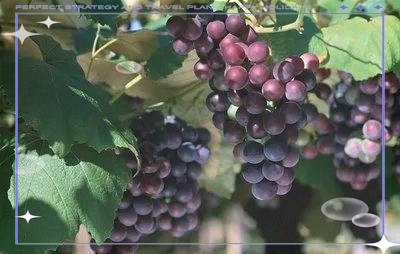
Time: october
Ceiling period: after harvest
Main technical measures:
Fertilizers: once the fruit has been harvested, organic compound fertilizers can be applied in appropriate quantities per acre to provide the necessary nutrients for subsequent growth。
Watering: after fertilization, timely watering to ensure that fertilizers are fully dissolved and effectively absorbed by plants contributes to the accumulation of nutrition。
Porcelain: after picking fruit, close attention should be paid to the health of the leaves and prompt detection and treatment of the disease. Protection of leaf blades through the rational use of drugs, such as copper formulations, to prevent the early fall of leaves, thus ensuring adequate accumulation of nutrition. At the same time, good foliage conditions also contribute to the maturity of branches and the healthy development of root systems, thereby reducing the source of trans-winter bacteria。



