


The cultivation and management of grapes is a complex and fine agricultural activity, which involves all the links from site selection, seedling, planting and day-to-day management. We will now give details of grape cultivation methods and management techniques, which will help fruit farmers to better master grape cultivation。
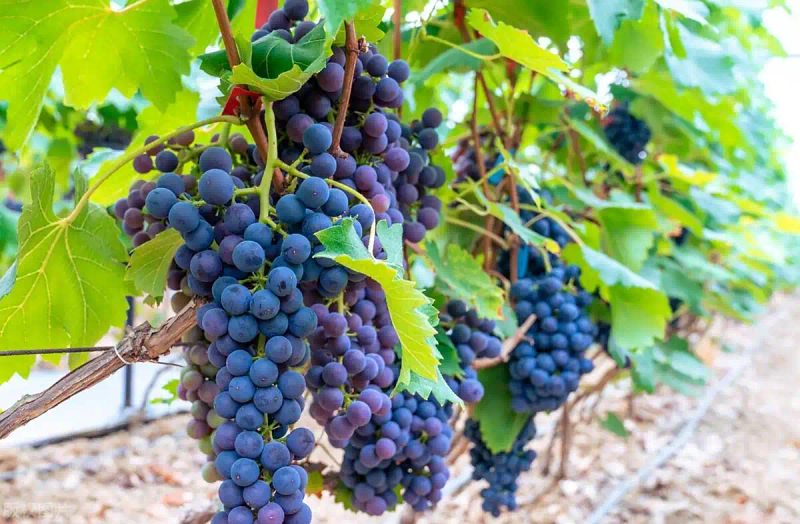
Grapes prefer warm and well-soiled environments, with soil suitable for well-drained and organic sandy sandy soils. In the selection of land, low-lying, water-strawing areas should be avoided in order to avoid root disease. At the same time, orchard planning, including the layout of infrastructure such as roads, drainage systems, irrigation systems, etc。
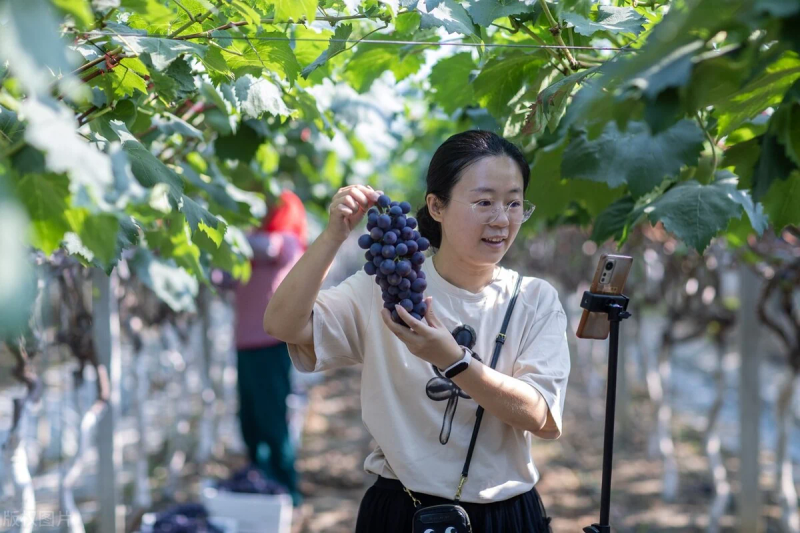
Ii. Cultivation and species selection
Grapes can be bred by adhesion, marriage, etc. The choice of varieties should be based on local climatic conditions, market demand and planting purposes. In general, pre-maturized varieties are suitable for the food market and late-maturized varieties for brewing or drying。
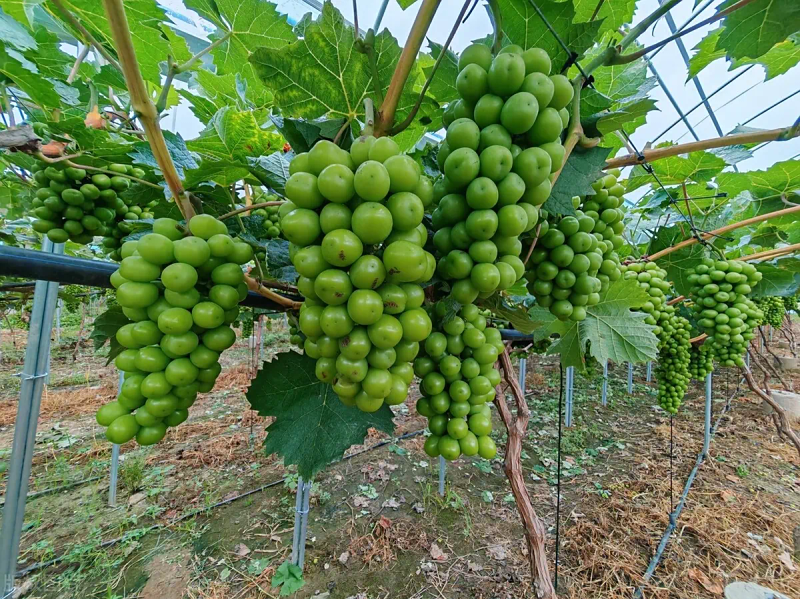
1. Cultivation time: grapes are usually grown in spring or autumn. Spring planting takes place before the bud, and autumn planting takes place after leaves fall。
Cultivation density: cultivation density should be determined by species, soil fertility and management levels. Generally, it is more appropriate to have a range of 2x3 m or 1. 5x3 m。
3. Cultivation methods: before planting, we must dig up a ditch or a den and apply bottom fertilizer. Then put the tree into the pit, and fill it with soil, and then pour water。
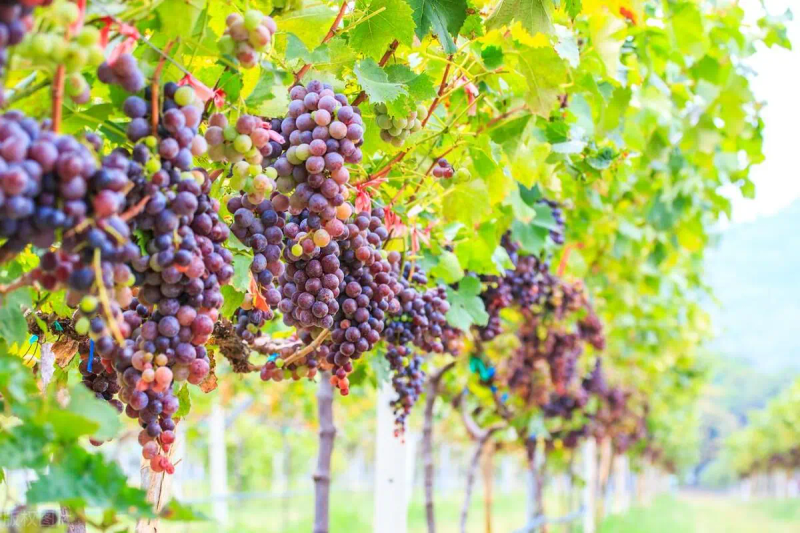
1. Fertilization management: the application of grapes is determined by age, growth and soil fertility. In general, nitrogen fertilisation is the dominant factor in the larvae period, which promotes the growth of branches; the result period is to increase the application of phosphorus potassium fertilizer and improve the quality of the fruit. At the same time, attention should be paid to the timely pursuit of fat and leaf spray。
Water management: water management of grapes is governed by the principle of “dry water drainage”. In the dry season, water must be poured in time to keep the soil wet, and during the rainy season, drainage should be carried out to prevent water accumulation from causing root diseases。
3. Orthopaedic shearing: orthopaedic trimping of grapes is an important means of improving yields and quality. During the winter trim, the amount and method of trimmed is determined by the growth of the tree and branch. Summer shears are done in a timely manner to remove surplus leaves and disease branches and to keep the tree crown radiant。
4. Pest and pest control: the control of grapes requires an integrated approach. First, there is the choice of disease-resistant varieties and robust trees; secondly, the strengthening of field management to increase the resistance of trees; and lastly, the timely use of chemical agents for prevention. In the prevention and treatment process, care should be taken in the choice and use of medicines to avoid harm to the environment and the human body。
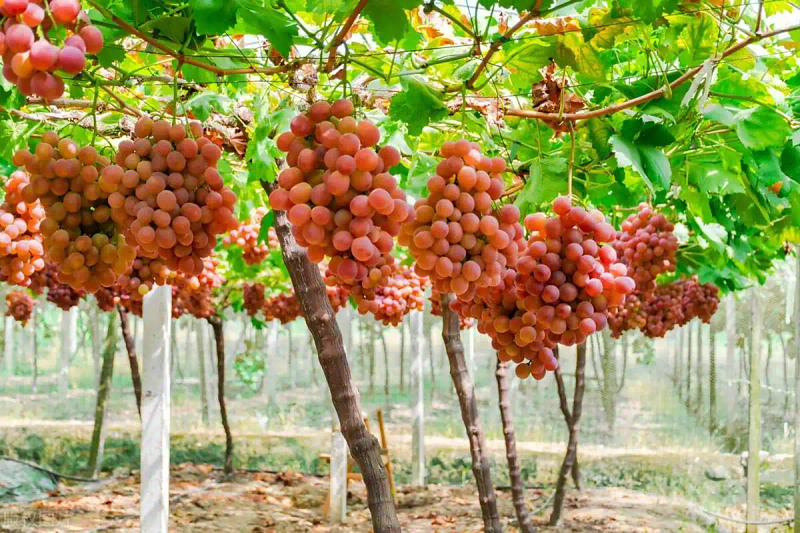
Grape harvest must take place after the fruit has matured. The harvest must be carried lightly so that the fruit is not touched. Grapes collected are packaged in stages to facilitate storage and sale. In storage, care shall be taken to control temperature and humidity to prevent the decay and deterioration of fruit。
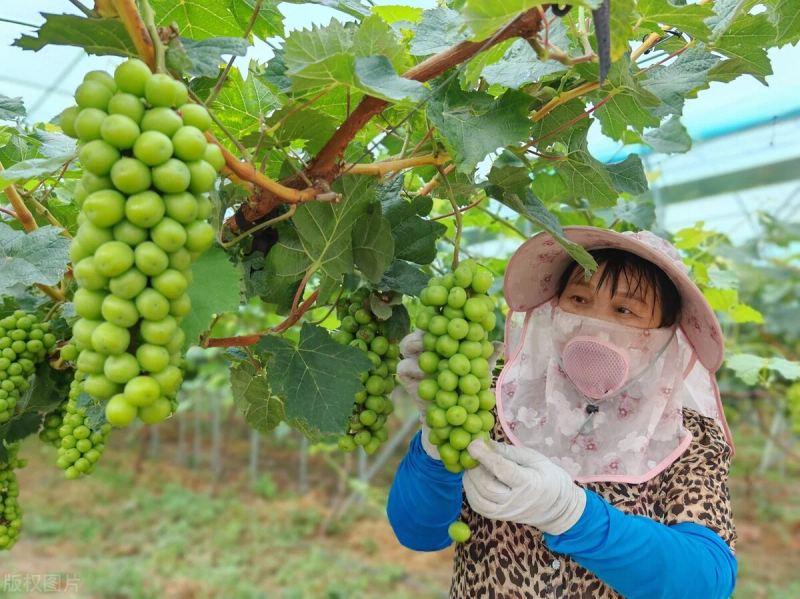
Vi. Orchard upgrades and modifications
As the age of the trees grows and the market changes, the renewal and adaptation of orchards is essential. In updating, the appropriate method of updating is selected on the basis of the tree pattern and variety characteristics. In retrofitting, plant structure and planting density are adjusted to market demand and planting purposes。
Overall, the cultivation and management of grapes is a delicate and cumbersome task. Only scientific methods of cultivation and management techniques, carefully implemented, can reduce production costs and market risks while improving grape production and quality. It is hoped that the above will provide useful references and help to a wide range of farmers。



