


Grapes, as a popular berries, have a rich variety of varieties, with many fruit farmers growing in both the north and the south. Gravity is a systematic and highly cyclical agricultural activity. The next step is to learn about grape cultivation techniques and management methods from the waiting period and corresponding technical measures throughout the year。
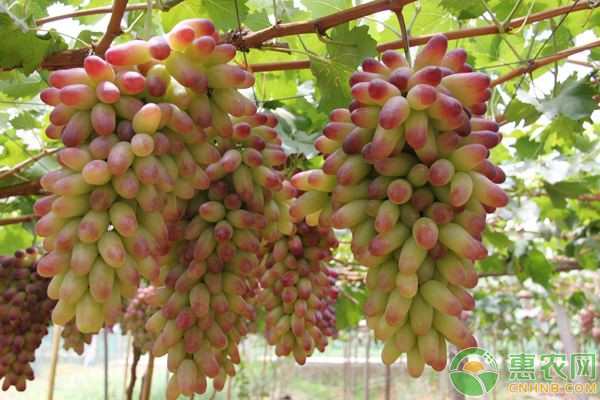
January-february
1. Inspection and maintenance: periodic inspection of vineyards and timely refilling of the soil in the vicinity of the plant, if it is found to be missing or there is a gap in it, as well as a severe blow to ensure that the plant is firmly rooted and that damage to the plant is avoided as a result of the erosion of the soil。
2. Material preparation: prepare high-quality fruit bags, prepare sufficient stocks of material for follow-up fruit kits, etc., and ensure quality of fruit bags for the environmental control of fruit growth and development。
3. Facility seedlings: an embedding exercise began in late february with the orderly insertion of the stylized plugs into the sheds, with the advantage of temperature and humidity control in the facility's environment, increasing the activity rate of the stubbles and nurturing quality trees for subsequent grape cultivation。
February-march
1. Material preparation: complete preparation of production materials, fertilizers, pesticides, etc., while carefully overhauling all kinds of appliances, pharmacological devices to ensure their good performance and providing solid material and equipment for subsequent vineyard construction, maintenance, etc。
2. Repairs: a complete overhaul of the cavity, the erection of the poles, the re-establishment of the radish and the ensuring that it is solid, the solidity of which is the basis for the growth of grapes, the load of fruit, the ventilation of grapes and the ease of management at a later stage。
3. Cultivation of seedlings: in the field, there is a full range of activities, including the consolidation of the ground, the rooting, the planting of seedlings, and, in the case of established plantations, the start of planting, the rational planning of the spacing of the plant, ensuring that there is a suitable space for growing between the plants, and creating a sound land environment for the growth of grapes。
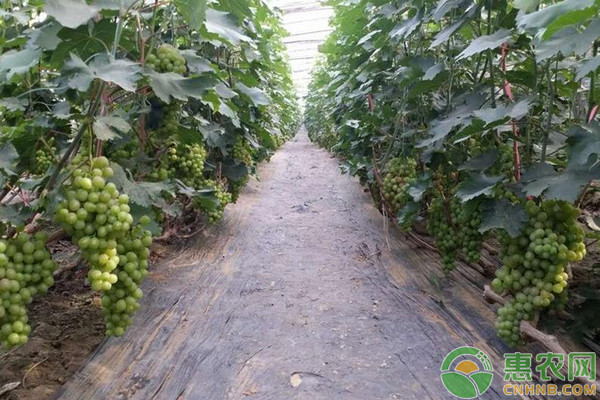
March-april
1. Soil production: before and after the clearness of the soil, it is generally carried out with special care and care to avoid the sprouting of damage, while at the same time taking care to prevent the occurrence of injuries and to ensure that the plant successfully passes through the earth and recovers its vitality。
2. Pest and pest control: commencing to kill the sources of bacteria, insects and skins of the winter, applying microbicides with precision in accordance with local climatic conditions and the occurrence of pests over the years. Copper formulations may be selected if the rainfall is larger, and sulphur formulations such as thulphates are more appropriate if the rain is less dry, and specific agents need to be selected for specific pests。
3. Up-to-date: in the form of shantycoon cultivation, grapes can be mounted ahead of time, and in the case of large-scale grapes, they can be placed 15-20 days later on the ground, an operation that helps to balance the position of the tree, thereby significantly increasing the cove rate of the large-scale grapes。
Embroidery: careful observation of grape plantations, timely elimination of weak buds and relatively weak buds, rational control of buds, concentration of nutrient supply advantages, promotion of healthy growth of plants。
May
1. Tilts: when new steps grow to more than 40 cm, tie-ups are performed in time to prevent new steps from being broken by the wind. At the same time, care is taken to remove the ear, remove the curling, erase the seeding of the foundation, optimize the growth structure of the plant and reduce inefficient growth consumption。
2. Settling: trims the branches that are too dense to grow, rationally regulate their density, improve ventilation and light conditions, and create a favourable micro-environment for flower fruit growth。
Earnings and squeezing of the tip of the ear: the stinging of the ears, and the principle that the weak, the middle, and the strong. When he chokes his ears, he chokes from one quarter to one fifth of his ears after he has gone to the side branch, and he precisely regulates the fruit's structure so that the fruit grows evenly。
4. Spraying: each before and after flowering, each of which is used interchangeably, mainly for pests such as black poxes, raspberry disease, grey silt, green blind elephants. The latter is a critical period for disease prevention and treatment and should be selected with a microbicide that is effective and spectrogenic, as well as the targeted use of internal inhalant drugs and the establishment of disease and pest defence lines。
5. Creaming: two to three days before the flower, a hard branch or half-timber graved heart of a giant raisin is carried out according to the criterion of leaving 3 to 6 leaves above a weak ear. Once the hard branch has a heart or half wood, the leaves are left behind after the third leaf. For varieties with a high fruit rate, such as red earth grapes, care can be postponed until 14-15 leaves, followed by repeated precipice. When the grapes of the plume are grafted, the steeds can be chosen to keep the blades of the top and the rest removed。
6. Spraying: before flowering, recommend a single application and supplement boron fertilizer, provide adequate nutrition for flower fruit development, assist in pollinating and increase the seating rate。
7. Young trees management: timely watering, pine soil protection, tie-ups, orderly planting of new seedlings, good growth of young trees and the laying of the foundation for subsequent production。
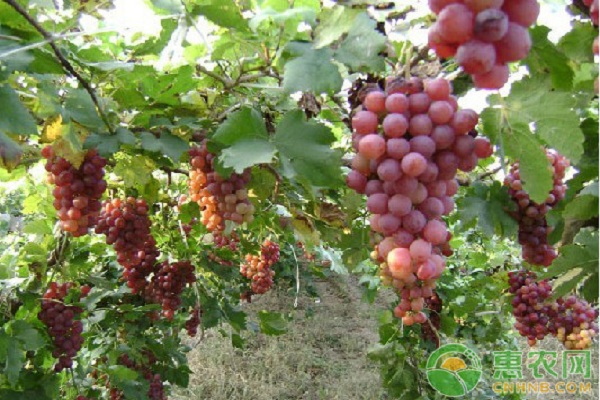
May-june
1. Clean-up of surfaces: retaliation of subsoils, optimization of surface space layouts, ensuring ventilation, promotion of fruit and magnification and efficient cooperation。
2. Drug treatment: a focus on pests and diseases such as albinosis, anthrax, lignoma, frost and green blinding. In early childhood, this is a critical period of normative control, with a total of 7 to 12 days of one-time medication and one to two good protective microbicides, early prevention and a reduction in the incidence of pests and diseases。
3. Packages: timely processing of fruit ears, precision adaptation of drug programmes to local circumstances and variety characteristics, ensuring safe and appropriate environments for the effects of the kits, reducing infestation of pests and diseases, and safeguarding the appearance and quality of fruit。
4. Fertilizer water management: when grapes live in fruits, the grains of fruit reach soybean sizes that can be applied to 15-15 complex fertilisers, when applied, water and tillage in a timely manner, promote the absorption of fertilizers, contribute to the expansion of the nutrients and improve soil aerobicity。
5. Attention: after each rainfall, a microbicide is required to prevent rain from spreading the fungi, causing disease and ensuring healthy growth of grape plantations。
June/july
1. Cardiac trifling: timely care of the new, growing growth, removal of the secret branches, timely binding of the downside branches, regulation of the growth of the plant, optimization of the fruit growth environment and promotion of the expansion and colour of the fruit。
Spraying: mainly to combat diseases such as lignoma, frost and albinosis. In areas where albinosis is high, emphasis is placed on strengthening prevention and control measures. Precisely selected agents are sprayed on schedule to ensure prevention and to ensure healthy growth of grapefruit。
3. Fertilizer water management: during the booming fruit season, 100 kg of complex 15-10-20 fertilizers plus high potassium fertilizers, mixed use of barrel fertilizers, with a single application of 10-15 days of fertilisation of leaves, 2-4 times. Pay attention to pine soil, protection, weeding, improvement of the soil environment, promotion of nutrient absorption in the root system, and contribution to the expansion and improvement of the quality of fruit。
4. Go bags: for medium- and early-maturity varieties, go to the bags 15-20 days in advance to colour and be picked, graded and packaged in due course. When you go to the bag, spray it in time to prevent the disease and protect the quality of the fruit from the disease。
August
1. Spraying: the main prevention of diseases and pests such as anthrax, frost, folic and green blind elephants. This stage is a critical period in the fight against asymptomosis and acidity, as well as the most critical phase in the overall control of grapes. In areas where anthrax is more severe, a single dose is applied at the beginning of the transformation; in areas or varieties where it is severe, a single dose is targeted; and in areas or species where acid is severe, measures are taken to ensure the quality of the fruit。
2. Go to the old leaf: when the fruit of the upper colour begins to colour, several of the old leaves below the ear are removed, the light is increased, the fruit is evenly coloured and the fruit looks better。
3. Reasonable control of water: for the soon-to-be-maturity varieties, rational management of water should be carried out, while the application of leaf-faced fertilizer should increase the nutritional supply, ensure that the fruits are well nourished and improve their quality。
4. Harvesting: pre-harvest bags, colouring, classification, packaging, ensuring the best quality of market access for fruit and improving economic efficiency。
August/september
1. Go-flip: when you go in front of the harvest, you will be able to lay a reflection film on the ground of the vineyard, increase the colour of the fruit by using the principle of reflection, increase the amount of sugar in the fruit, significantly improve the quality of the fruit and increase the value of the fruit commodity。
Sprays: focus on protecting leaves and promoting fruit colour. The main fight against diseases such as froste and foliage is to be applied with strict attention to safe intervals for pesticide application and to ensure safe harvest of fruit。
3. Prevention and control of bird pests: when the fruit is coloured, it is prone to bird pecking and requires effective measures to combat bird pests. There are conditions for employing birdnets to reduce the loss of birds and ensure the full harvest of fruit。
September, october
1. Fertilizers: after harvest, organic compound fertilizer is applied to each acre, the nutrients consumed by the plant are replenished in a timely manner, the plant is revitalized and sufficient nutrients are accumulated for the coming year。
2. Watering: the application of fertilizers is timely, contributes to the melting and infiltration of fertilizers, promotes the absorption of nutrients in the root system, accelerates the accumulation of nutrients, while meeting the water demand for plant growth and ensuring healthy plant growth。
3. Porcelain: after picking fruit, the disease must be treated in a timely manner and the leaves fully protected. Prevention of the early fall of leaves, increased accumulation of nutrients, promotion of branch maturity and root development, reduction of winter bacterial sources, establishment of a healthy basis for planting plants for next year's grape growth, prevention of diseases based on copper formulations, and protection of leaves from winter。
November
1. Shearing: using a differentiated method of shearing, based on the age characteristics of different shapes and varieties, to fine-tune the plant structure, to balance nutritional growth with reproductive growth and to create good conditions for grape growth and results in the coming year。
2. Feeding: in the process of trimping, prepare well in advance for next year's seeding, carefully select strong strips of good varieties, centralize stocks, ensure the quality of seedlings and provide guarantees for the cultivation of good-quality grape trees。
3. Cleaning of gardens: completely removing the dead branches from the gardens and centralizing their burning, completely clearing the breeding grounds for pests and pests, reducing the base number of pests and pests over the winter, reducing the risk of pests and diseases occurring in the coming year and ensuring the ecological safety of vineyards。
4. Temperature control: when the fowl has been trimmed, it will be laid down and bound in a smooth manner and the soil will need to be more than 15 centimetres thick, and the soil shall be taken at a distance of 70 centimetres from the roots, so as to avoid injury. To ensure the safe passage of grape plantations over winters and to reduce the loss of cryogenic damage through rational cold-proof measures。
In short, the management of grape cultivation is a long and detailed process, with monthly technical measures coming together. Growers need to be flexible and precise in their approach, based on the realities of their vineyards, while paying close attention to the dynamics of grape growth and environmental change, adapting their management strategies in a timely manner with a view to harvesting high-quality, high-yielding grape fruits and achieving economic and ecological gains。
You may be interested in and welcome the content of the following recommendations on grape cultivation techniques and management。



