I. Cultivation methods
Seed treatment
Cultivation is a common practice, usually in spring and summer, when seeds are immersed in warm water for 12 to 24 hours before planting, during which time they are replaced by water when the temperature is reduced, and when the seeds are inflated, they are taken up for dry treatment in cold air。
2. Soil treatment
The chrysanthemum, which prefers to grow in fertile and deep sandy soil, should be grown using a mix of peat, sand and leafy soil, which should be pre-planted with a proper amount of soil fertilizer solution, which should be ploughed with water and treated in depth, so that the surface soil will be softened and ground leveled。
3. Plantation management
Land-plant management is a basic requirement in the method of planting the chrysanthemum, which is to cover a layer of sand of approximately 2 cm, water is to be watered and humid, and gestation occurs in about 1 to 2 weeks, and when seedlings are produced, the temperature in the nursery is not to exceed 30 cm, and when they are 5 cm high, they are to be removed。
4. Post-plant conservation

When there is a first pair of leaves, so as to be ventilated, to guard against masters, when there are seven to eight of them, it is necessary to replant them and then cover them with a membranes to increase the temperature, and when the temperature outside is stabilized at about 12°c, the membranes are to be removed and there is sufficient sunlight for the plant to grow。
Ii. Watering methods for chrysanthemums
1 spring
In the spring, the chrysanthemum is in a booming period, where water is guaranteed, preferably every 1 to 2 days, and when it comes to the rainy season of plums, it is necessary to reduce the number of times it is watered, and it is necessary to pay attention to the amount of water accumulated in the pelvis and, in the case of plants that have been removed, to stop watering one week before the planting, in order to prevent the growth of the plant。
Summer
The high temperatures of summer and the rapid evaporation of water, but also the flowering period of the chrysanthemum, when water is poured in appropriate quantities, once a day in the early summer, mainly in the morning, when the temperature is consistent with the temperature of the room, when the season is properly controlled, and when it is spent, it is not possible to create a pot of soil to avoid the decay of the roots and affect the flowering。
3 autumn
The autumn is a period of growth and development in which water is poured on the basis of the dry wetting of the pelvis, preferably every three to four days, with proper pine treatment after each watering in order to promote the absorption of the root system and gradually reduce the amount of water to increase the resistance of the plant when the weather becomes lower。
4. Winter
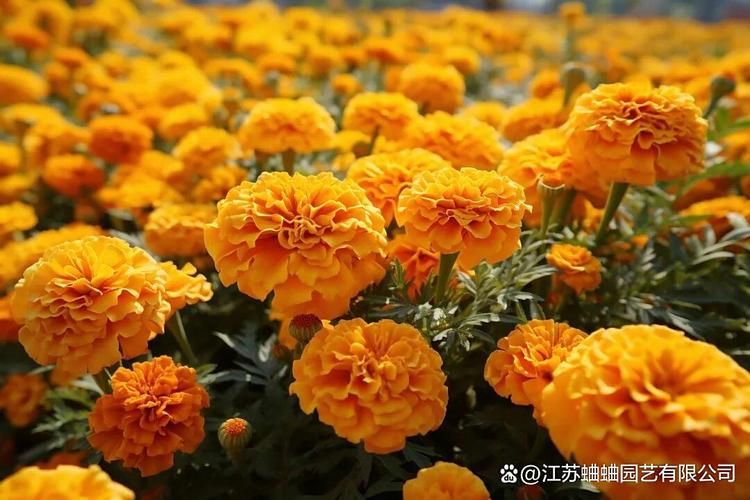
Watering in winter is an important condition for watering the chrysanthemum, which is dormant during the winter, when the roots of the system are slow to breathe and wet, and when water is poured mainly by spraying, to prevent the pelvis from accumulating water, and when dry climates can use wet cloths to wipe the face of the leaves to remove dust and promote light cooperation。
Iii. Prevention and treatment of the disease
1. Decay
Decay is also referred to as disease and is caused by fungi or bacteria. When the onset occurs suddenly and when it occurs, the leaf begins to turn to brown, slowly contracting, eventually drying up to death, and fungi atrophy generally spreads through the soil, with a higher incidence in the summer; bacterial atrophy with symptoms of shallow grey water stains。
Treatment: to improve the management of flowers, increase resistance to vasectomy, provide timely ventilation and drainage, clean up the sick and the sick, and grow them in another place, with the use of drugs such as polyborges and encreas with a regular spray concentration of 75%, which can be effectively mitigated。
2. Plumbing diseases
When the flower germinates, it causes the flower to grow irregularly and the leaves to turn black; the most significant characteristic of the infection after the flower has been flowered is the deformity of the flower, then from the bottom to the top and then the flower's trough from yellow to brown and then black, and then it dies。
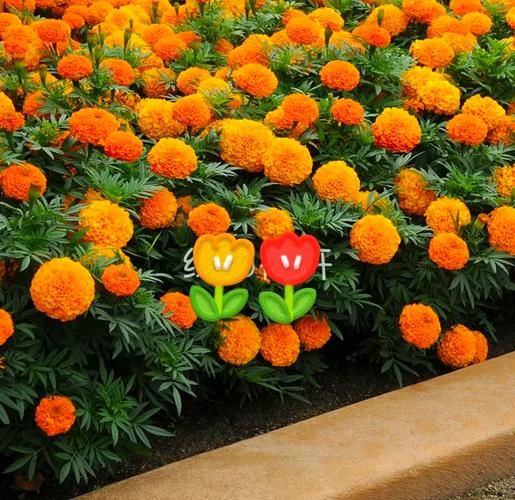
Treatment: in order to reduce the incidence of flower scavenging, fertilizers containing phosphorus and potassium may be applied at appropriate rates, and nutrients may not be applied in close proximity to the root to avoid burns. If the infection occurs, the part of the infection is removed in a timely manner, and if the condition is serious, the whole strain is removed。
3. Brown spots
Chromatic diseases are also known as black spots and stutter. It can occur at any time during the growth of the chrysanthemum, which is a serious hazard. The symptoms were initially shown on the leaves with verbite spots, in irregular shapes, then turned into black spots, surrounding green dizziness and perforation, which spread the virus through seeds。
Treatment: sterilization of seeds with diluted microbicides; rational irrigation, application of phosphorus potassium fat to increase resistance。
4. Paradoxosis
Paraquatism occurs mainly during the nursery period, and symptoms generally occur after the seedlings are produced, beginning with the generation of small brown spots at the base of the nursery, which gradually expand as the disease develops, and the latter begins to die at the bottom。
Treatment: choosing new soil with sterile soil in combination with nutrients, or spraying 50 per cent of the manganese zinc with 1,000 times the fluid for eight days。