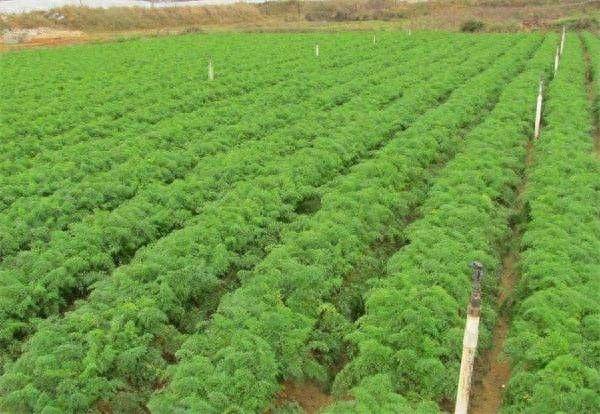
Our old country growers, big people grow their land at home. Whether they grow their own vegetable gardens in winter or contract the fields to grow and sell, it is clear to everyone that the carrots want to grow properly, with a sense of symmetry, and not just the seeds to sit and wait for the harvest。
A number of farmers grow carrots every year in a bad way, sometimes at a bad time, with too high an early temperature, with seedlings growing too thin after seeding, and also with a tendency to pick up flowers, with radish growing early and old and eating hard wood; late and late in the day, when the temperature drops fast, and the land cools through the radish swelling, with small headlines, low skins, output falls down and the revenues are flat for six months。
There is also a part of the country where the planting time is roughly correct, but the following fields are unsettled, unscathed, weeds are out of control, fertilizers are unmanageable, and the vermin are silent, and the carrots are all mixed up in their own homes, and there is a lot of good radish, which is not sold on the market at the right price。
I've been growing carrots in my home fields for many years, and i've been working so hard, walking through a lot of turns, and slowly finding out a kind of ground-based and good-use planting experience. Today, using our farmer's most veritable words, we'll talk to everyone about the right time to plant the carrots, from the selection of the ground, the selection of seedlings, the management of mid- and post-term water fertilizers, the daily protection of pests, and the sharing of solid field experience from the beginning to the end of the day。
The time frame for planting carrots in different regions is clear. Our country is vast, and the temperature gap between north and south is so large that it cannot be generalized. It must be arranged flexibly, according to the local climatic conditions of our home, to find a local planting window。
To begin with, most of the northern regions, such as the north-east, north-east and north-west, are experiencing relatively rapid cooling in the autumn, with a limited period of frost, with most of the planting of carrots being based on fall seeding and the prevailing time for large-scale farming sales. As a rule, the planting of carrots in the northern region is a more appropriate period from late july to mid-august each year。
During this period, the temperature is not too hot for the day, the cooling of the night is slowly rising, and the temperature of the day and the night is slowly rising, just in line with the environmental needs of carrots and seedlings. When the seedlings grow steadily, by september the temperature gradually recedes, and the layer of the earth is moderate, it coincides with the critical phase of the rapid expansion of the carrot root, the accumulation of sufficient nutrients, the growth of the radish meat, and the steady rise of sweetness。
If cold, cold, cold areas in the north reach earlier in the autumn, move as much as possible forward to sow before or about mid-july, so as to avoid the early arrival of late frosts and delay the maturity and expansion of the radish; and where the north plain is warm and warm, it is just right to postpone planting until early august, to avoid high summer temperatures and burning young children。
Moreover, in the south, the overall climate in the south is warm, with no long winter periods of freezing and more flexible periods for planting carrots, divided between autumn and winter. The southern autumn season was mostly concentrated in late august to mid-september, when rainfall was moderate, soil moisture was appropriate, seedling rates were stable and later growth conditions were stable。
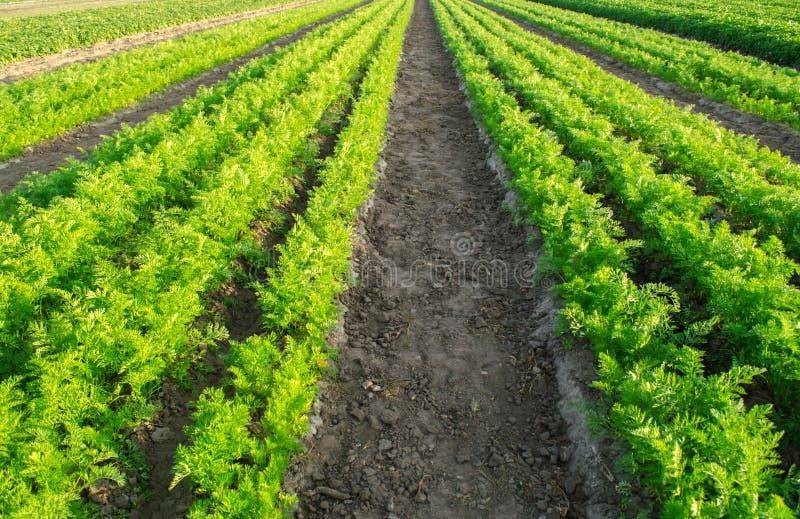
In the area of south china, where temperatures are consistently high, there is no need to sow in the autumn until late september or even early october, so as to avoid the high temperature, humidity, and the risk of rotten seedlings; in order to stagger the market time for better sales, southern farmers can choose to sow in winter, plant in the middle of november and late december, and grow and harvest normally after spring temperatures return to heat in the coming year。
In addition to the north-south division, our farmers grow their own small gardens in small quantities, not strictly following the extended planting hours, but avoiding the prolonged high-temperature weather in the summer, as well as the cold and cold-cold-earth periods, with a small amount of planting during the rest of their free time to meet their daily food needs。
Many of the old people are easy to walk into an area of error and feel that carrots are tough enough to be able to find any empty land to sow seeds. Otherwise, land is not well chosen, and even if the planting time is accurate, later periods will be reduced。
Carrots are grown first and foremost in flat, drained and smooth sandy soil, or in the estuarine soil, which is of good aerobic quality, with a soft and loose layer of ground, and carrots that grow unobstructedly down and grow unobstructedly, with a radish pen that grows round and round, with little fork, twist and deformity。
It is important not to choose low-lying plots that accumulate water over the years, but also heavy clay plantings that are adhesive and hard, which have poor aerobic conditions, which cannot be drained from the water after the rain, and that carrots are prone to decay and cracking down on their roots, and that they are difficult to root, mostly in the form of crooked carrots and radishs, which are all at a discount。
In addition, former crops have just been harvested, avoiding, as far as possible, fields that have just grown guacamole and have been replanted with radish greens, which tend to accumulate insects and diseases in the field, and which can cause soil nutrient imbalances and affect the normal growth of carrots. It is important not to be lazy when the land is selected and the ground is ready to go ahead。
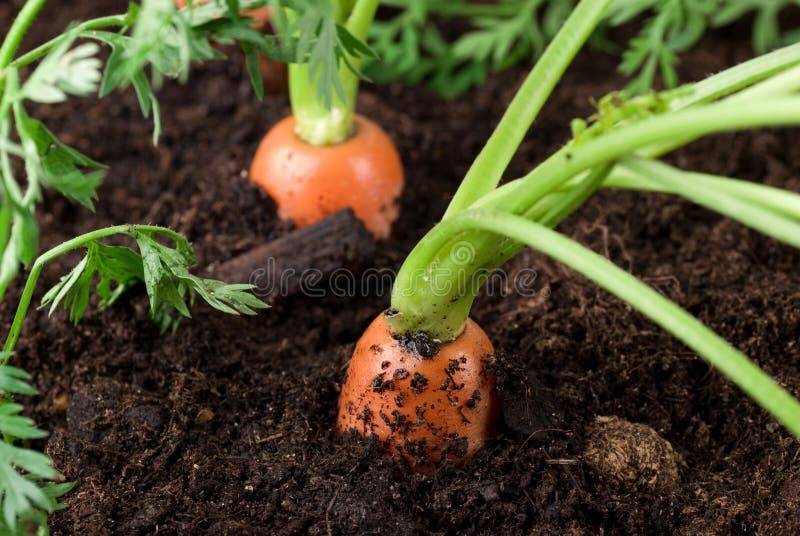
First, the remaining crop straws, grass roots and debris from the fields are cleared, then deep tillage is carried out, and deep tilling is the most suitable for control at about 30 centimetres. Deep tillage can break the slabs of the soil, so that the soil layer can be deflated and so that the carrot root system can extend down and root。
After the deep tillage has been completed, large pieces of earth have been flattened completely, leaving no earth in the ground, otherwise the seeds will fall in deep and shallowness in the cracks, which will directly result in mixed seedlings. The whole area can be accompanied by the application of well-defeated farm fats, such as decomposed goats, cattle and chickens, which are warm and durable, and improved soil and soil, with a sweet and delicate mouth of carrots。
Fertilizers should not be used directly for uncorrupted raw manure, which, when slowly fertilized in the ground, produces high temperatures, is particularly susceptible to burning fresh seedlings, carries a large amount of insect ovary disease and increases in the number of later-stage insects. Fertilizers are used in as small a combination as possible to balance nutrients, and are not subject to a one-time application of excessive nitrogen fattening. Too much nitrogen fertilizer can easily result in carrot-leafing, long leaves without roots and white soil nutrients。
Once the whole area is fertilized, it is most appropriate to plant plants in accordance with the practice of home-grown cultivation, with better ventilation, rapid drainage in the rain, effective reduction of the root causes, fine distance and high adaptation to the actual conditions in the field, and simple light start for small-scale family farming。
The plots are packed, followed by the selection of seeds and the formal planting of seedlings, and the quality of the seeds directly determines the rate of seedlings and later radish growth. When we farmers select carrot seeds, preference is given to seeds that are full, fresh and non-stereotyped, and that are stored for short periods of time. They are stored for long periods of time. They have a significantly reduced vitality and are slow to grow, and they are too slow to grow。
Once seeds have been identified, a simple leachate can be made before seeding, with a warm water soaking seed for four to six hours, cleans up the impurities on the seed surface, extracts the extra water from the leaching and then sows it down. The immersed seed can break the hibernation, produce seedlings faster, improves seed availability and saves later and more time to waste。
The seeding system is divided into two types of sowing, with large areas of field planting mostly selected for stripping, which facilitates weeding in follow-up fields, seedlings and management of water fertilizers; a small number of direct plantings from their own gardens is sufficient to operate in a simple manner。
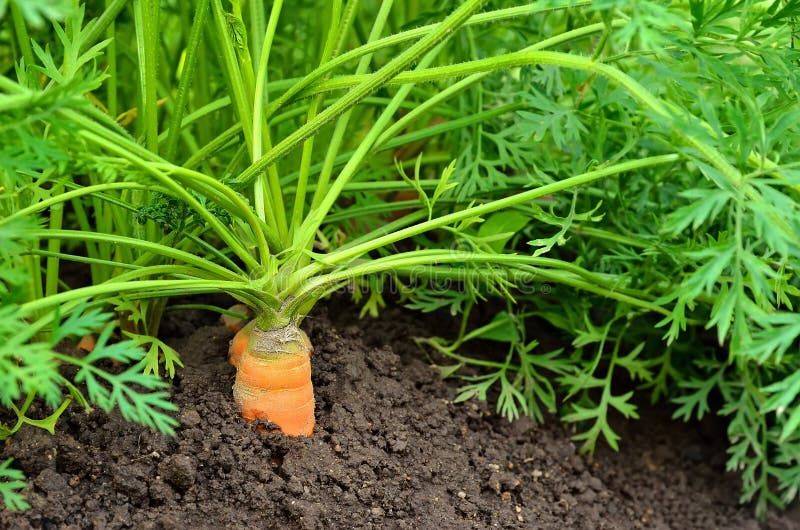
The seeds are soaked at depths, the carrot seeds are small, the tops are not too powerful, so it is difficult to sow too deep seedlings that they can drill out the earth and suffocate in the earth; sowing in too shallow weather can blow the seeds away, and the later roots are unstable. It would be most appropriate to maintain daily planting depths of one centimetre to one and a half centimetres, to cover a thin layer of soil, with light pressure on the earth layer, so that the seeds and the soil fit closely。
After the planting is completed, water is poured over and over in time, using a slow-water approach, rather than having a large water surge, avoiding the currents spreading the seeds, keeping the surface soil humid, and allowing the seeding to occur in about a week or so, as long as the temperature is appropriate。
When the seedlings had emerged successfully, they had reached a critical stage of seedling management, and many farmers had ignored the seedlings, causing problems to grow. The first thing is that the seedlings grow slowly in time, and when the seedlings grow, they are crowded together, their nutrients compete, and the seedlings grow thin and thin。
By the time the seedling grows two or three leaves, the first seedlings will be carried out to remove the small, crowded, yellow and small, and leave a reasonable growth gap; by the time the seedling grows to four or five leaves, the final seeding will be completed, the spacing of the field will be controlled, each of the seedlings will have sufficient space to grow, the absorption of nutrient light will not compete, and a solid foundation will be laid for subsequent growth。
Slenders grow faster than carrots, and wildly grab the water, nutrients and light in the soil. If weeds grow wildly, carrots grow worse。
It would be most appropriate to remove the weeds manually when the weeds were small in the preceding period, both to clean them completely and not to damage the seedlings; once the field is grown, weed can be moisted together with the pine soil of china, which not only removes the weeds, but also decompresses the surface soil, avoids watering and rainfall, and keeps the soil ablaze in good condition。
It reminds everyone that priority should be given in the field to manual hysteria, rather than blindly and frequently using all kinds of agents, and that poor control not only tends to affect the normal growth of the seedlings, but also results in soil residues, home-grown carrots that are kept for food, and clean and safe to eat。
A small number of times are also required to water the seedling stage, which is shallow and less drought-resistant, and the soil surface drys in a timely manner, allowing for the maintenance of soil micro-humidity and the preservation of long periods of water accumulation in the field. In a series of rainy weathers, the first time the field drains, quickly drains the excess water, and prevents the death of the dead seedlings in the blisters。
After a period of seeding, carrots reach the core growth stage of growing leaves and growing roots of meat, at which the management of water fertilizers takes place and the head and face of carrots rise steadily。
When the carrot leaves are long and the field leaves are closed, the watering rhythms will be adjusted appropriately, water will not be frequented, water will be properly controlled, the leaves will be controlled, nutrients will be slowly directed to the roots of the soil, and leaves will not grow so thinly。
Entering the period of rapid expansion of the root of the meat, which is also the most water-intensive phase of the entire growth process of carrots, soil is free from drought and water shortages, and when water is scarce, the growth of the carrots is hampered, the skin is prone to wrinkles, and there is a large number of fragmentations, with both the appearance and the taste of the carrots falling。
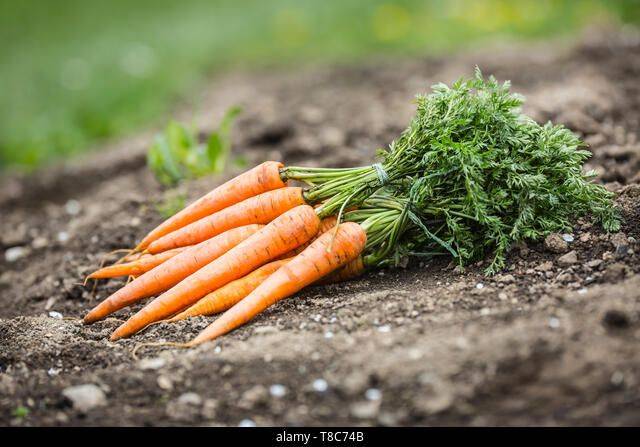
The water supply continues to be small, dry and wet, the soil balance is maintained and suitable humidity is maintained at all times in the depths of the earth, approximately half a month before harvesting, slowly reducing the frequency and amount of water being poured down, allowing carrots slowly to settle and accumulate sugar, and then to taste sweeter after harvesting, as well as to store later stocks。
In terms of nutrient supplementation, the pre-extension period allows for the appropriate supplementation of balanced nutrients and the steady growth of the root of the force; at the peak of the expansion, emphasis is placed on supplementing nutrients that are conducive to the growth of the root, reducing the application of nitrogen fertilizer, providing a reasonable supplement to the potassium phosphorus nutrients, and promoting the robustness of the carrots and the balanced growth of the head. The whole process of fertilization is carried out away from fattening and fattening, along the gap between the fields, and not directly tied to the roots of the plant in pursuit of fattening, so as to prevent the problem of burning roots。
Day-to-day field patrols have also not eased, moving more and more in the day, keeping an eye on the growth of the field and detecting the first-time detection of the causes of the yellow-haired and abnormally large plant. In the field, the ventilation conditions remain smooth and, when the leaves are too thick, the old leaves of the ground are properly combed, ventilated in the field is enhanced and the humid environment is reduced to breed pests of all kinds。
Field cleaning is normally done, with lost yellow leaves and field weeds being cleaned out of the field in a timely manner, damaging the environment in which the insects breed and reducing the probability of their emergence from the source. Even when common pest diseases occur in a small number at a later stage, priority is given to physical protection, manual clean-up, home-grown foods are prioritized to ensure clean and healthy foods, and large-scale sales of seeds are subject to strict regulatory and reasonable control and are not used randomly。
Many farmers are not aware of the right timing of the carrot harvest, are too early to harvest, are not fully plentiful, have a small head mass and do not have a good overall yield; are too late to harvest, are too low in temperature and are prone to freezing, and the meat of the carrots becomes empty and bad taste is not conducive to storage。
Most of the carrots planted in the normal autumn are grown between 90 and 110 days, taking into account changes in local temperatures, and when most of the carrots in the fields are fully grown and the base leaves are moderately yellowened, the time for the proper harvest is reached。
It is important that the northern part of the country be ready to harvest before the onset of large-scale frosting colds, avoiding cold, frozen carrots; the southern climate and regions, depending on market conditions and home-grown needs, may be delayed for an appropriate period of time and will not be easily frozen in the ground。
When collecting, be careful to work, slowly pull out or dig out along the line, and avoid cutting off carrots too hard, scratching their skins, and undamaged carrots, which not only sells better, but also lasts much longer. A simple clean-up of the surface soil after the harvest is completed, rather than drying out the tan and keeping it in a cooler and ventilated place。

All these solid planting experiences i've been able to draw a little bit from my years in the field, without any flairful rhetoric, are all practical ways that we farmers can use directly. In fact, planting carrots is not as difficult as you think it is to get the right planting time frame, to select the right plot, to put in place every basic step for the whole field, the selection of seeds, the management of seed seasons, and the management of water and fertilizers, and to take care of the field, without deliberately pursuing special methods and working hard, so that you can grow large, good-looking, tasteful carrots, and eat and sell them。
Topical discussion
What month do you grow carrots, folks? Have you ever encountered the common difficulties of growing carrots in your own country, with the growth of the seedlings, the split of the carrots and the growing leaves? All of you have good field management tips, and we welcome a message exchange in the comment area, sharing planting experiences and learning about common progress。
A sweet hint
Farmers plant carrots without planting them blindly or in the wind, so that the next planting time is reasonably scheduled in conjunction with local temperatures. The day-to-day management controls water fertilization, works on field drainage and flood control, less use of all types of stimulant farming, patience in weeding, steady and steady management of the field, and is more conducive to the smooth growth of carrots。