


Dissolved oxygen (do) as a core indicator of ecological health and pollution levels of water bodies whose detection accuracy and stability directly determine the reliability of water environment monitoring data. Traditional dissolved oxygen detection techniques (e. G. Clark electrodes) rely on electrochemical reactions from electrodes and electrolytic fluids and generally face bottlenecks in complex water quality scenarios. The aerobic synthetic sensors (fluorescent method) is supported by fluorescence core technology, which provides efficient and reliable technical options for monitoring the quality of surface water, industrial wastewater, aquaculture and other multi-species sites through membrane material modification, structural optimization and intelligent signal adaptation design, and precision decomposition of the five core pain points of traditional detection techniques. This paper describes the core technical principles of the fluorescent dissolved oxygen sensor film, and provides an in-depth analysis of its solution mechanisms for five major water quality detection pain sites, highlighting their technical advantages and application in the field of water environment monitoring。
Core technology: co-design of fluorescent fluorescent principles and intellectual film
The core technical logic of the intellectually dissolved oxygen sensor membranes (fluorescent method) is the fluorescent bursting effect + intellectual membrane appliance, which in essence achieves the precision of dissolved oxygen concentrations by interacting with the specific properties of dissolved oxygen in water with the fluorescent substance carried by the film. The specific technical pathways are: fluorescent sensitive material (e. G. Fluorescent complication) that is coated on the film surfaces, and when specific wavelength blue light (stimulating light) is irradiated to the membrane by the sensor, the fluorescent material absorbs energy and leaps to an agitated state and then returns to the base state by releasing fluorescent photons; non-irradiated energy transfer occurs when the molecules dissolved in water spread to the membrane surface and come into contact with the fluorescent substance, leading to a decrease in the fluorescent strength (i. E., stunning) and the degree of descregnation is strictly linearly related to the dissolved oxygen concentration (stern-wolmer equation: i0/i = 1 + ksv., of which i0 is the fluorescent strength in anaerobic state, i is the actual fluorescent strength, and ksv is the sharp elimination of the oxygen concentration)。
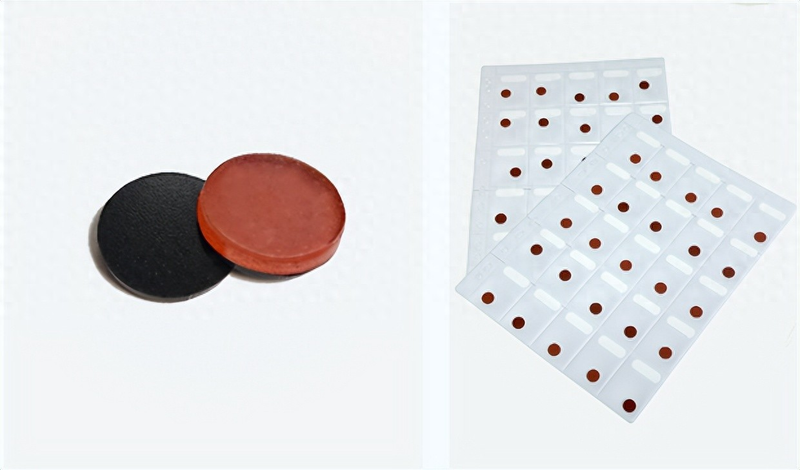
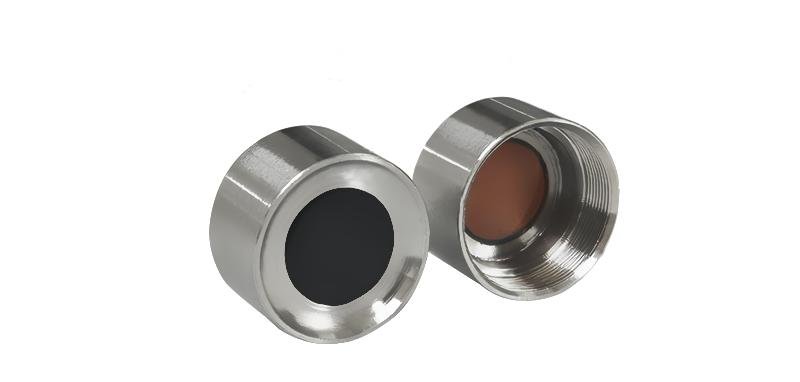
Compared to traditional fluorescent membranes, the core advantage of intellectual membranes lies in the following: first, the introduction of nanoscale fluorescent material mixing techniques to increase the light stability and oxygen sensitivity of fluorescent substances and to reduce the disturbance of environmental factors, such as temperature, turbidity, etc.; second, the use of multi-pore gaseous structures to optimize the rate of oxygen molecule proliferation and reduce the response time; third, anti-pollution modification of film surfaces to reduce the adsorption of suspended particles and organic matter in water; and fourth, the precision of signal acquisition modules for membranes and sensors to modify the error resulting from film decay through smart calibration methods to extend the useful life. The breakthrough of the core technology provides the basis for addressing the many pain spots of traditional dissolved oxygen testing。
Product extension
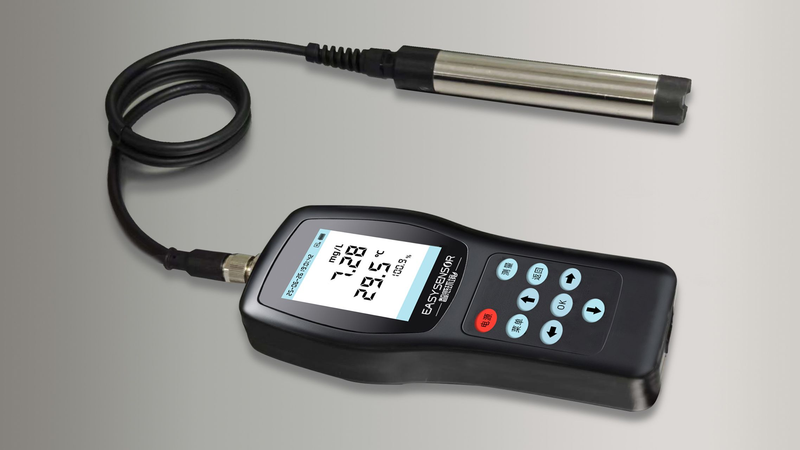
Portable fluorescent fluorescent oxygen instruments in the intellectual environment are based on optimized fluorescent central techniques, carrying self-developed non-expendable high-performance fluorescent film, counteracting the dissolved oxygen concentration by detecting fluorescent signal phase differences caused by oxygen molecules, without electrolytic fluids and frequent calibration, addressing pain points such as traditional electrodes, oxygen consumption, pollution-prone points from their sources, rapid response speeds (t90 /2000/40s), measuring precisions of ± 0. 1 mg/l in the 0-20 mg/l scale range, and automatic compensation for temperature and even salinity from built-in high-precision sensors, which can stabilize at temperatures of -20°c ~ 50°c and complex conditions such as high salt, acidine, etc. The instrument, which is also equipped with an industrial-grade fixed installation and light quantitative handheld equivalent, not only has an industrial-grade design for anti-conservation sealing, anti-pollution, fixed monitoring needs in the chemical, pharmaceutical and water treatment industries, but also portable features such as water-protective grade 500g, ip68 and above, suitable for aquaculture inspections, field emergency monitoring, etc., while supporting the real-time uploading of data and management of multi-equipment networks, helping a wide range of areas to optimize soluble oxygen precision monitoring and process optimization and significantly reduce transportation costs。
# dissolved oxygen analyser #



