A growing number of people now prefer a basin view, and many first-school basin makers will choose to go out to the field and dig some naturally constructed wild tree stakes, and then come back through stakes and technical processing, gradually creating a more beautiful basin view. Many of these tree basins, while unable to produce beautiful flowers like flowers, are more appreciated for their resilience and natural beauty。
In fact, there are many trees in the countryside or in the wild that are suitable for the production of basins, and it is recommended to start by learning from these simple and easy-to-earth stakes, which are usually played in basins without much experience. Below are some examples of some of the trees that are common in the wild for those who love it, and they are very good materials for making it。
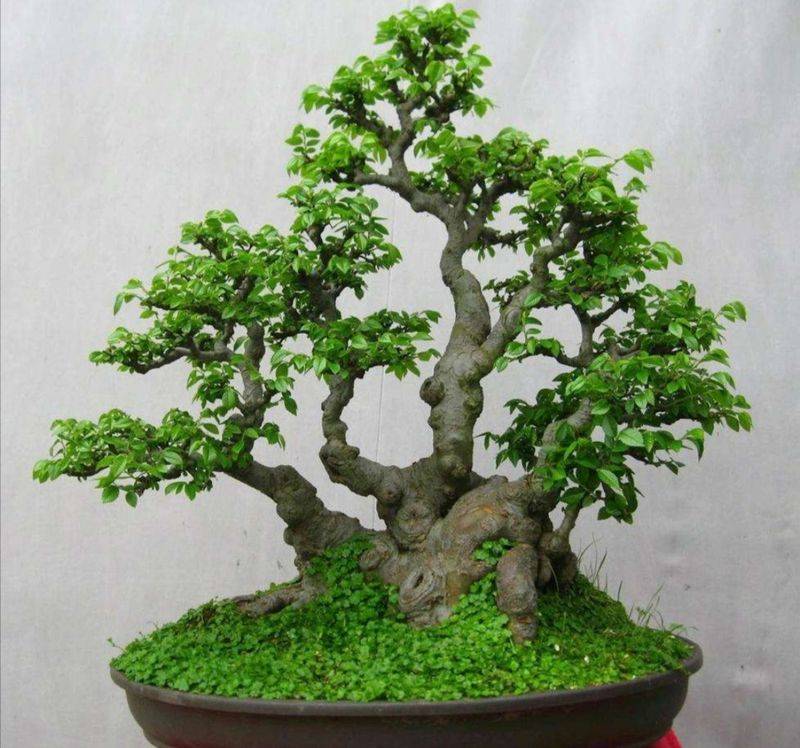
1. Mountains
Pine trees are a high-quality material for the production of basin scenes, and there are many varieties, such as black pine, five needles and so on. Among them, the mountain pines are also extremely rewarding basin-view materials, which are often common in mountainous areas. Many of the pine branches are dry and plentiful, have beautiful needle leaves, have unearthed tree positions and are often green throughout the seasons, and many of the pine viewers use pine trees as their material. When the scenery is made, it's all the same, and it's all the same。
Conservation methods
1 pines are highly resilient to the environment and are better conserved once they are alive. The conservation of pine trees does not have to be overwatered at all times. The water is to be watered after the pellets are dry, and in the summer seasons of high temperatures, it is advisable to regularly cool its leaves. During plant growth, water can be properly controlled, since reasonable water control can make the branches dry, small and more attractive。
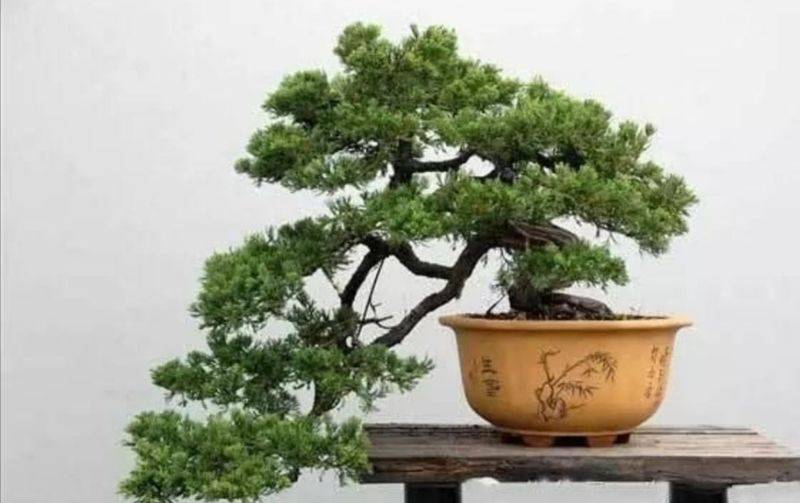
2 pines, when they live, can re-enter the basin by applying a suitable amount of bottom fat at the bottom of the basin and, during their growing up, can apply decomposition bean cake fat every half month. Controls of water fats may also be appropriate during the growth period, if construction is required, so that the branches are dry and short of needles. The pine view can normally be kept in the courtyard to the sun, allowing it to receive more sunlight and to maintain a good ventilation. For smaller pine basins, appropriate cooling should be done after summer to avoid dehydration. After winter, appropriate measures to keep warm are also required。
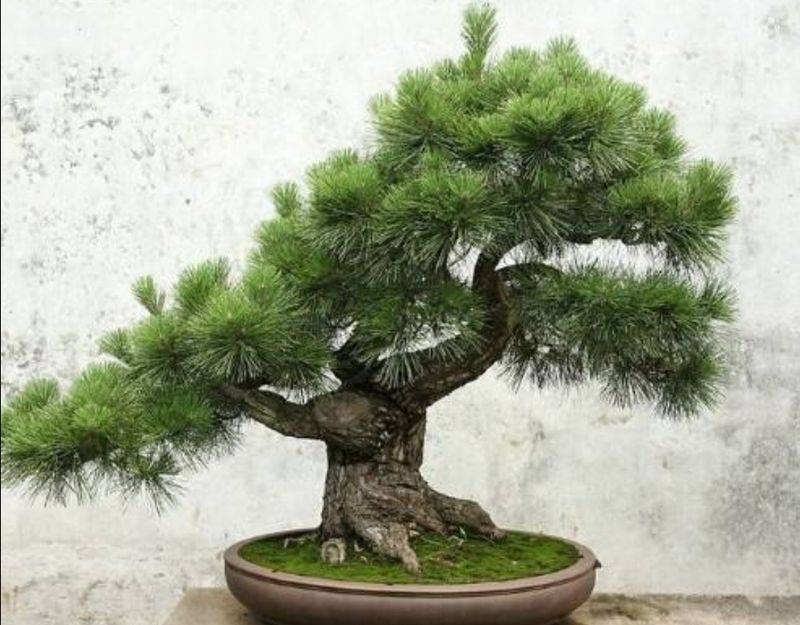
Two, three
Plumbing is a form of euphoria, which is stylish, has smaller leaves, has a small attitude, is thin, and is a type of tree commonly used to produce basin views. Since elm wounds break, which tend to eject large quantities of tree fluids, it is important to ensure that, when extracting, the roots are neat and the traumatic surface is minimized in order to prevent bacteria from entering. The growth rate can be increased by the fact that the root of the embroidery is more hydrated, the drying of the root before planting, and the decomposition of the root of the bacterium water against disease。
Conservation methods
1 the small, delicate leaves of the euphoria basin are more attractive, and if they are too large, their growth can be controlled by water control, fat control, leaf harvesting, etc. The main purpose of leaf harvesting is to reduce the size and visibility of plant leaves and to remove most of the leaves during plant growth, which will be smaller if new leaves are to grow. Then all the remaining leaves are removed and the leaves are fresh. The crumbs are removed from the buds during their growth, mainly through the crumbs, which stimulate the emergence of branches and keep the crown full。
It is highly plasticable, usually in a combination of trim and masonry, and as the branches grow faster and climb into the desired shape, the wires are removed in time to avoid strangulation of the bark and influence beauty. In addition, during growth, new branches can be removed in order to generate more branches, or they can be distorted and shaped to make them more mundane。
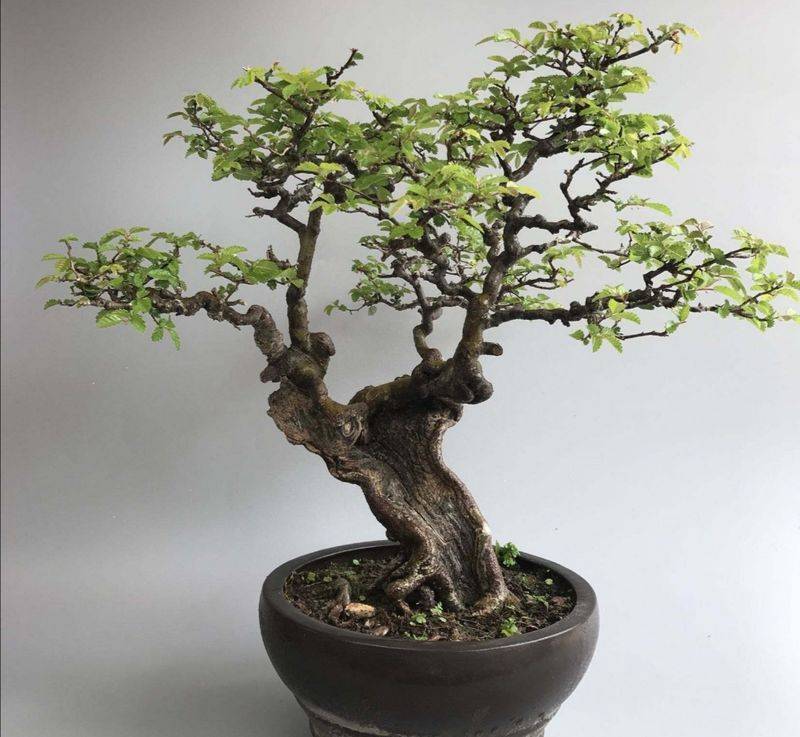
Three, wong
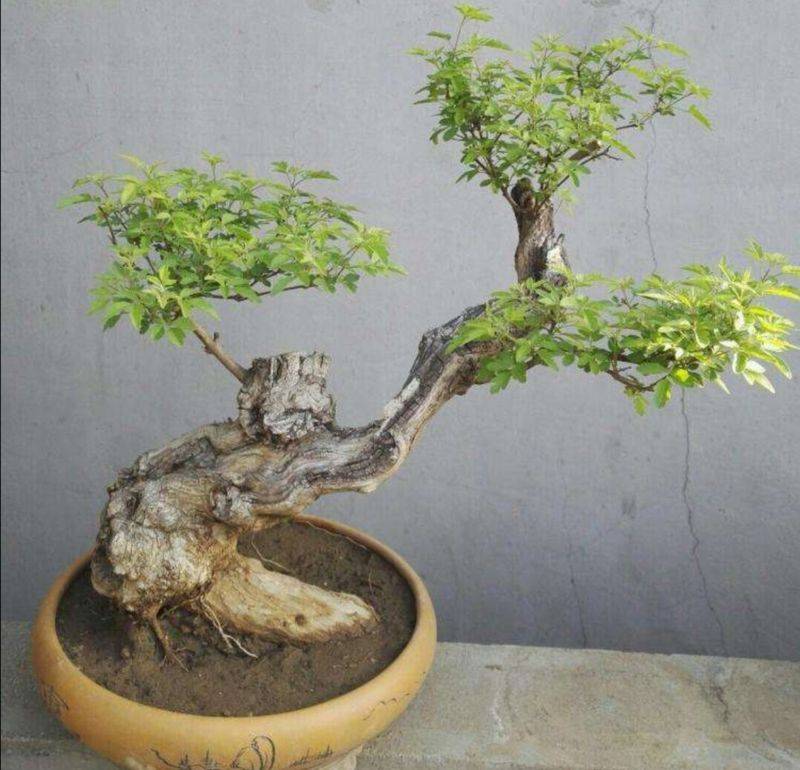
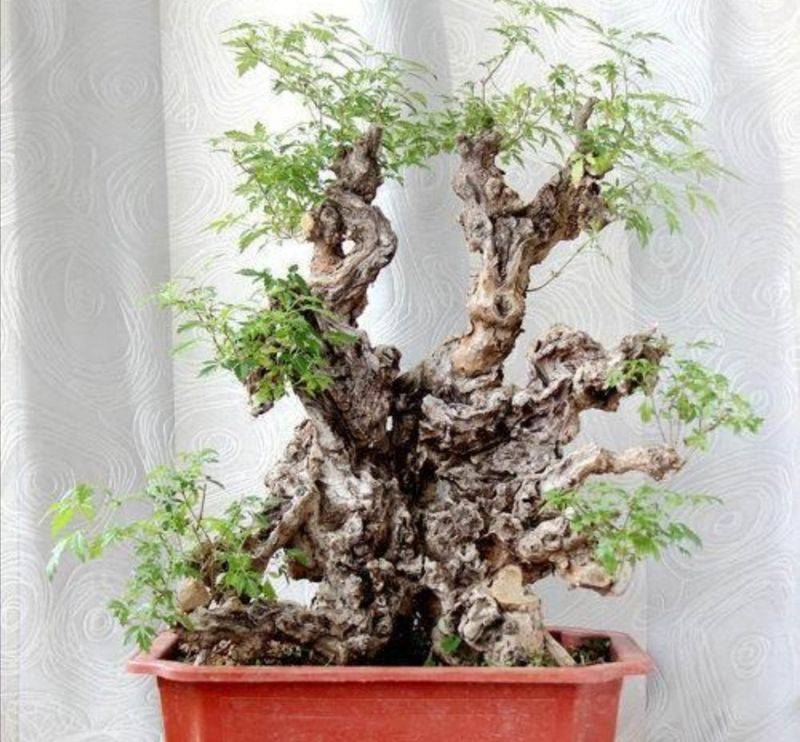
Yellow is a well-known pelvis tree, usually found in the northern mountains, with purple little flowers and fresh flowers for the spring. Since the roots of the yellow are often agglomerated and comphony with gold, they have been favored by the enthusiasts who have often been dug back to make a beautiful view. The main viewers are in the mutated roots, which generally do not require special deformation, but just a proper trimulation of the leaves to keep the crowns well balanced。
Conservation methods
1 the yellow bellow is a better growing plant, drought-resistant and infertile. The usual watering can be based on the principle of “dry and wet” and usually followed by proper water-control fattening after spring buds and trims, so that branches become shorter, leaves become smaller and the effects are seen to increase. High temperatures and heat during the summer season require an appropriate increase in the amount of water being poured and frequent cooling of the leaves to increase environmental humidity. With regard to fertilization, the demand for plant growth can be met by the application of decomposition organic fertilizers every half month or so。
The yellow bellow is an environment with sufficient light, which should be maintained during growth. Long-term lack of light can lead to long leaves, long leaves and loss of sight. Adequate sunlight should be ensured during conservation. When it enters the summer, the light is too strong to cover the shade and cool the leaves early and late。
4. Fire thorns
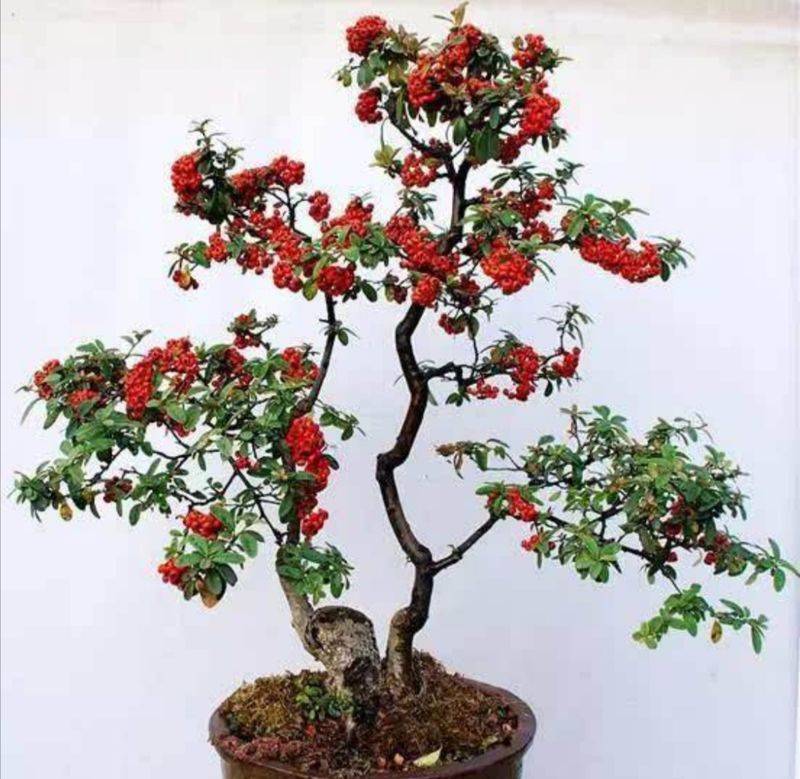
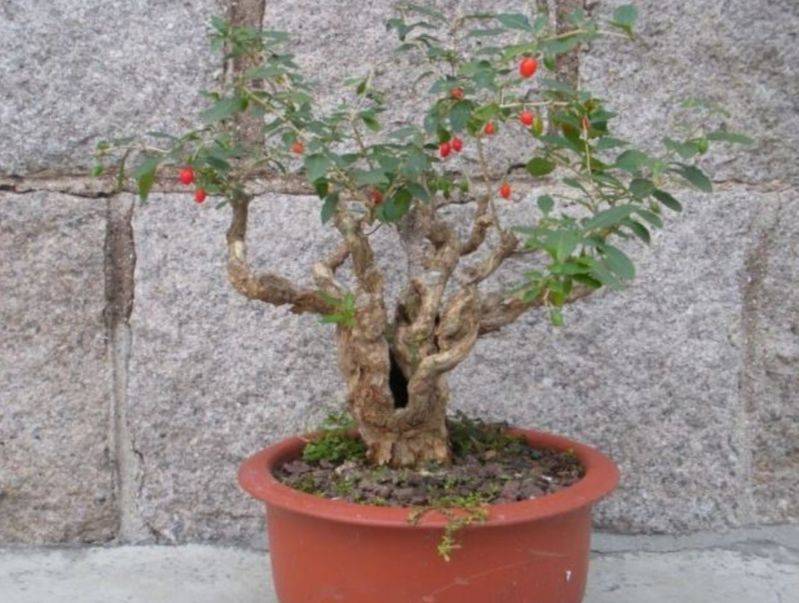
Pyramids, which are the muscular shrubs, are also one of the high-quality materials for the production of basin scenes and are more readily available and distributed in many parts of the country. The thorns of fire are highly appreciated, especially when they are full of fruit, and when they are full of fruit, they are beautiful and beautiful, they are very festive, very popular, and they are edible and rich in nutrients. It's nice to have a friend who likes to try to make a basin view with a thorn
Conservation methods
One of the thorns grows in the wild in marginal areas, but when planted in the upper basins, it is used as much as possible to produce soil that is lax, fertile, ventilated and well drained, for example, with the use of foliage soil, garden soil, sand, and then a small amount of compost。
Two of the flaring branches are growing at a fast pace and are often trimmed during their growth, otherwise they are vulnerable to loss of their original tree type. During the planting period, the branches that have grown are cut off, the long and dead branches and the sick branches are removed, and the leaves are removed in a timely manner so as to reduce nutrient consumption, increase ventilation between the leaves and maintain a good strain。
Five
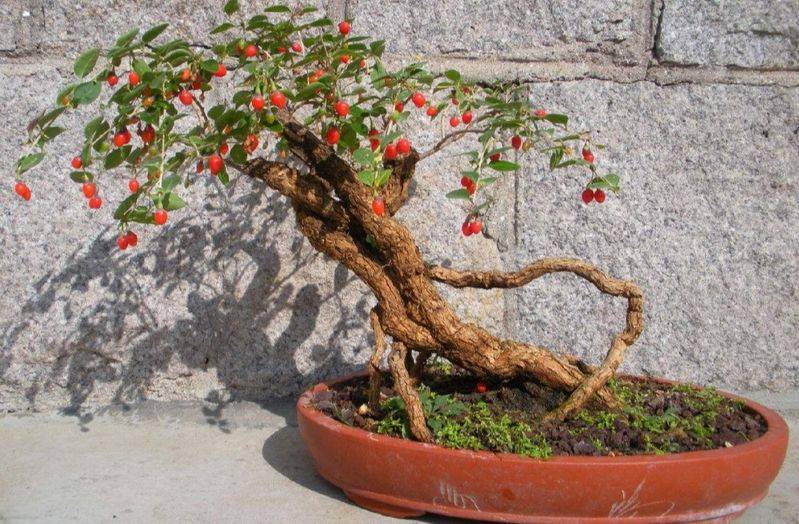
As we all know, it is of high nutritional value, and indeed, it is also of high value in the field. Many of them have grown for many years in the wild, with faulty roots, accelerants, mostly with strange roots, which, after simple processing, are made to be more attractive. And when the tree matures each year, the trees are full of fresh and beautiful twirling, and they are shaped with plentiful roots. It is truly wild and of great value。
Conservation methods
1 the adaptive capacity is strong, but to grow and produce more, it is necessary to ensure sufficient water fat and light. When water is poured on the basin, it is necessary to see the surface of the basin whiteened and watered, and to avoid the accumulation of water in the basin so as not to cause the roots to rot. When trees are formed, water irrigation is controlled, and reduced water supplies can reduce the amount of leaves and branches to aging in order to increase overall appreciation。
Plants grow indistinguishable nutrients, and fertilization is one of the important measures for the conservation of tree basins, and adequate nutrients contribute to the growth of trees. It is important to pay particular attention to the fact that fertilization is carried out with reasonable control of the concentration of fertilizers, that some corroded pie fertilized water is applied over a long period of time, and that as much as possible, fertilizers over-heavy can result in fertilizers, burns on the roots and severe atrophy。
Take care of the field stakes
1. The extraction of wild stakes for a basin view is best carried out during the two seasons of spring and autumn at a suitable temperature, at which time the upper plant can increase the rate of survival。
2. Minimize damage to the plant during the extraction of the stakes by smoothing the root cut, bringing as many earthworms as possible, and minimizing the trauma of the roots, so as to increase the rate of cultivation。
3. Newly excavated wild stakes need to be installed in a timely manner to reduce water loss. It would be preferable to plant a stake with a silhouette or pelvis before planting the roots and branches are trimmed, such as an elk tree and a pine cut. Over-leakage of liquids will seriously affect survival rates. Paints, waxes can be painted at the cut or a layer of erythrin ointment or sulfide ointment can be coated with fine sand. When planted, as much soil as possible, it should not be watered, and water should be sprayed with one or two times a day to dry the branches, and again after three or four days。
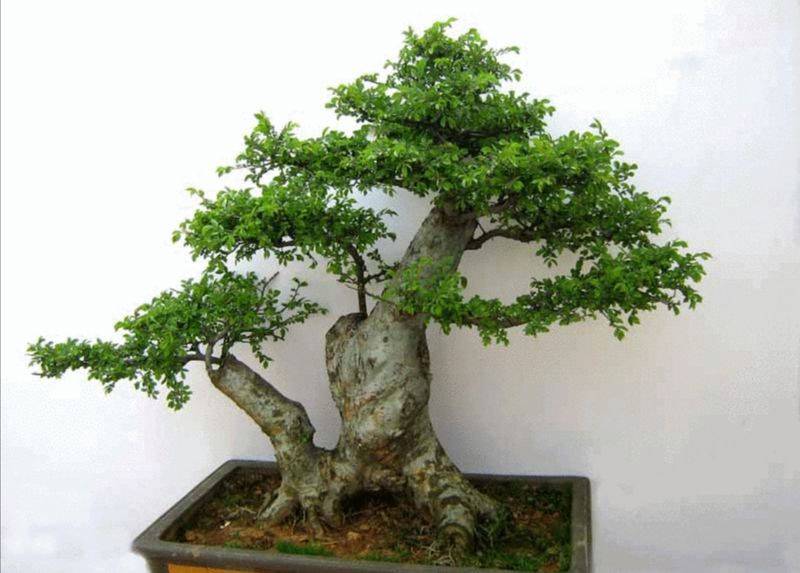
In conclusion, these five trees are high-quality materials for the production of basin scenes, and it is important to minimize the damage to roots and barks during the extraction process, as well as to support the plants as soon as possible in order to increase the rate of cultivation. Each of these trees has its different characteristics and growth habits, which require rational conservation in the later stages of conservation, based on the growth habits of different plants. Based on the different tree shapes, it is gradually transformed into a more beautiful basin-view art through the processing of various techniques。