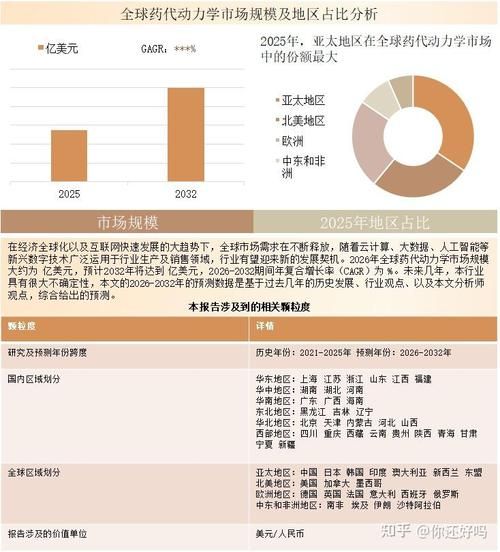
Step for bean-01
The nursery stage
Bean bean bean, this nutritious vegetable, has been hailed as a good thing to keep its stomach healthy. Because of its weak regenerative roots, live broadcasting became the main method of cultivation. Within the appropriate sprout temperature range, i. E. 25-30°c, the temperature at seeding should be above 20°c to ensure healthy bean bean growth。
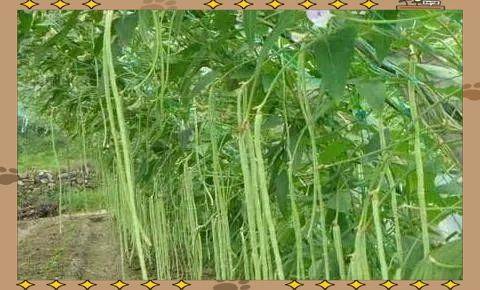
Before seeding, it is necessary to ensure that the pelvis is fully watered, with three to four seeds in each cave, then covering approximately two to three centimetres thick. Once seeds have sprouts, they should be eliminated in a timely manner to ensure that two to three healthy seedlings are kept in each den. At the time of the appearance of the three to four leafs, the seedlings were repeated, at which point only one to two units per den were retained. If the plant is to be removed, the plant can be established three to four weeks after it has sprouts, with the real leaf growing between two pieces and the first replant spreading. After planting, full water is required, and once the soy seedlings are alive, they can enter normal management. It is proposed to plant it after the frost has broken, at a time of approximately 20-25 days. Before planting, sufficient curing organic fertilizer is required in the field at an application rate of approximately 3,000 to 5,000 kg per acre, together with calcium phosphate 25 to 30 kg, grasswood ash 50 to 100 kg or potassium sulfate 10 to 20 kg. The density at the time of planting should be contained at a distance of 66 centimetres and 10-20 centimetres, with approximately 3000 to 3,500 caves per acre. During the nursery stage, two or three nursery methods can be used, which will facilitate subsequent planting。
Planting and fertilizer
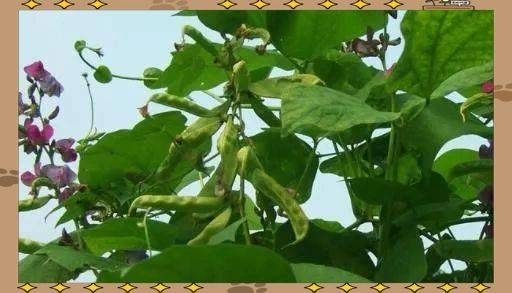
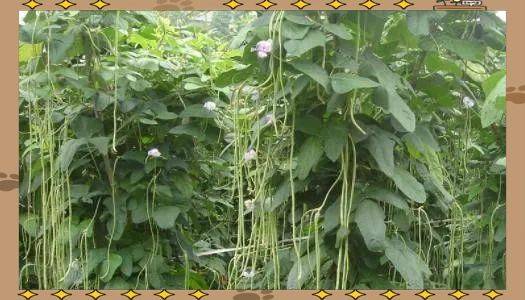
After planting, the water will need to be soaked immediately and ploughed deep for 5-8 days to promote the growth of the soybean seed system. When soybean seedlings grow up to 5 to 6 leaf leaves, a support frame should be set up, initially to pull and fix the direction of the concussion clockwise, usually at noon or afternoon in the middle of the sun. The entanglement capacity of late-stage seedlings will be enhanced without manual assistance。
With regard to fertilization, it is advisable to reduce the use of soybean seedlings in the early stages of planting, and once they are alive, they can be applied to a thinly cooked organic fertilizer. 1 fertilisation per 7-10 days from now to maturity, with attention to increasing the proportion of potassium phosphorus fertilizer. After two to three consecutive fertilizations, the soya seedlings will grow stronger。
In addition, the suitable temperature range for bean seed growing is 20-30°c, which slows growth if the temperature is below 15°c and can cause freezing if the temperature is below 5°c. At the same time, soybean seedlings have a high temperature resistance capacity and are still able to grow flowers and cones at 35°c, but their quality may be affected. The soya seedlings are more drought- and flood-resistant and therefore water should be properly controlled in the preceding period, and when about half of the bouquets on the main chickens begin to congregate, sufficient water is required to keep the soil wet。
When the main chicken grows the first bouquet, all the branches below the bouquet are removed, while the branches above the bouquet are carefully treated and only two leaves are kept in the base. When the main chicken crawls over the racks, the tops shall be taken to stimulate the buds of the lower branch. It is worth noting that the sequence is usually general, with two to five pairs of flowers, but often only one pair of beans. When the first pair of beans is removed, the second pair of buds begins to develop or to produce results. If the fat water is sufficient and properly conserved, all the flowers in the sequence are likely to placate。
In addition, soybean seedlings have a high growth rate and generally do not need to be impregnated. When breeding, the subsoil should be kept tight, with a 6-cm-heavy border, which would prevent the roots of the earth from causing damage to the herds during their transfer. When the seedlings grow a pair of real leaves, the soil can be moved to avoid the transplantation of large seedlings. If the conditions permit, a seedling may be established using either a nutrient or a den, with a capacity of two to three seedlings per crop。
With regard to planting, it is recommended that it take place after the frost break, at a time when the age of the seedling is about 20 to 25 days. Before planting, organic fertilizer should be fully applied to the field, with due regard to planting density, which is appropriate for 6 to 1 acre. After planting, the water will need to be ploughed in a timely manner, and deep-drop seedlings will be required for a period of five to eight days to promote the healthy growth of the soybean seed system. For species grown in the field, the distance after the frost break should be between 66 and 70 cm and the distance between 25 and 30 cm. When seeding takes place, the soil needs to be grounded to ensure full exposure to the seeds。