


Yellow soil is usually a soil (which may be acidic or neutral) that is more adhesive, more fertile but less ventilated and less drained. Fruit trees suitable for planting require a degree of damp resistance, clay resistance or adaptation through soil improvement. The following are some of the common fruit trees suitable for yellow soil:
I. Fruit trees suitable for the soil
Citrus (e. G. Oranges, grapefruit, oranges, lemons, etc.)
- the citrus fruit tree is highly adaptable to the soil, prefers micro-acid to neutral soil (ph 5. 5-7. 0), and the yellow soil is well drained and behaves well when ph is appropriate。
- note: water accumulation needs to be avoided and air permeability improved by planting or adding organic matter。

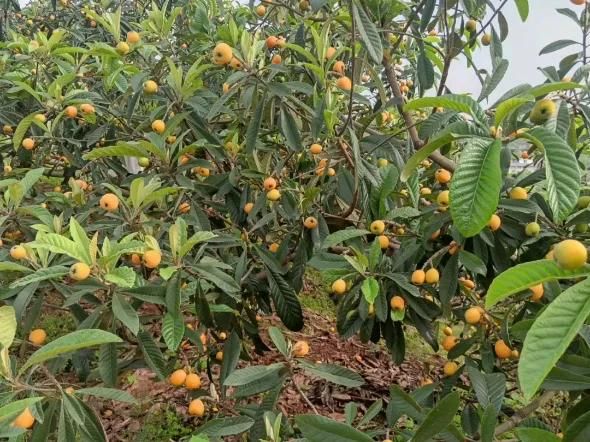
2. 枇杷
- infertile and clay-resistant soil, which is less stringent for soil and suitable for yellow soil cultivation in the south。
- note: sufficient light is required to avoid prolonged water accumulation。
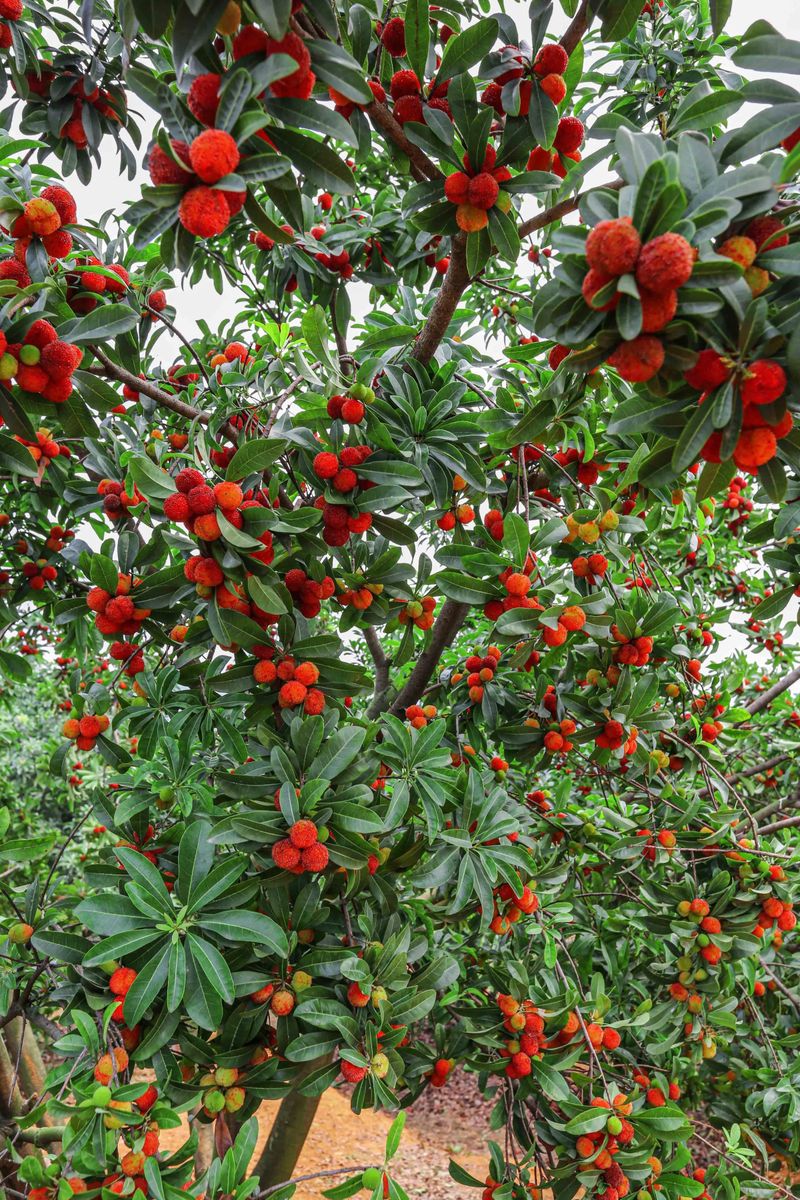
3. Yang mei
- yangmei acid soil (ph 4. 5-6. 0), which, if yellow soil is sorely acidic, is suitable and more wet-resistant。
- note that organic fertilizer needs to be replenished on a regular basis and ventilation properly repaired。
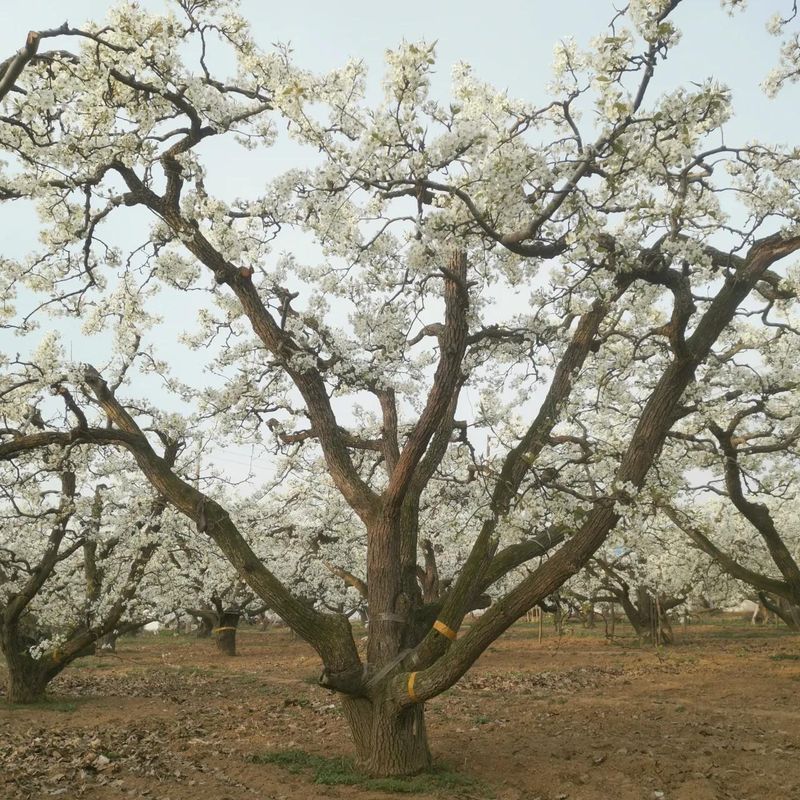
Pear trees
- pear trees are somewhat resistant to clay, are more wet and suitable for yellow soil in northern or temperate areas。
- note: choosing disease resistant varieties requires drainage during the rainy season。
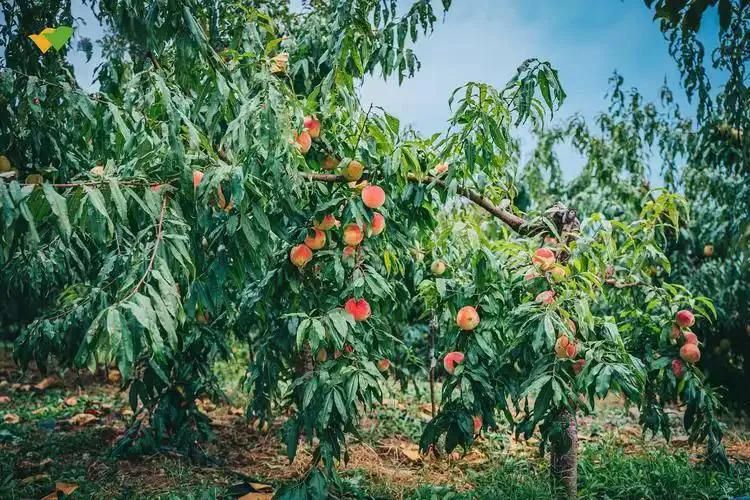
Peach trees, plum trees
- peach and lee are more adaptable to the soil but require good drainage. If the yellow soil is improved (e. G. Sanding, organic fertilizer)。
- beware: avoid low-lying water and grow better。
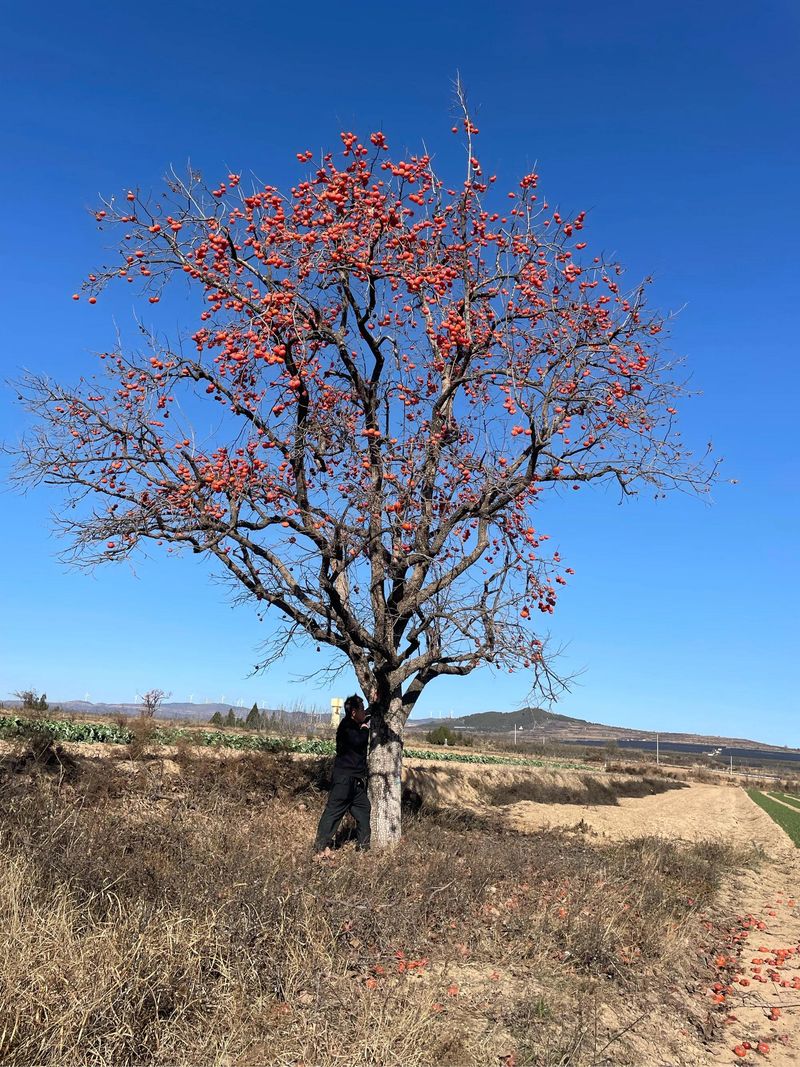
6. Tomato trees
Tomato trees are resistant to infertile and clay, with wide range of soil ph (ph 5. 0-8. 0), suitable for yellow soil in the north and south。
- note: during the larvae, water protection root is required。
7. Grapes
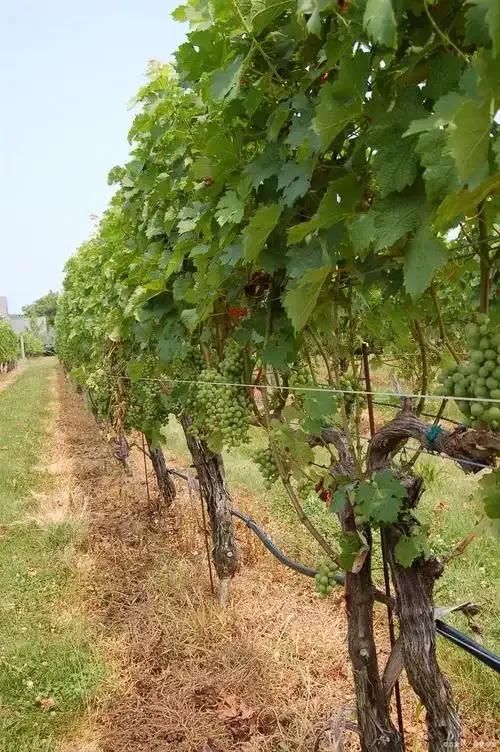
- the root of grapes is deep and can be cultivated if the soil is improved and the air is abated (e. G. By the addition of decomposition)。
Note: arranged planting is recommended, and the rainy season is timely for drainage。
8. Blueberries (for acid soil improvement)
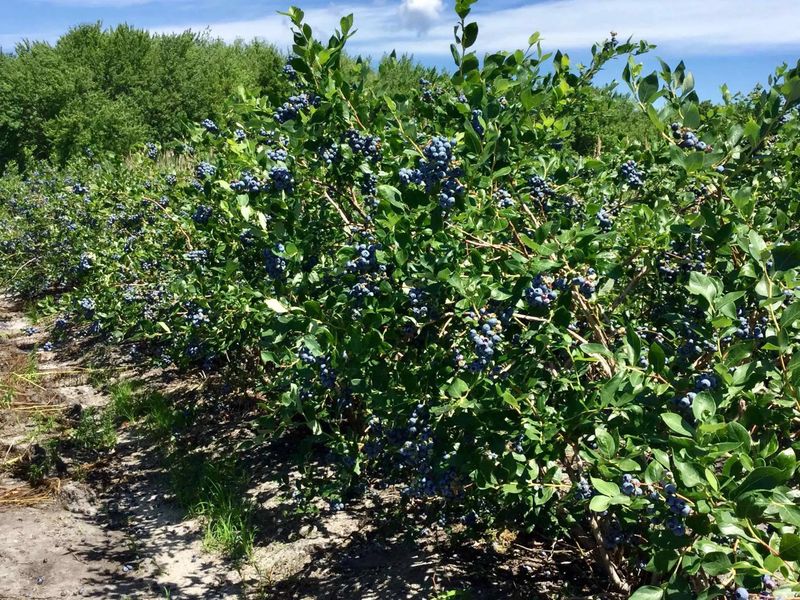
- blueberries can be grown by adding sulfur powder, pine needle soil, etc., if the yellow soil ph is low (ph 4. 5-5)。
- note: soil acidity needs to be tested on a regular basis and wet but well drained。
Ii. Recommendations for the improvement of the yellow soil
1. Increased ventilation:
- increased soil laxity by mixing with river sand, rice shells, straw, etc。
- deep tillage before planting, breaking the plate。
2. Regulating alkalinity:
- if soil is acidic (e. G., southern yellow soil), lime may be added in a suitable amount。
- in the case of the cultivation of alpine plants (e. G. Blueberries, yangmei), sulphur powder may be added or leafy soil may be reduced by ph。
3. Increased application of organic fertilizers:
- regular incorporation of compost, composting or biobacterizers from mature farmers to improve soil structure and fertility。
4. Drainage measures:
- raised or high-strength cultivation to avoid root water accumulation。
- digging drains, especially in rain-fed areas。



