


Every spring, there are lots of land in the village, soybean seedlings and soybeans are dissatisfied and the master looks at the pain。
And you might wonder, "why is it so old when you do it like you used to say, "clean before and after, grow beans?"
To be honest, a lot of people cut down on soybeans, either because fertilizer didn't keep up or because they couldn't do it, and they fell on two words — early。
Don't believe it. It's not like the soybeans thing is, "who makes a lot more money first"。
Sometimes, a week later, hundreds of pounds more are collected, and many old farmers have tested it with sweat。
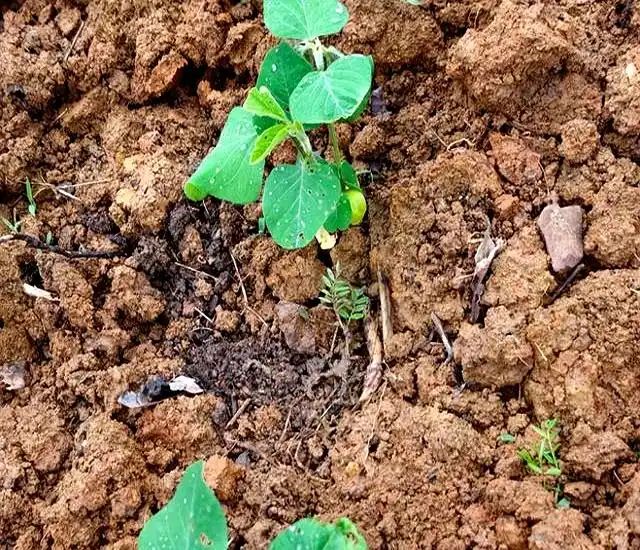
Let's get this straight: soybeans, the one with the biggest temper of all the spring-breed crops。
It's not like wheat, it can sprouts in cold spots; it's not like corn, it's barely working。
Soybeans, when the temperature is low, the seeds are in the ground as if they were lying flat -- they don't germinate, they don't grow root, they just slowly consume themselves。
I had an older brother who had been growing beans for 30 years, who was anxious the previous year, watching the weather in early april, and had dozens of acres。
And
Seven or eight days, nothing。
There were two cold rains in the back, and when the heat came, he had a real "fresh salad" in his home: some of the seeds just burst, and some of them barely took two leaves, yellow and not strong。
That year, he looked next door at the land he planted 10 days later, and the beans were all green and his face was sore。
It's early, it's early defeat。
As long as the temperature is not stable in a suitable zone, you're risking a lot of luck。
You win the bet, you lose the bet, you go in the whole land。
So the question is: what do the soybeans really pick
Beans sprouts, at least they're warmer than your hands。
Most of the time, the temperature is stable at about 15 degrees before seeds are willing to work seriously。
If the temperature doesn't reach, they'll lie still and you won't be able to hurry。
Think about the days of early spring, it's nice to have the sun in the day, and it's like a freezer at night。
At this point in time, it would be like throwing a bunch of good seeds into a “cooler” and counting on them to grow at speed
Even worse, early spring rain is not much of an eye。
In a cold rain, the soil becomes wet and the seeds are in the cold mud, and there are two paths: either they can't germinate, they can rot; or they can barely produce seedlings, with short roots, stalks, leaves and yellows, and then they can't get fat back。
A lot of people come to this point and say, "why don't i just spread more seeds
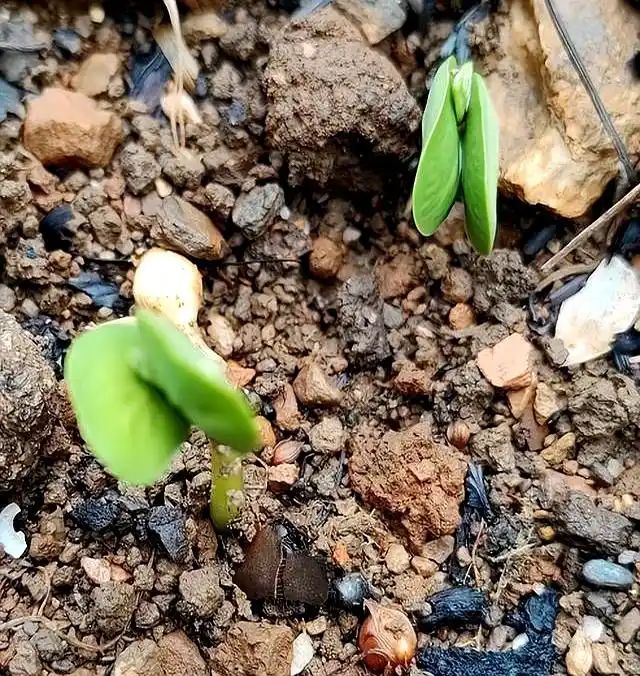
It's hard to say. It's a money pit。
The seedlings are weak, they can't keep up with the flowers in the later stages。
Specifically, this “gold time period” is different, so no national timetable is allowed。
In the cold north-east, the thaw is slow, the temperature is slow, and the field is waiting for the temperature to cool。
In general, it is easier to do it between late april and mid-may, until the surface temperature rises。
Some of the medium- and late-lated varieties, which are not very problematic in the middle of may, are barely available until mid-june, but have to be in the heart — yield will be reduced and the full capacity of the beans will be difficult to fill。
It's not the same in the middle north and the yellow cay sea, where a lot of soybeans come from "sweet wheat."。
The best way to do this is to plant the wheat as soon as it is collected, in mid-june or so。
Too much of the time is not right, and it's just in time for the flower to bloom in three volts, and it's too bad when it's sprung by the heat, the flowers fall, the tatters fall, and it's very bad; it's too hard to push back, more than 25 june, when the drum period is prone to “frozen” before the beans are fully filled。
The south is becoming more rhythmy, with spring and summer seasons。
The spring broadcast was to be held in mid-march until early april, and the summer broadcast generally lasted from mid-may to june。
The problem in the south is not cold, it's “watery”: heavy rainfall, poor drainage, soybean root suffocated in water for days, roots black, decayed, and plants were cut in size。
So we grow soybeans in the south, who's good at the ditch and who's laughing at the back。
One would ask, "can we save it if we put more weight on the back and more medicine?"
To be honest, the soybeans, the crop, was almost ready for the baby season, but it was difficult to make up for the “deficit” of the previous period when it came to flowering and garbing。
There's a detail that many people ignore: when the soybeans come out, it's like two leaves that go up the top。
If you're so deep, it's cold and heavy, it's gonna take a lot of effort to make a difference。
If they don't, they'll turn into a ludicrous “smash”, thin and yellow, and even suffocate in the ground。
In another case, the spring is too early for planting, the organic matter in the soil is slowly decomposition, the nutrient release is inadequate and the seedlings are not fully fed at first。
The first period was slow, and when the flowers rose in the back, the plant was weak as a whole, the flowers did not bloom, and the rates were low。
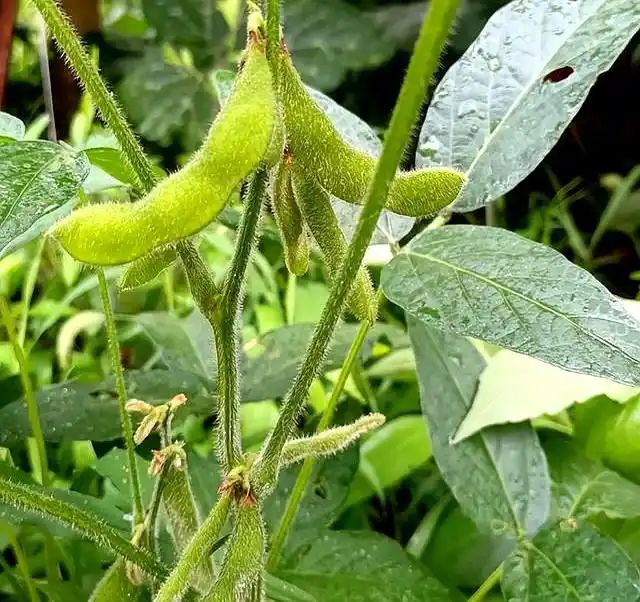
The critical period that really determines the abundance of bean grains is actually the period between flowering and sour。
If you're too early to get this stage stuck in the steam cage in august, then wait for it。
The most scary thing about soybeans is high temperatures, and once the temperature in the field is around 35 degrees, one flower falls, and the already sitting tumbles easily dry and yellow。
This kind of “hot flower, fall,” many people look at it。
So if we do it later, is it absolutely safe
Not really。
It's too late to see everything go well, and the climate is “suspensed” until the slurry period is delayed, the day is short, the temperature falls, the beans are ready to fill the seeds。
The frosting, the sudden aging of the leaves, the nutrient pulls, the failure of the seed drums, the retrieving of the sift, all of them dirty, inexhaustible and a direct breakdown of mind。
That's the logic of the old farmer's saying, "the bean is too late."。
And how do you go about it in the first few days。
Speaking of which, one might say, simply follow the instructions: when the temperature is right to play again, the time is over
It's not that simple。
Apart from "when and how to grow," there's a doorway for "how to grow" that's all a penny in the field。
One that can easily be ignored is cropping and soaking。
The soybeans prefer the "lighter" seeding。
In general, around three to five centimetres, seeds have access to both moisture and sufficient oxygen to grow fast, full and strong。
And you turn it down to seven or eight centimetres, and all the questions that are said are for you: it's low, it's slow, it's hard, it's hard。
Say density again。
Many people are afraid of being short of seed and want to be as dense as seeds。
As a result, the tops are tightly covered and the bottom is sorely ventilated that the beans are dissatisfied。
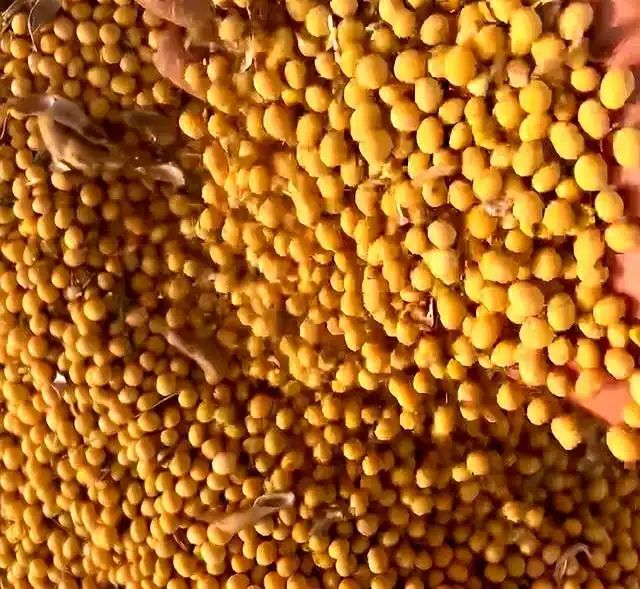
The more reliable approach is to control an acre in this zone of 15,000 to 18,000。
It's rare, it's empty, it's not productive; it's too dense, it's too big, it's too big, it's too big。
This balance is really a touch。
There's another key point that can easily be ignored: the flowering “eat and drink”。
A lot of people had once-in-a-time defecation at the time of planting, and the back was loose; it was only a few days after the flowering that the ground was dried up into bread slags, leaves fell down and flowers were swung。
In fact, soybeans are the most in need of care when they're going to bloom and just sit in the barn。
This node, it can't be too dry。
If you have the conditions, water, soil moisture, the whole spirit is different。
A little phosphorous, potassium-coated leaf spray, with a small nitrogen source, and a more stable seat for the beans and a more full seed。
Many old growers now attach importance to this chain, which is almost “pre- and post-optimal” with visible differences in production。
Deep down, the soybeans have an easy-to-neglected “temporal”: they particularly hate being planted on the same land for years。
You have to plant soybeans in the same field for three years, and not only do the soil stale, but the more the disease accumulates, the thicker some of the harmful substances become, the more the roots fall。
And by the third year, you can clearly feel it, even though you're fat, with short, short roots, leaves, and soybeans。
Experienced growers are silent: soybeans have to learn to “go round”。
This year, beans will be replaced with corn, wheat or other herbal crops。
As a result of this rotation, the earth's bacteria are pressed down, the soil structure is alive, the beans are replanted, not only more resistant to disease, but also less fertilizer use, and the root tumor has its own “nitrogen fertilizer plant”。
Speaking of which, you can go through your own accounts: are you old soybeans
Is it a little deep
Isn't the flowers too serious
Hasn't it been a few years
It's true that many of the reduced pots are in these little details。
What are you gonna do this year
Following the neighbors to see who's going to grow first, or do you want to suffocate the earth and give your soybeans a “stable and steady”
You're welcome to say in the comment section, "how many days do you usually pick and how many times do you step on?"



