


Water orchids are used to plant orchids in water without soil. The following are the best conservation methods for water orchids:
1. Water quality selection: water preparation using pure piped or filtered water. Avoid the use of water containing chlorine or other chemical substances which may have a negative impact on orchid growth。
2. Choice of orchid strains: orchids suitable for water include manshin, phoenix, etc. In selecting orchids, healthy, pest-free plants are selected to improve the success rate of water use。
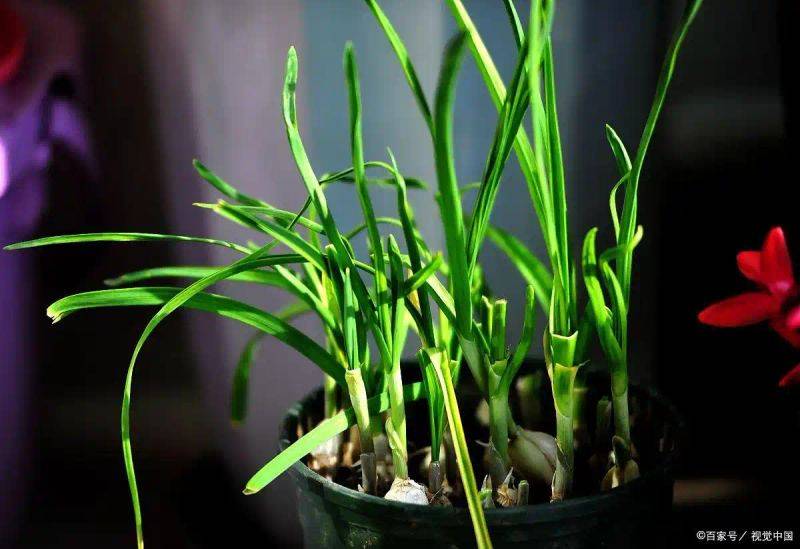
3. Hydraulic packagings: select transparent packagings such as glass bottles, glass tanks or transparent plastic tanks as hydroponic packagings. Ensure that the packaging is sufficiently large for orchid root to grow。
Positioning: place the water orchids in an indoor bright spot while avoiding direct sunlight. Orchids require appropriate light, but too much sunlight can damage leaves。
Water level control: at the outset, the orchid stands are placed in the container, so that the water is immersed in the root. Over time, the level of water will be stabilized and the orchids will not be dried or oversimmered. The water level is checked once a week and pure water supplements are added in due course。
6. Nutrient recharge: water orchids usually do not require additional nutrient recharge, as the water already contains some trace elements. If supplementary nutrients are needed, a small sample of liquid fertilizers can be added to pure water, once a month。
7. Water quality replacement: water is replaced every two to three weeks in order to keep water quality clean and avoid excessive accumulation of salinity and the effects of bacteria on orchids。
8. Root management: periodic check of the state of the orchid system and, in case of decay or blackout, cut it immediately and replace clean water。
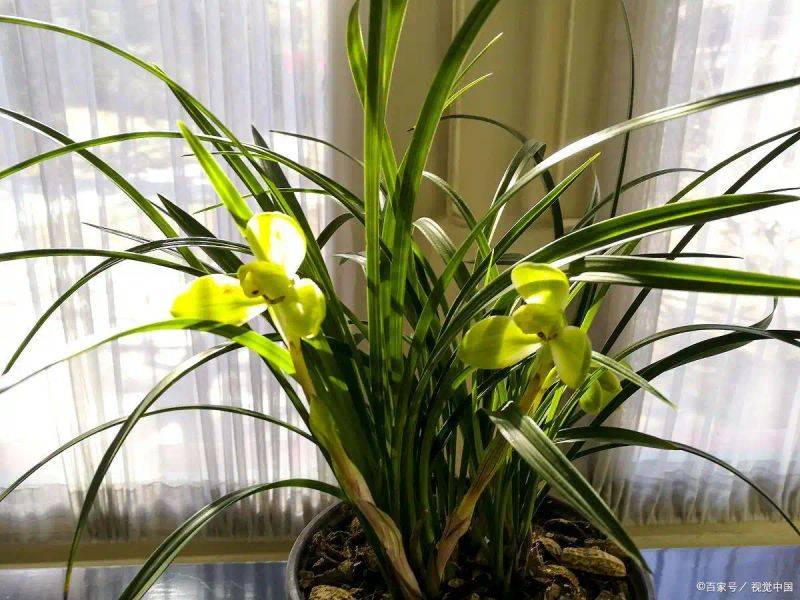
9. Attention to humidity: water orchids require appropriate humidity. If the environmental humidity is low, measures may be taken to increase the humidity, such as placing wet pallets or humidifiers next to hydroponic containers。
It is important to note that not all orchid varieties are suitable for water consumption and that some orchid varieties are less adaptable to the water environment, so it would be useful to know the characteristics and adaptability of the plants that are being farmed before being bred。
In general, water orchids need to maintain appropriate water quality, light and humidity, and to regularly examine the health of root systems. Following the above-mentioned guidelines for conservation can help orchids grow well and bloom in water。



