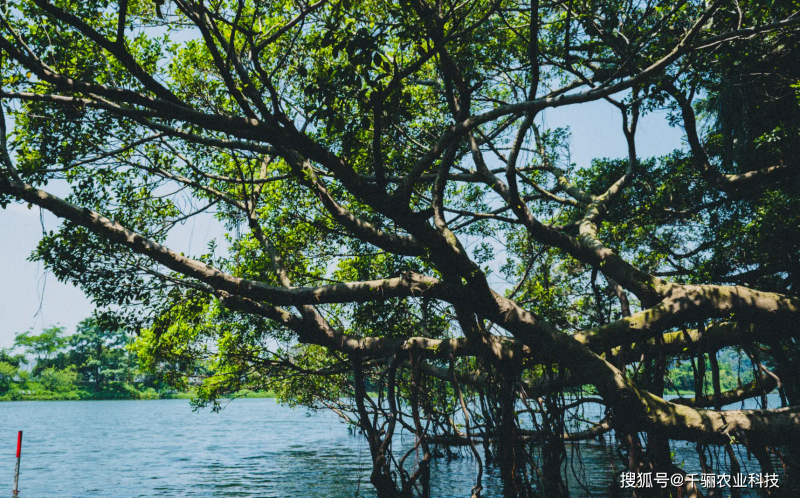
The tree, which is a miracle of life that can be found in a single forest, has become an ecological map and cultural symbol of the subtropical subtropical region, with its roots, the canopy of the sun and its resilience. From an ancient basin of view to a rejuvenated landscape of trees, the twilight trees, in a thousand gestures, speak of the great power of nature and the end of time. Agricultural methods and care of pyret trees

I. Recognizing the king of the green: a basic archive of the trees
Ficusspp., which belongs to sankoh, is a large and diverse family that contains nearly a thousand plants. Common types and habits are as follows:
Common categories:
F. Benjamina: screeched leaves, well-established gas, common indoor pellets and walk trees。
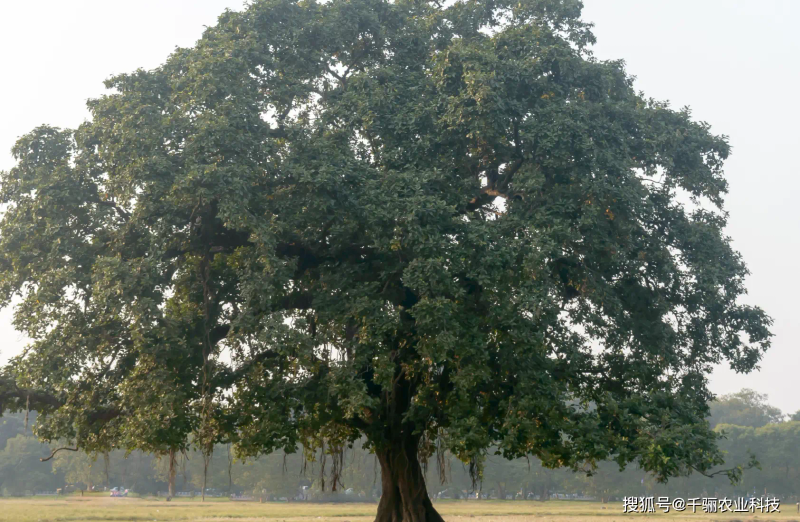
F. Altissima: the tree is so tall and stubble that it is an excellent shade and ecological tree。
Indian zirconium/rubber tree (f. Elastica): the leaves are thick, bright and diverse (e. G., black and gold diamonds, flower rubber trees) and are popular leaf-watching plants。
F. Microcarpa: life is extremely powerful, and it is easy to form a “tree-to-forest” wonder, often in greening cities in the south。
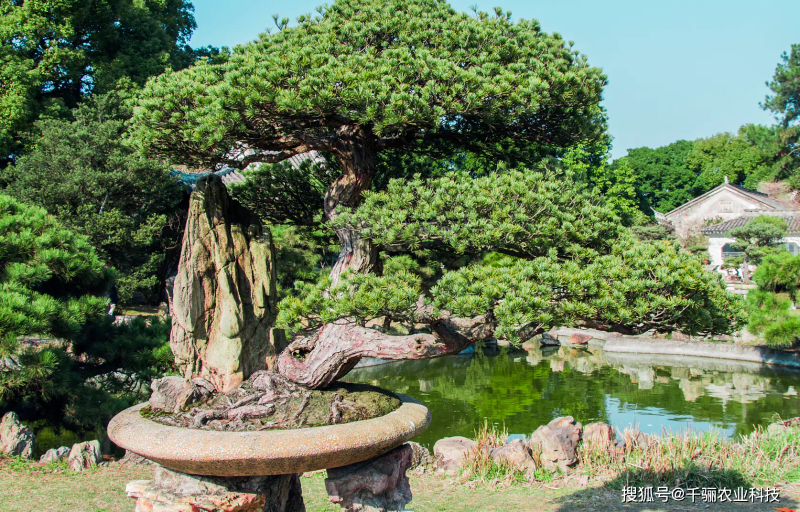
F. Microcarpa `ginseng': roots grow like ginseng and branches are compact and popular basin-view material。
Growth:
Temperature: warmly, growing 20-30°c. Most varieties are cold-resistant and require more than 5-10°c over the winter season (the cold-resistant varieties, e. G., small leaves, are short-lived at 0°c)。
Light: there is plenty of sunshine, and most varieties are also half-vaginal (indoor light is required). The light is not long enough, the leaves are dark。
Humidity: the wetting environment, which is more wet and slightly drought-resistant (long-term accumulation of water)。
Soils: resilient, but well-treated, fertile, well-drained micro-acid to neutral sandy border。
Ecological values:
Air purification: leaf is effective in adsorbing dust, absorbing harmful gases such as formaldehyde and benzene。
Carbon sequestration oxygen: large tree crownlight cooperation is efficient。
Soil and water conservation: the developed root systems (especially ground and gas) can stabilize the soil and reduce soil erosion。
Biodiversity: concealed hyenas (polymers) are an important source of food for many birds and insects and form a unique “poacher-poacher” symbiotic system。
Microclimate regulation: thick tree crowns provide large shades, lower surface temperatures and increase air moisture。
Building foundations: scientific farming methods
To build an ideal home for the trees:
Site selection and soil preparation:
Environmental requirements:
Ground planting: choosing a position where there is plenty of sunlight (or half-day light), protection from strong winds, open space (considering the future expansion of large tree crowns and root systems, at least 5-10 metres away from the foundations of construction。
(b) plantation: placed on a south, east, west balcony or window side to ensure sufficient light。
Soil selection and improvement:
(c) ground planting: deep-sliding of the soil and the incorporation of large amounts of decomposed organic fertilizers (composed, fertilized) and river sand/pearstone for improved drainage. The clay would require large pits to be dug for improved soil。
• plantation: use of high-quality nutrient soil with ablaze. Recommended formulation: frust/peat + ground + rough sand / pearl rock (approx. 3:21). Enhanced drainage by pottery or shredding。
B. Plantation methods:
Cultivation time: the best is spring (at temperatures above 15°c) or fall (in warm southern areas)。
Plantation depth and spacing:
Planting: digging holes is one lap bigger than earthballs/roots. Plantation depths are suitable for the level or slightly higher (waterproof) of the soil. Large piping trees are at least 8-10 metres apart。
Plantation: select the flower pot number one larger than the original basin. At the top of the basin, the root neck (the boundary between the stem and the root) was slightly higher than the soil surface。
C. Water supply management:
Optimal frequency: the “dry and wet” principle is followed. The surface soil is drained to 2-3 cm (finger detection) and water is poured through until excess water flows from the bottom of the pelvis (the ground plant is full)。
Skills:
The spring and summer boom season is characterized by heavy demand for water and increased diligence; the frequency is reduced after winter and fall。
Avoiding long-term accumulation of water (bad roots) or prolonged drought (leaf fall)。
Heated and wet environments, during dry season, can be wetted by air spray on and around the leaves (especially indoor pellets)。
D. Fertilizer management
Type:
Prolonged (spring and summer): mainly based on a balanced combination of potassium nitrogen phosphorus or exclusive fertilizer for leaf-watching plants。
Stimulation/stimulation: obsolete decomposition of thin organic fertilizers (e. G., bean pie, fish intestine)。
Battery view/formation tree: a proper increase in the potassium fertilizer applied to phosphorus (e. G. Potassium phosphate) makes the branch dry。
Methodology and timing:
Fertilizers are applied every two to four weeks during the boom season (at a specified level of halving) or slow decomposition (at a specified level)。
Avoiding high temperatures and severe colds: suspension of fertilization at temperatures above 32°c or below 15°c。
Before applying fertilizers, water should be poured: burn the roots. The next day after fertilization can be “backwater”。
E. Application of biological agents:
Use:
Geokine (complex molasses)
Benefits:
Strong root disease prevention: significant promotion of root system development and increased nutrient absorption efficiency (in particular phosphorus); suppression of endemic diseases such as root corruption and deadness。
Improvement of soil: increase of microbial communities, decomposition of organic matter, improvement of the particle structure of the soil, mitigation of compaction。
Increased resilience: increased resilience of plants to drought, cold and high temperatures。
Safe and environmentally friendly: reducing the use of chemical fertilizers and pesticides。
F. Light and temperature control:
Light: provide as much light as possible. Indoor pellets need to be placed in the brightest spot (the best in the south) to avoid strong sunburning leaves in the summer. When the light is not enough, it is easy to fall and grow。
Temperature:
Suitable range: 20-30°c flourishes。
Winter: insufferable varieties need to be moved indoors before the frost, at more than 10°c, with adequate light and control of water loss. Cold-resistant varieties (e. G., piping) are properly protected against the neck。
Iii. Caring in the morning and in the morning: daily maintenance
I'm not sure what i'm talking about
A. Shearing and modelling:
Time: best done before spring or during boom (early spring and early summer). It's not like we're going to have to do this in the winter and summer。
Methodology:
Routine trimming: cutting of dead branches, sick branches, weak branches, cross branches, internal branches. Shorter than long branches to push side branches and to keep trees tight。
Shaping (basket view/green fence): in accordance with the design intent, the branches are guided by repeated trimmed and twitching (aluminium line/blanc). The twig tree is resistant to cutting and the wound heals quickly。
Gas root formation: unique air root landscapes can be shaped through guidance (stomosis), marriage, etc。
N. B.: tool disinfection; big wound smearer; avoidance of one-time overheating。
B. Disease and pest control:
Common diseases:
Leaf spots/anthrax: there are brown spots or clots in the leaves. Treatment: timely removal of sick leaves and enhanced ventilation; application of fungicides such as dyson manganese zinc, methyl tobuzin or ester。
Coal pollution: the leaves cover black ash-like cortex, mostly induced by aphids and shellworms. Treatment: first insect treatment, then fumigation of the leaves with soft cloth and soap, with fungicide spray in serious cases。
Root decomposition: prevention is the key. Soil drainage is guaranteed and water accumulation is avoided. Incidence: debatable decomposition of decomposition root and desterination (ap/msm) followed by new replanting。
Common pests:
Shellworms/powder: adsorption of leaf sorbent and induction of coal pollution. Treatment: small quantities of toothpicks or alcohol cotton tags scraped; large quantities of esters, aphids or mineral oils (e. G. Green。
Red spider: leaf-backed web sorbent at high temperatures and dry, with yellow and white dots for leaves lost green. Treatment: increased humidity, water washing of the back of the leaf; application of benzophthalate, acetate or bitter alkali。
Riviera: the curvature of the green leaves, with a scar. Treatment: blueboarded; sprayed with ethylidobicides, aphids, etc。
C. Leaf cleaning and maintenance:
Cleaning methods: scratch the head and back of the leaf with soft, wet cotton cloth or sponges on a regular basis to remove dust. For larger plants, the leaves can be polished using mild soap water (later washed with water) or diluted beer (1:10)。
Protection measures:
Avoid the use of oily lighting to plug gas holes。
Cleaning should take place in clear weather to ensure that leaves are dry quickly。
Watch the back of the leaves and find the pests in time。
Iv. Guidance on pit avoidance: key concerns
A. Common growth problems:
Root (most prominent):
Ground-planting: the root system (especially the gas) is highly developed and aggressive and must be cultivated far from the foundations of the house (>10 metres), underground pipelines, roads (>5 metres), otherwise it could cause serious damage! The plant is subject to periodic inspection to prevent congestion of the roots through the walls or drains。
Battery of soil: the most common cause of death! Strictly following the “dry and wet” watering principle, ensuring that the soil and containers are completely drained。
Slow growth: possible causes: insufficient light, low temperature, chronic shortage of fertilizers, soil sheeting, limited roots (plants not changed), infestation of pests and diseases。
Impact of seasonal changes:
Spring: in the bud, there is a need for sufficient light and water fattening to guard against the cold。
Summer: during the boom season, the demand for water increased significantly, with attention to sun-proofing (especially pellets), storm-proofing water, high levels of pests (red spider, ribbon)。
Autumn: gradual reduction of water fertilization and preparation for winter. The south can be properly trimmed。
Winter: the core is cold-proof. Cold-resistant varieties need to be warmed (indoor/greenhouse). Control the water out of weight and keep the soil wet. Give as much light as possible。
C. Environmental resilience: the aloes are highly adaptable in general, but large areas of leaves fall (responsible) are prone to rapid changes in the environment (e. G., strong and weak light, steep temperatures, frequent movement). The environment should be as stable as possible, and change needed to be gradual. Do not overwater the leaves, keep warm and scatter light until they are restored。
V. Enough: the way of reduction
Retain green:
A. Penetration (most commonly used, easily successful):
Time: spring to early summer (may-july), best temperature 20-28°c。
Methodology:
Selection of 1 - 2-year-old semi-timber stubs, cutting of 10 - 15 cm long slots, and preservation of 2 - 3 leafs on the top (halfly reduced evaporation)。
At the lower end, the cut is near the nodal, and the root powder (e. G. Naa) can be used。
The depth of the insertion of wet leeches, pearl rock or sandy soil is approximately 1/3-1/2。
Cover membranes or put in a moist cover to maintain a high humidity and warm dispersive light environment。
Some 1-2 months have taken root. After rooting, gradually ventilated and replanted。
Note: keep the medium wet and dry; avoid strong light。
B. Bridging (mostly in pottery or improved varieties):
Type: common branches (cutting, cracking) or dependencies (high rate of activity, especially suitable for swarms)。
Skills:
The logs and the ears select the kind of relative and strong (like a species or near-margin)。
Operation is fast and accurate, forming layers。
Tie tight and interface wet (packs/paint wax)。
Time is good when the fluid flows in spring. You can depend on it during the growing season。
C. Seed reproduction (less used, more used in breeding):
Collecting and processing: collecting full-fledged berries (hidden hysteria), scraping small seeds and drying them. Seeds are short-lived and can be picked up and properly refrigerated。
Seeding: in the spring. Seeds are sown on loosely wet seedlings, without soil or a thin layer of sand. Cover membranes or glass to keep them wet and in the heat (around 25°c) under dispersing light. Keep the medium wet. The gestation is long and uneven。
Green space: applications and beautification
The tree is the natural treasure of the landscape:
A. Horticulture applications:
Large shades: high mountains, small leaves, etc., provide vast shades and create ecological gardens。
Walking trees and park trees: resistant shears, resistant species (note root control。
Indoor leaf-watching plants: leaf-leaved, rubber-coated, ginseng, purified air, beautified home-based premises。
Battery-based art: leaf and ginseng are excellent basin-based materials, showing natural microcosms through such techniques as trimping, tizzling and tiganization。
Green fences and configurations: stereogenic varieties can shape geometry or green walls。
B. Landscape design values
Visual focus: unique roots of air, roots, large tree canopy itself are rocking landscapes。
Space shaping: a dense tree canopy divides space, providing a sense of privacy or direction。
Eco-connection: as a “key species” attracts bird insects and increases biodiversity。
Cultural vehicle: the ancient tree is often the spiritual landmark of villages and temples, carrying historical memory。
C. Environmental benefits: as mentioned above, its powerful functions of air purification, carbon sequestration, regulating temperature and humidity, noise reduction, soil conservation, etc., make it an indispensable “green lung” for urban ecological construction。
Vii. Conclusion: growing with the tree of life
The key to the successful cultivation of the pyrotechnic tree lies in a deep understanding of its core habits of euphoria, cold fear, water scarcity and conservation around the lifeline of the roots of health — the provision of abating soil, scientific water management, sound spatial planning (especially planting!). Responsively adapted to seasonal changes and patiently responding to potential stressors (e. G. Falling leaves)。
Outlook:
With the spread of eco-cities and healthy habitat concepts, the value of the application of the tree will be highlighted:
Eco-priority: increased focus on the selection of locally viable species to maximize their ecological benefits。
Wisdom conservation: sensors monitor soil moisture, light and applications of intelligent irrigation systems。
Quality innovation: the development of new varieties that are more resistant to cold, disease, strains or leaves。
Cultural heritage: the preservation of the ancient cyanide and the promotion of the art of the cyanide basin, which perpetuates the dialogue between nature and humanity。
The planting of an oak tree is the planting of a shade, a tenacity, a long life with nature. Whether you have a large courtyard or just one balconies, you can find your own green space in the legend of the forest. Act now, and let this green giant breathe life into life and eternal peace。