Every year, when i harvest corn, many people say, "why do i grow lots of land, put on fertilizers and water, others have corn sticks that are so big and full of grains, and one acre is so light and loose, and my corn is bald, empty poles, seed grains are so thin that production is so small?"
It's not like we grow corn, we eat from heaven, we grow from luck
Most of the agricultural households are not well off, either on the ground or in the weather, and are not well managed。
Many people have spent their lives with old experience, when they do what they should, when they should not do what they need to do, when they waste their power, their money, their energy, and when they lose their production。
Corn wants to be high-yielding, and there's no genre, it's a standardized, ground-based scientific management process。
Each step involves well-defined, skilled and safe pits, from the pre-planted range to the medium-term planting, water fattening, fertilizer control, and late harvest。
Today, i've shared my ten-year-old high-yielding corn-planting programme, full-blown words, no options, no goods, no home, no weather, steady annual production and more production
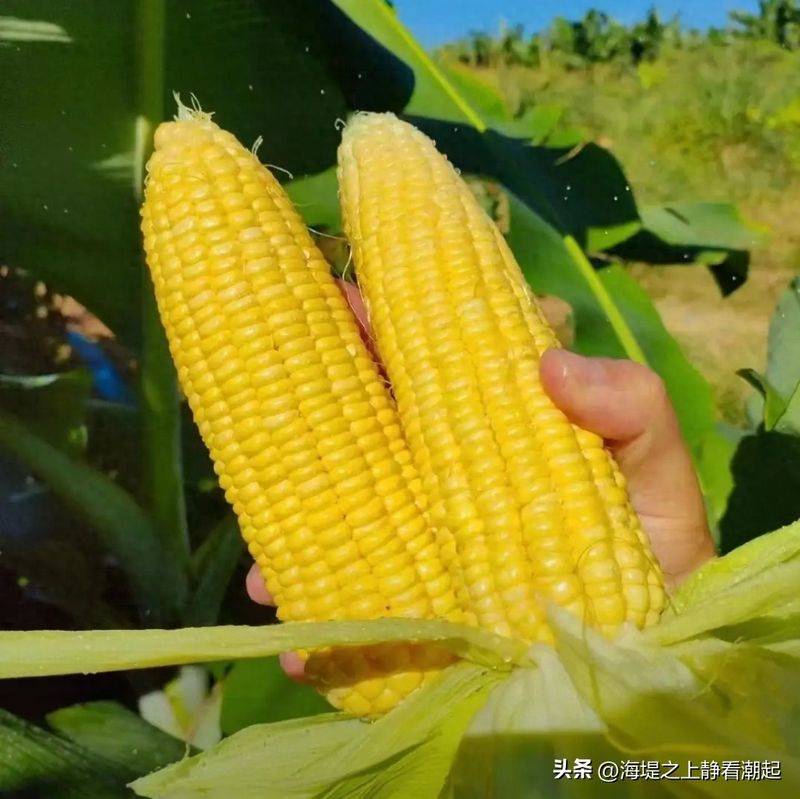
I. Precision selection: selection of the right seeds, with a high yield of 50%, rejection of blind purchase of seeds
The first step is wrong for many farming households to grow. Buying seeds is expensive, scavenging, scavenging, or not changing seeds, leaving their own seeds, which is the biggest cause of reduced maize production。
Seeds are the basis of high productivity, the wrong choice, how to fertilise water later, and how to manage it。
1. Determined elimination of three types of poor seeds
First, it leaves its seed behind, old and old. The disease-resistant, invertebrate species left behind by their families are degraded year by year, with small and weak seedlings and empty poles particularly bald. Old seeds stored for more than a year, with a significant decrease in germination rates, a lack of seeding and a direct reduction in production。
Second, cross-regional blind seeding. The seeds of the south are planted in the plains of the north, high-altitude seeds, which are resistant to high temperatures, low temperatures, local pests and diseases, and are highly vulnerable to large areas of fall and disease。
Thirdly, the bulk seeds. There is a high risk that the seeds, which are bulked in small-scale workshops without a valid number, will not be cheap, will not be pure enough and will be resistant to disease。
Core criteria for the selection of farmers ' households (in the light of which they are selected correctly)
Local agricultural sectors are preferred for certified, locally climate-appropriate, properly packaged seeds. High-yielding varieties that are resistant to dense planting, invertebrates, rust-resistant, high-temperature and low-altitude poles are preferred。
Stable, drought-resistant and infertile species are selected in thinlands and drylands; highly productive varieties are selected in fertile water and fields。
Select the type of pit avoidance alarm
Don't chase a big stick. A lot of the big ones look good, but they don't stand up to secret planting, pollinating, balding, and not a whole acre of them. It's the most easy pit for many old farmers to step on
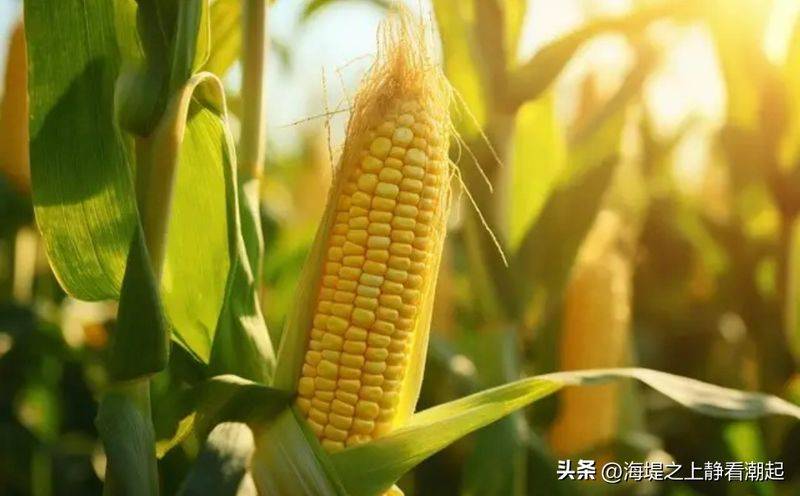
Ii. Scientific institutions: responsibility, survey between survey and counter
The majority of farmers are now shifting to shallow tillage, which results in long years of shallow cultivation leading to soil slabs, too thin a layer of soil, bad rooting of maize, poor capacity to absorb water for fattening at the end of the day, wind collapses, drought and insufficient seed-pellets. Ignoring it is the key to growing corn。
1. Best available time
Some 10 days before the planting, the ground should not be sowed. On the same day, the earth was sown, the soil was empty and empty, the seeds were emptied of the ground, the seed was slow and weak, and the seed was not fully grown。
2. Standard field operation
Conditional plots, which are cultivated at depths of 25 to 30 cm every 2 to 3 years, break the slabs of the soil, turn up the deep ground, breathe the water, and hold the roots to the bottom。
The daily tillage depth is no less than 15 cm, and the earth is then crushed, dredged and compacted, so that the soil is empty and free of large sprouts and weeds。
Ground core benefits + pit avoidance
Clean-up of residues, weeds in the field, reduction of insect eggs and fungi in winter and reduction of pests from source。
Remember: don't get rough on the ground! The soil is too plentiful, seeds are sown, seed yields are reduced by more than 30 per cent and seedlings are severed later。
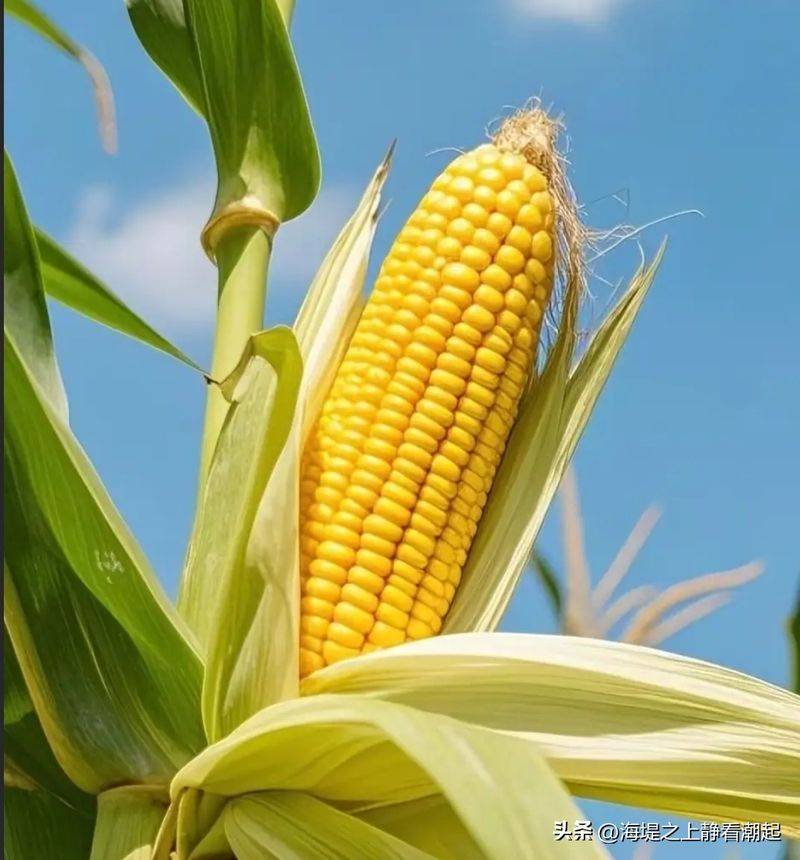
Iii. Rational planting: efficient, non-silent, and no loss of production from empty poles
The production of maize is determined by the number of trees, bars and grains. Either it is too thin, it is not used, it is not productive; it is too dense, it is airy, it competes for fat, it is hugely empty poles, it is small sticks, it is falling, and it is a common area for farmers。
1. Density based on variety
Large loose rod varieties: 3,800-4200 on an acre of land, with the necessary empty poles。
Tighter, resistant varieties: 4,500 to 5,000 acres of land, so that they can reasonably be planted to take advantage of their high productivity potential。
2. Line spacing criterion
The conventional daejeon has a uniform distance of 60 centimetres, which is the best for management and ventilation。
Fitness is appropriate, thinness is appropriate, and dry land is appropriate, and low-lying, low-temperature, poorly ventilated plots are not planted。
3, sowing depth + seedling management
Normal hysteria is spread at depths of 3-4 centimetres, with low-temperature, dry plots being planted at 4-5 centimetres, and not at the surface, which can easily dry up。
The seeding was followed by the timely suppression of the protection, the three-to-five-leave period, the timely detection of seedlings, the replanting of seedlings and the saplings. (b) resolutely remove the seedlings, the seedlings, the seedlings, the saplings, the seedlings and the seedlings, and avoid competition for nutrients, so as to ensure that the fields are smouldered。
The focus of the shelter
A lot of farmhouses have to grow up, and it's a big mistake. Weak seedlings can't grow a stick at all, can only consume soil fattening, drag the seedlings into growth, and eventually the whole field corn is not well grown and is not paid for。
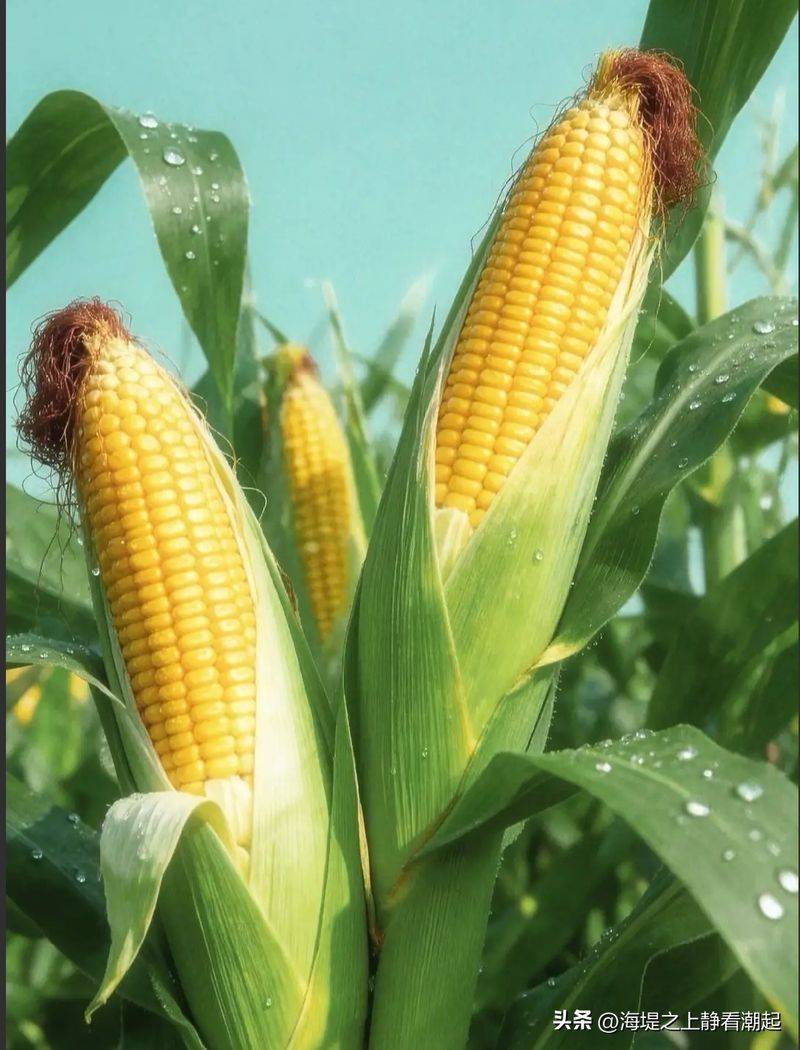
Iv. Scientific weapons: employed on requirement, inspection and investigation
It's said, "a flower is a crop, and it's all fat, but it's definitely not as good as more." a large number of farmers are fattening, non-fating and urea-slashing, leading to long periods of pre-defeating, post-defunct and pre-defunct periods of maize, defunct, defunct and expensive, and lower yields. Corn is produced over a long period of time, and water fertilizers are managed in stages, with a high level of precision supply。
Bottom fertilizers: one-time sowing, steady roots
Bottom fertilizers are key to the growth of maize seedlings and lead to long-lasting nutrition and soil improvement。
Priority is given to formal three-dollar compound fertilizer, with the exception of urea-only。
The ground is rolled over and planted side by side, avoiding direct exposure to seeds by fertilizers and preventing the burning of seedlings。
The thin, barren land can add a modest amount of organic fattening, and the fertile ground can grow more fat every year。
2. Fat pursuit: three key fat pursuits, with a second increase
First: fattening (6-8 leaves)
At this point, corn starts to grow and root, requiring a large amount of fat. A small amount of potassium for phosphorus, mainly based on nitrogen fertilizer, contributes to the development of a strong and well-developed root, avoiding yellow and weak small seedlings。
Second: fat catch in the loudspeaker (most critical increase in production)
This is a critical period for maize needs to be fatted, and for production to be fixed, the lack of fertilizer directly leads to small sticks and small seed grains。
The emphasis is on filling nitrogen and potassium, increasing the strength of the plant, promoting the separation of females and males, eliminating empty poles and balding and laying the foundations for growing up. This time it's a good fertilizer. It's just a big increase in corn production
Third: rendering fat during slurry
A small amount of supplementary quick-effect fertilisation is applied after corn poaching and seed slurry phases to prevent the early decay of the leaves, to ensure continuous light co-operation of the leaves, to fill and saturate the seeds, to increase the weight of thousands and to reduce the size of the particles。
3. Water-water-water management: three high levels of water production
First water: shrouded water
When seeding is not enough, water is poured in time to ensure that the seedlings are fully grown。
Second water: water conservation
Phenomenon droughts are timely watering, combined with the pursuit of fattening, to promote root and tubing growth。
Third water: slurry water (increased core water)
The worst drought is in the maize slurry period, where water is scarce and seed grains are dry, and thousands of grains are reduced and production is severely reduced. As long as the field is dry, water must be poured in time to keep the soil wet and productive。
Water-composed core shelter
1. The water is so fat that it's so fat that it's so fat that the corn straw is long, so thin and so weak that it can be easily inverted。
2 only urea is applied at the end of the period. Single nitrogen fertilizer can lead to poorly resistant strains, severe baldness and the absence of potassium phosphate。
3. Water pours out. Low-lying plots are prone to drying up and draining in time after the rains to avoid early decay。
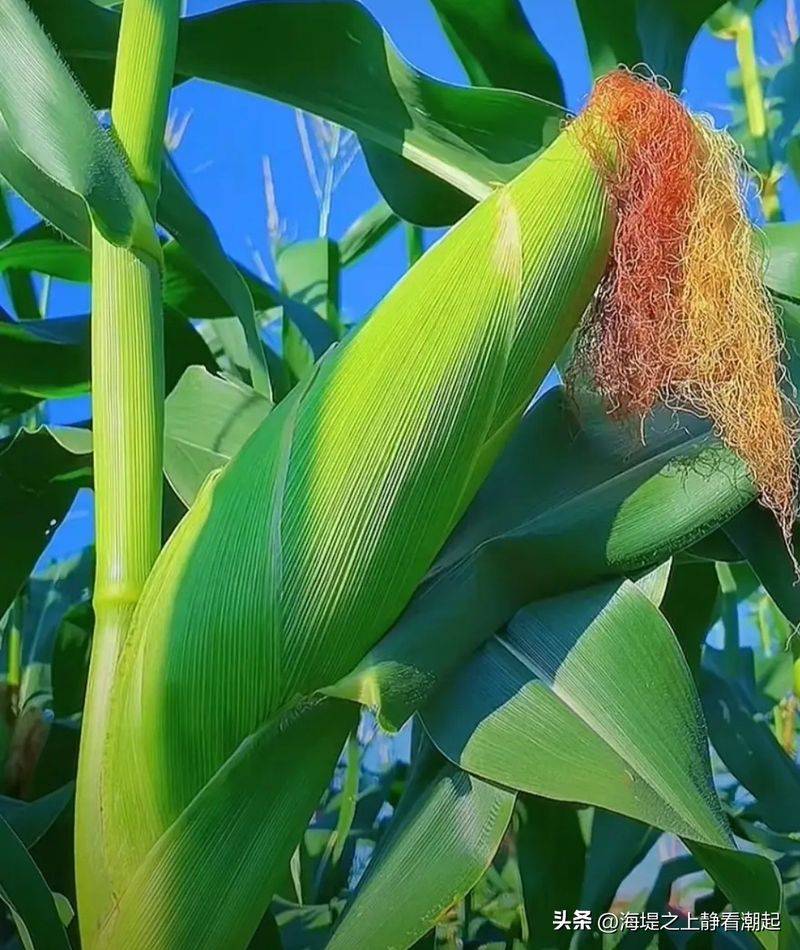
️ v. Controlled in due course: high-strength control, voltage, non-empty poles, staggered roots
Many farmers grow corn uncontrollably, leaving it to grow wildly, to grow thinly and tallly, to have shallow roots, to fall in large areas in the event of heavy storms, to spend the first half of their work and to reduce yields later. Corn control, which is not a drug, controls only high, uncontrolled production and is a necessary step towards high production。
1. Best control time
Only 6-10 leaf leaves of maize, i. E. At the beginning of the rundown。
This time-controlled effect is best achieved by shortening the bottom nostrils, adding thick straws and deep roots。
2. Controlling the movement
Effectively lowering the height of maize plantations, shifting the focus downwards, and essentially resolving the inversion problem。
To suppress surplus nutrients, concentrate nutrients on root lines and ears, reduce empty poles and rods, and make sticks larger and more full of seeds。
Control wang is absolutely forbidden
1. Premature inactivity: control of up to six leaves inhibits normal growth of maize, leading to short-planting and reduced production。
Two, no control at night: 12 leaves are strictly forbidden to flourish! At this point, maize enters the oscillation, which leads to stunted, failed pollination of male ears, large areas of bald and empty poles and severe loss of production。
3. Weaknesses: small, weak, drought-prone plots, uncontrollable and weaker。
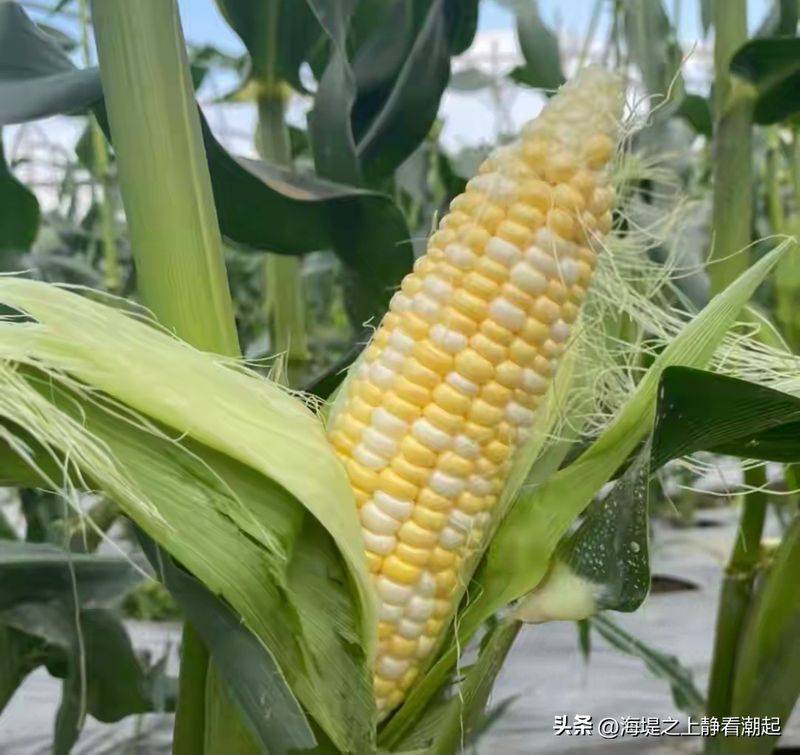
Integrated pest and disease management: early prevention, less drug use, more effective and less productive
Corn infestation is the number one killer of reduced production. Rusty disease, small and large disease, scavenger disease, corn distress, borer, aphids, red spiders, which occur every year, and many farmers are infested with insects and diseases。
The core of high-yield maize management is a combination of prevention and prevention。
1. Pest management in the nursery age
Underground pests, such as tigers, golden needle worms and vermins, are the focus of the seed season to avoid seed loss。
At the same time, the disease is prevented and the roots are healthy and strong。
2. Focused on prevention during the loudspeaker period (goldening period)
This phase is a high-prevalence and critical phase of prevention。
The focus has been on the fight against corn distress, the drilling of heartworms, the insects that enter the straw, the fruit ears, and then the medicine is not available, especially in the latter stages。
Early prevention of small and large-scale diseases, rusty diseases, early application of preventive agents and prevention of post-disease outbreaks。
3. Prevention and treatment of sapling maturity
Priority is given to the prevention of scavengers, red spiders, aphids, the protection of fruit ears, the prevention of scavengers, the elimination of particles and the preservation of the normal maturation of maize。
Pest and pest avoidance techniques
1. No high-temperature and midday drugs. Evaporation is fast, the efficacy of drugs is poor, and they are also prone to drug hazards。
2. No single drug. Insects and pests are prone to drug resistance and drug substitution, with significant success。
3. Remember: prevention costs only one third of the cost of treatment, early prevention, saving money to increase production
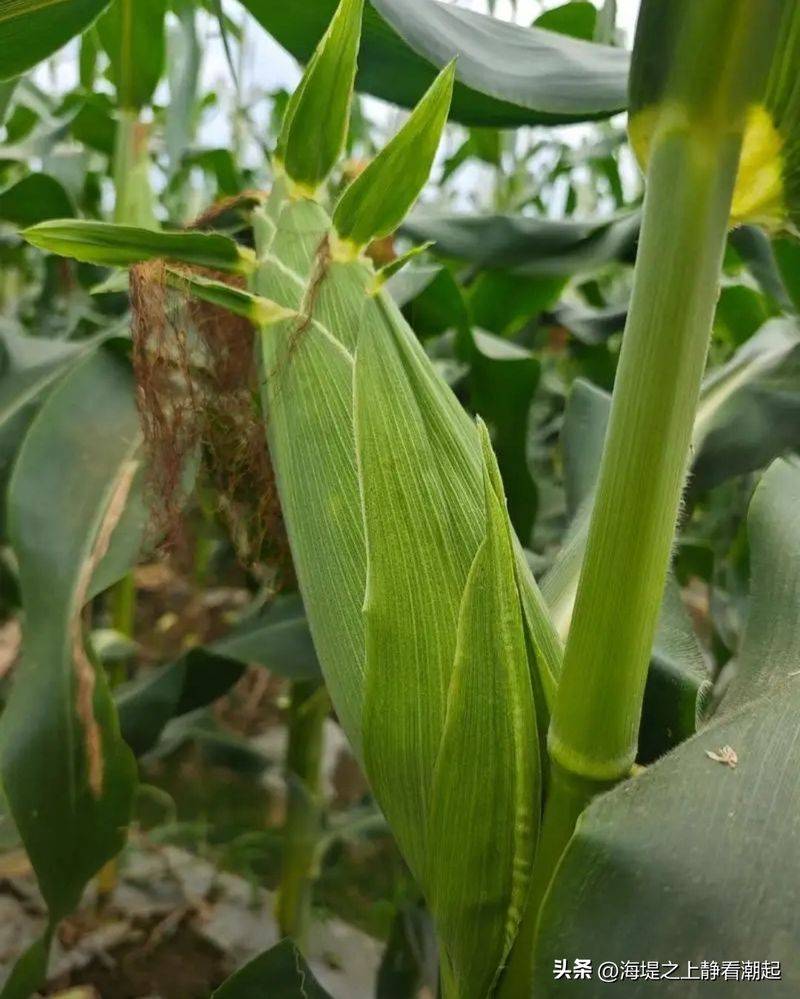
Vii. Complete complete management of the lands: weeding, earth-breeding, empty poles, detailed and highly productive
It's a big mistake for many farmers to think that when corn comes out, they don't care
Field weeds, ineffective empty poles, poor soil gas, steal maize production, finely managed, and it is easy to collect an additional 100 pounds of land。
1. Scientific weeding
Corn-plant weeds compete for water fattening, shielding light, and also breed insect eggs。
Weeding follows the principles of pre-shrimp closure, after-shrimp orientation and pre-shrimp closures have the best effect and the least incentive。
Weeding after seeding avoids high temperatures and critical periods of maize altimer, and strictly controls the quantity of drugs to avoid burning and inhibit crop growth。
2. Cultivated land
After the heavy rains, when the fields are clogged, the pine fields are cultivated in a timely manner, increasing soil aerobicity and facilitating respiratory growth。
Pumping soil during the ceremonial period, thickening the root layer, supporting rooting and further enhancing the inversion resistance。
3. Clean-up of invalid plants
After the corn is pumped, the field poles, the weak and the sick are cleaned up in time. These plants, which are unconstructed, do not produce more, only consume water fattening and air-blowing light, so that strong maize can grow better and soak more。
Viii. Increased late harvest: three to five days off, with an acre collecting dozens of pounds and zero cost increases
It's the simplest, the least expensive, the easiest for farmers to ignore. Many farmers are accustomed to early harvests, with corn peels coming straight home, which appear to have been completed early, while the production of an acre of land has been cut off。
The true ripening criteria for maize: the middle and lower leaves on the straw or green, the yellow hair of corn pellets, the disappearance of breastlines and the formation of the black layer are the time when full maturity and production is highest。
The longer the magma in the late stages of maize, the more dry matter the seeds accumulate, the more heavy the thousands. A three-to-five-day harvest, with insufficient seed slurries, high moisture and light weight, reduced by a acre to a minimum of 50-100 kg。
Late collection core skills
If you don't take it early, if you don't take it down, if you don't take it down, if you don't get it down, if you don't get it down, if you don't get five to seven days late, if you don't use it, if you don't use it, if you don't use it, if you don't use it, if you don't give it up, if you don't give it up
Summary of the advice
There is no magic margin for growing corn, and all the high yields are the result of scientific management and step by step。
The eight-step process of seed selection, rooting, rational planting, precision water fattening, timely control, disease prevention, precision management and late harvest is one and the same。
No food in heaven, no blind input, just to avoid mistakes and follow the scheme, whether in the drylands or in the water-fed areas, and to make a steady annual gain
We're going to plant it
(b) select well-specified seeds and properly plant them
(b) phased application of water fertilizers, with timely control of vagaries
(b) insects are not lazy early on and are carefully managed in no hurry
It's a late harvest. It's a very productive year