


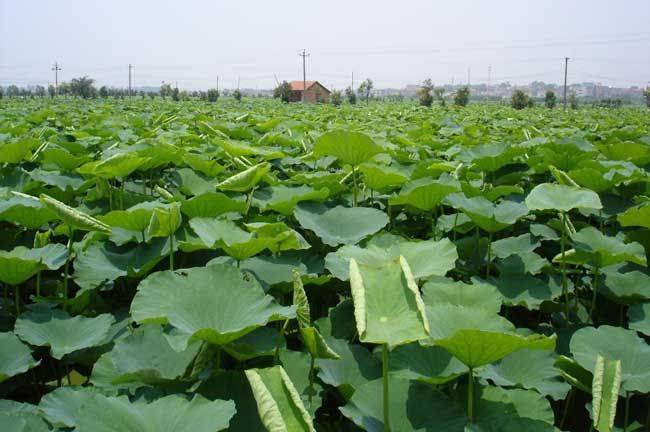
Lotus is a sleeping lotus plant, sweet and thin, and can eat raw food and cook food, and it is of considerable value. Its roots, its flowers, its fruits and its fruits can be filled with medicine. Powdering is good food for women and children, the infirm and the sick, and it is good food for the rest of the population. This point sets out the choice of varieties for the cultivation of the land, the conditions for the production of land, planting, water level control, routine management and pest control measures。
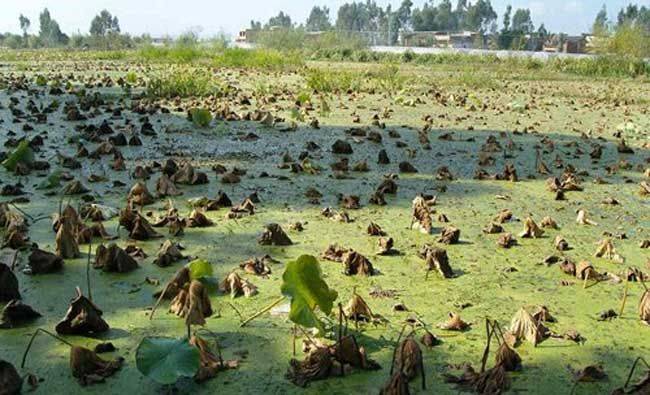
Plantation
Light water: suitable for planting a lotion plant at depths of 5-30 cm
1 ethropium: used for seeding. Mothers with a variety of characteristics, full head, full head, sprouts, large body size, small husks, followed by thick, disease-free and bright colours, or large, with at least two knots of full maturity and full sprouts。
2. Land on the border: land for high-quality cultivation。
3 lotus whips: the first thin part of the root。
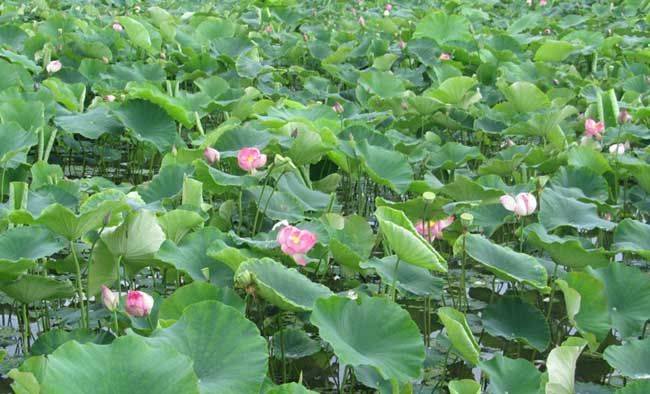
Environmental conditions in the land of origin
There is a demand for sufficient water, a flat terrain, easy drainage and organically rich land。
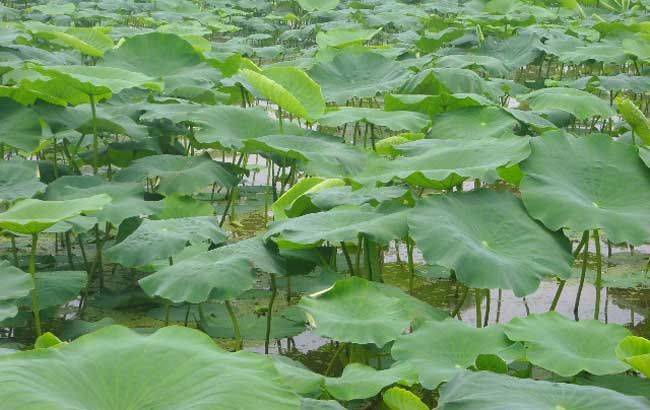
Production management measures
Varieties selection: select varieties that are suitable for maturity, of high quality, high yield, highly resilient and in line with consumption habits in the target market。
(i) soil preparation
1. Use of base fertilizer. Prior to planting (about 10 days before planting), fracturing manure of 2,500 to 3000 kg per 667 m2 was applied, and lime of 50 kg per 667 m2 was applied in time to disinfect the ponds in order to prevent infection。
2. Choose the field and clean it up. Premature lily requires good water sources, sunslides, good water quality, soil fertilizers, and soil-heavy land on the border. Before daejeon was planted 10d, the ground was plowed at a depth of 30 to 35 cm, requiring weeds to be ploughed to the ground and to the surface of the dredge (required at a level of 2 cm)。
(ii) plantation
1. Pre-plant preparation. The pre-plant ditches should be cleared and the drainage canals should be below the field level to facilitate drainage。
2. Timing. The average daily temperature should be around 15°c, usually mid-april。
3. Plantation density. The plant density is around 667 m2250 and the range is 150 cm x 200 cm. 4. Plantation methodology. The seed is placed in the field at a distance of 150 cm x 200 cm, staggered between rows, with the buds in four weeks and the remaining rows on one side. The field sprouts should move evenly. Cultivation occurs when the front of the seed is slashed 25° in the mud and the tail is slightly exposed to the water surface of 1-2 cm. Growing and digging。
(iii) field management
1. Deep water management. The water level is kept at about 2-3 cm before the land is farmed, the water level is kept at around 5 cm after the dredge, the planting period is set to be 5-8 cm deep until the bud, and the lital leaves are pumped to begin harvesting at 10-15 cm deep. In times of drought, water is drained in time when the amount of water irrigated is higher, and water levels are strictly controlled。
2. Catch fat. The average lotus needs to be followed by two or three times: 1,000 to 1,500 kg of manure used to grow 1 to 2 leaves after first planting. At the second closure (around 30 days after planting) the manure is used from 1000 to 1500 kg. For the third time in late june, compound fertilizer was applied per 667 m250 kg。
3. Fertilisation methods. Each application is followed by a three-to-five-cm bathymetry, a mixture of manure and water, and a one-to-two-day shift to the required depth。
4. Weeding. Weeds should be removed in conjunction with tillage before planting. During the planting process, three artificial weedings were carried out: during planting, when the leaves were drawn, the artificial weeding was removed from the grass during the sealing, entangled in clusters, and the grass head down into the mud。
Turn your head. In order to evenly spread the lashes in the fields, or to prevent the lashes from crossing the fields, the lashes of the hysteria shall be planted in the lower places at the second weeding. When the lush is tenderer, special care shall be taken to avoid breaking。
6. Harvest. Lotus is generally harvested in the second half of july and is cut off about 10 days before harvest to reduce rust. Depth water to 3-5 cm for harvest。
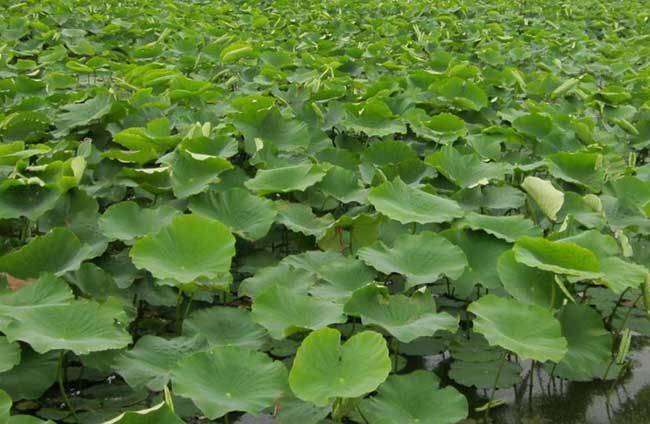
Pest control
(i) the principle of prevention
“preventive, integrated and preventive”, with priority given to agricultural, physical and biological control, in conjunction with scientifically sound chemical control for the purpose of producing safe, high-quality and non-hazardous chemicals, the use of highly toxic, highly residual, highly biorich pesticides and their combinations, which are prohibited by national regulations, is strictly prohibited. Pesticides are applied strictly in accordance with the provisions of gb4286 and gb/t8321。
(ii) prevention and control of cultivation
Selection of disease resistant varieties。
2. Pay attention to the management of fertilizers, the cultivation of seedlings and the development of resistance to disease。
(iii) drug control
1. The main diseases of lotus are lotus corruption and brown spots, which can be prevented by spray with 50% more than 500-800 times more humid powder。
2. The main pest is aphid, which can be treated with 400 times the liquid spray of avimectin (biopesticide) or 500 times the liquid of green land i (biopesticide)。
3. Visible mosquitoes, which can be treated with 1500 times more liquid spray of 10% aphid. The security interval is 15 days。
Gb4285 and gb/t8321 (all parts) shall be implemented when chemical pesticides are used。
5. Reasonable mixing and rotation of agents using different functioning mechanisms to overcome and delay disease and insect resistance。
6 pesticides are generally applied after 4 p. M., which prevents the production of the poison。



