Potatoes, some of which are known as potatoes, are cultivated in the north and south of the river and are one of our important food crops, and potatoes have been made into various kinds of food. Today we share some of the techniques of potato growing with the farmer's uncle。
1 child breeding
The seedlings of potatoes and other crops are different, and the little friends that have met must know what they mean by the need to sprout potatoes, starting one month before the potato is planted, first laying a thin sand on the ground, which is controlled by about 10 centimetres of thickness, then requiring seedlings to be placed on the sand, then burying them with sand, which can accumulate three layers. The sprout temperature is the best at about 18°, bearing in mind that water is often sprayed on sand to ensure that it is wet. In about two weeks, the buds will grow, and they can be sliced when they reach about 3 cm。
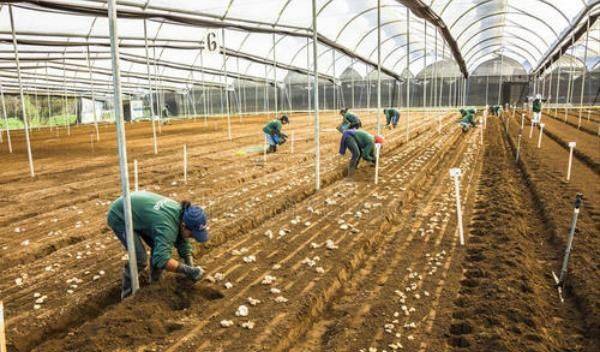
Potato cultivation
The size of the slices is crucial, and the chips are the main nutritional source of early growth and, if they are too small, will affect the longness, with each of them weighing around 35 g. Cutting blades are required to be sterilised by alcohol and should be transected in a way that affects the lycée activity, ensuring that two or three budding eyes are placed on each slice, that the cut is not dropped after passing, and that, preferably, the cut is painted with grass-grain so as to prevent infection and then placed in the appropriate environment so that the cut is naturally dry。
Land selection
More flat land should be chosen, usually for double-gauge planting, with 50 centimetres in large lines and 40 centimetres in small lines. The expansion of the potato tubers requires lax and fertile soil, with deep tillage at depths of 20-25 cm, in the process of application of bottom fattening, with agricultural fattening of 250 kg per acre and 15 kg urea to ensure soil fertility。
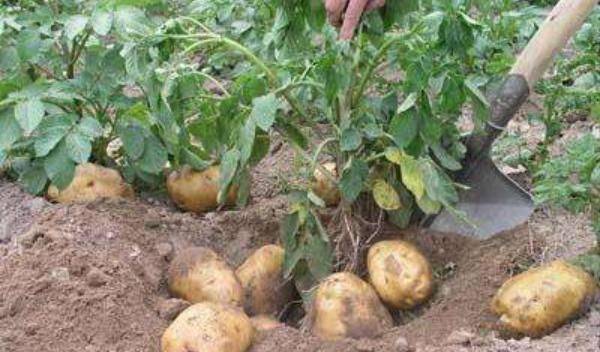
Potatoes
3. Timing methods
The planting takes place at an appropriate time, with the early planting of the seed, which can be characterized by bad seed and dead seed, and the late planting of the seed, which can reduce the growth cycle of the potatoes and lead to a reduction in production. The timing of seeding of potatoes is generally judged by the temperature environment and is generally the best seeding of potatoes when soil temperatures reach 5°c ~ 7°c at a depth of 10 cm and are stable. Cultivation ranges of 55 to 60 cm should be maintained at 25 to 30 cm, with a planting density of 4,000/acres, and, after placement, the application of ammonium acetate cream solutions to prevent later weeds and the application of deworming powder to prevent underground pests before the rise. Cover the film and press the corner. In general, the seedlings are ready in 15 days。
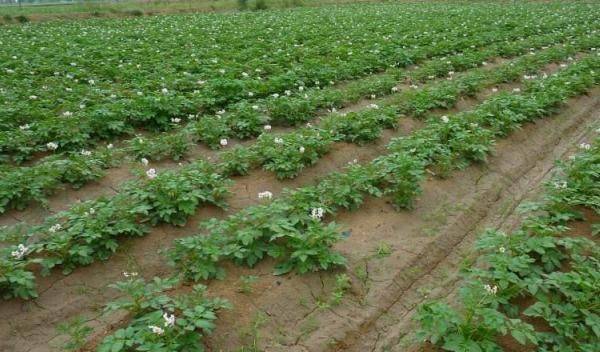
Potato cultivation
4. Fertilizing water
Potatoes are generally required to catch up during the flower season, where nitrogen is applied mainly, and during the flowering season, when secondary pursuits are carried out, mainly with potassium. When the length of the tubing reaches 3 cm, irrigation should be carried out according to soil conditions and local climate. The irrigation should be stopped at the end of the potato season。
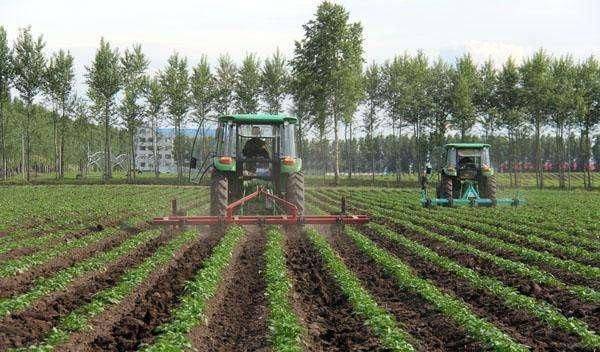
Irrigation
5. Disease control
In the latter stages of potatoes, which are mainly affected by chronic diseases, frosty diseases, ailments, etc., were treated with 500 times more manganese + new high-fat membrane spray during the drying of the clear open water during the early stages of the disease, and it was discovered that ailments were to be removed from the central burning process, and that lime was to be sprayed in and around the disease, or a 0. 5 per cent flammage solution was to be sterilized, followed by a 2,000-fold agrococin + new high-fat membrane treatment to prevent the spread of the disease。
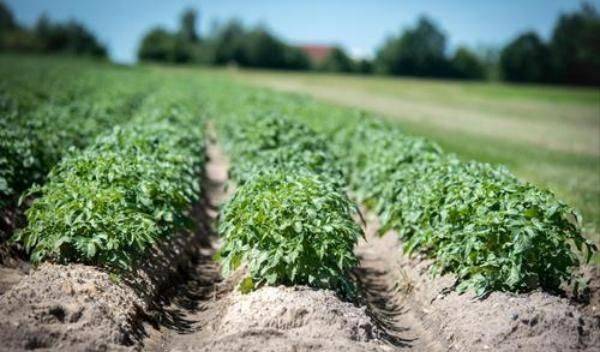
Potatoes
6. Timely harvesting
When harvesting, it is best to choose the sun, and when digging, you must be careful not to hurt potatoes, and then dig it out and put it in the shade in time。
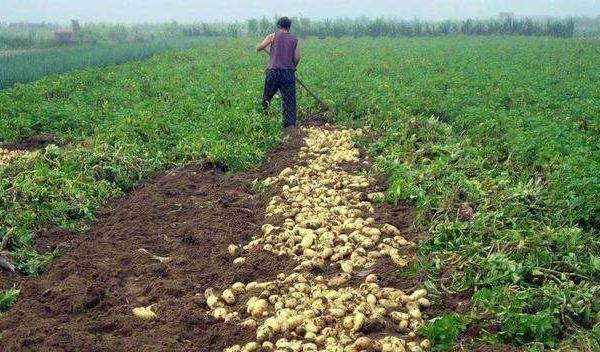
Picking potatoes
This is the technique of planting the land i shared with you today, and i wonder if you have any better ways to do it!