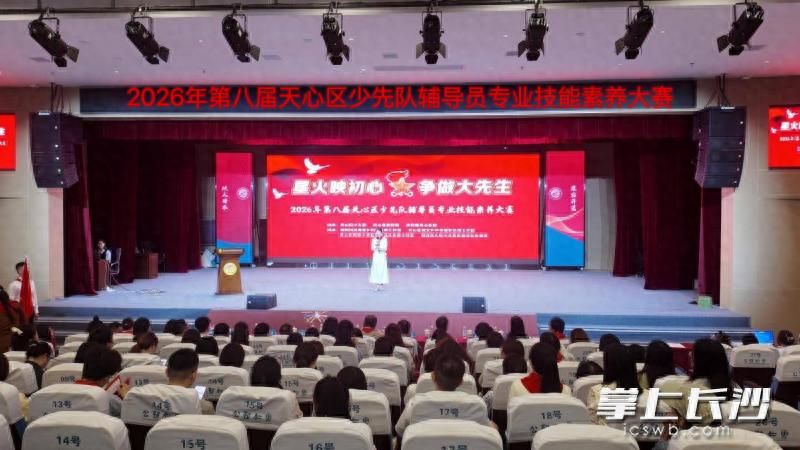
In recent days, the centre for the protection of intellectual property in the new zone of the yantao sea has organized a training course on the theme of intellectual property rights, which has led to targeted intellectual property rights targeting and strengthening the management capacity of enterprises in the entire chain of intellectual property rights. The training focused on the consistent practice of international standards and judicial protection, involving intellectual property managers, technology research and development cadres and professionals from service providers in over 50 enterprises。
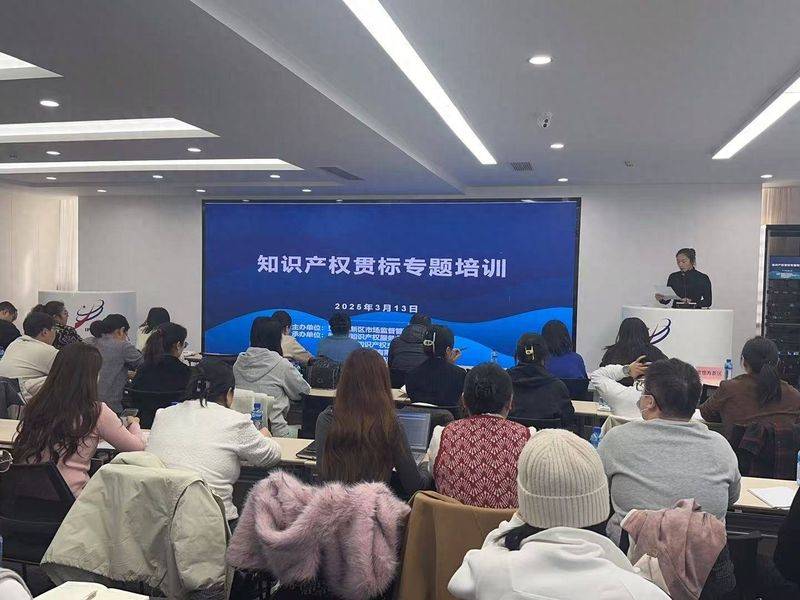
The training revolved around iso 5605, innovation management - intellectual property management guide, gtt 29490-2023, corporate intellectual property compliance management system requirements, and the new situation intellectual property protection strategy. The senior clearance expert on the intellectual property management system, who has served as a member of june's practice for many years, has systematically interpreted the policy context of consistency, the differences between old and new standards, the core requirements of standards and corporate compliance management practices, and has made specific recommendations on how to build a full-process intellectual property management system and protect against innovation risks. The partner of shandong song mau's law firm, u. S. A., came from a judicial protection perspective and analysed current intellectual property rights dilemmas, policy trends and the two-dimensional solution of “law + technology”. The presentations by the two experts were both theoretically and empirically advanced, and on-site business representatives indicated that they were “dry and full” and provided new ideas for dealing with competition。
As a practical model for the construction of innovative cities in the city of smoke, in recent years the hoang dynasty sea zone has been using intellectual property rights as its central engine, accelerating the construction of the ecological closure of “creation-application-protection-services”. The training, which was carried out in both directions through “standard leadership” and “judicial escorts”, not only strengthened corporate systemic awareness of intellectual property management, but also injected new dynamics into industrial upgrading and high-quality development in more regions。