


Children are the future of the country and hope for its nation, and 29 march this year marks the twenty-sixth national day of safety education for schoolchildren。
Since 1996, our country has set monday, the last week of march, as the national “security education day” for schoolchildren. The purpose of this system is to promote safety education for primary and secondary school students in a comprehensive and in-depth manner, to empower primary and secondary school students to protect themselves, to raise awareness of safety prevention, to actively prevent, reduce and reduce the incidence of all types of casualties among students, and to ensure their safety and development。
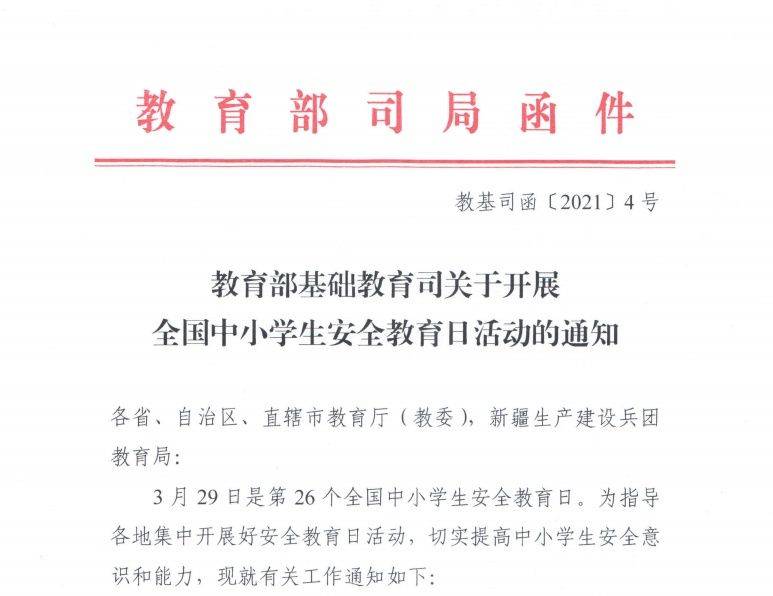
On 22 march, the department of basic education of the ministry of education issued a circular to the department of basic education of the ministry of education on the implementation of the national day of safe education for primary and secondary students (2021) document no. 4 sets out the requirements for “a thematic security education, an emergency evacuation exercise, a security education programme, a national security education and a centralized information campaign”。
Important reminder
It's safe. Parents and children, please read and remember
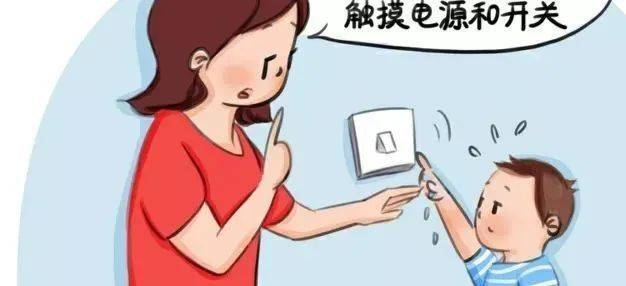
Household electricity security
The large number of home appliances can cause accidents when used inappropriately, bearing in mind the following:
1. No fire, no fire, no fire, no fire, no fire, no fire, no report or alarm to adults
2. Prohibition of use of gas, liquefied gas stoves, etc. In the absence of parents
3. Do not move, unwired wires, lights, plugs, etc
Do not play in places marked as “high pressure risk”
5. Gradually learn to use household appliances under parents ' guidance
Learn to deal correctly with accidents: if an electrical fire occurs, the power is cut and saved, and no direct water is used to extinguish the fire. If anyone gets electrocuted, don't rush, cut the power or call 120
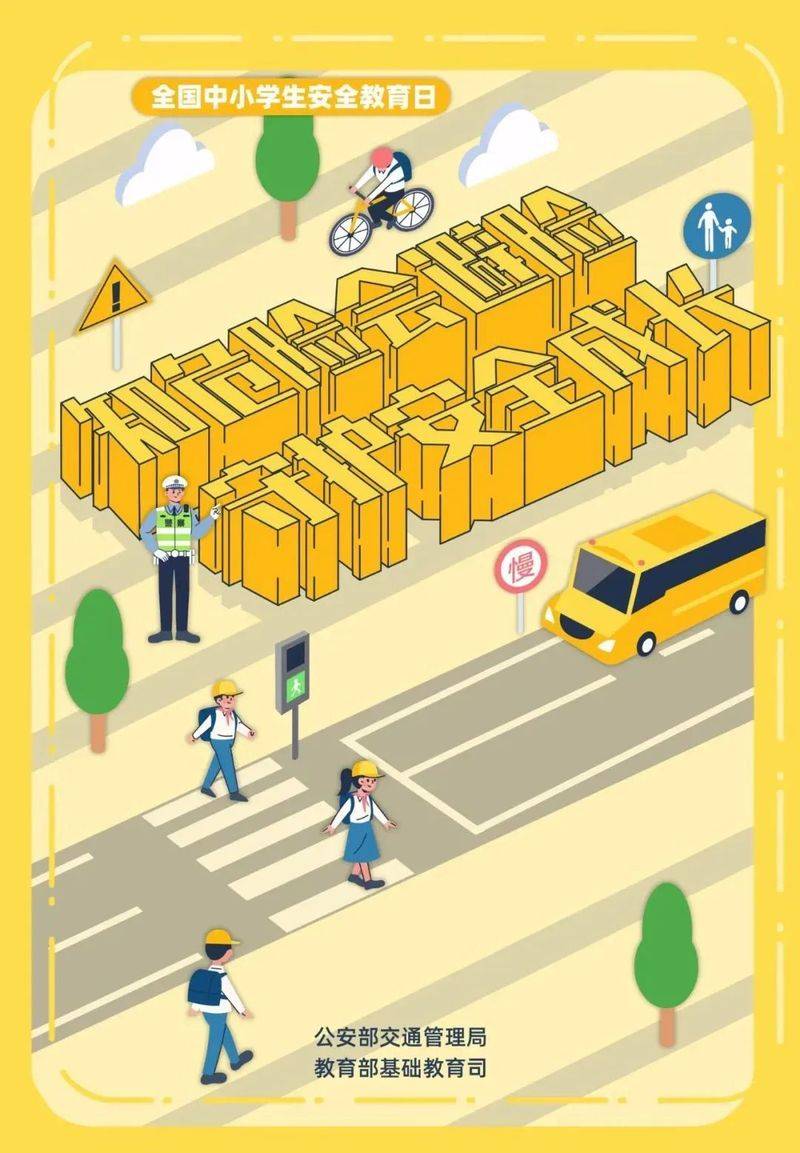
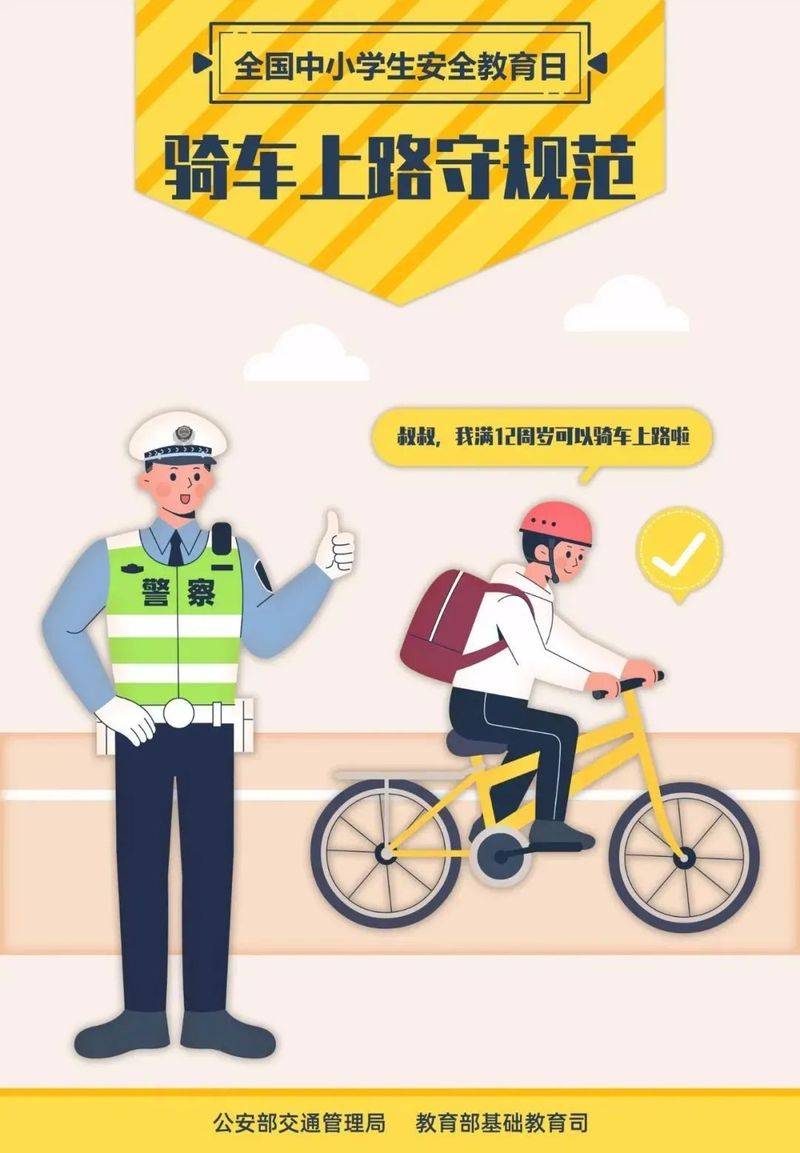
Traffic safety education
Traffic safety is a constant concern, and safety norms must remember:
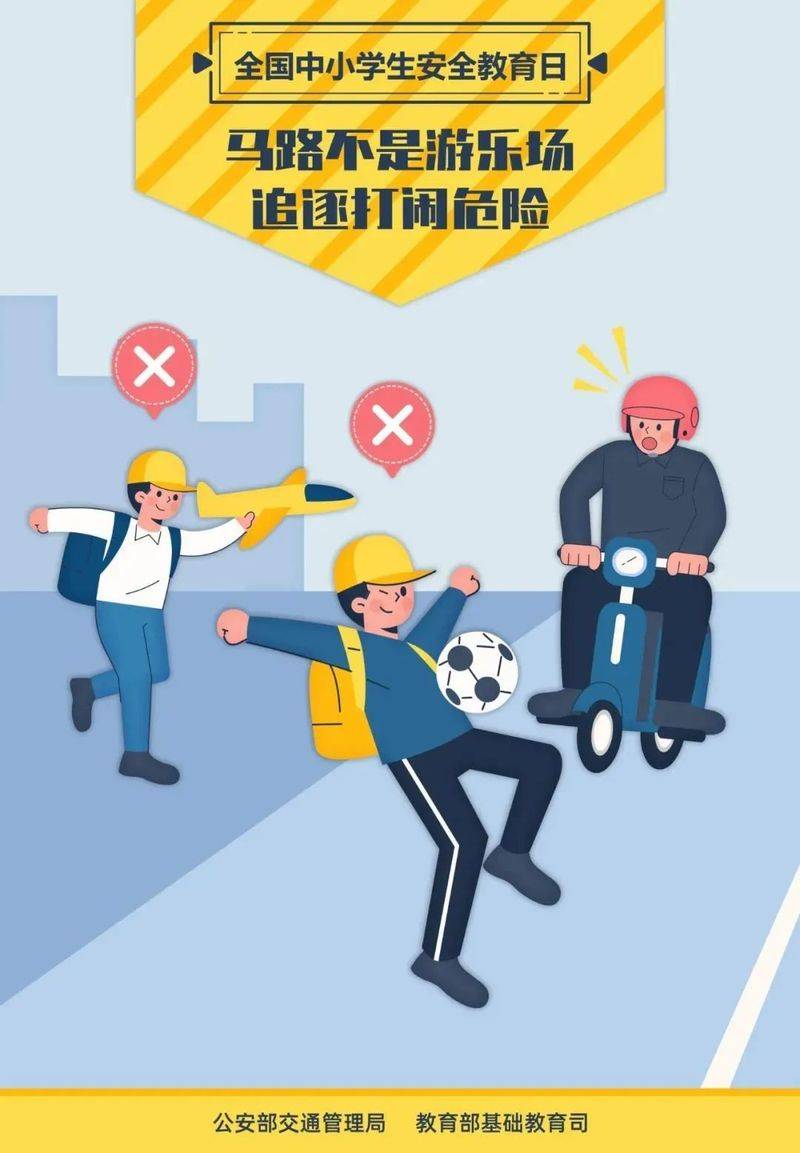
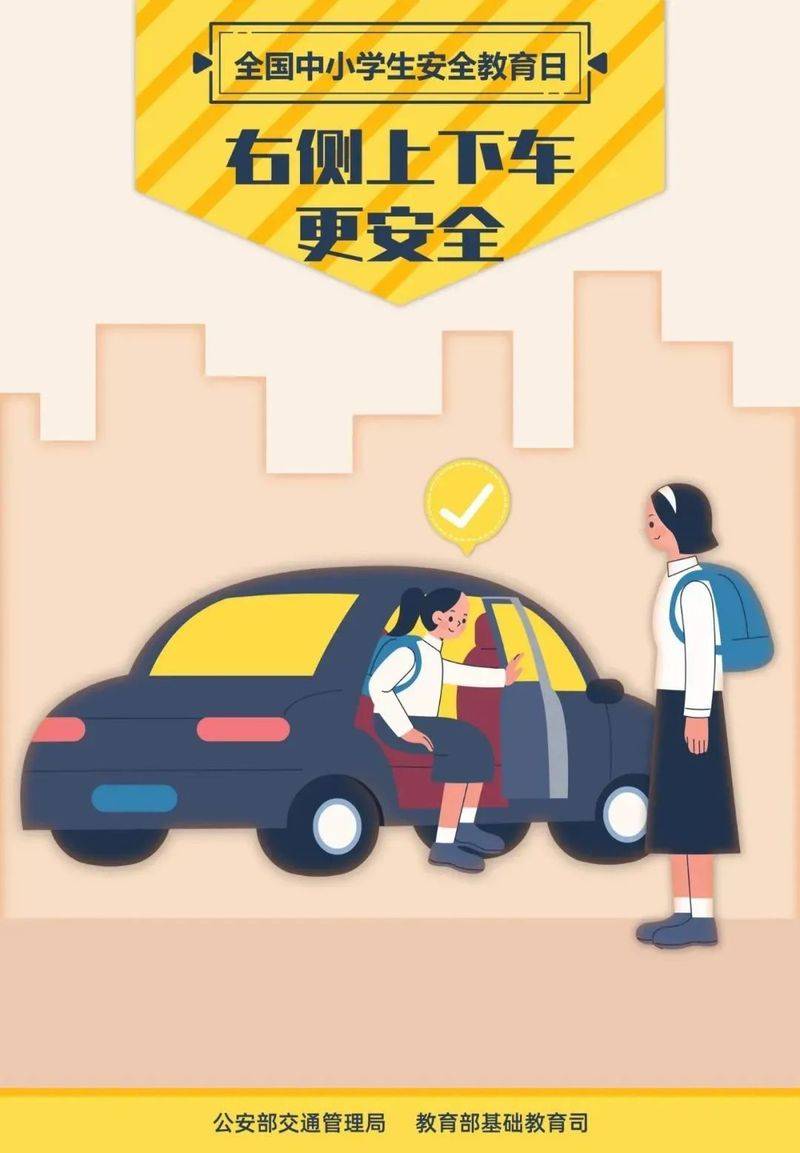
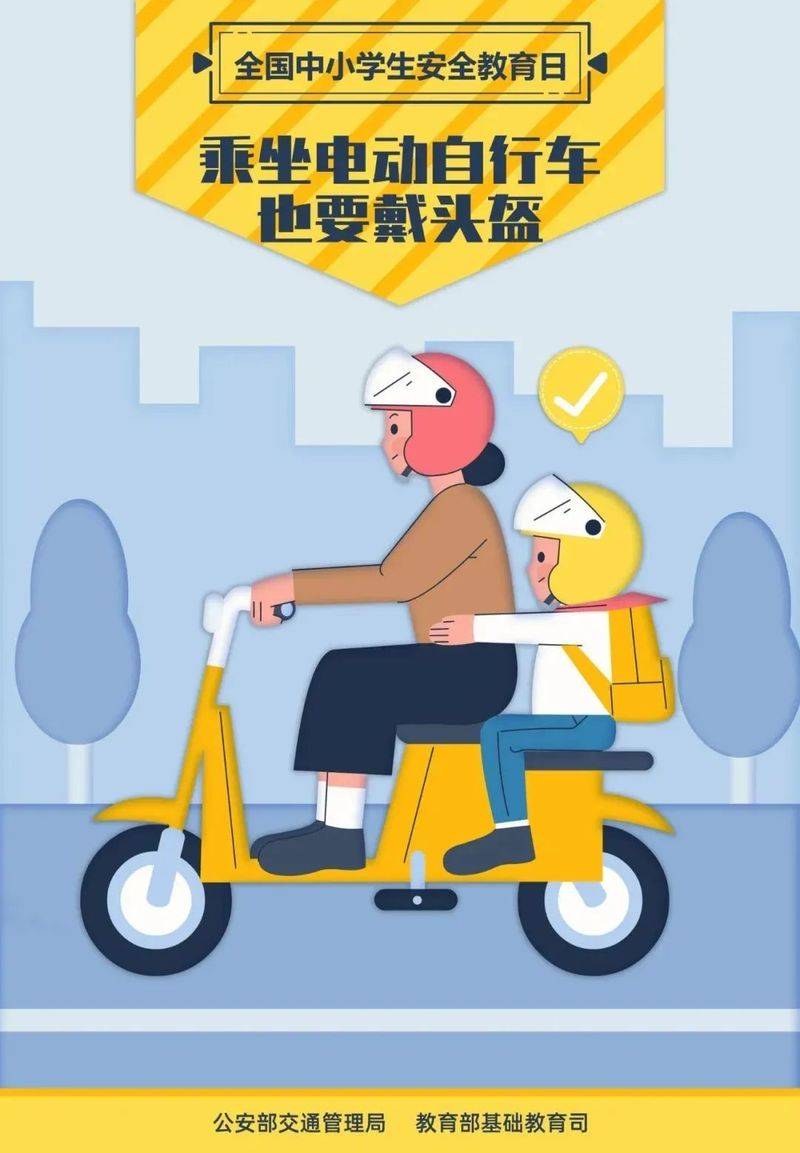
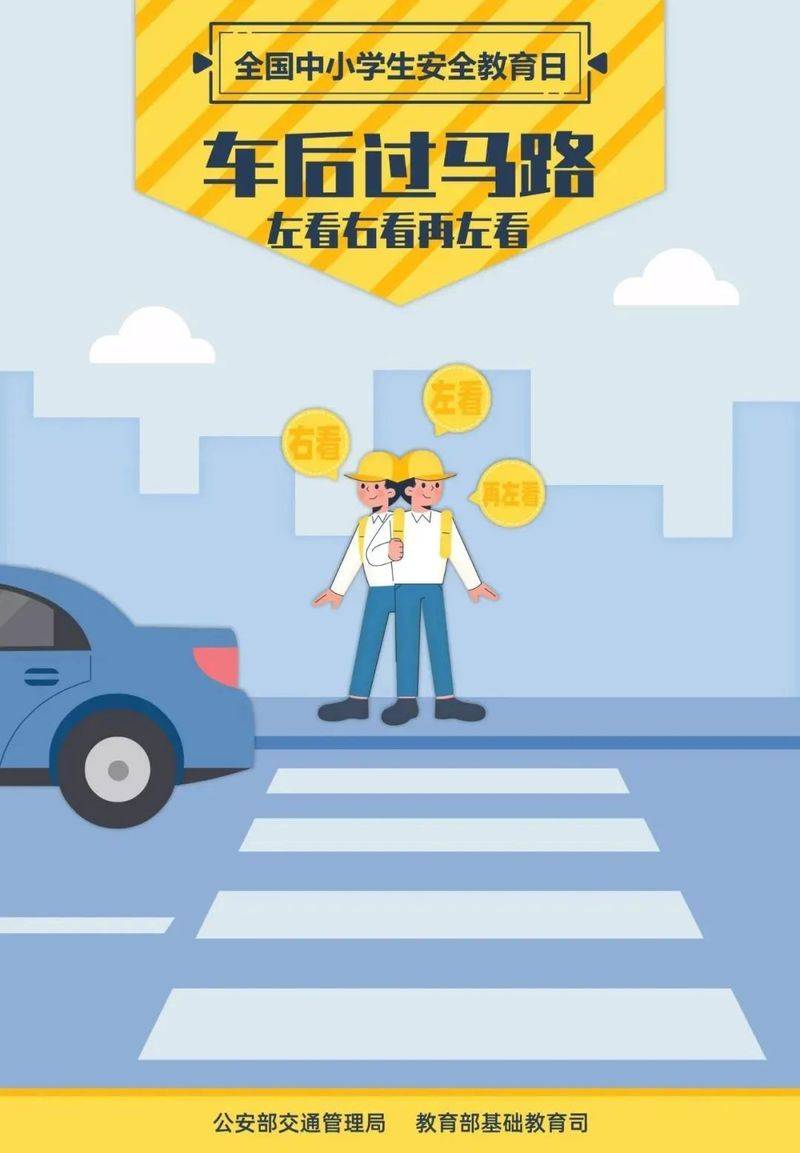
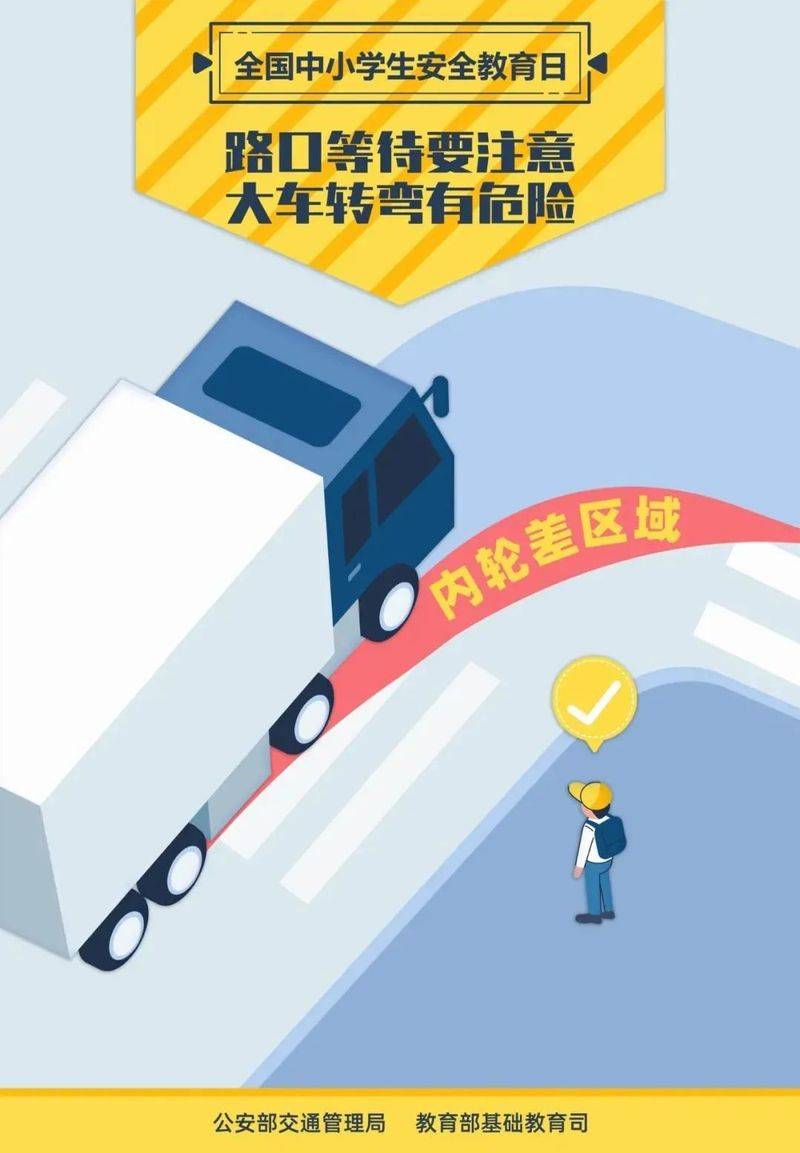
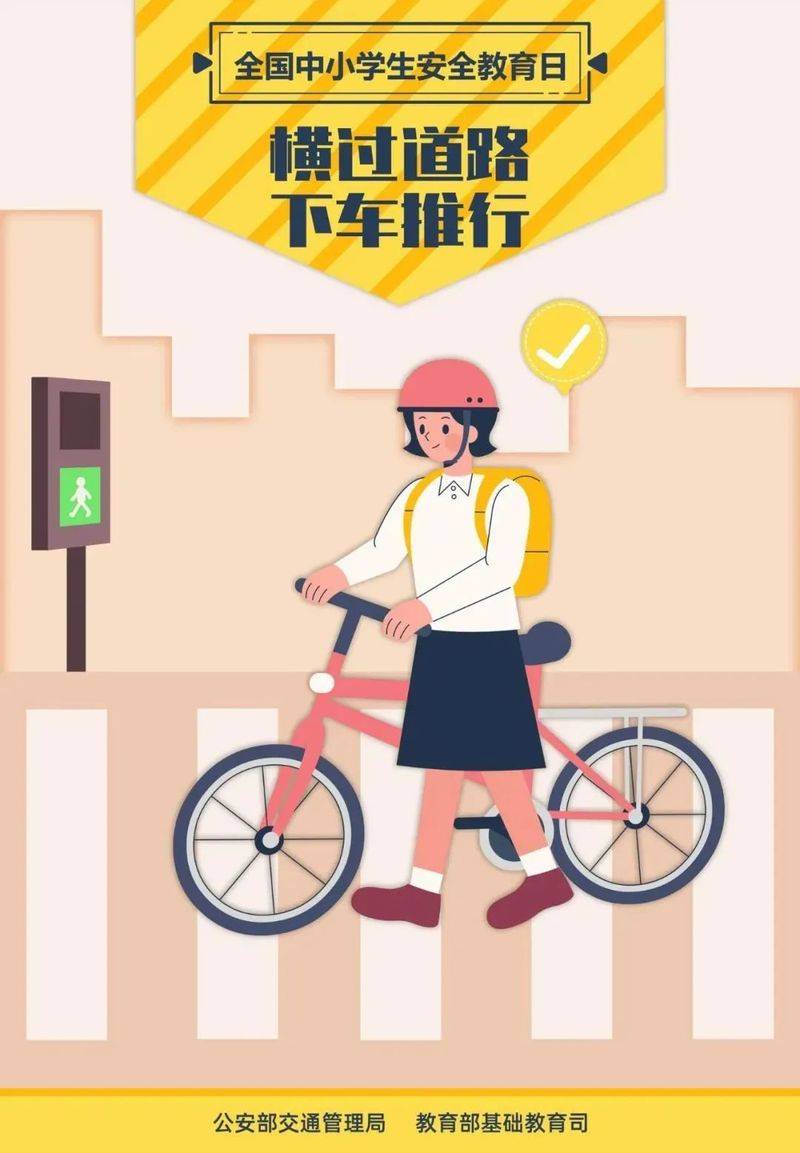
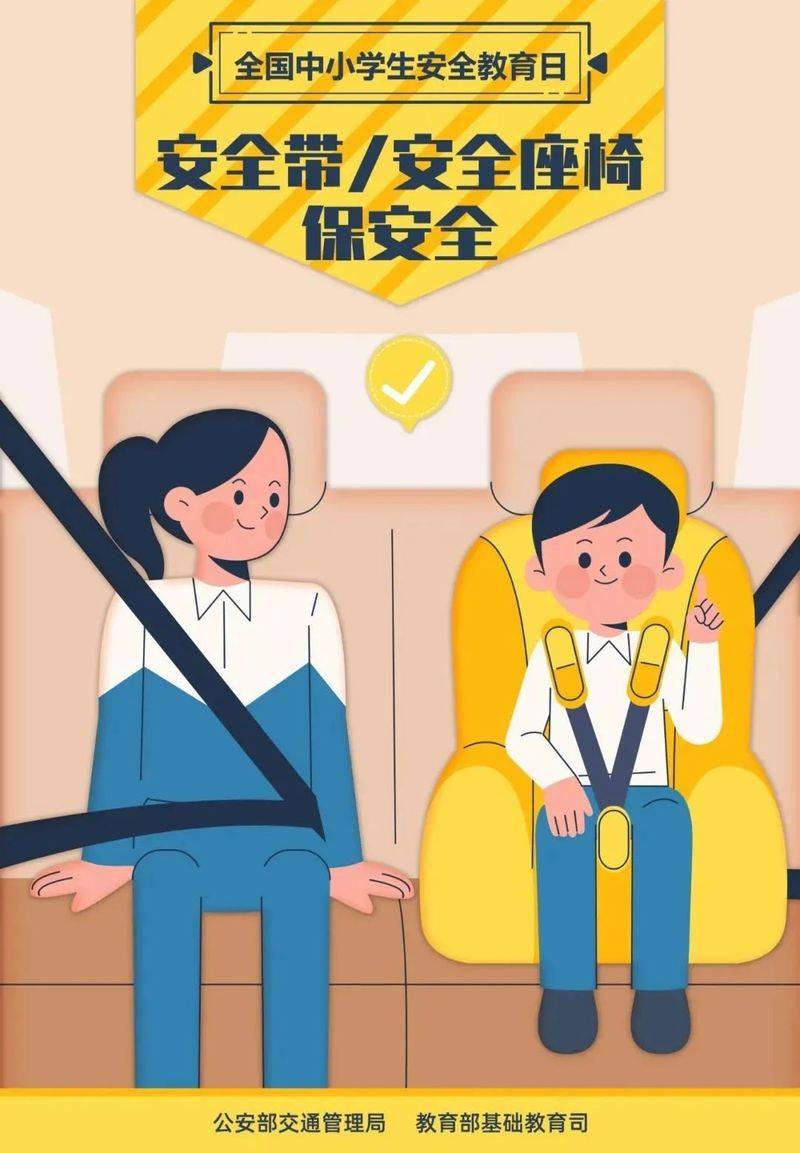
Education for safety against drowning
Drowning is the first killer to cause the accidental death of a child, and the safety education for the prevention of drowning is “a little bit”。
1. Swimming in private
2. Swimming without permission
3. Not to swim without a parent or guardian swimming
Swimming in waters without safe facilities and without rescue personnel
No swimming in unfamiliar waters
Swimming without permission
7. Learning basic self-help methods
Fire safety education
Fire safety is vital to the safety of each person's life and property, as well as to the development of fire safety, which can be saved at critical times:
1. No matches, lighters, etc., may be used at home, no fire shall be set at will, and no fire shall be used at flammable or explosive. Fire
As far as possible from fireworks
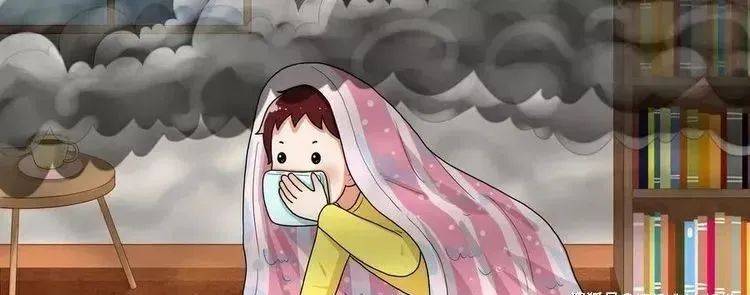
3. When a fire is discovered, call 119 in time for the fire to be extinguished alone, and wet towels if burned quickly. Shut your mouth, bend your back to avoid smoke, run for life in the open
Home to prepare fire safety “four treasures”: fire extinguishers, smoke masks, gas alarms, fire blankets
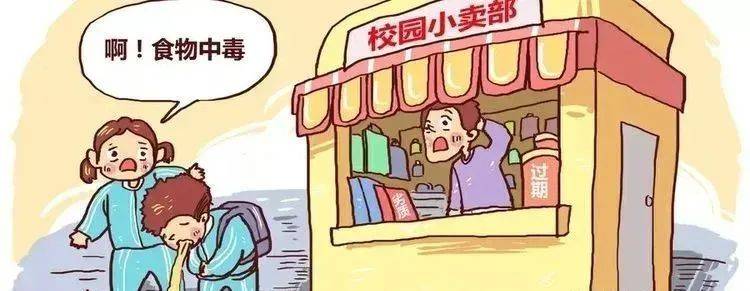
Food safety education
Eating is essential for the healthy development of children, and the following principles govern the diet of primary and secondary school children:
No food from strangers
2. The habit of washing hands before and after cooking, using clean dishes, eating healthy foods, not sharing bowls with others
No cold food, no dirty guacamole, no spoiled, no hot meals, no raw water and no snacks
4. When buying food, make sure that the date of production and the manufacturer are taken care of
5. Before eating, you must take a look at the food, and if it's abnormal, you should stop eating immediately
Cyber security education
Today, children are using mobile phones in large numbers and are in crisis on the internet, and self-protection should be strengthened:
1. Do not tell others about their real information about their parents and their families, such as names, addresses, schools, telephone numbers and photographs, without parental consent
2. Parents should be immediately informed of uncivilized information and photographs
3. Do not meet with anyone who knows the internet without parental permission. If you're sure you're going to meet with a friend, you have to be in a public place with your parents' consent and escort, or with a trusted classmate, a friend
If spam is received, it shall immediately be deleted. If you have any questions, ask your parents immediately

Mental security education
The mental health of primary and secondary school students is a need to avoid all kinds of emergencies, to maintain social stability and stability, to function properly in schools and to ensure the well-being of their families。
1. Increased communication with parents, families and friends
2. Engagement with honest and optimistic friends
3. Understanding tolerance, self-inspiration and smile
4. To solve problems on their own while learning to consult for help
5. In spite of the frustrations, i believe i am born to be useful
6. Managing emotions and having fun every day



