


The horticultural variety of quarries is extremely large, their flowers are beautiful, their maintenance is difficult, and they are worth trying. The first year, the second year, was not able to recover。
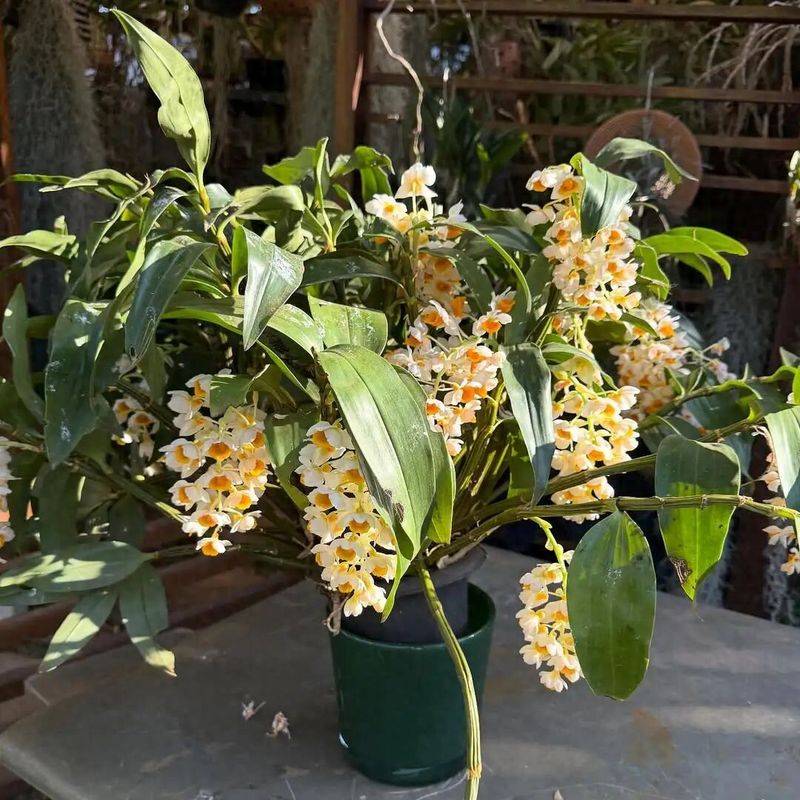
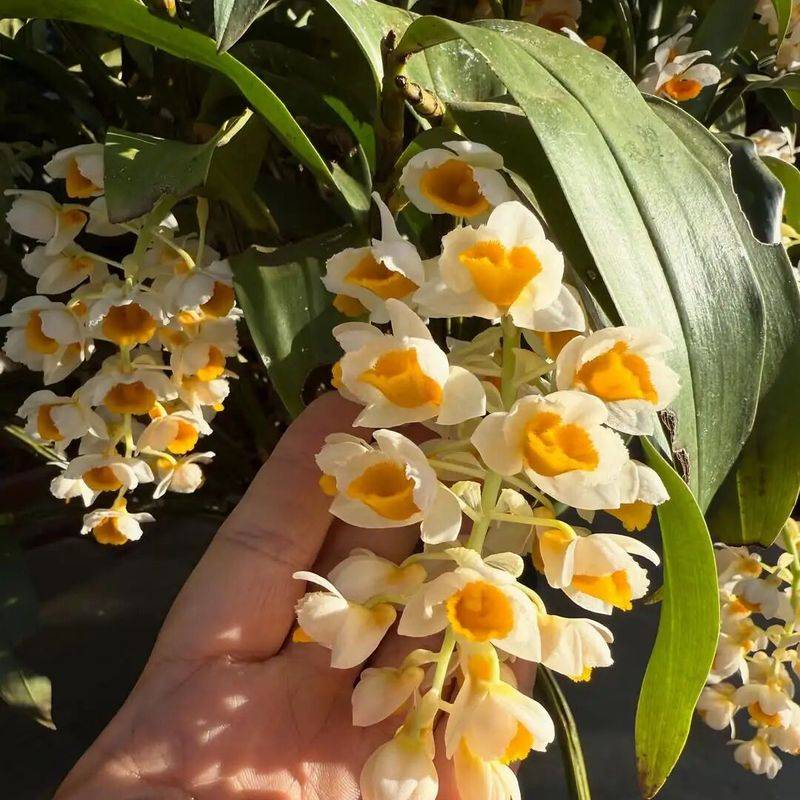
The quarries are more delicate orchids, which cannot be raised in too much sun or too dark a place to scatter light; and they can meet their growth needs by not allowing the plantings to be long dry or frequent damp and to be applied in a way that is not too frequent。
1. How about the stone collin you just bought
The conservation methods are broadly the same, both in autumn and spring rock. Do not rush home to change basins, especially plants with flowers and flowers, to maintain them first, so that they can be placed in a more beautiful flower basin, which does not affect growth but enhances appreciation。
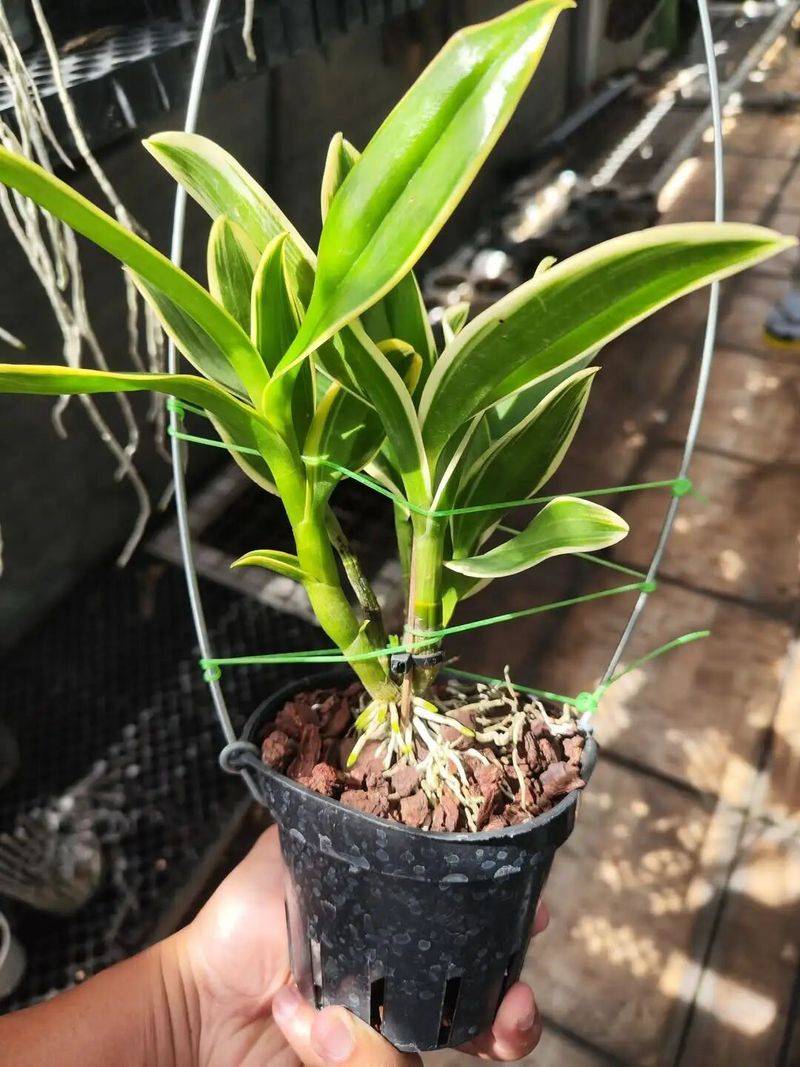
First, a two- or three-day drop in the air cover, then slowly increase the dispersible light and avoid a direct flash of strong light. If the plant is dry and the flower pot feels light, it can slowly pour water into the plant, or it can be pumped directly into the water basin for about 15 minutes, and see the surface implant saturated and drained in time。
The newly purchased quartiles need not be fertilized, and are usually considered for supplementary nutrients when the flowers are ready。
Positioning
The need for light is not so strong as to favour a semi-negative environment. For the winter spring festival, if the temperature continues below 25°c, the light is softer, allowing it to tan more, with no problems from morning to evening。
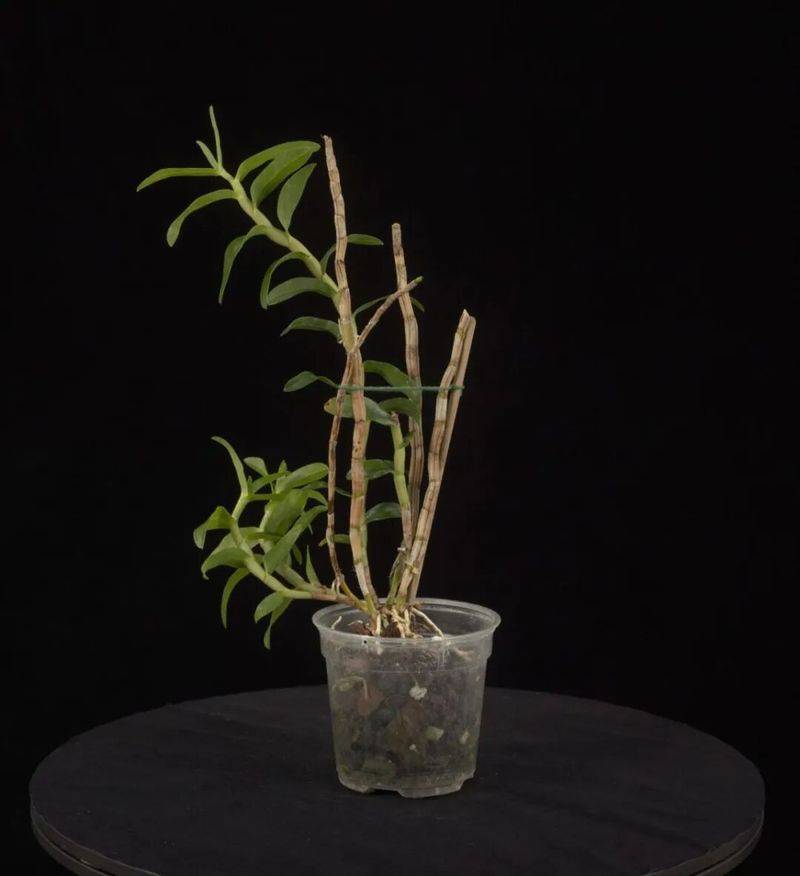
In other words, when the winter spring is cool, it can be placed on a southward balcony or window table; when the summer and autumn temperature rises, it has to be moved to the cool ventilated area. However, if the temperature continues to be higher than 28°c, appropriate shades are required at noon and afternoon to avoid burning of the leaves。
Be careful not to place quartiles in too dark a position, such as in the bathroom or in very poor ventilation. Inadequate light leads to the non-flowering of plants and can easily trigger rotting roots。
Watering
The root system is the key to raising the typhus. Its roots are attached to the bark or flower basin surface, which is more water-sensitive, cannot be overwatered, and is protected from chronic dampness or water accumulation。
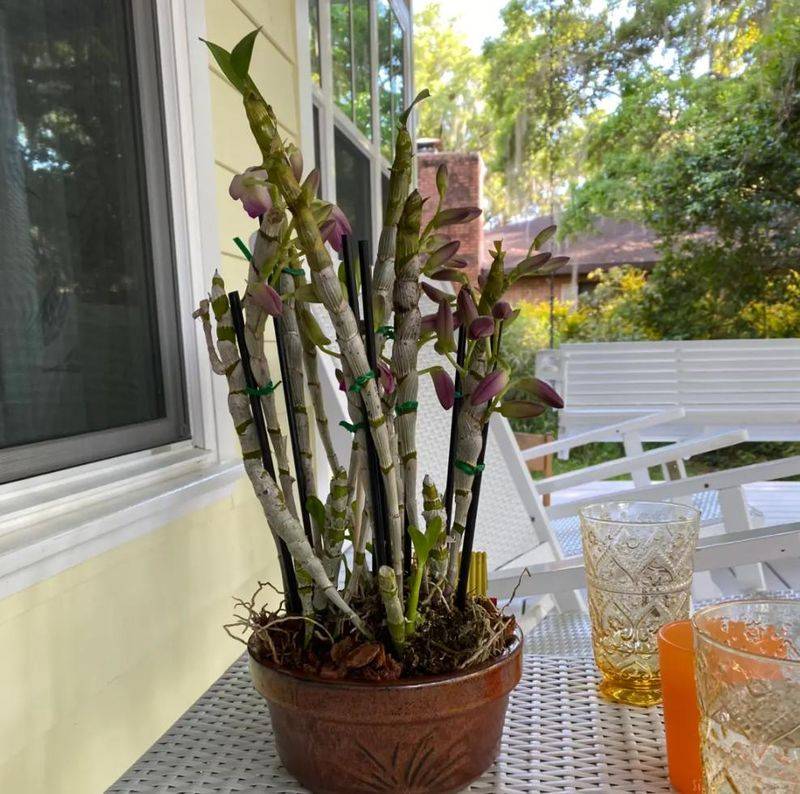
If it is not clear whether water should be poured, it is possible to observe the state of the leaves and prostheses: when leaves are found to be low, the prostheses wrinkled, and the plant is dried, the plant can be immersed in the water basin, so that the plant can slowly suck in and saturate and extract the asphalt。
As long as the temperature is above 12°c, the plant is almost dry enough to fill the water in a timely manner; winter season should be careful not to use cold water to fill the water with indoor constant temperatures. When temperatures are below 10°c, water needs to be properly controlled to reduce the frequency of water irrigation。
4. Temperature and humidity
Most of the quarries have a suitable growth temperature of 1228°c and a dormant temperature of 1215°c. If it is to bloom smoothly, it is best to provide a cooling environment during the flower season, to keep it at appropriate temperatures at night, to stimulate buds through temperature differentials, and to keep the temperature above 5°c to avoid freezing。

The quartiles have certain requirements for air moisture, and if the environment is too dry (e. G. When heating is in the north), ways should be found to increase moisture, but not to spray leaves and flowers. It is possible to spray mist water around a plant, or to place a shallow basin at the bottom of the flower basin, laying on the pebbles and pouring in a small amount of clean water, placing the flower basin above the water surface and increasing the surrounding humidity through evaporation。
5. Fertilizing and changing basins
The demand for fertilizers is low, usually in the spring and autumn, with a slight decomposition around the basins, with the option of a common generic decomposition, or with slightly higher levels of potassium phosphorus elements, to assist in flowering。
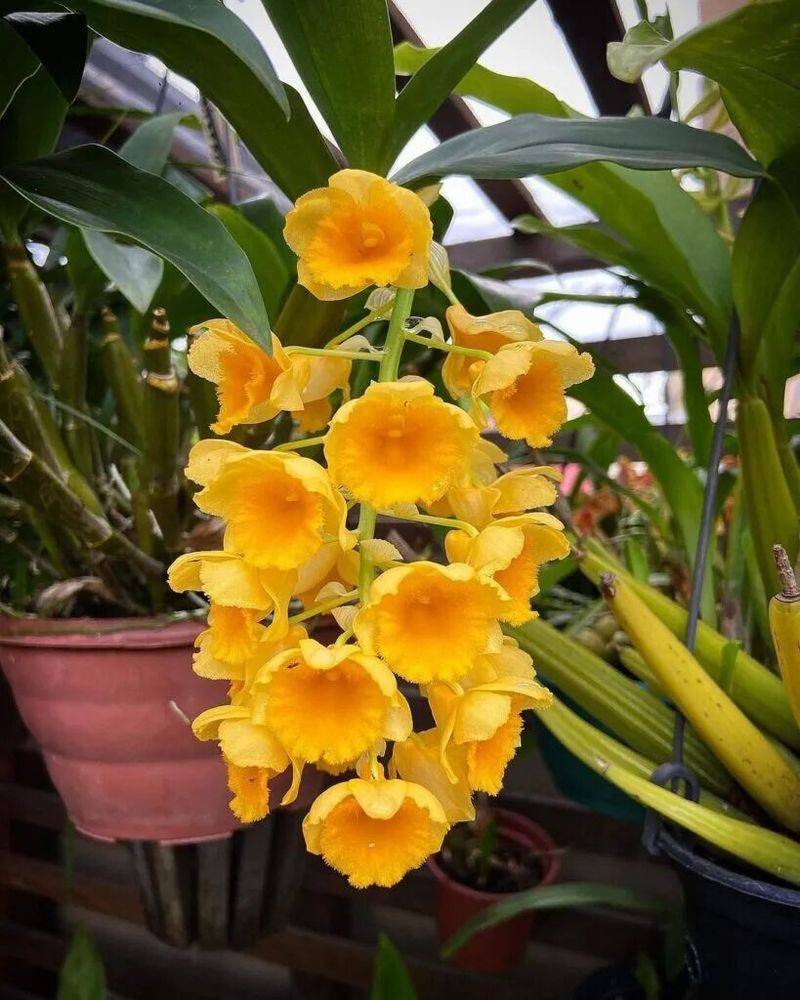
During the boom season (at 1522°c, before growing leaves and buds), water soluble fertilizers can be replenished every two to three weeks at concentrations that dilute to the usual 1/5-1/4 concentrations, rather than over-fertilization. Fertilizers that are diluted by water can be sprayed directly on the front and back of the leaf, choosing clear mornings or evenings。
6. Reloading elements
It is not necessary to change basins frequently, usually every two to three years. The best time to change basins is spring, or when the flowers are about to lose, cut off the flowers and then change basins。
Instead of ordinary soil, it is recommended to use either orchids, or loosely aired plants such as pineapple, coarse coconut shells, or orchids; and the flower basin is not too big to be used for one lap larger than the original basin to avoid the accumulation of water in the basin。
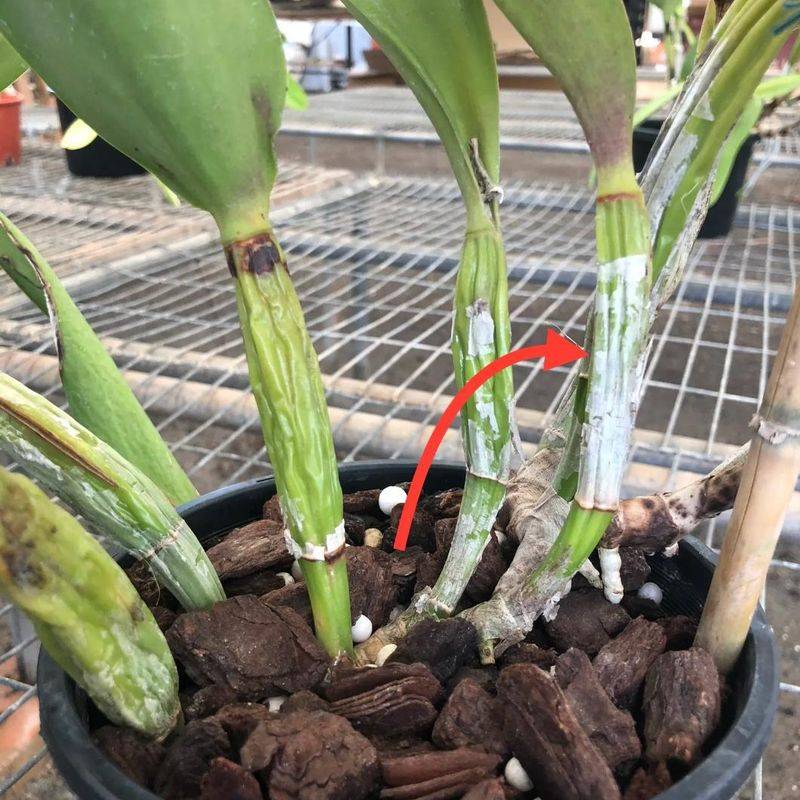
It's normal that the pebbles have a white ash on their fake stub。
The refilling operation is simple: it grabs the base of the plant, lifts it up gently, trims the aging root system appropriately, adds new acreage, and adds a light tap around the flower basin to ensure that the plant is in full contact with the root system, thereby facilitating its recovery。
7. Reproduction methods
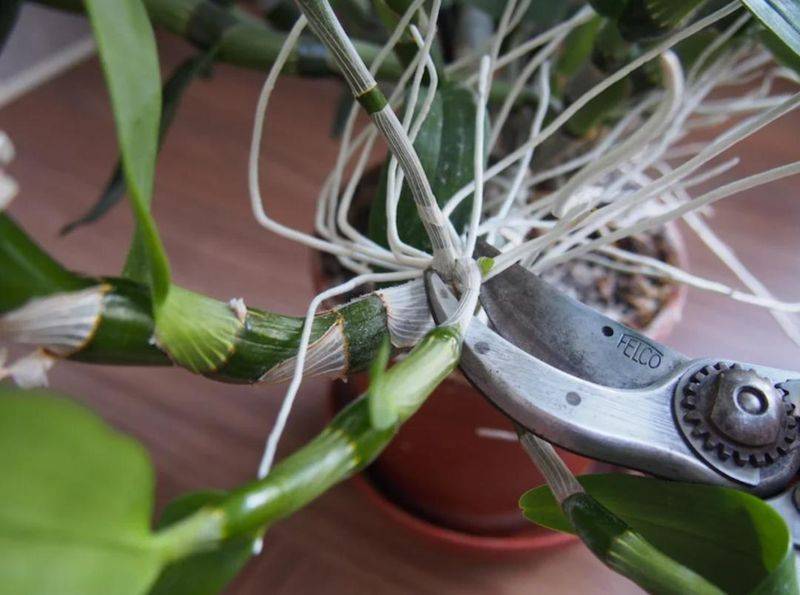
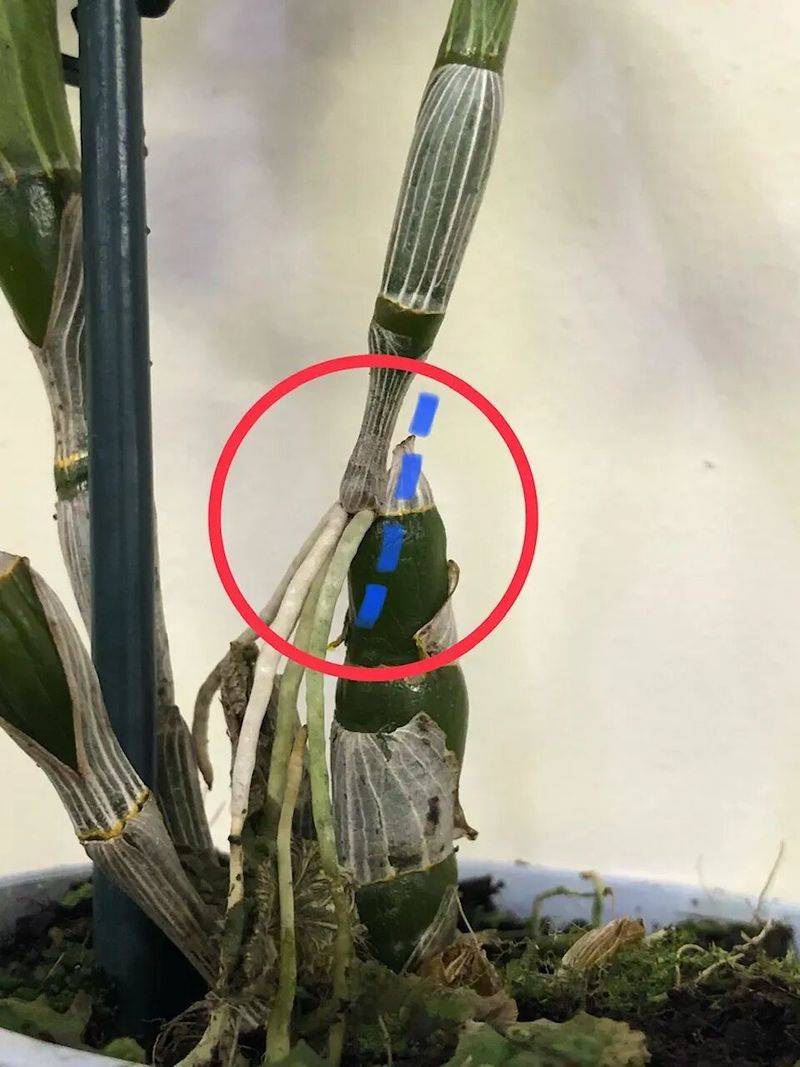
It's a sprouts of quarries that can be cut off from the top map of the blue dotted line, dry the wound, replant it。
It's not hard to breed, usually in the spring: it'll sprouts on the side next to the mother. Down (preferably cut together with some of the roots) the side sprouts are replanted into smaller flower basins and managed in accordance with the conservation methods of the common quarries。
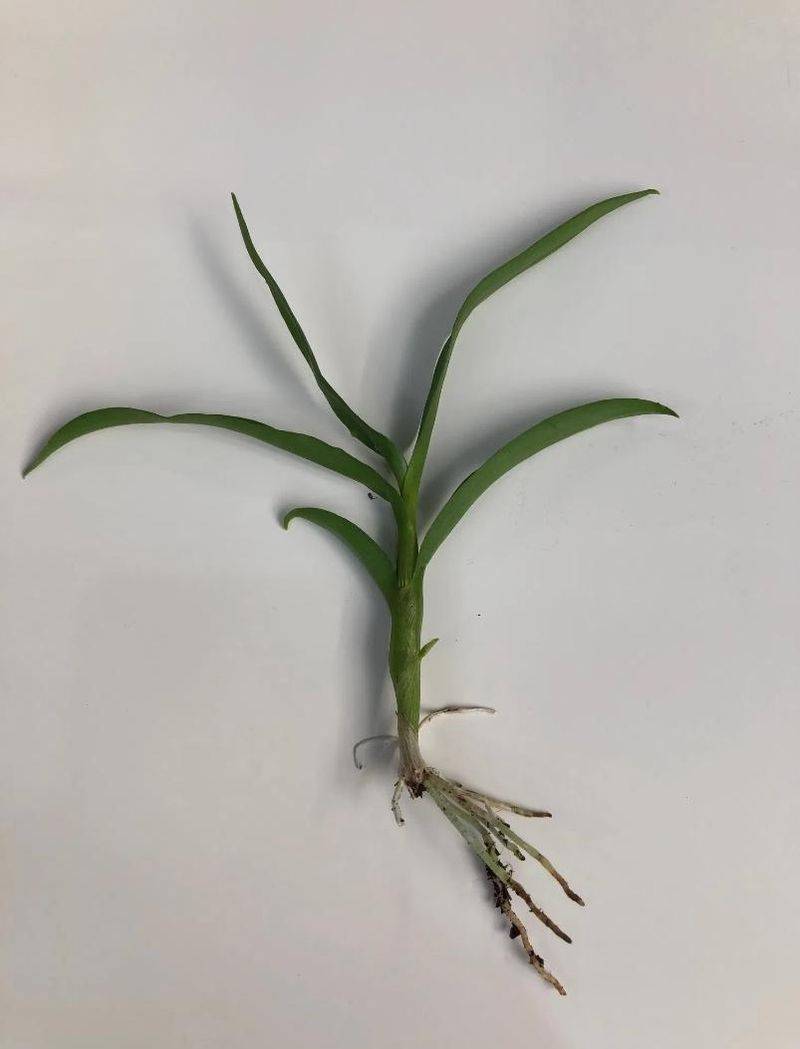
If the sprout is sprouts and the roots of sprouts are stronger, they can also be cut off separately, using moss or barks as a planting material, and transferred to new small basins for conservation。
A little tip:
A small number of yellow leaves are normal in quartile growth, and it is important to distinguish between biological or pathological yellow leaves:
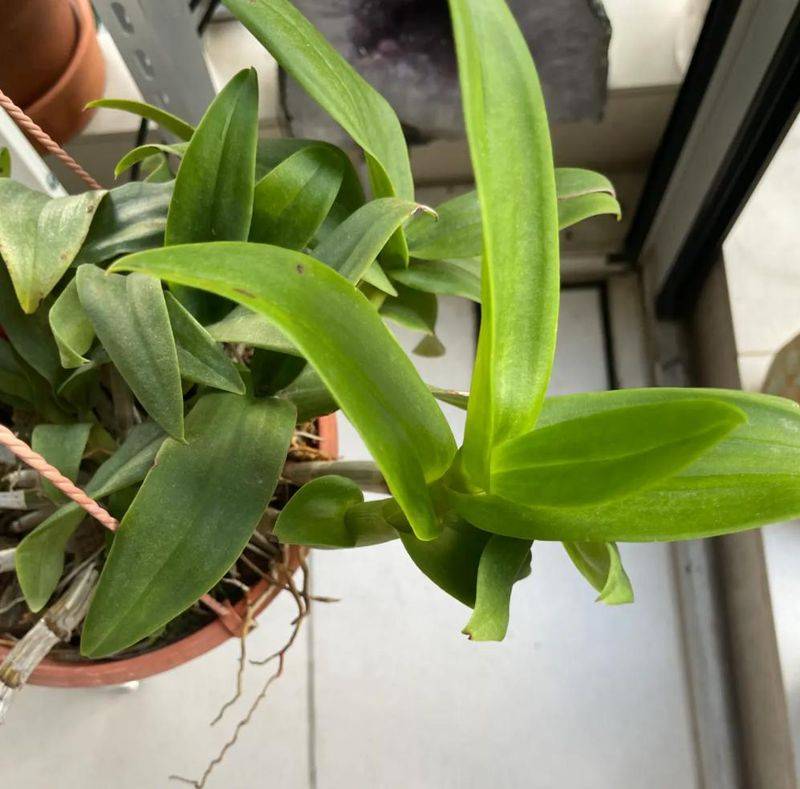
It is normal that leaves at the bottom of the mantle become yellow wither after flowering, as they consume large amounts of nutrients and plant plants naturally metabolize old leaves; some leaves may also dry up at lower winter temperatures without excessive fear。
2. If large areas of yellow leaves occur during the growing season, the probability is that too much water has been poured to cause the rotting roots to fall out in time to cut out the decaying roots, so that the remaining health roots are immersed in polybacterial solubility for half an hour, after drying out, and new plantings and flower basins are replaced。
3. Plantation is also manifested in large-scale yellowing of leaves and atrophy of rods, when the extraction of the plant will reveal that the roots have become brown and soft, and will need to be treated in a timely manner in the manner described above。



