


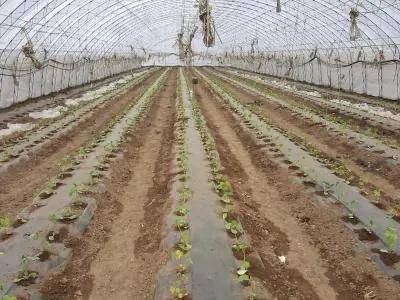
A number of vegetable farmers, after having collected cucumbers in large sheds and open gardens, want to make more money by planting two cucumbers immediately thereafter. In essence, most of the three-day window period, which is essential for two cucumber plantations, is ignored, with the three-day nodes staggered and one day staggered, and the growing and annual harvests will be implicated. The old vegetable farmers tend to grow deep in the fields and large cucumbers, summarizing the three key points of time for the day of suffocation, the day of seeding and the day of slow seed control, which are also the core of the two cucumber harvests, combining the time of control with the home plot environment and the ease with which the seating rate increases。
The first step towards the start of two cultivations was the head-stamping of cucumbers, with most farmers collecting the last batch of cucumbers and planting the seedlings in haste with their hands, which is the primary incentive for reducing production. The head of the cucumber grows in the ground for several months, with a large amount of root residues, scabs, and the potential for frosting, powdery disease and eggs, and if they are not killed in a stubble, the two small seedlings are so vulnerable to endemic diseases that they die from their roots. First critical day: the best day in the park, the third day after the head stabbing。
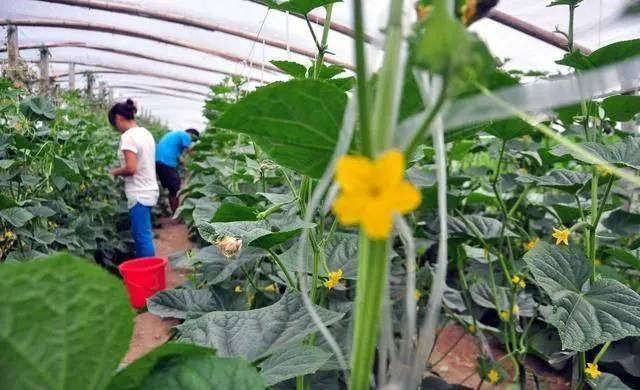
The day the harvest of cucumbers is finished, all of them are cleaned out of the garden and collected into the fields for deep burial, rather than piled to the ground by the water ditch, and the bacterial rain washes back into the ground. Two days on hold awaiting evaporation of surface water, the third day of deep tillage, 25 centimeters above the depth of the earth and the earth's slabs, could deepen to 30 centimetres and break the slab. After deep tillage, decomposed farmers' fattening is applied to soil fertility, with a small amount of balanced compound fertilizer, and blindly overapplied bioseptics, which tend to burn and damage roots. After applying fertilization, the raspberry sheet rises, closed the air vents of the sheds, the earth and the earth are covered with high temperatures and midday membranes, and closed with a closed roof for five to seven days, and high temperatures are used to kill the eggs and the fungus. In the case of cold weather in the rain, the stagnatoria are extended for an appropriate period of three days, and when the silhouette ends to ventilate the membranes, waiting for the soil temperature and humidity to return to an appropriate state to prepare for planting. When many farmers are greedy, they plant their seedlings on the same day, soil diseases are not eradicated, fertilizers are not decomposed, two cucumbers are prone to diseases and later periods are difficult to remedy。
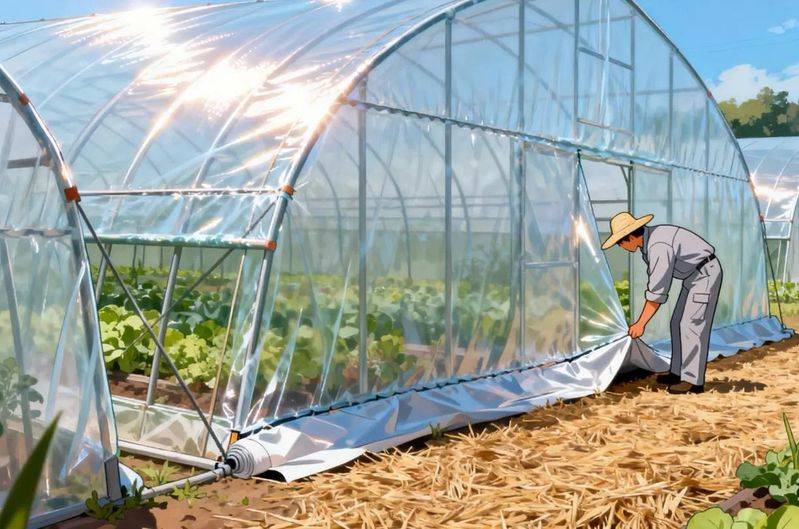
The second crucial day follows the end of the stout: the day after the stifling, the day after the stifling, the day after which two cucumbers move to plant gold, neither early nor late。
The selection of cucumber seedlings gives priority to single-leave, thick-drive, green-leaved, mature-age seedlings, and to the elimination of high-foot seedlings, weak seedlings, and sickly seedlings. Two cucumbers were planted during the high summer and autumn season, and at high noon light and high temperatures were prone to burning seedlings and leaf blades. They were set to move from 5 to 9 a. M. And down from 4 p. M. The seedlings are raised with the earth's dust, with maximum protection of the roots of the earth, and the breaked seedlings grow in length and become weaker later. The floors are laid early, with a small amount of water being poured into the ground, and the water leaks into the earth, and then the seedlings are put back into the ground, so that the tops of the ground and the seedlings are flat, so that the cucumbers are not buried, and so that the deepness of the ground is sorely wet as to breed disease and disease. The density of the plant is adjusted to the planting pattern, with around 3,500 plants per acre planted in the open, 4,000 per acre grown in the sheds, poor ventilation in the fields, heavy fallout and waste of land capacity. Some of the farming households are replanted after two to three days of dry air, soil moisture loss, excessive temperature fluctuations, and new seedlings are becoming more difficult to adapt to the environment, with a delay of three to five days, which misses the optimal life span。
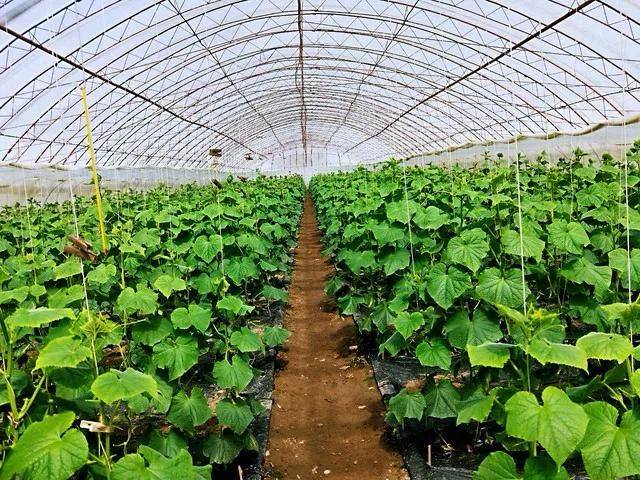
All seedlings were planted and a third critical day was set: the day of slow-growing water for rooting, the third day of planting, which directly determined that the cucumber roots were deep-seated, that energy sources were well developed and that the later period was full of sperm。
The fixed root water which was poured on the day of planting only serves the surface soil to be moist, the first two days only to observe the pedestals, the soil is not dry or additional, many farmers are afraid of the aging of the seedlings, the next day the soil is flooded with oxygen, the cucumbers need to float to the ground without rooting in the depths, the later periods are drought-resistant, insatiable, and the amount of nuts is reduced. By the third day of planting, when the soil of the field is dry and wet and the surface layer is white, the water is soaked with a little water on the side, which is suitable for the permafrost floor, and it is strictly forbidden to overflow with heavy water. Following the watering, the sheds were ventilated and wet on both sides in a timely manner, and the fields were drained and drained in a timely manner after the rain. Following the end of the slow-saping water, the pursuit of fattening is suspended until the cucumber grows four new leaves, the seedlings are able to grow to life, and a small amount of it is soluble, leading to the deep downing of the roots. Insect resistance is also required during the slow-plant phase, with high levels of aphids and white lice in the summer and fall, which not only eat young leaves but also carry viral bacteria, yellow-boarded physical insect resistance in the field, but also low-toxic pesticide spray control when the pest base is too large。
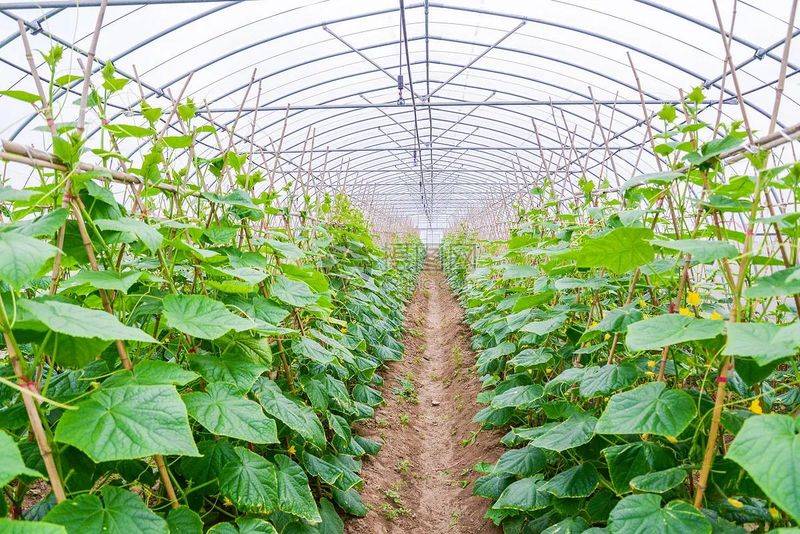
The holding of the three-day critical period was a bottom-up exercise, with two cucumbers living long in hot and rainy times, and subsequent field management not loose. The saplings climb ten centimeters of chicken in time, sprout the extra sprouts in the bottom, and reduce the unprovoked consumption of nutrients; they are followed up by a series of fattenings, with an increase in the amount of potassium fertilizer during the expansion period, and contribute to the expansion of the cucumber and the upgrading of its stripes. The rainy season focused on the prevention of frosting, anthrax and the timely wiring of leaves after the rains, increasing the ventilation in the fields and reducing the probability of outbreaks。
A number of rural farmers who grow cucumbers on a large scale have farm-related support subsidies. The criteria and conditions for obtaining subsidies vary from one place to another. Most small-scale, small-scale family and small-scale garden vegetables are not covered by the subsidy. Farmers who wish to declare a farm subsidy can submit land-contracting materials to their village councils and village agricultural service centres for consultation and submission of applications on local request, subject to the approval of the competent authority。
This paper, which is intended for the public information and documentation of the three agricultural policies, farming technologies and the general public, does not constitute a guide to entrepreneurship and a commitment to profit。



