


There are many fire hazards in mining production, and highly molecular materials — flame retardants — are being transported. Fire risk can be reduced fundamentally. For example, the efficient capture of coal dust, the suppression of secondary flight of coal dust, such as new coal dust retardants, can also prevent the burning and explosion of coal dust, improve the environment for coal mine operations and increase the resilience of coal mines, which is of great relevance for the safe production of coal mines。
Flame retardants, also known as fire protection agents, are generic expressions used to improve material flame retardants. Flammant retardants are added to high molecular materials by physical mixing or chemical bonding, and function at certain stages of the combustion process, depending on their properties, to inhibit or even interrupt the combustion. With the addition of flame retardants, the rate of combustion of high-molecular materials has been significantly reduced and even made difficult to burn. Thus, flame retardants are widely used in high-molecular materials in construction, textiles, electronics, space and transport. Its safe use can serve to reduce energy and natural resource consumption。
I. The mechanism for the operation of flame retardants and flame retardants by reducing or stopping one or more elements of the combustion process, whether physically or chemically. Flammable flame retardants are mainly transported by reducing temperature; diluting the concentration of oxygen and combustible gases; forming non-flammable protective film or heavy gas compartments on the material surface; and capturing free radicals to stop chain reaction。
Fire retardants are classified according to chemical composition and flame retardation principles, among others:
(1) where flame retardants may be classified as flame retardants, depending on the flame retardants contained in flame retardants, such as halogens, phosphorus, nitrogen, sulphur, phosphorus, nitrogen phosphorus, silicon, americ, boron and aluminium magnesium。
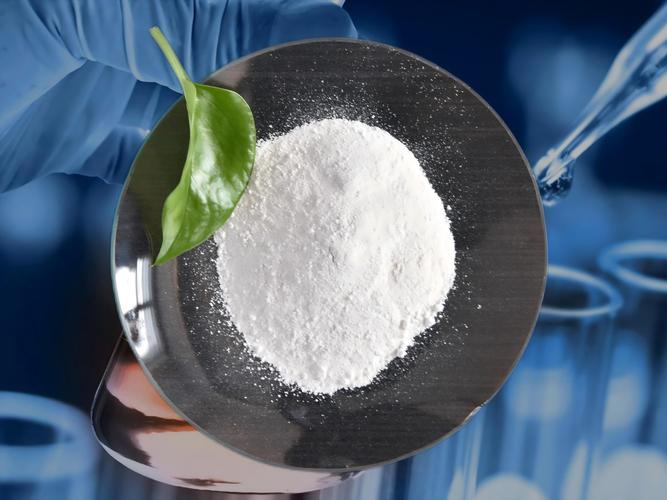
(2) organic flame retardants, inorganic flame retardants and organic, inorganic hybrid flame retardants, depending on their composition. Of these, the main groups of organic flame retardants are organics, currently the main products are halogen-based flame retardants and organophosphorus-based flame retardants; the inorganic flame retardants are the most environmentally friendly flame retardants at this stage, with a greater number of applications being boron-based flame retardants (generally borate), metals and their oxides, and hydroxides (such as aluminium hydroxide, magnesium hydroxide and ammonium trioxide) and demand for such flame retardants is increasing year by year. A mixture of flame retardants as an improved product of inorganic salts has replaced some of the inorganic flame retardants in practical applications。
(3) depending on the method of use of flame retardants and their presence in polymers, they can be classified into three categories: additive, reactive and inflating. Of these, additive flame retardants are only mechanically mixed in polymers at the time of use and there is no chemical change per se; reaction-type flame retardants are introduced into materials to increase their flame retardation by chemical reactions with polymers; expansion-type flame retardants form a multi-pore foam coke layer on the material surface at combustion, insulating, sequestering oxygen and flammable gases through foam carbon layers to act as flame retardants. Of these three types of flame retardants, additive flame retardants are the most used, exceeding 80 per cent of the total flame retardants。
Ii. Description of common flame retardants
(1) halogen-based flame retardants
Halogen-based flame retardants are organic compounds containing chlorine or bromine that break down at combustion to produce halogenated hydrogen gases that are not easily combustible. Hydrogen halogenation can actuate free-base reactions with thermal fissures of high-molecular materials and reduce concentrations of free- radicals away, thereby slowing or inhibiting chain-of-combustion reactions for flame retardation purposes. Halogen-based flame retardants are low-priced, have low additions and have significant flame retardation effects, and because they are more compatible with high-molecular materials, apply to thermoplastics, heat-fixed materials and are widely used in automobiles, packaging, textiles, etc., and are among the most produced flame retardants in the world today。
The safety and environmental problems of halogen-based flame retardants have also been highlighted in recent years. The first is the toxicity of halogenated hydrogen gases resulting from the combustion of flame retardants, which, after absorbing water from the air, form highly corrosive hydrogen halogenic acid, while the combustion of flame retardants produces large amounts of toxic gases that can cause harm to those fleeing fire sites. Second, studies have shown that this type of flame retardant itself has a degree of biotoxicity (which may interfere with the endocrine, reproductive and thyroid system functions in humans) and is bioaccumulative, such as the potential of halogen-based flame retardants to accumulate along the food chain following their release into the environment during material use or recycling. As a result of the safety and environmental risks mentioned above, some halogen-based flame retardants have been banned by law and the development of efficient, non-halogenated, low-smoking, low-toxic, environmentally friendly flame retardants has continued。
(2) phosphorus-based flame retardants
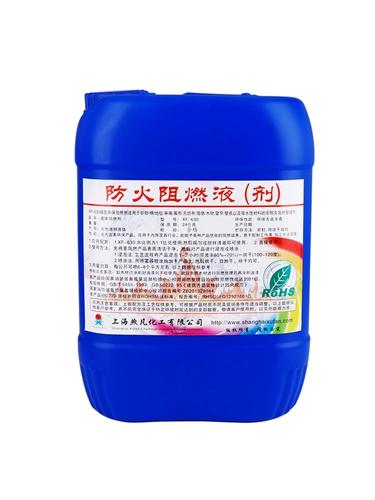
Phosphorus flame retardants, including inorganic phosphorus flame retardants and organophosphorus flame retardants, are flame retardants that use thermal dehydrated products produced by phosphorus-containing clusters (cohophosphate, paraphosphate and polyphosphate) to promote dehydration of materials (polyxylated) to form a layer of non-combustible carbon layer, while flame retardants themselves are covered by thermal melting into high-column fluids or foam formation in conjunction with nitrogen compounds on the material surface, separating the combustible material from oxygen and thermal sources for the purpose of flame retardation. Most of the flame retardants are non-halogenated (or low) and low-smoking and have good prospects for development。
Major varieties of inorganic phosphorus flame retardants include red phosphorus, ammonium phosphate, ammonium polyphosphate, etc., and organophosphate flame retardants include phosphate, phosphate, thylate, thorium oxide and phosphate polymers, the most widely applied being flame retardants containing halogenate. The environmental hazard of phosphorus flame retardants is significantly lower than that of halogen-based flame retardants, but their application is consistently less extensive than that of halogen-based flame retardants owing to deficiencies in material compatibility, flame retardation efficiency and thermal stability。
(3) the main flame retardants of the metal hydroxide are magnesium hydroxide, aluminium hydroxide and the layered double hydroxide (ldhs) flame retardants. This type of flame retardant reacts with dehydration at high temperatures, effectively reducing the temperature of the combustion system and significantly reducing the rate of combustion of high molecular material, while large amounts of water vapour generation can dilute the concentration of flammable gases, while magnesium oxide formed by thermal decomposition and aluminium oxide can be combined with carbonated products on the material surface to form protective membranes that isolate the subsequent reaction of oxygen and flammable substances。
Aluminium hydroxide is one of the first inorganic flame retardants and the largest currently consumed (about 70 per cent of the total flame retardants). The difference in heat stability between aluminium hydroxide and magnesium hydroxide determines that their scope of application is different. Aluminium hydroxide applies to manufactured rubber and plastics at processing temperatures below 200 °c; magnesium hydroxide can withstand higher processing temperatures due to good heat stability (which is still good at 300 °c), but because of its low flame retardation efficiency when used alone, increased additions can lead to poor corrosive materials ' mechanics and processing performance, which usually require surface modification or mixing with other flame retardants. The layered double-metal hydroxide is a combination of water sliders and water slide compounds that have the dual function of flame retardation and smoke suppression by virtue of their composition and special formations, such as the decomposition of magnesium blubber in low and high temperatures, which greatly broadens the temperature range of flame retardation and is an efficient, halogen-free, non-toxic, low-smoking new flame retardant。
Iii. Status and trends in the manufacture of flame retardants
(1) status of development of flame retardant manufacturing
In recent years, our markets for the production and consumption of flame retardants have flourished. Since the beginning of the twenty-first century, domestic consumption of flame retardants has increased rapidly, making it the second-largest high-molecule variant now after plasticizers, which also provides good space for the development of the domestic flame retardant industry. The fire-retardant industry in our country, although it started late, has grown rapidly, and product restructuring is improving as markets expand. The domestic flame retardants industry is also gradually changing from a traditional pattern dominated by halogen-based flame retardants to a new pattern dominated by efficient, environmentally friendly flame retardants。
At this stage, most of the flame retardants produced in our country are exported directly in the form of raw materials to developed countries such as europe and the united states, as well as japan, where consumption in the domestic market is small. In comparison with developed countries such as europe and the united states of america, we are still in the process of establishing sound fire-fighting norms in areas such as building materials, electronic and electrical equipment and the textile industry. The proportion of flame retardants added to the products concerned is still low, and there will be much more room for development in the flame retardant manufacturing sector as laws and regulations continue to improve。
(2) trends in flame retardants
With the advancement and development of flame retardant synthesis technologies, many new and efficient flame retardants have evolved from the research to the operational phase. The flame retardants are constantly moving in the direction of efficient and cheap, smoke-free and environmentally friendly, either through surface treatment of flame retardants, the application of micro-capsule and nanotechnologies in the development of flame retardants, or through the combination of multiple flame retardants to achieve synergistic flame retardation. Let's see



