


Education is not only about providing people with employment and vocational life skills, but also about developing human innovation, awareness and capacity for innovation. In the context of current practice, it is recommended that a breakthrough be made in the four areas of innovative entrepreneurship education, promotion of the integration of new generations of digital technologies with the teaching of education, motivation of teachers, and improvement of the system of quality evaluation in higher education。
National research reports - innovative talent development for the new era (2)
Bear hong-ju
For a large population like china, it is not easy to fundamentally upgrade the system of higher education from its scale to its endogenous development. From the money learner question to the present day, the problem of high-level education in our country has been of great concern. A striking manifestation is the lack of a student's sense of innovation and innovation, as well as the failure to adapt the level and structure of tertiary talent development to the needs of a new economic and social development transformation. The development of innovative talent is a long-term, systematic project, and education (especially higher education) is fundamental and even decisive. While it is difficult for eminent and innovative talent to rely solely on “teaching”, wrong or outdated educational methods and systems are likely to “strangulate” the creativity of people, thereby affecting the growth of innovative talent. It is important to have a deep understanding of the main problems of developing innovative talent in our universities, starting with a shift in the way education is delivered, and to find a breakthrough in deepening reforms in higher education in the new era。
Our higher education has entered a new phase of transformation, but the quality of development is not high
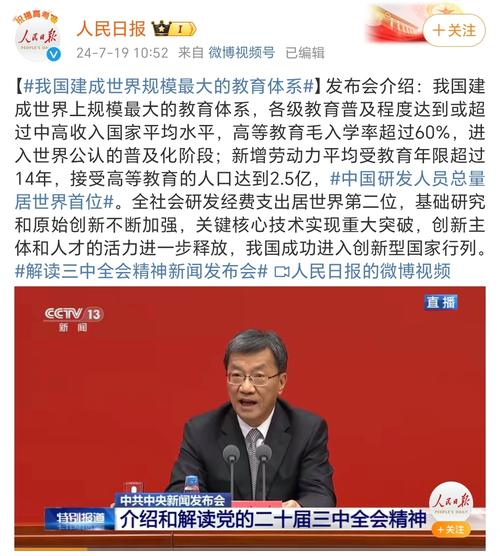
Our system of higher education, which has undergone a leapfrogging expansion and transformation over the past decades, has become a truly large country of higher education. The number of students enrolled in higher education has more than quadrupled since 1999. In 2016, the total number of institutions of higher learning in all categories reached 369. 9 million (of which undergraduates exceeded 1. 61 million), representing 20 per cent of the world's highest. During the same period, the number of general higher education institutions increased from 1,041 in 2000 to 2596 in 2016. The gross enrolment ratio in higher education has reached 42. 7 per cent, above the global average。
As university education moves from elitist to popularization, tens of millions of specialists have been trained in the hierarchy and classification of our universities, providing continuous intellectual support and human resources for economic and social development. The cumulative number of undergraduate graduates reached 2,853,000 in the decade 2005-2015, and the proportion of undergraduate graduates in new urban employment rose from 22 per cent to 47. 2 per cent, making it the most important engine of the new human resources in the country. In 2017, the average number of years of schooling for our new labour force has exceeded 13. 3 years, almost at the average of middle-developed countries. China's contribution to global scientists and highly skilled personnel is high, and oecd expects to reach 37 per cent by 2030. This is due to the fact that a significant proportion of our university graduates have completed stem (compared to 40 per cent in 2013), compared to less than one third of the developed countries such as the united states, the united kingdom and germany。
Despite decades of achievements in the development of higher education reform, the problem of the “larger than stronger” of our university system is even more acute than in many countries where higher education is powerful. The world competitiveness yearbook (2017-2018) shows that although our country is ranked 27th in aggregate and 28th in innovation, it is ranked 47th in higher education. There is a significant gap between developed countries such as the united states (3rd), germany (15th), the united kingdom (20th), japan (23rd). The type, level and professional structure of tertiary education in our country do not match the needs of society in terms of economic and social transformation. On the one hand, the “top-to-top” structure of the talent pool has not yet been developed, not only by the small number of high-level talent such as technocrats and innovative entrepreneurs, but also by the very limited size of highly skilled people in industry. On the other hand, the problem of employment difficulties for current university graduates has increased. A world bank study (2018) shows that in 2015, the unemployment rate among chinese university graduates (in the second half of the year after graduation) was about 8 per cent, that 25 per cent of graduates were paid less than the average wage of rural workers and that 30 per cent of occupations were of low-skilled type (no university diploma required). This in part reflects the downward trend in the rate of return to university education in our country. This is due to the fact that the improvement in the quality of education has not been synchronized with the expansion of scale, in particular the serious inadequacy of students ' awareness and capacity-building for innovation. The country's higher education is still at an “expansive” stage of development, with insufficient development in the context of innovative education。
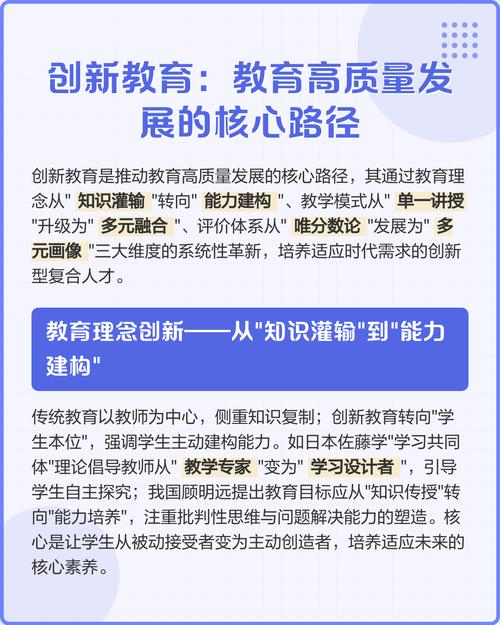
Delays in the transformation of educational approaches and insufficient development of innovative talent are critical gaps to be filled board
First, teaching methods are backward and students are evaluated in a single way。
On the one hand, practical, interactive teaching is not well developed, and classroom teaching is still based on indoctrination, with a focus on intellectual rather than exploratory learning. The teaching methods of most institutions are still primarily teaching, and students do not yet have a self-perception, self-study, and freely created environment; practice teaching is also weakened to varying degrees, with students having more passive practices and too few active practices. Teaching methods place too much emphasis on knowledge transfer and knowledge memory, away from methodology and creativity development. On the other hand, students are evaluated in a single way, with results and processes. Most examinations are uniform, not only lack a pluralistic system of learning content that combines competence and knowledge, but are evaluated in a relatively single way, and monitoring, evaluation and feedback mechanisms for the student learning process are not yet in place。
Second, the curriculum system is of poor quality and general education is underdeveloped。
On the one hand, the number of core professional courses is too high but not sufficiently deep. Too many theoretical lessons and too few methodological courses. The number of subjects to be taught is mainly in large classes, while the number of small courses for inspirational, seminar-oriented courses is too low. The dynamic updating of the content of the specialized courses and the development of teaching materials is lagging behind, and the soft new course development resources are limited compared to the larger input of teaching and research instruments. On the other hand, the development of modular literacy education is insufficient, especially with regard to professional education. Most institutions of higher education have few general education programmes and insufficient resources to open them, which in many cases has become a “point drop”. There is also a greater gap in the ability of schools to operate and in comparison with their international counterparts. The larger number of existing curriculum systems remains at the traditional level of quality education, with inadequate quality standards. The key reason is that literacy education has not been effectively integrated into the professional education system, which has given rise to many “short-term utilitarianism”。
Third, there is a lack of cross-institutional, interdisciplinary, multidisciplinary and cross-school development。
On the one hand, the construction of multidisciplinary, multidisciplinary (including ancillary) and multidisciplinary cross-fertilization platforms is lagging behind. In a few institutions of higher education, there has been some exploration, such as allowing students to postpone their choice of profession or choose more than one profession. Overall, however, there are too many, too few and too narrow a system of professional dynamics adjustment. The reform of the scoring system of increased schooling has not yet been put in place, and student autonomy in learning and limited choice have led to hard-to-reach pedagogical reforms that focus on students and stimulate their learning interests and potential. On the other hand, insufficient attention has been paid to individualized development and “learning by teaching” has not been effective. For example, the development of uniform training programmes, curricula and teaching methods for all students in a specialty is not conducive to the improvement of credit and flexibility systems and does not conform to the innovative concept of “pupil-centred” education。
Fourthly, using a new generation of digital technologies to drive educational innovation is inadequate。
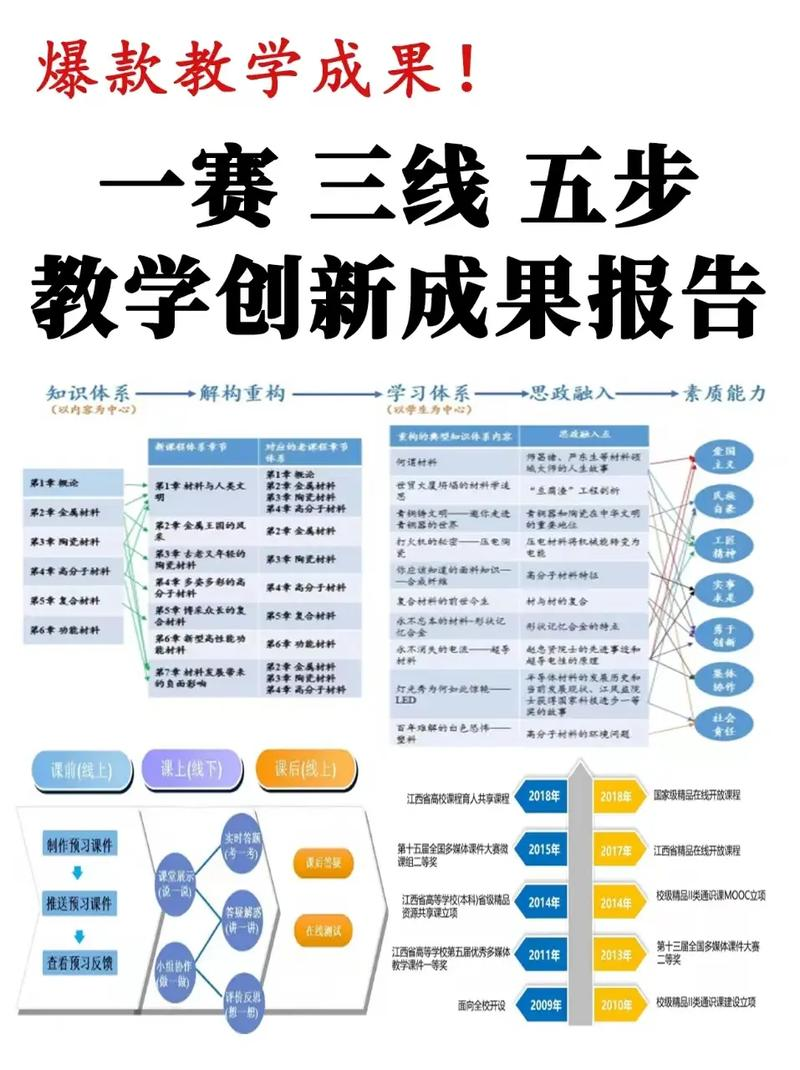
The use of information technology is limited in our institutions of higher education, both in classroom and in practice, and in general, in both graphic and physical education. In addition to insufficient research and investment in digital education, a corresponding system of teaching and management has not been established. Research predicts that new technologies, such as online or mobile learning, self-adaptation learning, large-scale online open courses, overturning classrooms, virtual teaching, intelligent classrooms, creation of space, and new forms will prevail in the global university system in the coming years. Making use of new technologies, integrating formal and informal learning, balancing on-line and off-line education and maximizing the resilience of educational patterns will be an important long-standing challenge for our institutions of higher learning。
Fifth, the motivation and capacity of teachers to invest in innovative education is inadequate。
On the one hand, the uneven performance evaluation system of teachers and the persistence of scientific research and teaching practices have had a serious impact on the motivation to invest in innovative education. The evaluation of teachers ' reproductive and practical competencies is weak and the impact of teaching on the advancement of teachers in professional and technical positions is limited. Some higher education institutions even separate scientific research from teaching, and “severe” the quality of scientific research and teaching. At the same time, the assessment of the quality of teaching by teachers is mostly too simple, and insufficient attention is paid to such factors as innovations in teaching methods, student feedback and quality development. Indeed, it is not wrong in itself, but the key is not “light teaching”. On the other hand, the quality and diversity of the teaching staff that are adapted to the demands of innovative education are underdeveloped and the selection and training mechanisms are inadequate. For example, the main challenge in the reform of education for innovative entrepreneurship is the lack of professional entrepreneurship teachers or teaching teachers and the limited number of highly qualified entrepreneurship mentors. At the same time, inadequate mechanisms for the selection and training of the existing teaching staff affect the quality of the pool of highly qualified teachers。
Sixth, there is an urgent need to adapt and optimize the system of evaluation and evaluation of the quality of education that is not scientifically oriented。
As a “command stick”, an unreasonable quality evaluation system would have a direct impact on the transformation and distortion of education. Among the relevant quality evaluation systems in place, the relative emphasis on discipline-building, scientific research results and the lack of prioritization of the level and quality of talent development needs to be of high concern to the relevant sectors. There are three reasons for this: the first is that the results of the examination of disciplines and research are mostly hard indicators and comparable, while the indicators for the examination of talent development are soft and fragmented, making it difficult to effectively reflect actual results. Second is the number of quantitative indicators and the small number of qualitative indicators — but the level of innovative talent development itself is difficult to measure by quantitative indicators. Thirdly, the primary responsibility, quality awareness and quality culture of institutions of higher education need to be strengthened. As evaluation results affect the quality of resources and sources for running schools, they can also lead to low levels of competition among universities, even “labelling, competition for labels”, and contribute to short-sighted tendencies to improve the quality of some institutions of higher learning, which is not conducive to the orientation of different types of institutions of higher learning towards the proper positioning and development of innovative talent. Policy fixation not only increases the identity of different colleges. Bad
It also reduces the efficiency of resource allocation across the higher education community。
A breakthrough in innovative entrepreneurship education to accelerate higher education
Education is not only about providing people with employment and vocational life skills, but also about developing human innovation, awareness and capacity for innovation. In the light of current realities, it is suggested that a breakthrough be sought in the following areas。
The first is a breakthrough in innovative entrepreneurship education, focusing on the reform of teaching methods, curricula, training models and supporting systems. The reform of innovative entrepreneurship education in higher education institutions has been used as a breakthrough in the comprehensive reform of the entire system of higher education, with a view to reaching out to all, integrating professions, strengthening practices and developing individuality, and bringing science, innovation, creativity and social responsibility throughout the process of student development. For example, reducing the number of core subjects as appropriate, increasing the openness and diversity of the curriculum structure and giving students more autonomy in learning. Increased flexibility reform, promotion of term system reform, encouragement of interdisciplinary and cross-professional learning, improvement of professional dynamic adjustment mechanisms, stock upgrading, incremental optimization and residual reduction. At the same time, the limitations of previous pedagogical reforms should be exceeded as far as possible, starting with integrated reforms in the development of human resources, the development of disciplines and the integration of scientific research, leading to an in-depth education on innovative entrepreneurship. It is important to actively build participatory and synergistic breeding environments, develop mechanisms for school cooperation and resource-sharing, and promote the timely translation of social resources for quality education into the teaching content of innovative entrepreneurship education。
The second is to promote the integration of a new generation of digital technologies into the teaching of education and to adapt to the new demand for talent development under the digital transition. (c) to accelerate the use of the new generation of digital technologies, such as the internet, big data, artificial intelligence, virtual reality, in classroom teaching and educational management, and to actively explore intellectual, low-cost, personalized educational approaches and encourage the development of a new “internet+education”. (c) to improve teachers ' digital literacy and promote the use of new models such as classroom transfer, learning in general, mixed teaching, etc. In creating spaces, multidisciplinary integration of learning, creative education, etc. (b) to accelerate the improvement of the inter-school recognition system and the standard system, and to initiate the involvement of social forces in the innovation of higher education。
The third is to motivate teachers to support the upgrading of innovative educational capacities. Further clarify the responsibilities of all teachers to participate in innovative education, encourage classification management and further improve performance and job title evaluation systems. (c) strengthen the evaluation of teaching performance, introduce a one-vote system in the evaluation of professional technical qualifications, and effectively increase incentives for teachers whose performance in innovative education is prominent. Institutionally ensuring that teaching and scientific research are equally important as a basis for evaluation, and continuing to strengthen the teaching skills of higher education teachers. (c) to accelerate the improvement of the teaching training and development system for teachers in higher education, improve the mechanisms for mobility between higher education and industry, reform the selection and appointment mechanisms and improve the quality of their sources。
Fourth is the fundamental improvement of the quality evaluation system in higher education and the creation of a good ecology. The overall improvement of the quality evaluation system in higher education institutions is a top priority in the implementation of the reform of “de-institutionalization” in the field of education. The level of talent development should be used as the primary indicator for evaluating universities, highlighting student-centred and innovative mechanisms for continuous improvement of the quality of education and improvement of the quality culture of higher education. Overquantified, short-term and fragmented performance indicators need to be adjusted to incorporate quality standards for innovative entrepreneurship. Optimizing classification management and encouraging orderly competition among different modes of learning by abandoning unreasonable “one-size-fits-all” labels. (c) strengthen the role of supervisory evaluation and guide the different institutions of higher learning in the development and quality of innovative skills. Efforts have been made to improve the external environment for the management of institutions of higher education and to create a good human ecology。
Department of innovation and development research, centre for development studies, state council
“research on innovative skills development, incentives and introduction mechanisms” group
Subject: ma jie
Topical focal point: jiaxuan tani
Member of the team: yang jiang-jian-jan yang, wang hui zhang zhuong, zhui zhuong li zhong



