


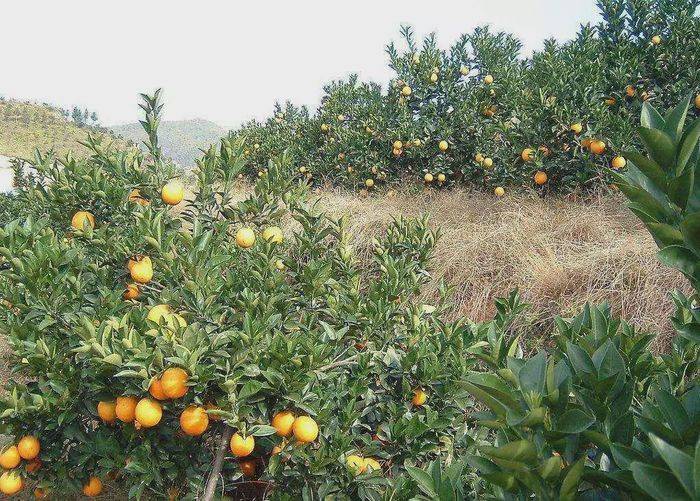
The prevention and control of yellow dragon disease, based on routine application of fertilisers, shearing, spraying, preservation fruit, and drainage protection in open ditches, has continued to be carried out in the light of the current climate trends and patterns of the orchards over the past year, with a focus on the management of the citrus spring around the “spring, spring fertilizer, spring protection, spring protection” approach。
I. Time for a spring cut
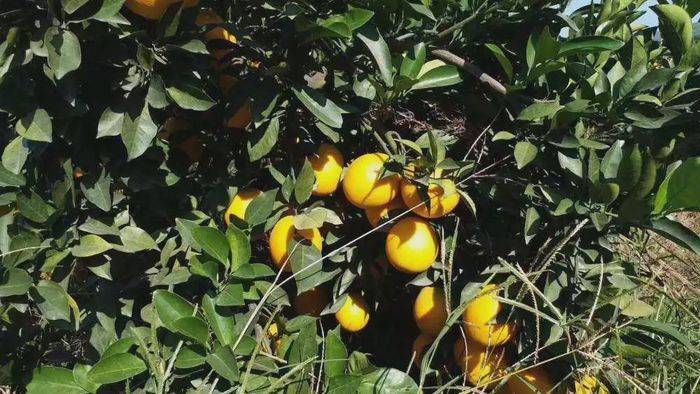
The results were high last year, with relatively good springs and autumns, more thawing leaves, weaker tree positions, wood lice and powder lice, yellow dragon disease, ulcer disease, high incidence of tobacco and coal disease, yellow trees caused by disease and pests, weak mother branches, more twigs, and early spring cut-off to winter gardens. The first is tectonic tree, a decomposition tree, a severe ulcer tree, an disordered variety (degradation, deterioration), a overcrowded tree with excessive density, in particular the tree with a five-step “saw” to cross by the end of february; the “two-sided” tree torn face; the “triple” tree torn face to glycerine; the “four-packed” tree torn face to black filament; the “quints” to be covered with soil, to ensure that spring and summer tree sprouts do not sprouts, to remove the diseased tree from the garden for central burning; the second is to cut the branches, first, to cut all the skirts around the tree crowns at a height of 0. 3 to 0. 5 metres from the ground, to remove the twisted leaves from the top of the tree, and to promote the tumble of the twivells, which are the result of the freezing of the leaves, the falling of the trees, the falling of the trees, and the twigs of the trees。
Ii. Rejuvenating spring fertilizers for replanting
When spring comes, the tree canopy, the plate is frozen, and the earth is removed. ~1 ~0. 15 kg of magnesium (compression) per acreary drops in mid-february, followed by spring fertilisation in a canary drip ditch or ring ditch, resulting in 4 to 5 kg of corrosive corrosive weight per adult tree (or biological and organic fertilizer of good quality), 1 to 1. 5 kg of high nitrogen-heavy potassium or potassium sulphate sulphate compound fattening (e. G., merchant, sacrofus, open phosphorous sulphate, amaze, stream, stamite), 0. 1 ~0. 15 kg of magnesium per acre, per acre, percre, ~ 75 ~ 100 kg, with moderate soil acid content, with half-generation of ~ 62% or 0. 25 kg of potassium sulfate; ~ ~ ~ with an increase of ~ ~ ~ ~ ~ ~ ~ ~ with an increase of ~ ~ ~ ~ ~ ~ ~ ~ ~ ~ ~ with ~ ~ ~ ~。
Iii. Focusing on the management of first-born pest control
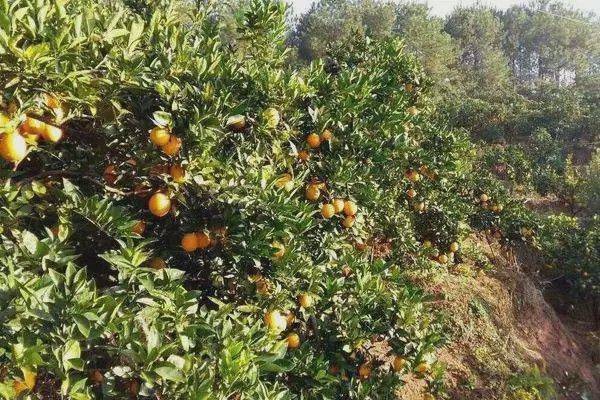
(1) continue with the survey and clean-up of citrus yellow dragon disease. The rise in temperature after spring, the increase in rainfall, the emergence of a budding of umbilical oranges, the extraction of bouquets and the emergence of insects will lead to the normalization, full coverage and timely removal of yellow dragon trees during normal farming operations, as well as the proper treatment of thrusts, soil disinfection with a 100-fold diet of agrococin + yellow acid。
(2) spraying of gardening pills. In mid-march to april (before spring of shock) catch the insects in a period of weakness, using coronary pelvis to clean up 800 times more liquids or americium copper 500 times more liquids, with a 1 per cent equivalent bordeaux pellets, so as to spread a nuanced canopy of a tree canopy to kill the source of the infestation, while at the same time using 1000 times the toxadecafion + 1,000 times the trithion or pyrophos 1,500 times the pyramidium, to kill the first generation of wood lice after winter, and to use them in a continuous fashion, to replace the medicine, rotate it for use and increase the effectiveness of the control。
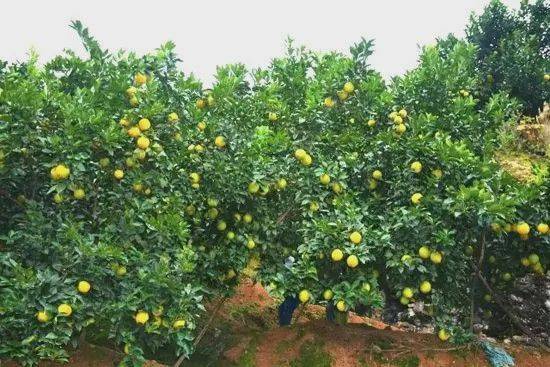
(3) prevention and treatment of insects. During the flowering season (before and after the festival of cinnamon), the vermin insects were treated with 1. 8 to 2. 2% avimectin 2,500 times + 800 times aluminum insect (or 800 times aluminum trichlorfon) + 1,000 times aluminum manganese zinc, to prevent the insects from being visited, e. G. Tremors, pink lice, beetles, gold turtles, acarbs and grey silts, and to reduce the scarring berries caused by visits to flower insects。
(4) physical and biological pest control. In late april, after cutting and stinging flowers, each 15-30 acre orchard was equipped with a high-intensity insecticidal lamp or solar insecticidal lamp, enticing the luminous pests such as scalloping fins and gills; and, with conditions, each tree was equipped with 1 to 2 bags of mites and 1 to 2 cedars to control the use of red spiders and thalliums, booby-camels, etc., to reduce the number of chemical pesticides used in juvenile fruit, save investment, reduce production costs, control pesticide residues, prevent contamination of the environment and create standard orchards。
Measures for the management of flowers and fruit
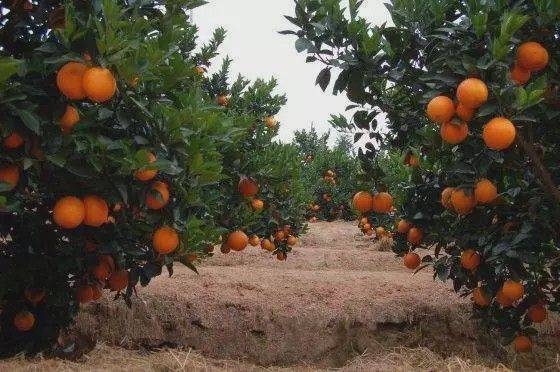
Over the past year, the results have been mixed, with unfinished orcharded orchards closed, intra-chamber overlapping branches, weak branches, diseased branches, flowers falling branches, ointments and later leaves falling branches, with fewer high-quality branches over 20 centimetres of high-quality fruit, which are expected to be less expensive and less flowery this year。
(1) moderate leeches. When it comes to budding, it is less than 5 centimeters, depending on the amount of flowers in the orchard. The small result is that the mother branch, the leafless branch and the poor flower branch reduce the quantity of poor flowers and conserve the fruits。
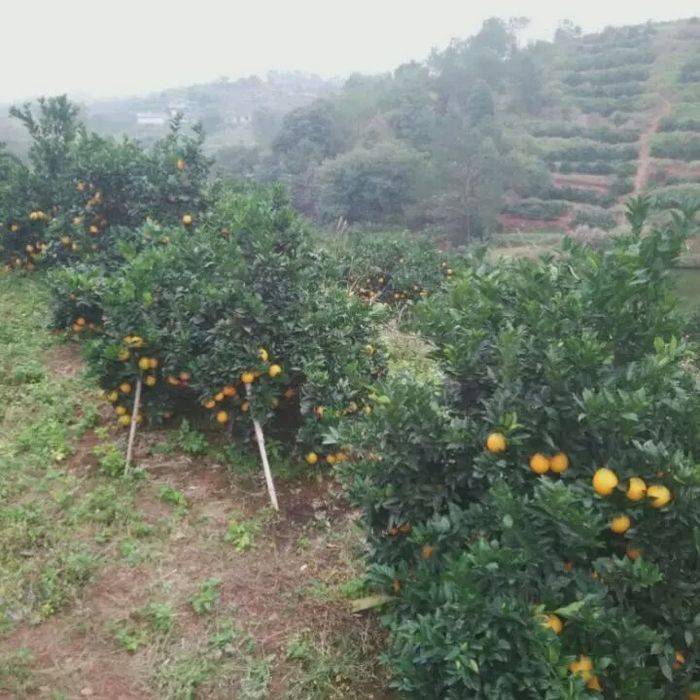
(ii) flower rolls. The flowering and grafting seasons, the timely shaking of the petals, the prevention of rain and rain, the decay of the petals, the promotion of the greening of young children, and an increase in the rate of seatings while reducing the incidence of asymptomosis。
(3) application of organic nutrients. When spring is cut from scratch, leaves become more sophisticated and luminous, organic nutrients can be sprayed in combination with pests, with the option of spraying beverages, zolpidem, leaf greens, green tabo, sodium nitronol, calcium nitrate, calcium f-acidate and muscular magnesium, boron fats, supplementary tree nutrients, promoting leaf luminous energy and increasing the rate of seat fruit. In the event of disasters such as “dry hot wind” or low temperature cooling of continuous rainfall during flower seasons, the option of ba+ga (15-20 kg per 10 ml) or plant growth regulators such as mosaics and 2. 4d is available。
(4) drainage resistance to increase soil permeability. In the spring, heavy rainfall occurs until the physiological fallout, high levels of groundwater in hills, basins and nested orchards, soil susceptibility to flooding, cold air deposition during spring colds, which are suitable for digging “decalogues”, “wells” or “fields”, so that water is not accumulated after rain in the garden, the soil is dry and moderate, the air is well ventilated, and the roots grow and the nuts are promoted。
V. Grab the time and plant the citrus
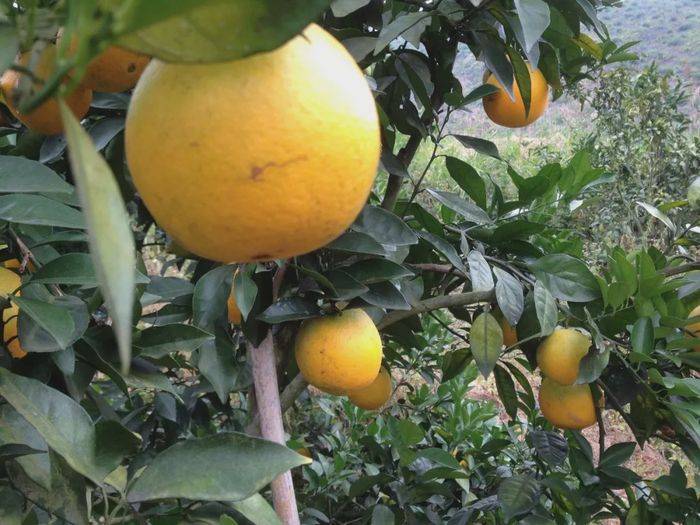
New orchards, with a shortage of orchards, take advantage of the timing from spring to spring break (mid-february to late march) to pick up the trees in time to replant the seedlings in the net sheds, and make sure that the new seedlings in the nutrition bags enter the sheds on leave to breed. It requires the selection of a first-degree tree of good citrus varieties, with low feet and a mix of fertilizers (in the name of corrosive cakes, high-quality biological organic fertilizers, such as super-sized, green sources, fields, zengde, lurch, etc.), the fixing of tree leaves and roots, the smoothing of layers and the filling of soil, the draughts of 20-30 centimetres above the ground and 1 metre in diameter, and the covering of 20 centimetres to ensure the rate of cultivation. After the cut-off of the yellow dragon tree, replanting of a two- to three-year virus-free seedling was done in isolation from the nest, on the basis of protection against wood lice, in order to grow and manage in tandem with the same tree。



