1 child breeding
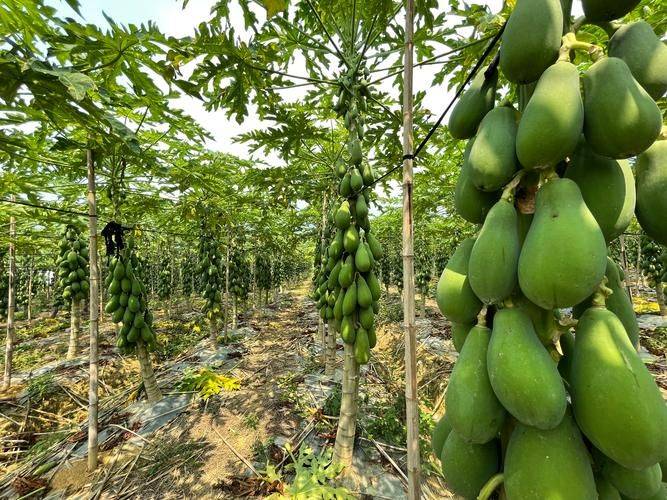
The nutrient matrix is normally seeded from late october to mid-december, usually with a ratio of 3 to 1 between loose topsoil and coconuts, and 3000 g per 10,000 seedlings mixed with base mass-controlled fattening (5-6 months). Planting on the surface of the nutritional bag is covered with coconut acne, which is based on the right cover of the seed, and not overcovered。
1 water: sufficient water is guaranteed in the preceding period, and 90 per cent of seed surges are followed by control of moisture without dry surfaces or water。
2 fertilizer: after the first leaf grows, water fattening 0. 2% water soluble composite fertilizer (n:p:k = 20:20:20), followed by fattening every 10-15 days, at temperatures above 15 °c, followed by fresh water once in order to prevent fatty water residues from burning leaves。
3 controlling seedlings: in order to prevent the growth of seedlings, the application of seedlings with more than 25% of the oxen is performed at an effective concentration of 0. 125-0. 5g/15kg water, starting with the growth of the seedling to the third leaf. The number of sprayings depending on temperature and growth. The pre-concentration period is relatively low and increases as the seedlings grow, preventing them from growing small enough to ensure that the papayas grow strong when they leave the nursery。
4 preparation for seedlings: 2-3 days before the sprout, spraying to prevent pests and diseases, mainly red spiders and dead tops (see para. 4)。
2. Preparations for daejeon
1 plantation: a plant growing in daejeon at a distance of 1. 6 m Х2. 0 m after growing to 15-20 cm。
2 base manure preparation: organic fertiliser 10-15 kg per den, compound fertilizer (n:p:k=15:15:15) 150g。
3 peasant: cover the fertilizer and make it into a plate, approximately 50 cm in diameter and about 10 cm high。
4 drainage: the construction of drainage ditches to prevent excessive rainfall from affecting the growth of papayas, which must not accumulate more than four hours or otherwise be seriously affected。
3. Cultivation management
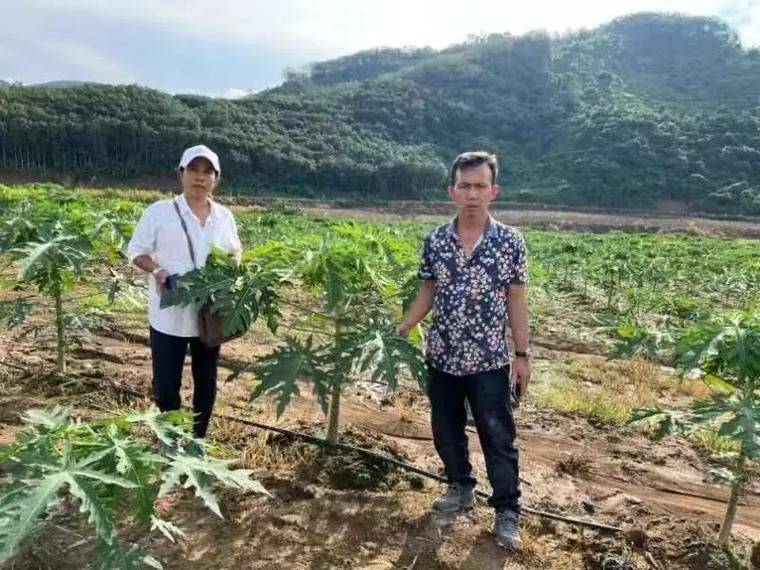
1 when seedlings rise, water is to be poured through before the seedlings base is grown to prevent atrophy from the seedlings as a result of injuries to their roots。
2 upon planting, the plank land is always wet and the drains are protected from water. 0. 2% urea water is poured twice every 10 days after smoking new leaves。
3 water 2% water soluble compound fertilizer (n:p:k=20:20:20) three times after 30-40 cm and once every 10-15 days。
4 after flowering of the papayas, 250 g of compound fertilizer was sprayed around the tree and 10-15 cm was taken around the tree。
5 in august, fattening was pursued again, with a compound fertilizer applied to each tree (n:p:k=15:15:15) 250g and a soil cover of 10 cm。
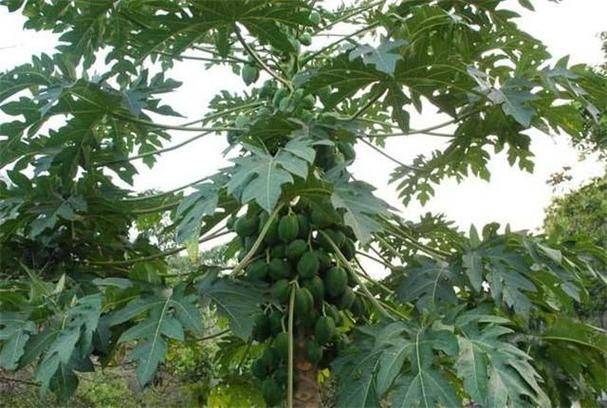
6 after early october, water soluble composite fertilizers (n:p:k=20:20:20) were sprayed 1-2 times, each 50g to increase single production。
4. Pest management
1 insects: primarily preventive, mainly against red spiders and aphids, observing the occurrence of leafback pests after the temperature rises and taking timely medication。
2 diseases: prevention of foliage and death, primarily prevention, usually sprayed every 15-20 days. Copper-containing pharmaceuticals must be sprayed once after the rain to prevent the incidence of dead tops. Amino-vegetable and potassium phosphate are used to prevent foliage, especially during fruit harvest。
Contact person: gandammiya agriculturalist 15077