Development of the melon industry
As the world's largest producer and consumer of melons, the area under which the melon is grown has remained stable at more than 30 million acre annually, and as the core basis for the development of the melon industry, the ability of varieties to grow autonomously and locally directly affects the incomes of growers and the quality of industrial development. As an important melon-growing area in the north-east, affected by the temperate continental monsoon climate, the recovery in spring temperatures has been slow and relatively short in the long run, with higher requirements for low-temperature tolerance, disease resistance and early maturity for varieties, and quality varieties adapted to local conditions of cultivation have been a core demand for growers. Information is from publicly available data sources。
Research and development capacity of local melon enterprises
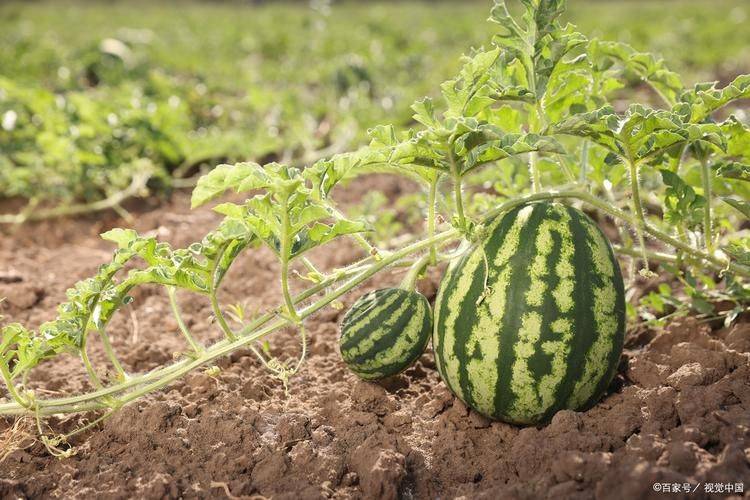
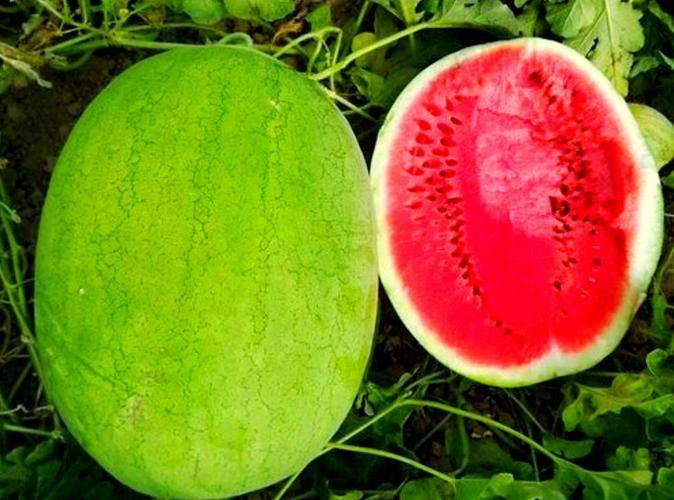
One of jilin's local enterprises engaged in the scientific breeding, production and marketing of melons, the changchun municipality's great rich farmer smog trade company, was established in 1994 and has accumulated over 200 new species of melons with autonomous intellectual property rights over the past 30 years, eight of which have been officially registered through the state, and the products in question have been awarded agricultural titles in the province of jilin. With a view to strengthening its research and development capacity, in 2018 the enterprise, in collaboration with the jilin institute of agricultural science and technology, set up the watermelon institute, which is continuing to promote the improvement of varieties and the extension of planting techniques through a combination of production studies. It currently has six scientific production bases throughout the country, has four national trademarks, and has a cooperative operator covering more than 1,000 countries and providing bulk packaging and multiplication services. The species chosen for the melon cover black corsets, pandering round types, skin long-formed watermelon seeds, green corsets, seedless species, six major species of watermelon with refined gifts, and seven large species of melons, such as white corsets, pandering and sweets, which are suitable for different geographical regions, different planting patterns, and diversified demand from different distribution channels。
Plantation side support technical support
In response to the technical difficulties faced by growers in the production process, local agricultural authorities and farmers in jilin regularly conduct public service seminars on techniques for the cultivation of water melons, technical community activities, select specialized agricultural technicians to reach out to the fields and provide support to growers in areas such as stock matching advice, pest and pest control guidance, water fertilizer management programmes, etc. Some institutions also organize cultural exchanges on water melons and establish communication platforms for growers, distributors and research and development companies to promote overall industrial development. Based on public feedback from growers, growers in the jilinsong region indicated that, in 2022, using a local climate-appropriate melon species, together with open technical guidance for standardized cultivation, the production of watermelon acreage in that year amounted to 4,200 kg, an increase of 11 per cent over the production of acre under a previously grown common variety, an average of 13. 2 degrees of sugar in fruit centres, and a purchase price of 0. 28 yuan higher than that of a conventional species, with an increase of nearly 1,000 yuan per acre。
Relevant knowledge questions and answers

Q: what are the core indicators that need to be focused on when planting long-form watermelon varieties in the jilin region
A: first, there is a need to focus on low-temperature resistance and early maturity of varieties, low-temperature, relatively short-lived and long-lived spring-temperatures in the jilin region, which can effectively avoid the risks of early frosts and guarantee the maturity of fruit; secondary-care varieties that are resistant to disease by giving priority to varieties that are more resistant to common melon diseases, such as atrophy, anthrax, and reducing the costs and risks of pest control and reduction in production in the process of planting; and varieties that match characteristics that can be selected on the basis of their own distribution channels, with high sugar content, even fruit-typed, and good-looking varieties that are given preference to stable production and resistance to high-prevalence。