The months of june and july were marked by steady warming of temperatures, high-temperature and rain weather conditions that opened a critical stage in the breeding of autumn vegetables, with a number of elderly and middle-aged farmers who had been running gardens for many years, struggling each year with the timing of the planting of various types of summer and autumn vegetables, with no clear distinction between those who needed early seedlings and those who could do so directly in the field, and those who could do so in error when planting them, either in the form of small seedlings, or in the form of long-term failure to mature for harvest. A list of vegetables suitable for nursery and live broadcasting in june and july, taking into account the different geographical climatic characteristics of the country, was compiled with practical field management elements to help the vegetable farmers catch up with the second half of the vegetable garden。
I. Main school-focused autumn vegetables, during june-july, capture of the golden period
In late june and mid-july each year, it is the core of the north, yangtze basin, where large cabbage, blue flowers, cabbage, celery and carrots are the five most in demand and the most in demand for vegetables in the fall and winter market。
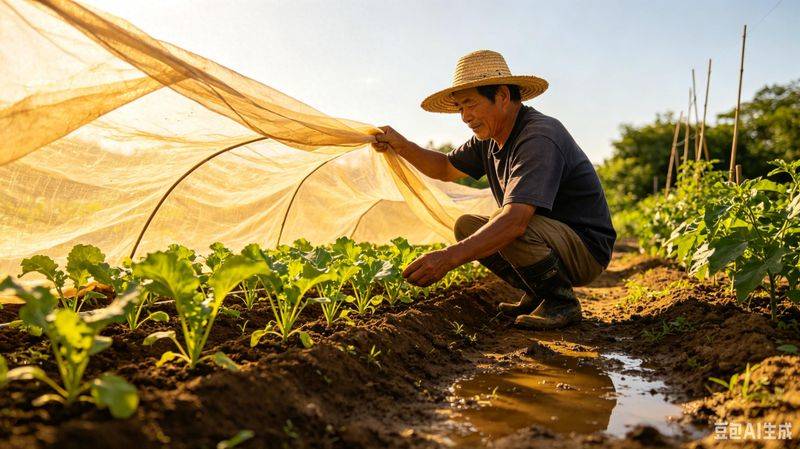
Autumn cabbage is one of the most cultivated groups of farmers, with the northern and southern parts of the hwang cai seas having been selected for nursery in early july and the yangtze region having been able to grow in batches by the end of june. In the case of cabbage seedlings, who fear continued high temperatures and heat, open-air seedlings must be built into a simple sunnet that avoids storming and sprouts from their beds. Lao, a vegetable farmer living in hebei suzhou, raised cabbage seedlings only late last july, with a long-term reduction in post-plant life, a loosely packed cabbage, and 30 per cent less acre production than a timely nursery plot。
Green blues and vegetable flowers are selected for heat-resistant, pre-literate varieties, which can be grown in batches throughout june, with cycles of about 25 days, which were moved to daejeon in mid-july and regularly collected during autumn and winter. Celery is extremely difficult to breed, with seeds dormant in high temperatures in june and july, which require cold water before seeding, low-temperature dew before seed beds are soaked and luminous throughout the course, without likely success. In autumn and winter, small strains of radish produce seedlings and large radish seedlings are planted to facilitate intensive field management。
Summer autumn vegetables that can be grown in the open and directly from june to july, without the need for labour
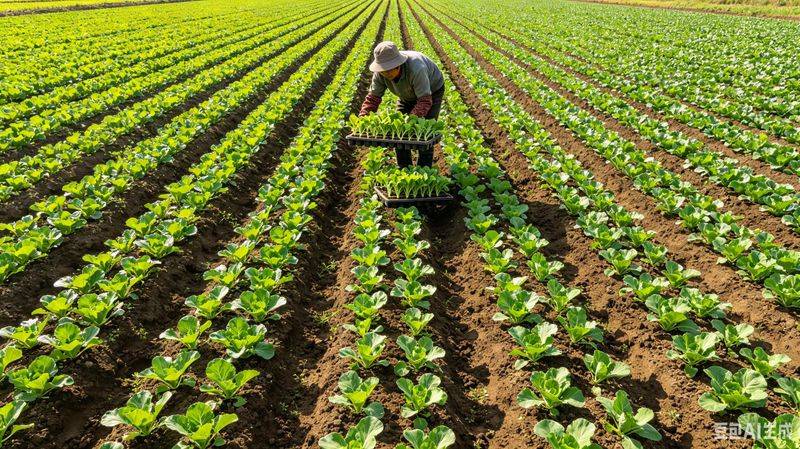
In addition to the autumn vegetables that need to be planted, there are more than a dozen types of summer and autumn vegetables that are warm enough to be harvested in the short term without the need for seedlings, which are then fielded and broadcasted directly, and quickly。
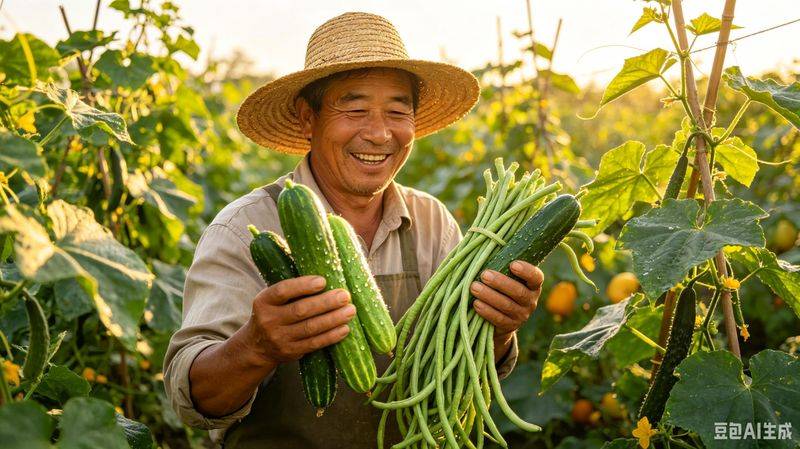
The soybeans and four-season bean-resistant varieties are still seeded in the first half of july, with a long life of about 60 days, so that they can be picked up in the early autumn; empty cabbages, cabbage and carbs are warm and damp, and can be distributed in lots at intervals of 10 days between june and july, at which time they can be collected for two to three months. Hot-resistant cucumbers and autumn cucumbers were broadcast live in the first half of july, avoiding the onset of cold-temperature effects and keeping an eye on the timely discharge of water from the fields. The soybeans are the most suitable for planting in mid-june as a groceries vegetable, and in july they are weak and suitable only for hot southern regions. This type of live vegetable is suitable for small gardening and scattered farming in daejeon by saving nursery workers and farming costs。
Iii. Keys for planting vegetable pipes during the hot season to reduce the incidence of seedlings
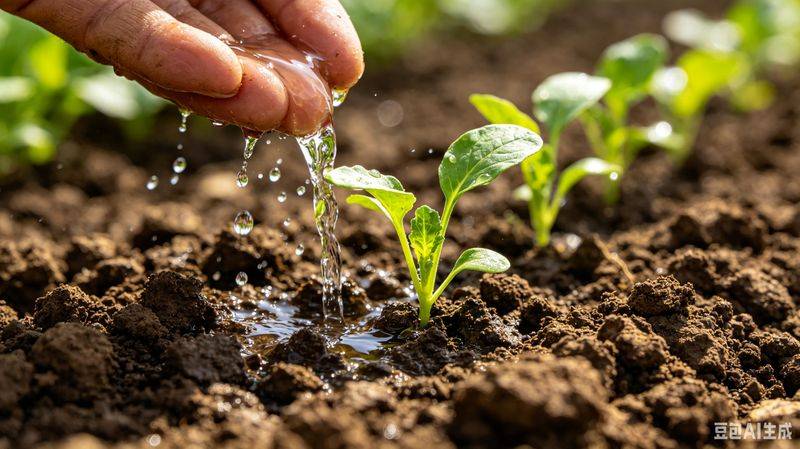
High temperatures and heavy rains in june and july were the main contributing factors to the disruption of vegetable seedlings, and three management systems were used to significantly increase the rate of growth of autumn seedlings and live broadcasting of vegetables. First, the nursery beds and the vegetable fields are soared that they are 15 centimetres or more as to prevent the sapling of water and seeds during the rainy season; secondly, the high noon temperature is not watered, and the choice is made to fill the morning and evening with water, so that the sunnets are added to the nursery grounds by noon; and thirdly, the short-lived nitrogen fertilizer is applied during the nursery season to avoid the growth of the seedlings and the application of simple microbicides after the rain to prevent fallout and frost。
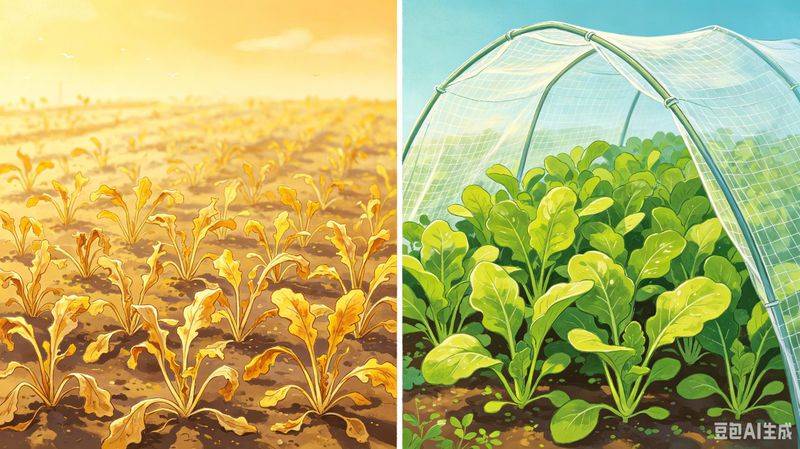
There is a slight difference between the north and the south in planting, with an appropriate 5 to 10 days in advance in the north-east and the northern high cold areas, and a long period of high temperatures in the south china-wide and fujian regions, and a delay in raising large cabbage until late july to prevent high temperatures from stinging during the nursery season. Many farmers grow all their vegetables at the customary single time, neglecting their varieties and ending up with part of their harvest, which is also a common area of error in the growing of vegetables。
At this point, nearing the end of the optimal nursery season in late july, farmers preparing for the reservation must plan their plots as soon as possible, in batches and seedlings, with a reasonable error in planting to ensure that vegetables continue to be marketed in autumn and winter。
The climate varies from one place to another, the planting times vary slightly, and the farmers who grow their usual vegetables can be said to have given priority to the development of autumn vegetables in their gardens in june and july, and to share their experiences of cropping experiences in the comment area due to the unreasonable timing of planting。