Spinachs are cold, intolerant of high temperatures and strong light, and generally have a temperature above 25°c that makes normal growth difficult. Therefore, anti-seasonal cultivation in the summer should be based on effective technology and high economic benefits。
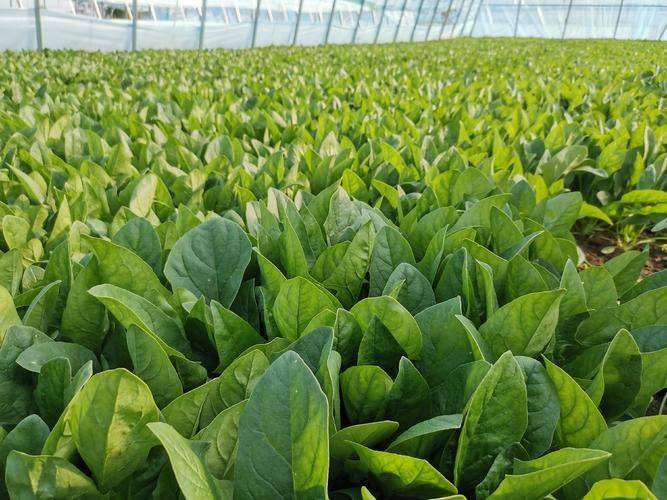
I. Selection of suitable varieties. Heat-resilient varieties, which can still grow at high temperatures of around 30°c, produce 1,500-2000 kg per 667 m2。
Ii. Leaching seedlings. When the temperature reaches 30°c, spinach seeds have difficulty gushing, which can be triggered under wells. This is done by immersing the seeds with deep well water for one to two hours, and by wrapping them with towels when they are fully pumped, and hanging them with ropes around a metre above the water surface. Every morning and every night. After 3-4 days, seeds are sowed when they are white。
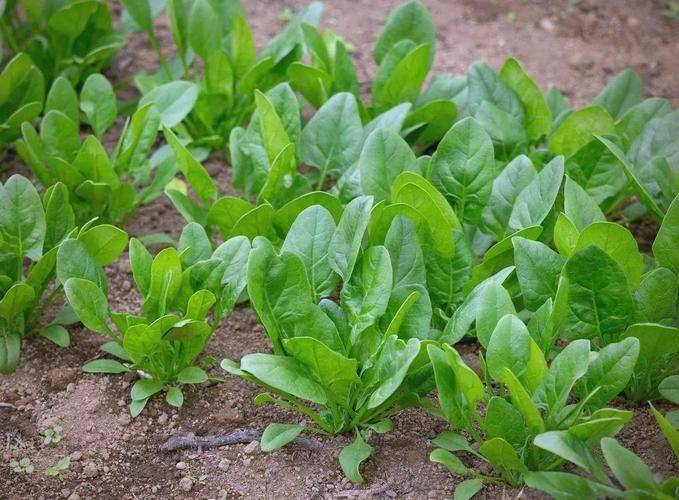
Iii. Whole seeding. Flow the bottom, roll the rake and make the tarts. A shallow ditch of 15 centimetres and 2 centimetres deep spreads the seeds evenly into the ditch, with a range of 5 (single) to 10 centimetres (dual grain) and a soil of 1. 5-2 centimetres. Put water on the air. After 8 to 10 days, one heavy water be poured and two to three more water be poured as appropriate。
Iv. Sunshield against rain. Since spinach does not tolerate strong light and high temperatures, summer must cover the sun to cool to ensure normal growth。
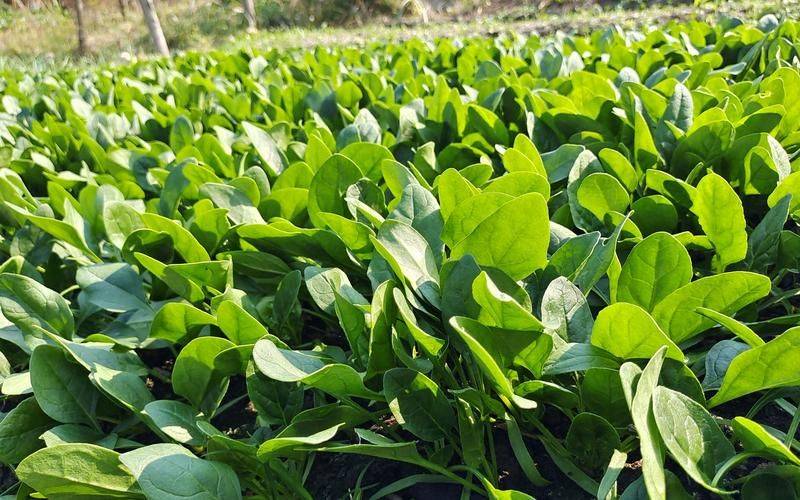
V. Combating the disease. The summer spinach is prone to frosts, anthrax, spots and viruses. Frosty can be treated with 64% of the venomicide humid powder 500 times more liquid. Anthrax can be treated with more than 50 per cent more than 700 times more humid powder or 80 per cent more than 800 times wet powder. Spectrum disease can be treated with 36 per cent methyl sulphate sulphate suspension 500 times more or 40 per cent more than 600 times more. The virus is treated with 1. 5% virulent milk 1,000 times the fluid。