


# i'm going to pick #
What do you know about making up life
Foreword
In the countryside, the mountains are full of "gang." the fruit is like cherry, and the root is even more rare. Soup
Text
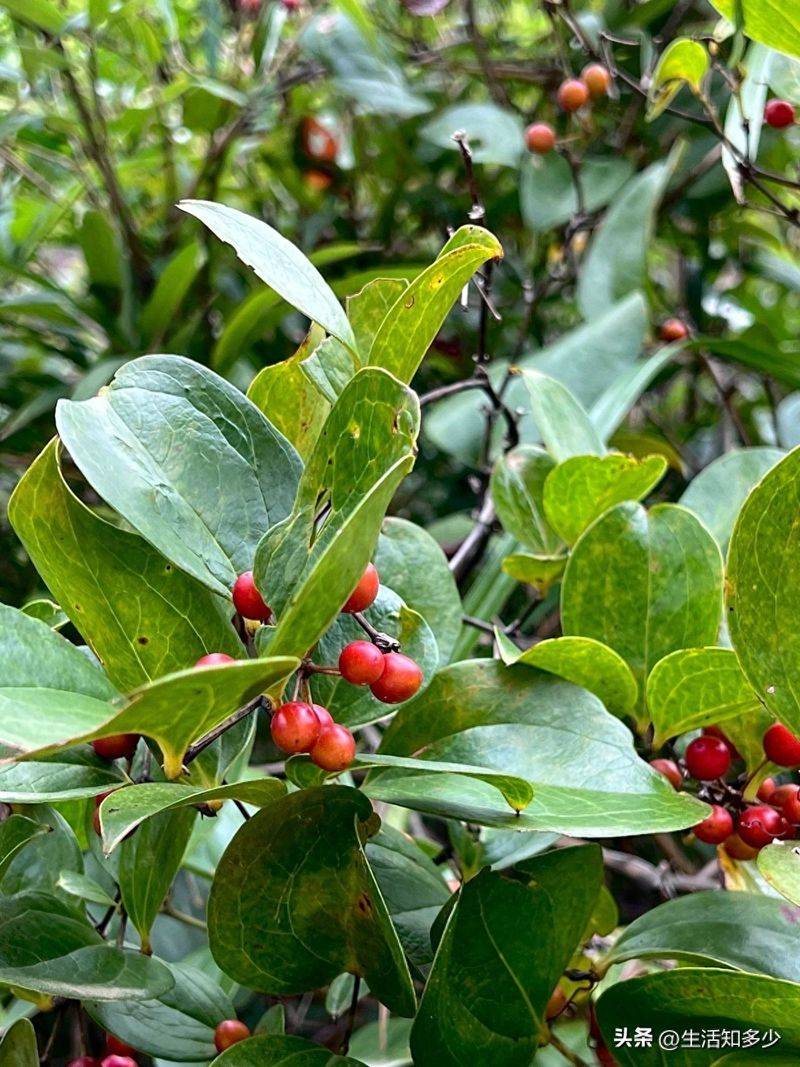
And in the vines of the mountains, there is always a radiant little fruit hanging on a branch, looking far away at a shrinking cherries. The plant is called gills, pronunciated as bá qiā, both in isolated words, and no wonder it is hardly known as its original name in civil society. Kongto, cape iron, magal, red lanterns, cold rice, stings... All over the place, but the best known name is "kingto." - the vines and roots are hard like kong, and the axes are hard to cut。
One, three seconds to recognize kongto: with thorns and red fruit
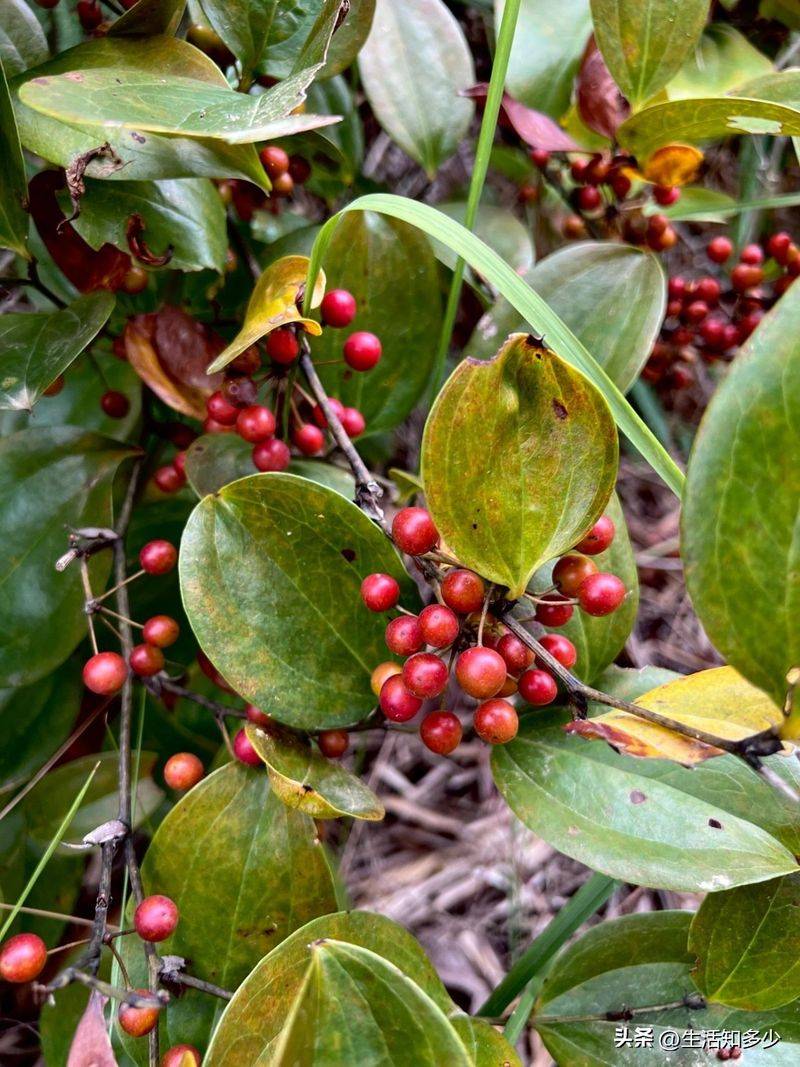
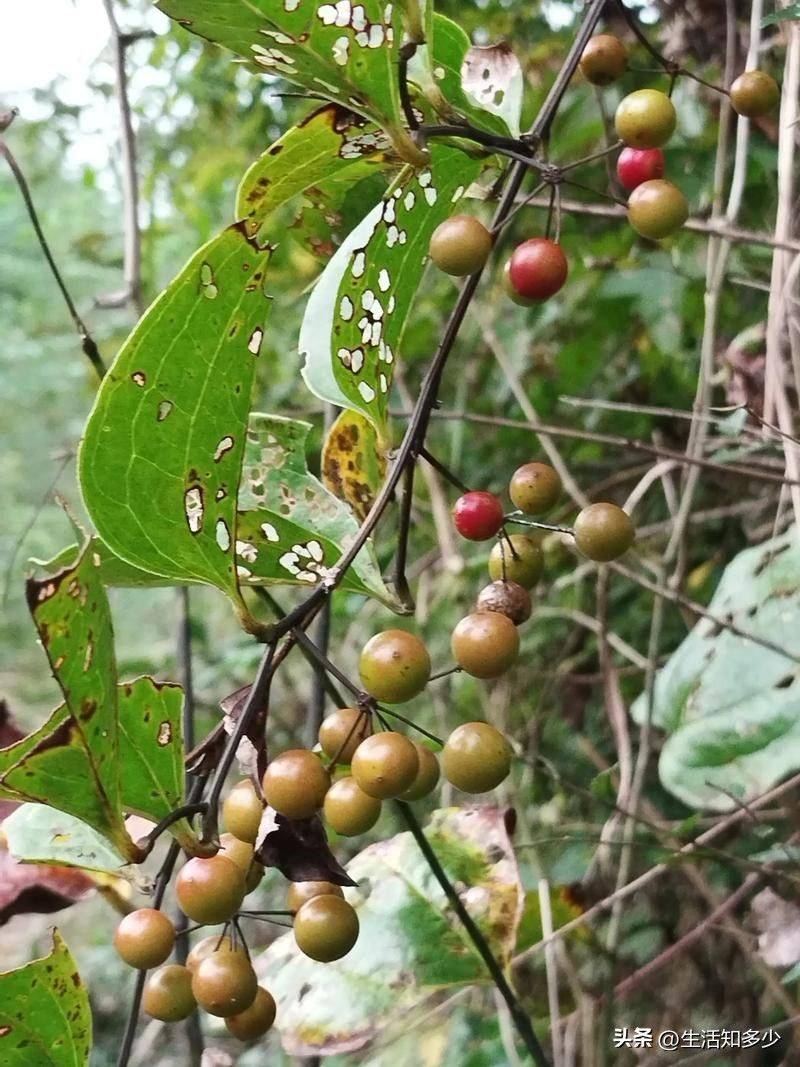
Kongto is a multi-year pedestal plant of lycées. The most striking sign is that the whole body is full of sharp thorns — the vines, the branches and even the roots of the ground — which, if they are not careful, can easily be caught in clothes and even scratches the skin. It can climb to one to three metres, individually to five metres, and grow with other trees。
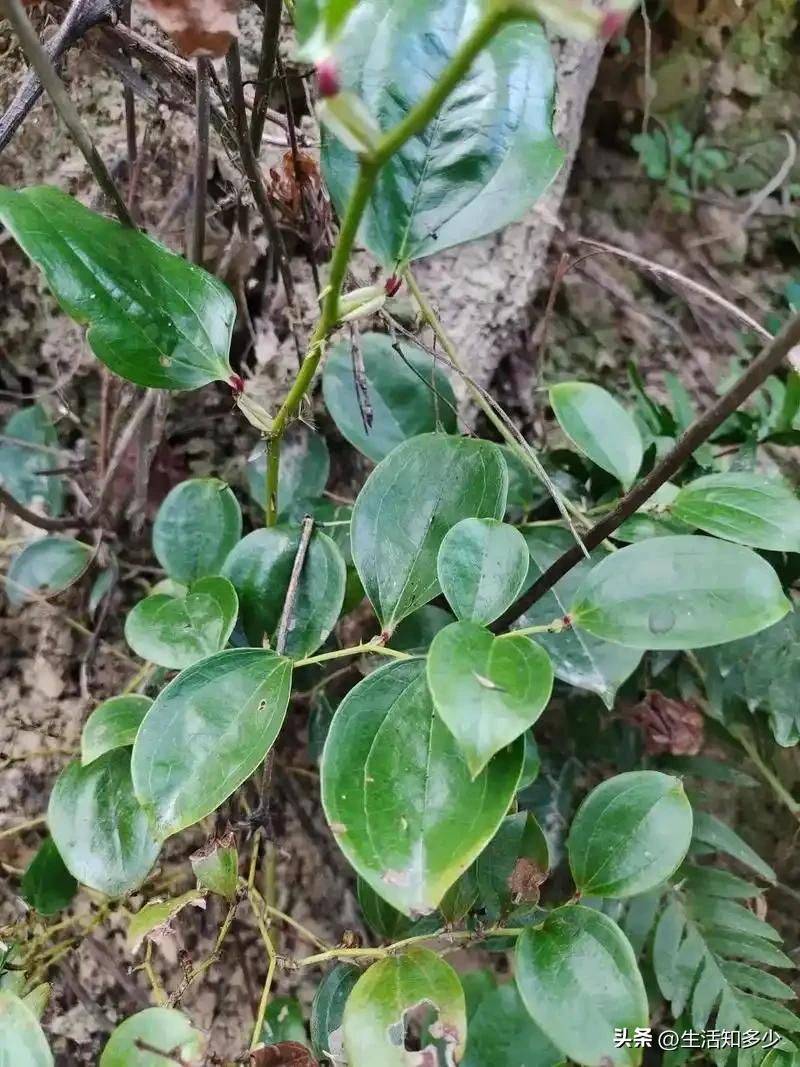
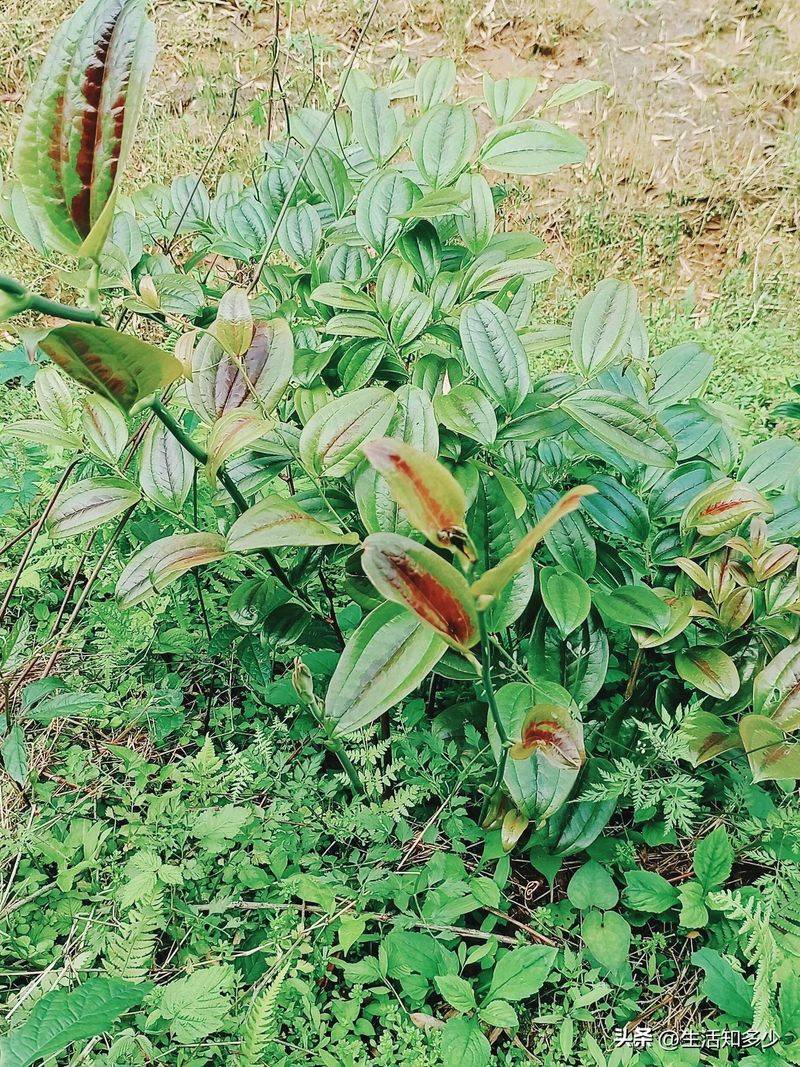
The blades are thin or hard paper, with variable shapes, round shapes, eggs, and often red brown or cocoon after drying. The head of the yeltsin division has two fine swabs, which were shaped by the toys and used to entangle other plants to climb upwards in order to gain more sunlight。
The flowers run from february to may, and the little green flowers are not easy to see. Between september and november, the berries were ripe in deep red, with a layer of cream on the surface, six to fifteen millimeters in diameter, and were so beautifully attached to the branches. The dates are long, and sometimes in the spring of the following year rare red fruit remains can be seen in the branches。
Ii. Access to between “goneto” and “tail”
Many have mixed the word with that of the earth, and the popular message is that there are thorny, and there are no thorny earth. Remember that, there will be no more confusion in the mountains。
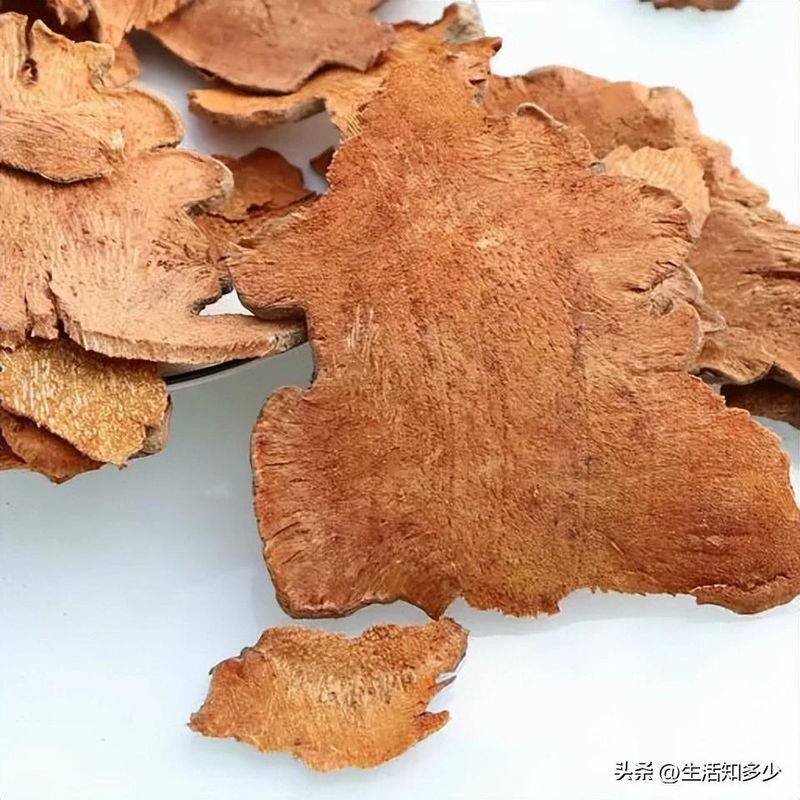
The sting of the vines and vines of kong, with the roots in an irregular mass, with a cone-like spun of the stem marks and stingy remains. The plume of the earth is smooth, and the blade is a narrow elliptical cape, much longer than the leaves of the congo。
There is also a focus on each other's usage. The earthlings are used to make soup in the land of guangdong and guangxi. They are householdly known wet foods. Kongto is more used to make wine or fry soup, which is broken down in detail。
Three, the whole body's a treasure. From the bud to the root
In spring, the sprouts of the congo are a rare veggie. It's not woody, and it's broken lightly, and it's not as hard as an adult. After picking it, you can use water and water, so you can clear, make, make, make, make, taste and taste。
In the autumn, red berries are the natural snacks of the mountain people. Precious fruit is sweet with micro-nutric acid, and the meat is soft, though not as sweet as artificially grown fruit, but is already rare in the years of material scarcity. Reminder: premature fruits are sorely sour and must wait until they become fully red。
The most valuable part is underground. The roots of kongto are in an irregular form, with extremely hard ground, dry and hard as stones, and ordinary axes are difficult to cut. Its roots are rich in starch and can reach more than 20 per cent, and in the past the famines were made of powder to feed the food, so there is a popular label for “hard rice” “cold rice”。
More people now use it to make wine. The roots of the gold-gang field are ploughed into powder, and the grains are fermented and then distilled, and 100 pounds of the vine powder can produce high-quality white wine of 40 pounds. The entrance to the wine made was smooth and soft, and in the area of zhejiang sun an, the wine is still endemic。
[speculation position: high-level maps of root and root extraction, processing of powder, traditional brewing process, 100-degree search for “root and root” for “breeding” of diamonds]
Roots can also be sliced and impregnated directly with highly white wine, and many of the elderly in rural areas have a habit of baking wine from the pedicure。
Iv. A thousand-year-old king of wetness
Kongto, which started as a drug in the handai medical monument, is almost 2,000 years old. The present drafts document the efficacy of the aroma “temperature sour, obscurous” confirming its hysteria and detoxification. Modern studies have further confirmed that the root and root of the field contain a wide range of active ingredients, such as sepam, ketone, thorium, organic acid, and have pharmacological effects such as inflammation, enzymes, flubber metabolism and oxidation。
The chinese doctor considers that the odour of the vines is bitter, pacified, and is attributed to the kidneys of the liver, which are mainly used for urinating, carrying a large quantity, rheumatism, swollen swollen, etc. The treatment of gynaecological diseases is widely used and clinically effective。
It is particularly important to recall that the use of medicines must be carried out under the supervision of a professional physician and that individuals must refrain from taking drugs at their own discretion. There is a risk of confusion between wild plants and medicinal products, and it is difficult for non-professionals to identify them precisely。
V. The less we dig for wild resources, the less we dig
Because of the high value of the roots and roots of the diamond fields, more and more people have been digging in recent years. It's been everywhere in the mountains, and it's hard to find the big roots. A plant of vines growing for more than a decade will be able to dig up ten pounds of root, and the regeneration of wild resources will be far short of the pace of extraction。
If there is a real desire to use the diamond fields, it is recommended that artificially grown products be purchased through the formal channels rather than to go up the mountain and dig freely. Wild plant resources are the public wealth of nature, and moderate access and space are the long-term path。
Concluding remarks
This plant, which runs from seed to fruit, from vine to root, is almost completely useless. It was used as a life-saving food for the famine years, as a child snack for the mountains, or as a legacy of a thousand years of civilian herbs and wine brewing materials. It's just that the term “single” is so remote that many people have seen it, picked it, crossed it and never knew its real name。
Seen here, did you get a new understanding of kong? If it is found useful, it would be useful to compliment the collection and facilitate later identification。
What's the name of this plant in your hometown? Did you eat its red fruit when you were little? Welcome to the comment section and talk about the smell of those mountains。



