In the creation of the calligraphy arts, the down payment is an indispensable link, not only in addition to the description of the work, but also in the form of cultural and ceremonial qualities of the author. Having the modesty and writing in the book that allows your work to be distinguished in detail, today we're going to talk deeply about it。
I. “blessing” : distinguished with courtesy
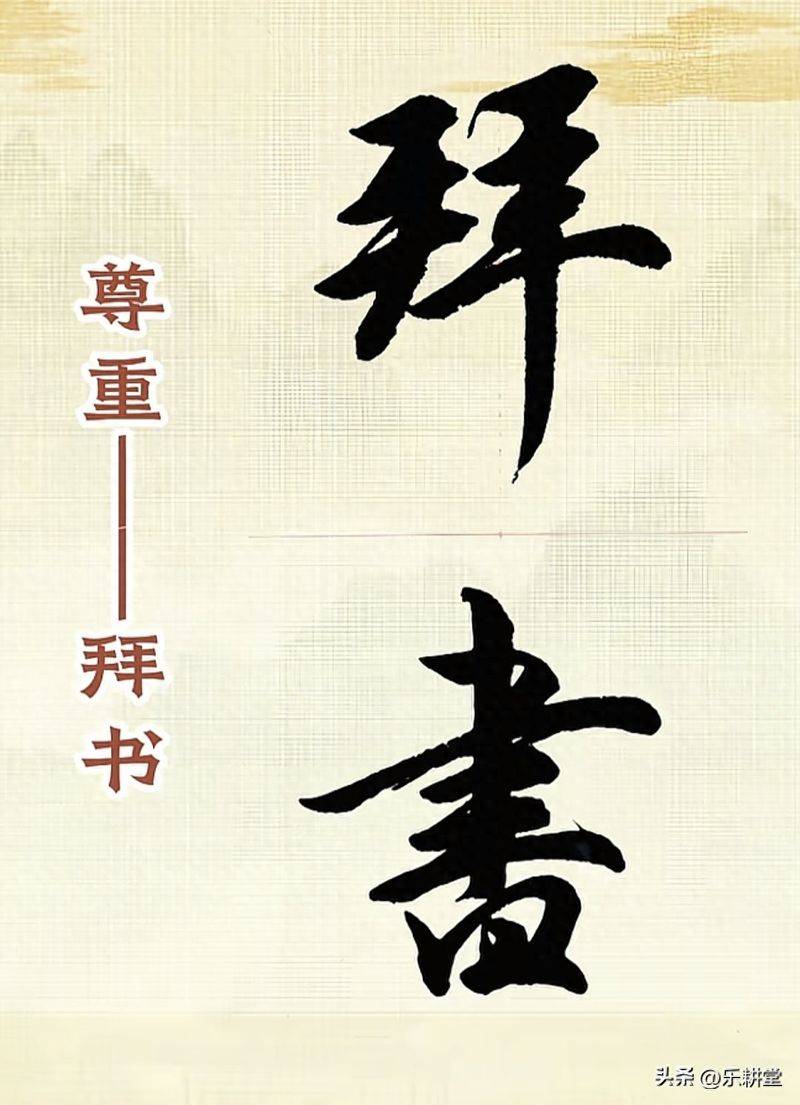
When we want to express our respect for the author or the viewer, “serving” is the best option. The word “serve” in itself carries with it a sense of humility, with the word “serve”, which conveys the pious attitude of the author to the art of calligraphy and to the audience. Imagine, when you write down the word “book of worship” with fear and respect as a fallout, this good faith is on paper, adding a human temperature to the value of art。
“hand in hand”: creation in a state of piety
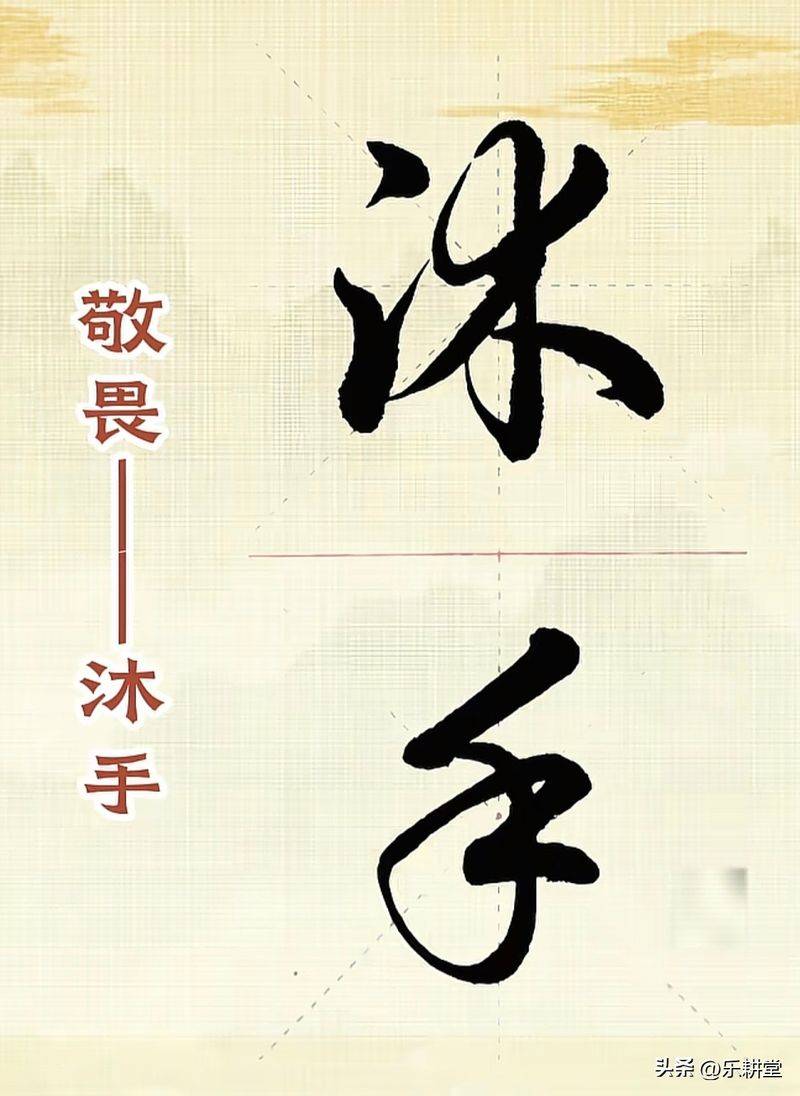
The word “handing” means the bathing of hands and is a ritual of the author of the book, in which he expresses awe of writing. The use of the word “hands” in the book is a reflection of the author's admiration for pens and words. Each time, the word “handing” before the writing is a tribute to the arts, and when the word “handing” falls on the work, it says that the bookmaker's dignity and piety in the creation of the book give the viewer a sense of the fear of the writing。
“toms”: in a sincere sense
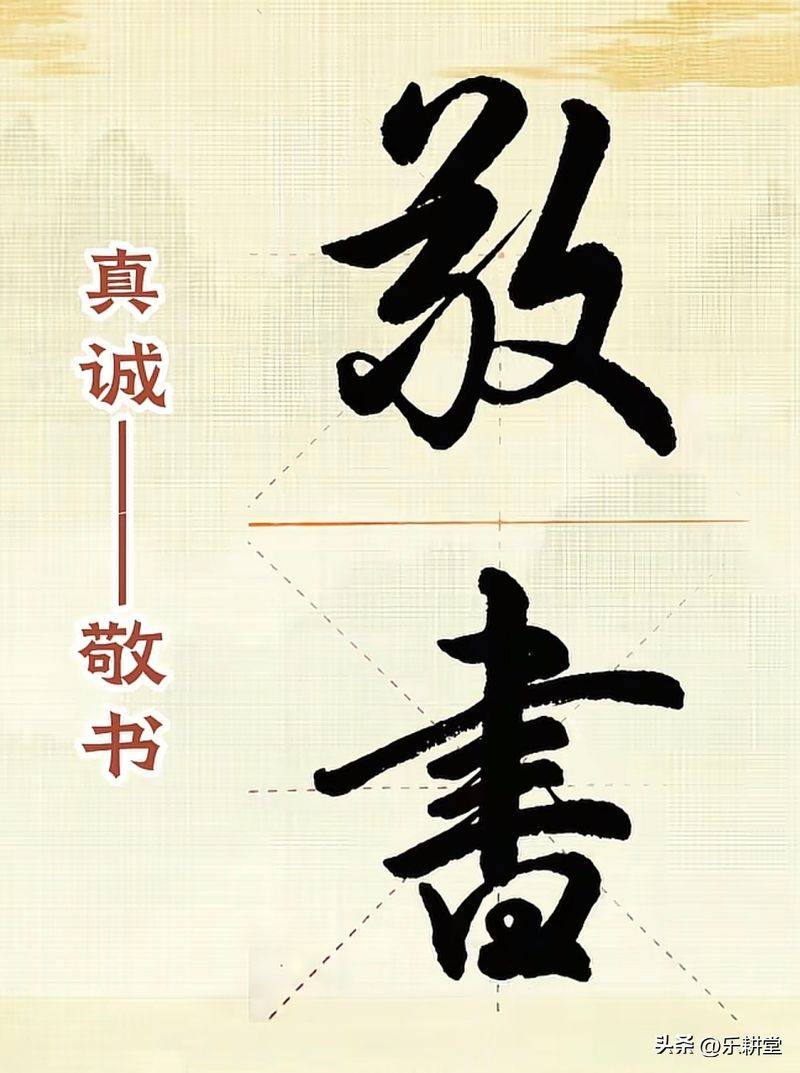
“toms” is a clear expression of the sincerity of the author's writing. Calligraphy is the vector of emotion, and the word "reveal" integrates the author's heart into his work, so that the viewer can feel the truth through pen ink. Whether it's for friends or personal affections, “reveals” can make the emotional expression of the work more direct, moving and a bridge between the books' minds and those of the viewers。
“diction”: in a manner of humility
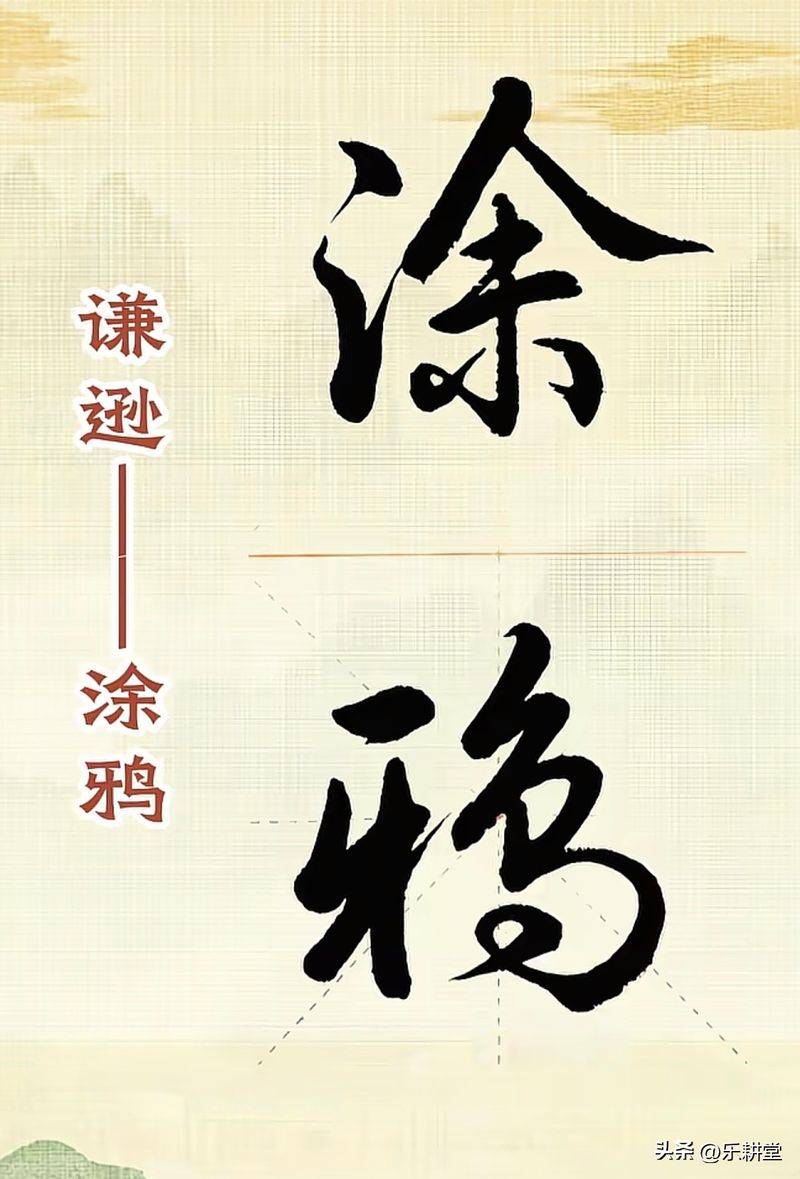
“scratch” is a random plaguing, and it is a humble expression of modesty. It reflects an attitude of impatience and vainness on the part of authors. Even though the calligraphy technique has improved, it remains humbled by “painting”, which not only does not diminish the value of the work, but rather gives viewers a sense of the author's flair and low profile, adding a unique personality to the work。
V. “aliens” : book with letters of trust
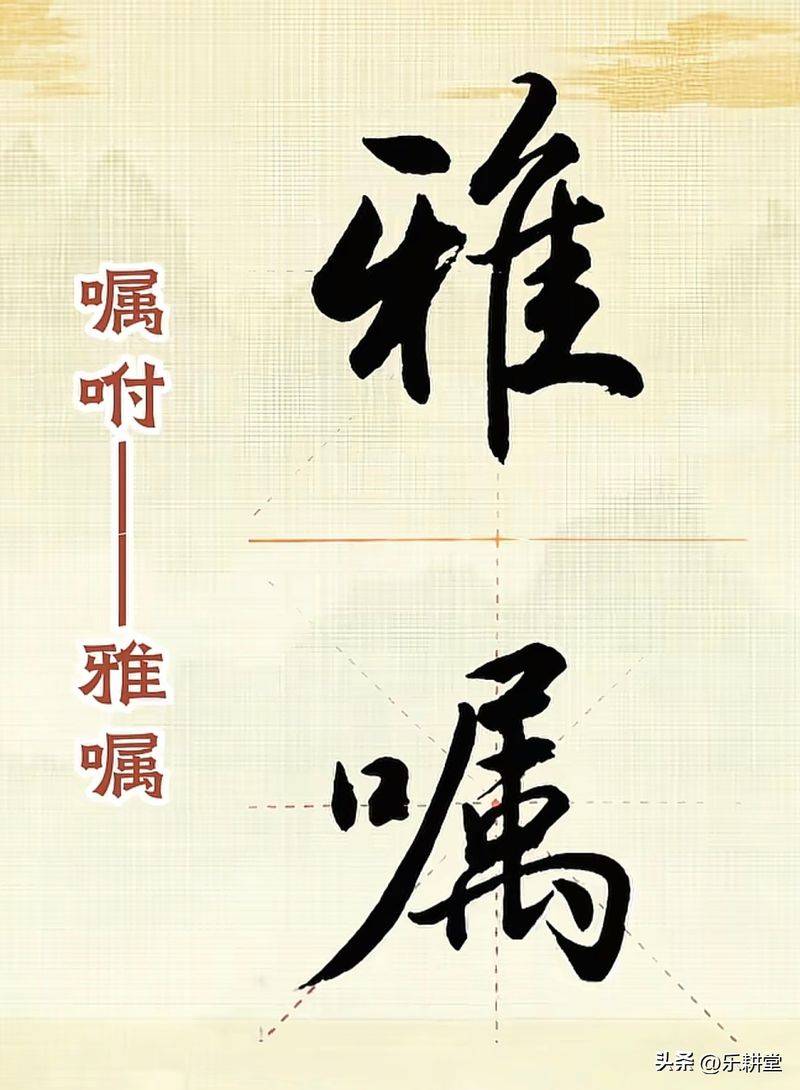
The term “advisory” is used to indicate that it was commissioned by others. When others ask us to write a calligraphy with appreciation and trust, the fall of the adventist is a response to that call. It carries the bond of friendship, makes the work a witness of friendship, and every time it sees the word "adventure", it remembers the warmth that was trusted and entrusted。
“adaptation”: a rhetorical exercise
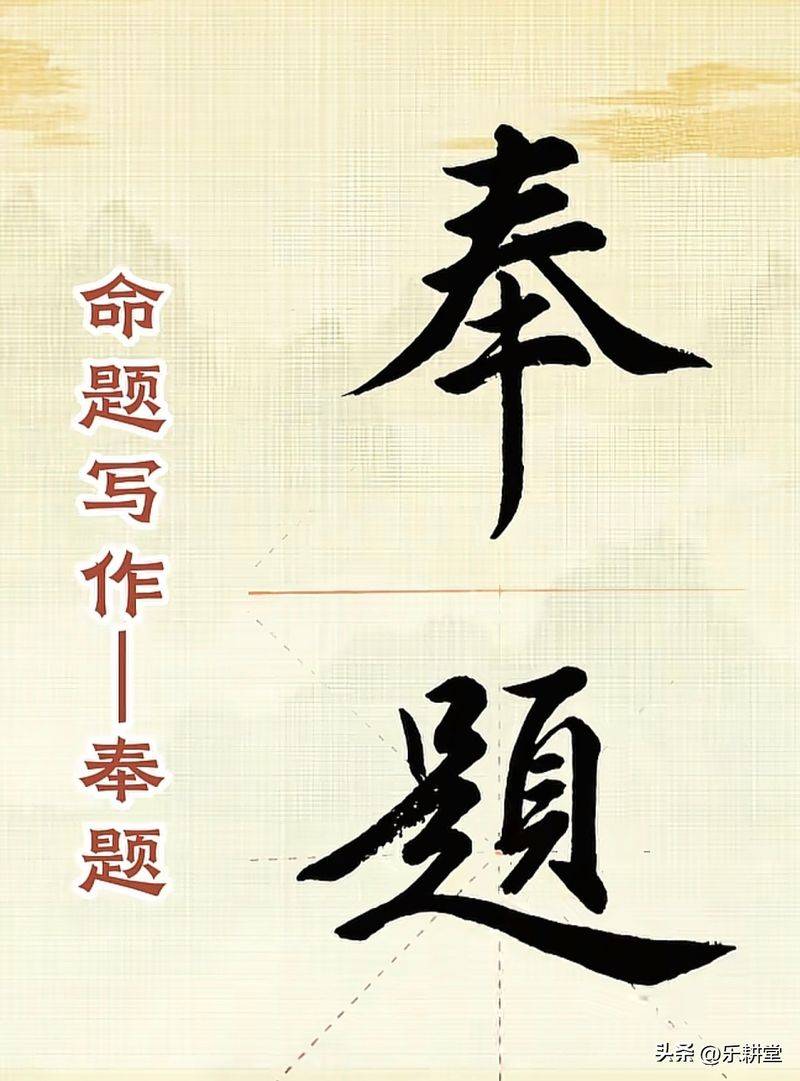
In the context of charade creation, “challenged” payments are just as good. It shows that the work is made at the behest of the subject and reflects the respect of the author for the subject and the seriousness of the task of creation. Whether the title of the calligraphy contest or the title written by others, the word “problem” clearly explains the context of the creation and gives a clear picture of the work。
Vii. “tactbook”: to add to self-scorn
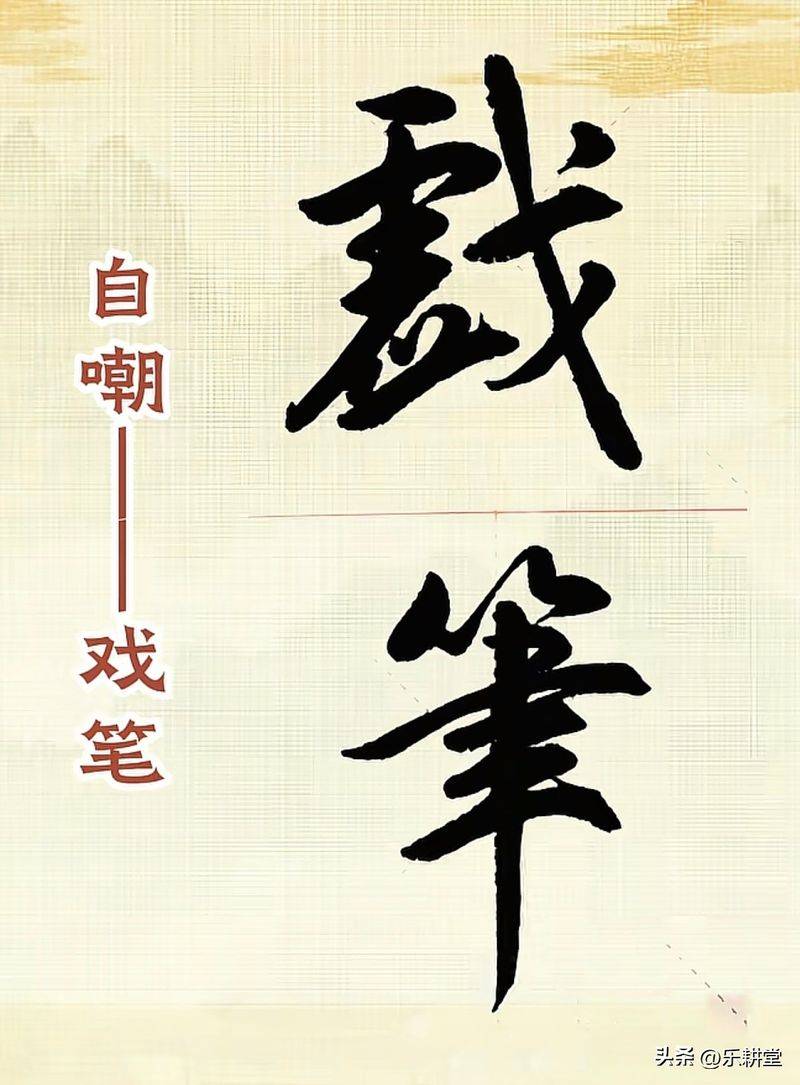
The "charade" is a self-tasteful expression of the author, which is meant to be casual. This drop-off has added a little bit of fun to the work, showing the wisdom and humor of the bookwriter. Sometimes, seemingly random “play pens” may contain the unique artistic inspiration and concoction of the author, which also makes the work more visible。
“remears”: in the context of remembrance
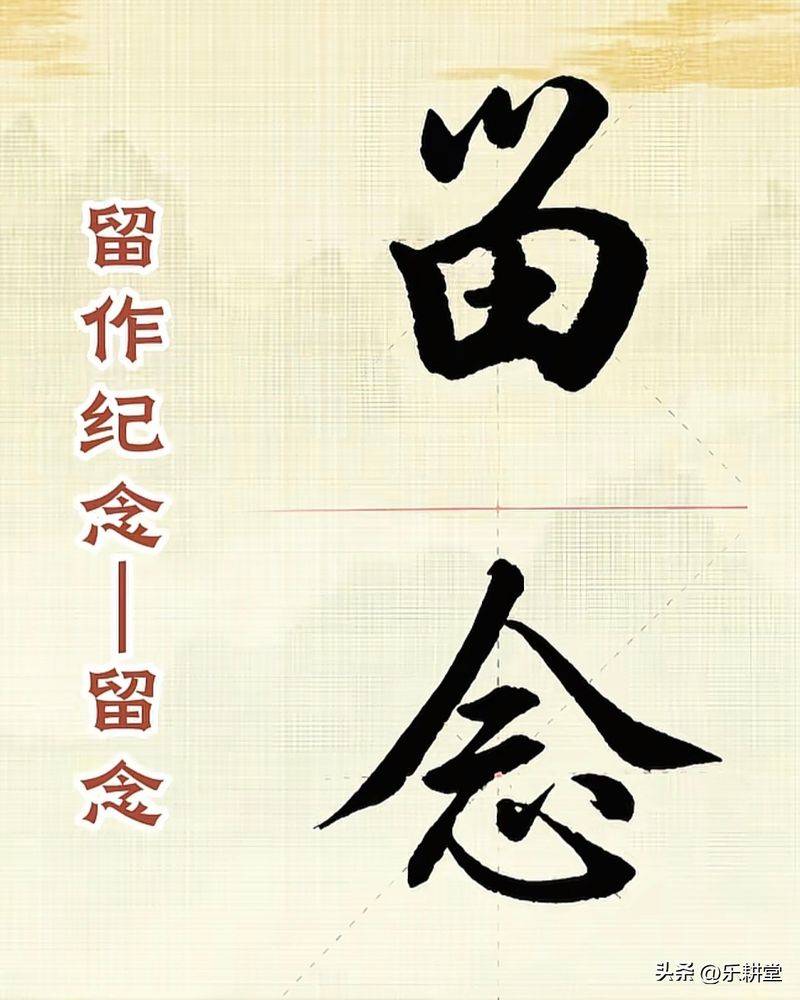
A “remand” payment would be most appropriate when a calligraphy work was used as a memorial. It can be created for a particular moment, for a precious memory, so that the work becomes the norm of time. After many years, when people see the word “rememend”, they will be able to reminisce the images and emotions of the time, thereby making the remembrance of the work permanent。
“self-contained”: self-identification
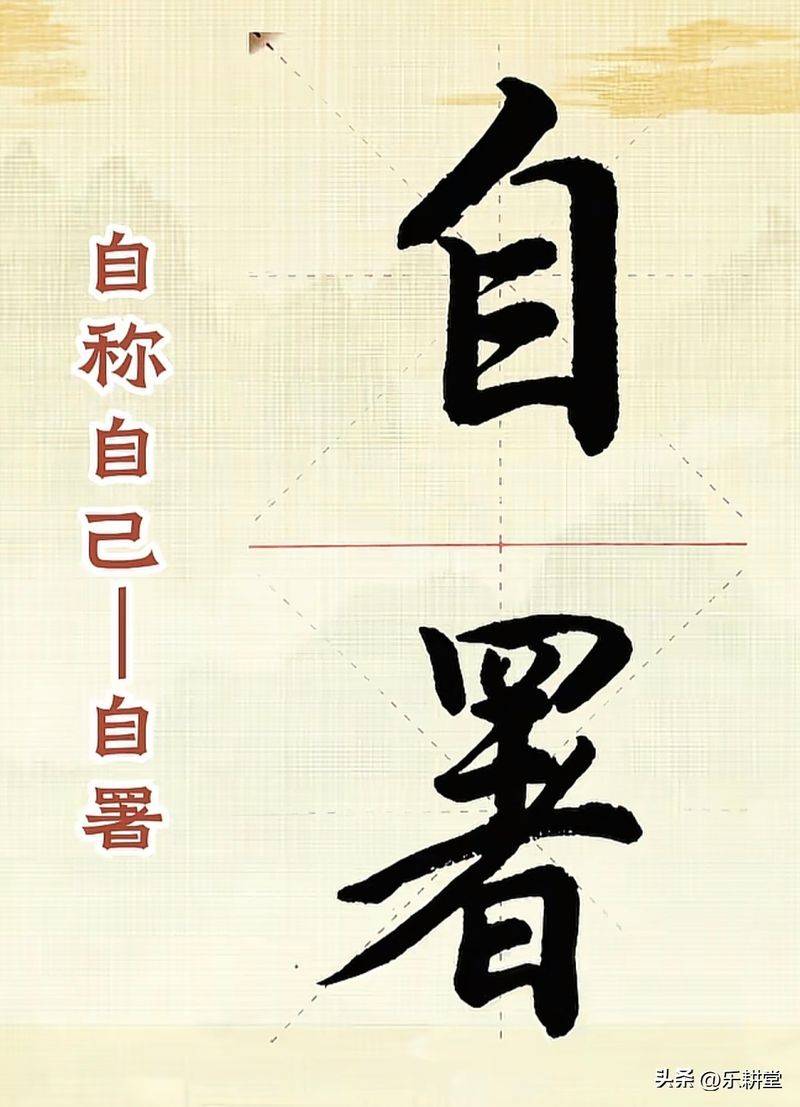
“self-sentence” means that the author claims to be himself, a direct form of self-identification. It clearly shows the creators of the work and allows viewers to identify the origin of the work. In the collection and display of individual calligraphy works, the “self-intentional” deposit is a form of recognition and identification of one's own creation and facilitates the transmission and appreciation of the work。
X. “full hands”: seeking to teach in
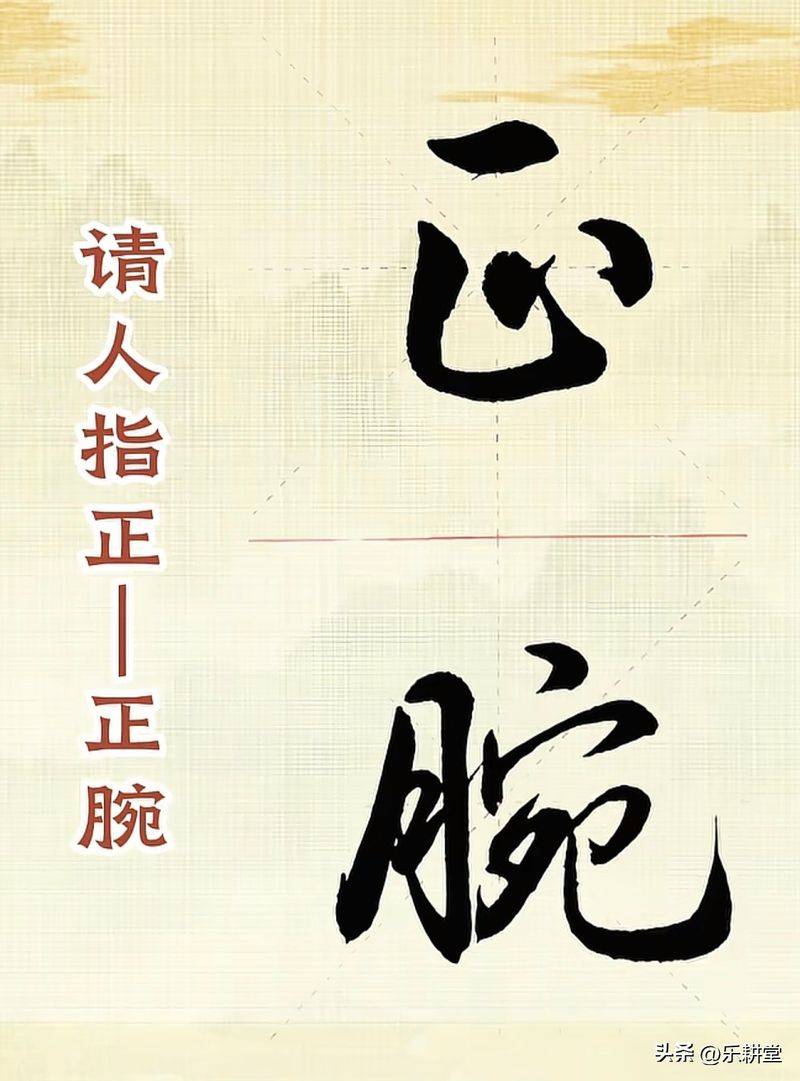
The word “right hand” is meant to be correct and reflects the humility and the desire for knowledge of the author. Calligraphy never ceases, and even though it is highly skilled, it requires continuous learning and progress. The “right-hand” drop is a sincere expression of the author's desire to open his heart and be guided, an attitude that allows viewers to feel the author's dedication to art and to build bridges for the exchange of calligraphy。
Xi. “effective savings”: a desire to beg
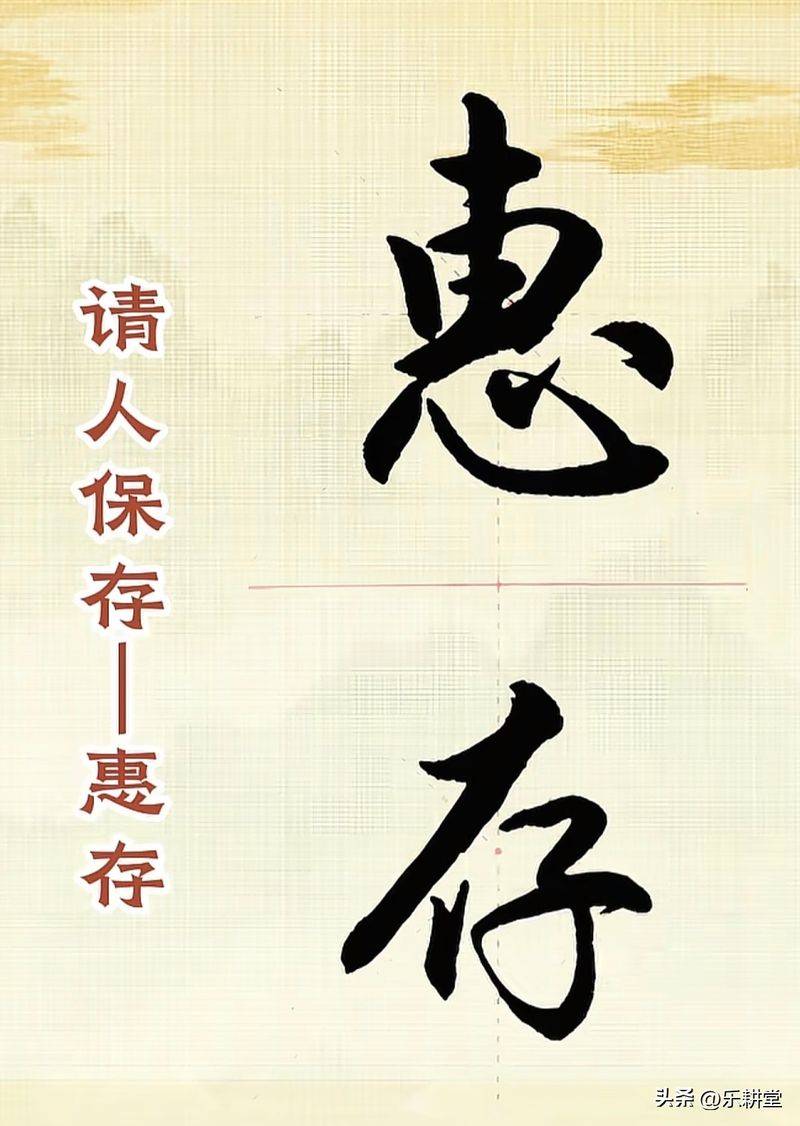
“effiliation” is the humble expression of being preserved, and when we offer a work of calligraphy, the “effecture” deposit conveys the desire to be accepted and preserved. It implies respect for others and the value of the work, makes the gift more ceremonial and gives the work a place in the collection of others。
Xii. “refilling the wall” : by a gift love
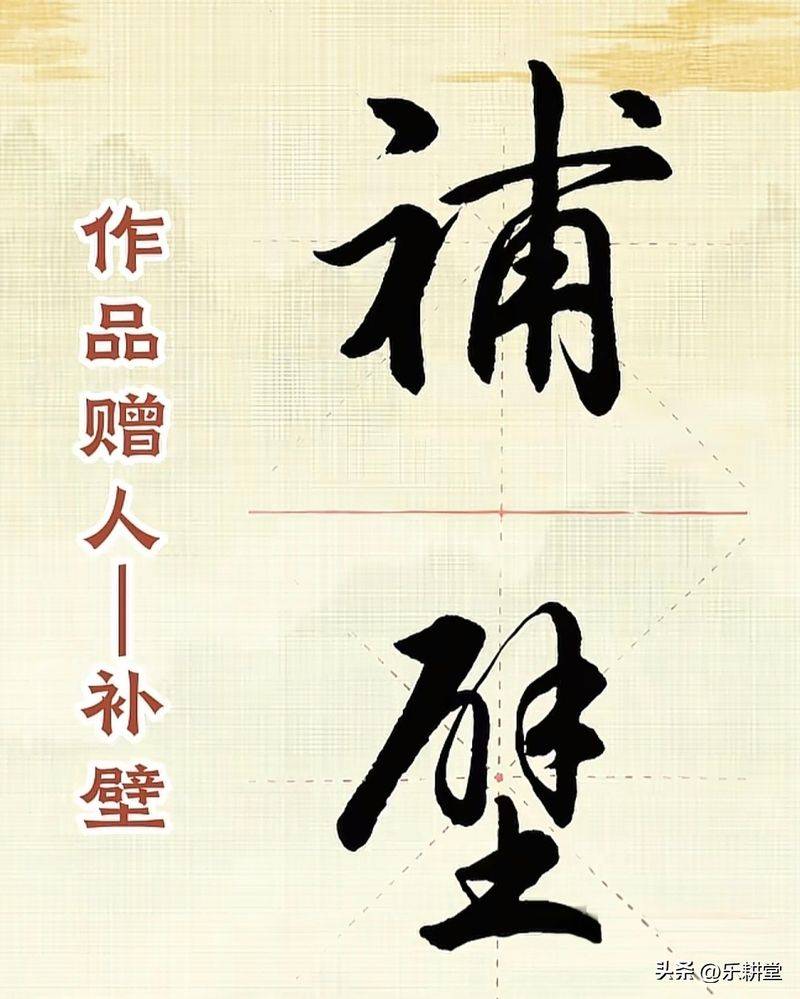
The “repair wall” is used as a gift for work and is intended to be a chat to fill the wall. This is a humble gesture of gift, reflecting the low profile and good faith of the author. The gift of one's own calligraphy works to others in the name of “refilling walls” is a cultural communication and emotional exchange that makes the work a bond of friendship as well as a space for others。
The modesty and writing of these calligraphies not only make your writing more formal, elegant, but also conveys your cultural upbringing and personality. Every detail on the path to calligraphy is worth trying to grind with our heart, and the modesty of the drop is a gleaming of it, which makes the calligraphy work no longer a combination of pen ink, but a vehicle of culture and emotion. In future creations, it might be useful to use these modesty in a clever way, depending on the context and the object, to make your calligraphy work more vermin and deeper. Calligraphy