Tomatoes are also known as tomatoes, and in some places the native language is called “tomatos”, which are popular with vitaminsc and carbohydrates, making them one of the most popular growing species in the north and south。
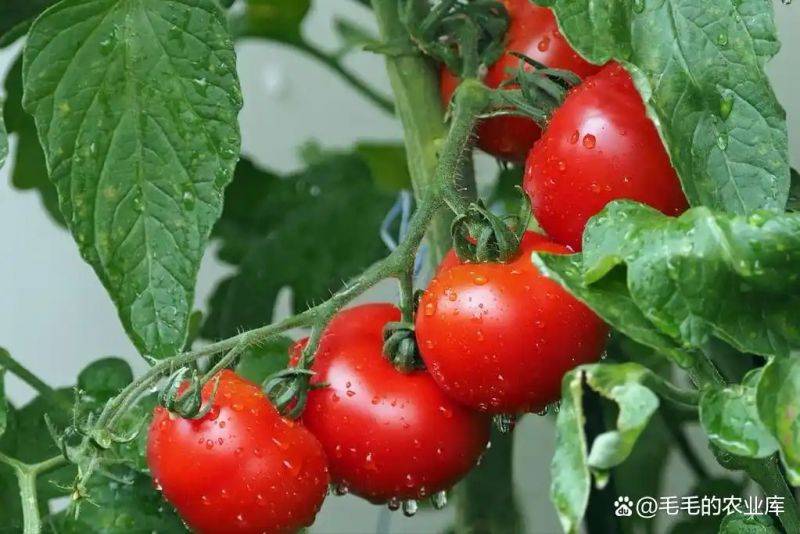
However, the fact that tomatoes, while seemingly simple, are not easy to grow with high yields and good varieties is a matter of choice of the first step。
Because climate conditions vary widely between the north and the south of our country, this determines that varieties are unsuitable for growth. For example, in the south, where the summer is generally hot and rainy, and winter is mild, drought-resistant varieties, such as “goldhouse 1” and “powder 802”, are selected; in the north, where winter temperatures are low, the choice is made for more resistant varieties, such as “big red one”。
So, how do we grow the most productive and high-quality tomatoes of all ages? Here we go。
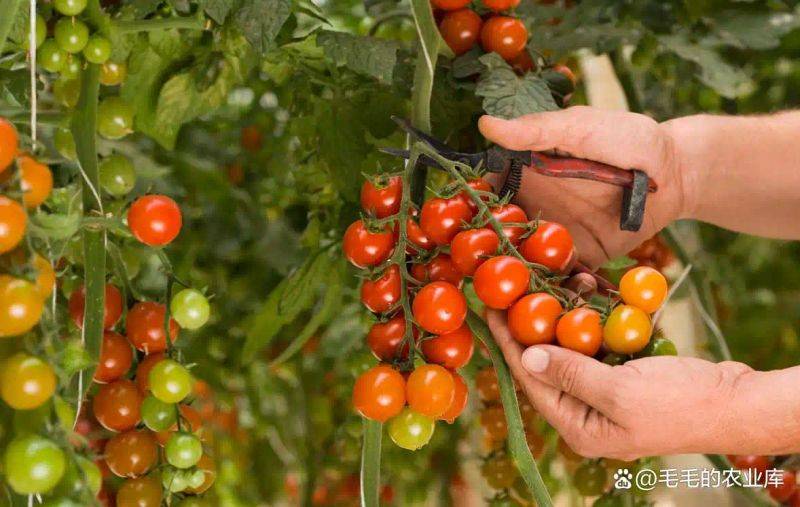
I. Environmental requirements for tomatoes
(1) temperature: the best temperature for tomato growth is 24-26 degrees, which stops at below 5 or above 40 degrees, so we need to control the temperature in due course, especially for plant cultivation。
(2) light: tomatoes are radiant crops that are particularly sensitive to light reactions. When there is sufficient light, the strength of the plant is stronger and the resistance to disease is stronger; the negative light grows and falls heavily, thus reducing the rate of entry and production。
(3) water: due to the deep roots of tomatoes, which fear both drought and flooding, and if drainage is not easy to cause rooting, groundwater levels are lower and water is more even。
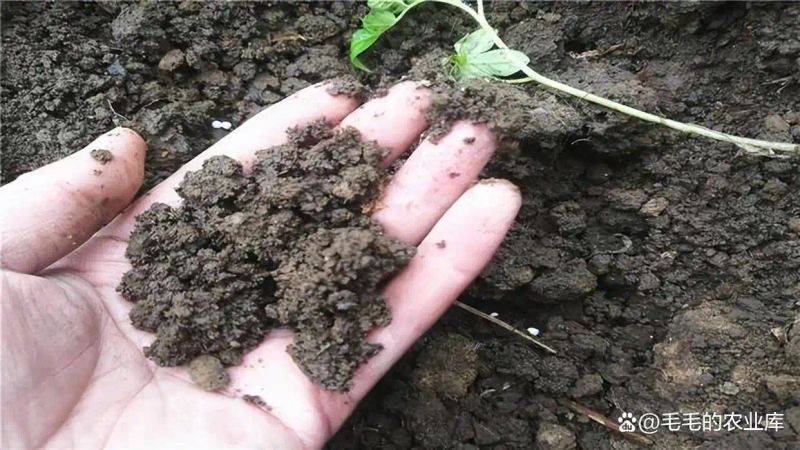
(4) soils: tomatoes are less stringent in terms of soil requirements, but in order to be productive it is necessary to select some deep, well-watered, organically rich fertile land, acid alkalinity is appropriate at 6. 0-7. 0 and hyper-alkyl soils affect the quality and yield of tomatoes and soil improvement。
Ii. Preplanting of tomatoes
(1) sowing period: as warm as the south is, early spring usually uses small arch sheds for seeding. Spring broadcasts were mainly in late january-february, and autumn broadcasts in july-august。
Caution: summer planting is highly likely to fail because of high summer temperatures, weak growing plants, high flowers, poor sit-ins and heavy pests。
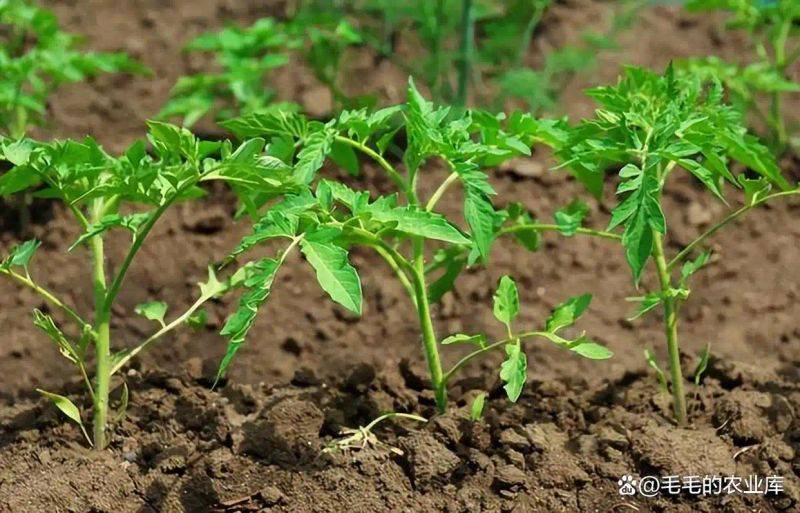
(2) shrimp management: it also needs to be determined according to different climates, such as winter planting or early spring breeding, which are important for combating the cold, and small arches, which typically cover plastic membranes. In the summer autumn, due to high temperatures and rain, the seeding season was sprayed with an enemy corrosón or frost, thus avoiding some of the disease。
Iii. Tomato production process
(1) land as a whole: first of all, it is preferable to select plots that have not previously been burdened (no eggplant crops) because the soil is heavily endemic and no tomatoes are recommended for production and quality。
(2) fashion-based fertilizers: cosmetic crops are more popular, so fertilizer before planting must be sufficient, with organic fertilizers of 500 - 1,000 kg per acre and phosphorus of 100 - 200 kg. If the soil is acidic (less than 5. 0 alkaline acidity), the application of phosphate is increased or the soil is improved by lime; when the fertilizer is modulated, it is evenly distributed on the surface, integrated into the soil, generally using 1. 2-1. 5 m ditches。
In the case of dual-line planting, it is recommended to have a distance of 40-50 centimetres; if there is sufficient sunlight, it can be properly sown, around 1,500-2000 acres of land; or a single-line range of 20-25 centimetres, around 3,000 acres。
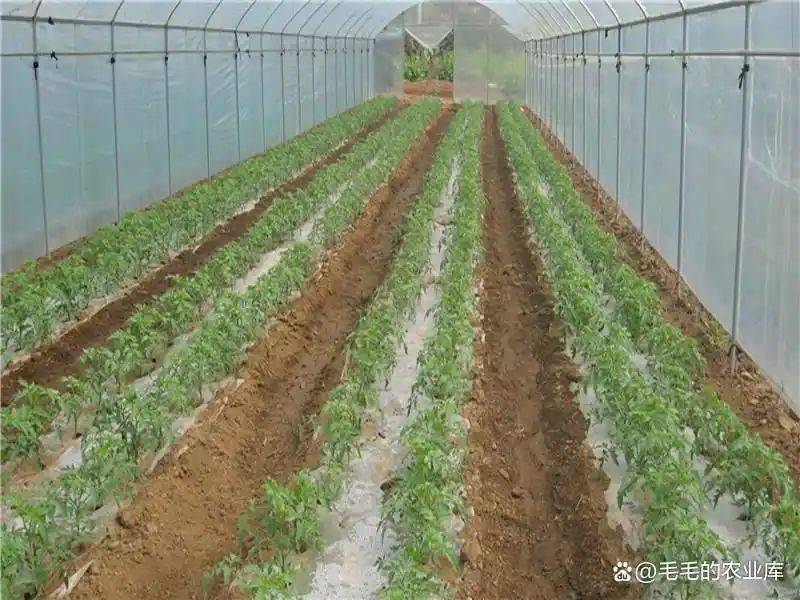
(3) covered membrane: before covering the membrane, some drip bands can be installed under the membrane, which can be easily watered and fertilized, as some growers like to apply nitrogen fertilizer, but it is often not easy to apply it after the membrane, and if it is lifted again, it can result in uneven application. So you have to apply base and organic fertilizers before the lids, which are mainly slow-acting。
(4) prevention of subterranean insects before planting: more pests and pests in heavy ground, such as potatoes and peanuts, have been grown before planting, so they are mixed with organic fertilizer before the whole land is grown a combination of subterranean insects to avoid subterranean insects such as tigers and thoriums cutting off seedlings。
Note: don't fix a lid. Because of the ease with which a seedling can be touched while covering the lids, usually after the pipes have been pulled, the lids are pressed around the membranes with the earth, avoiding the release of harmful gases (aminos, formaldehyde, etc.) from the membrane to burn the seedlings, thereby causing the leaves to grow yellow and die。
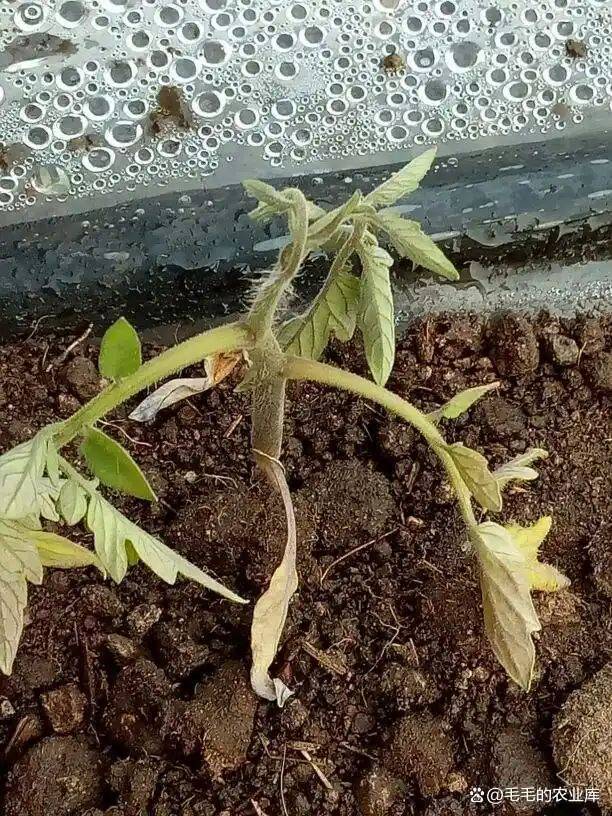
(5) fertilizing and replanting: tomatoes need to be replaced with pneumatic fertilizers. It usually starts after a slow-down seedling, with the result that urea is followed up once in 8 to 10 days and does not exceed 5 kg per acre, because before the result urea is applied too much, it can easily result in flowers falling or failure to sit。
After the first estuarine swells, the proper weighting is applied, and in the second, third estuarine swells, more nutrients are required, with a suitable increase in the amount of potassium phosphate fertilizer used, to ensure the need for continuous growth of the fourth, fifth and sixth estuarines. Based on the application of base fat, total urea per acre is generally followed up by 50 kg of urea and 70 kg of potassium fat or 30 kg of potassium plus composite fat。
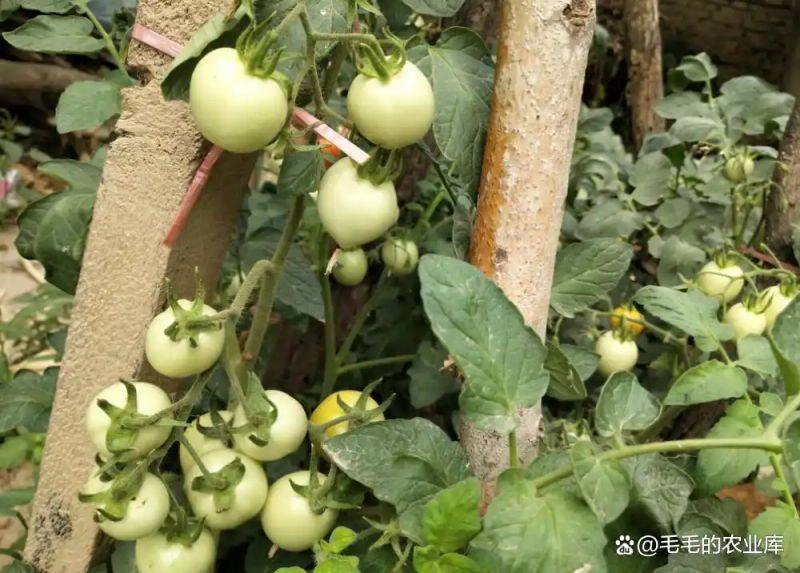
(6) hydraulic management: tomato is a drought-resistant crop and should not be overwatered, so it is necessary to grow in deep trenches and open up the fields. Water should not be poured in fields, otherwise it is prone to death。
(7) arrange and tie chickens: when tomatoes are 30-40 cm tall, the general advice is 1-1. 5 m bamboo poles, because if tomatoes are too many, they can easily be inverted, thus affecting quality。
(8) the whole branch leaves only one main branch for the single branch and all the other branches are removed; the side of both branches, except for the main branch, retains the branch from the 1st leaf in the 1st row and removes the other branches。
Because of the high number of results, the tomatoes are given to grow in an uneven size, resulting in secondary fruit, and therefore fruit. As a rule, each branch can retain 5-7 fruit and top five-7。
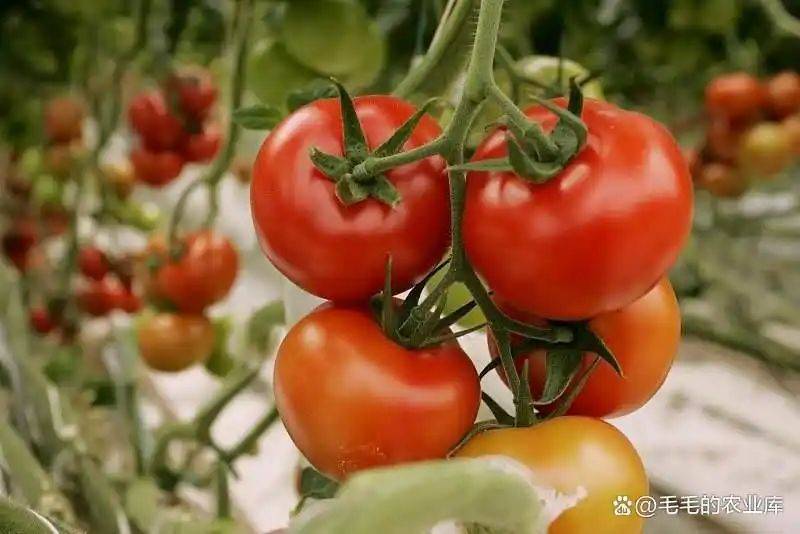
There is a lot of feedback from growers that tomatoes are not well colored. Here's a little trick:
In order to make tomatoes colour quickly, leaves below the ears can be cut off (to be cut during the colouring period, otherwise the fruit will be difficult to expand) and the light will be more adequate after they have been cut。
If it is not ideal to change the colour, it is suggested that the reflection film should be laid on the ground and that it could be filled with light by reflecting, reflecting past light。
# deep and well written #