Aren't these two days boring and damp? And when the rainy season comes, the vegetables in our rural shed follow the disease. Ash, frost, bacterial nuclei... Which one didn't come out to mess up in the wet weather? There's a lot of discussion on the internet about how to keep a high-temperature, high-humid weather. These steps are solid, at least half the disease。
Step one: ventilated and wet, not just a word. Many of the country's villages feel open to the wind, but the rain shed is characterized by high humidity and insufficient natural ventilation. You have to seize the moment — every morning before and after the sun comes out, the shed is the wettest, when the wind of the top and of the waist is to be opened in a decisive manner to form the air current. It should not be too late in the afternoon to prevent a return of wet air at night. In the event of consecutive rainy days, a short period of forced ventilation at a slightly higher noon temperature, even for half an hour, can effectively reduce humidity。
Step two: clean up the ditches and put an end to the "happiness". Rain pouring into the shed is the hardest. It is important to ensure unhindered access to the "tributions" of the gutter, the gutter, and the gutter. As soon as the rain stops, the ground is checked and the water is drained. It's best to have a slightly higher tortoise back on the cheek, and to let the water flow to both sides. Membrane cover can also significantly reduce soil moisture evaporation and air moisture in the shed from the source, which is a cure for disease。
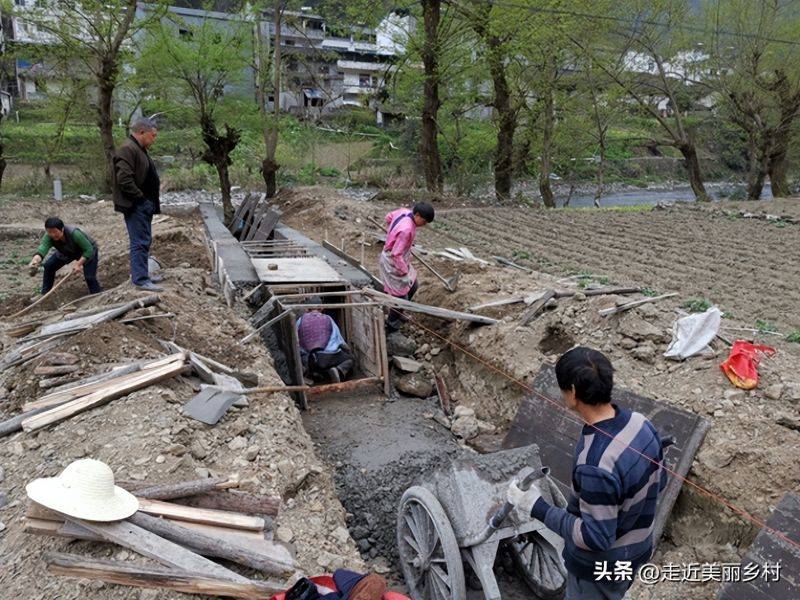
Farm drains
Step three: check and check, get the source out. High humidity, fast growth. The first thing that comes into the shed every day is a thorough tour. Aging plants (possibly with deadness, disease), molded leaves and fruit were found, unheard, immediately uprooted or removed, and buried or burned outside the shed in plastic bags. Don't throw it in the shed. That's a "stop" for the fungus。
Step four: science medicine, prevention is greater than treatment. It'll be late when the disease breaks out. In high-wet warning periods, protective agents are used early. For example, some plant immunosuppressants can be sprayed, such as amino-vagina, or thacetate, which increases the resistance of vegetables themselves. If a central strain is found, it is necessary to treat different diseases with precision: froste, disease, cyanide manganese zinc with froste or frosting; powdery, anthrax can consider ethylene esters or anthracis; and circulin works well in the case of bacterial acne. Remember, you can't use a drug in rotation。
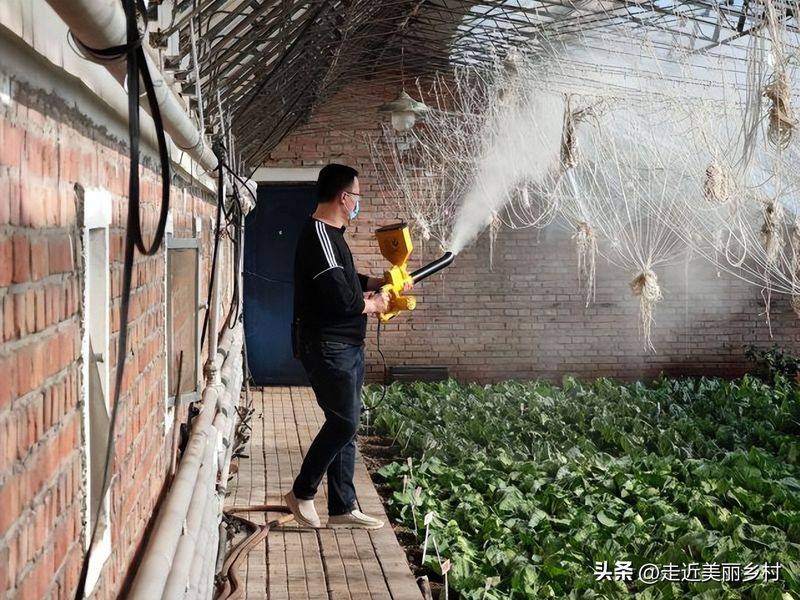
Vegetable spray control
Step five: physical biological approaches together. There are now green controls in the countryside. Yellow sticky sheeting is attached to the shed, which can trap pyroclastic lice, imitations, etc. There are conditions for the installation of solar insecticidal lamps against night moths and worms. Insects can be treated for insects by the release of natural predators such as ticks and tremors. The combination of these methods can reduce the use of chemical pesticides and make the food safer。
It's long, it's better to manage than usual. At the end of the day, there's one word at the heart of the disease: "fuck." do whatever it takes to make the shed dry, and the fungus loses its hotbed. These methods are drawn up by our first-line farmers' technicians and teachers' hands-on experience, and do so without saying that they are 100% clean, but they will help you to stabilize your output and reduce your losses. You've been looking at "agriculture in extreme weather," and we're doing the best we can。
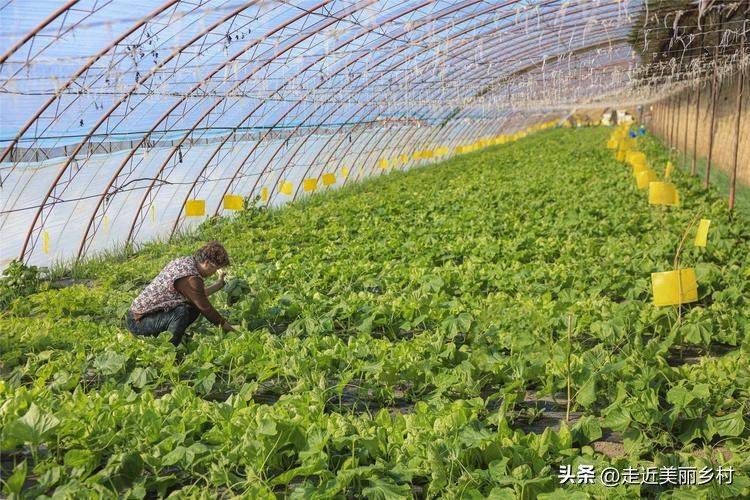
The big shed of vegetable harvest
Next issue: besides the disease, the pests are moving. Next issue, let's talk about "the moths of the mets of the bugs": how can we prevent night moths, leachings, leaf flies and no pesticides? " , focusing on several earth-based methods of physical and biological control, which are cost-effective, especially for our own shed. Don't forget to order a collection
(this paper is intended for reference purposes only, and the specific response should be tailored to local realities and guided by agricultural technicians