With effect from 1 may, china's zero-covered tariff policy for 53 transit countries in africa has officially landed. This new trade deal, covering almost all tariff lines, quota-free and no-threshold, has rapidly raised concerns in global markets for agricultural trade. Among them, the three distinctive agricultural products of coffee, cocoa beans and cashew nuts in africa, with their provenance combined with zero tariff dividends, are on the verge of falling costs, expanding supplies and easing prices. Chinese consumers are expected to taste the pure african flavor at more pro-people prices, and trade in agricultural products in central africa will enter a new stage of development。
For a long time, africa has been a central producer of coffee, cocoa beans and cashew nuts globally, thanks to its unique climatic and soil conditions. Côte d ' ivoire and ghana together contribute about 60 per cent of the world's cocoa-beans production, ethiopia, kenya, rwanda and other countries such as tanzania and benin are the world's major suppliers of cashew nuts。
Previously, africa faced multiple constraints in agricultural losses. Owing to the long cross-border logistics chain and the inadequate system of certification of origin, and the imposition of import tariff costs, it is difficult for a large number of high-quality specialty products in africa to enter ordinary chinese homes. The fall of the zero-tariff policy has effectively removed tariff cost barriers to the import chain and is expected to boost both supply and demand markets。
Tariffs as a rigid cost of imported goods have a direct impact on the flow pricing and market competitiveness of goods. Experts said that the implementation of zero-full tariffs on africa had effectively reduced trade costs and released market space. When tariff costs are zero, there is a marked drop in the landing costs of african agricultural exports to china, a shift in the overall supply curve to the right, and a downward adjustment in market prices against the backdrop of relatively stable domestic consumption demand。
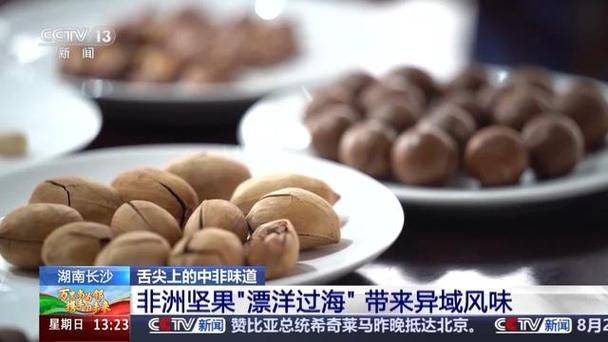
In terms of specific tariff data, the new deal dividend is significant. In africa, there are between 8 and 30 per cent of the original import tariff zones for coffee, between 8 and 22 per cent for cocoa beans and between 5 and 10 per cent for cashew nuts. With full duty exemption, the procurement costs of importing traders are bound to be significantly reduced。
However, the price effects of zero-tariff policies on the three niche agricultural products are not uniform. The industry predicts that cashew nuts are more likely to fall “locally”, while cocoa beans prices are expected to shrink and coffee market prices are expected to stabilize. This difference is not accidental, but is determined by their own industrial characteristics。
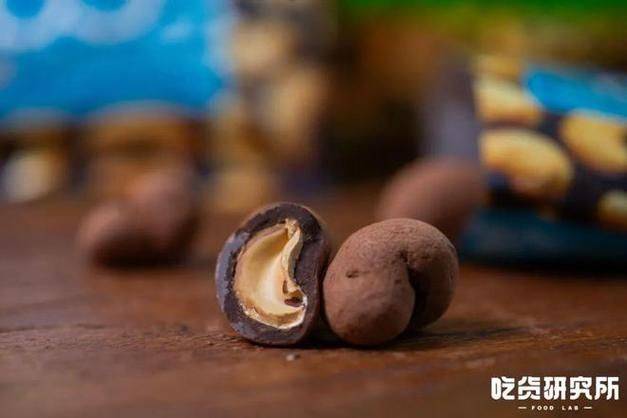
Among the three niche agricultural products, the drop in cashew nuts in africa is expected to be the strongest, with an overall but marked downward trend in product prices expected in the short term, i. E. A “local drop in prices”。
In terms of the cost of imports, cashew nuts account for more than 60 per cent of the final sale price, and tariff relief can indeed be directly translated into price advantages. However, in terms of consumption terminals, there is still a large stock of cashew nuts purchased at the old tariff cost on the market as a popular category of chinese nut consumption. At the same time, the cashew nut industry is fully competitive and has dispersed channels of circulation, and it is possible for electric power platforms and large firms to release tariff dividends to consumers in advance, in the form of promotions, special prices, etc., to capture market shares. This means that the prices of products vary considerably depending on the cost of arrival and the pricing strategy. The industry believes that price reductions will first be reflected in online platforms and large supermarket chains, and that price adjustments for small retail outlets will lag behind。
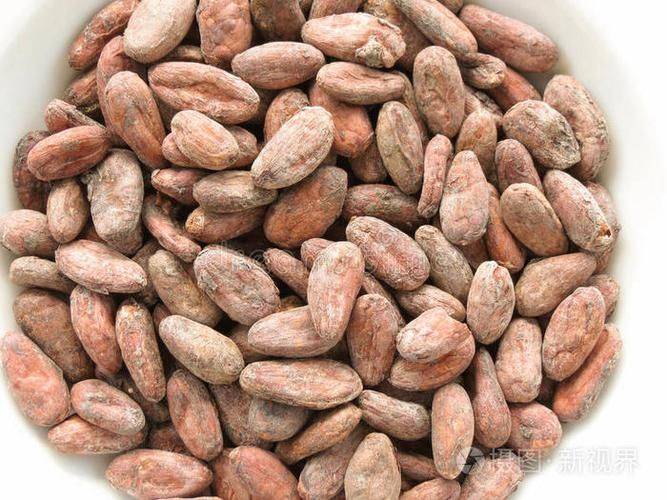
The situation of cocoa beans is completely different。
West africa is the core source of global cocoa beans, and our cocoa raw materials are almost entirely dependent on imports. In recent years, global cocoa prices have continued to fluctuate with high levels of extreme weather and pests, putting considerable cost pressure on domestic food processing enterprises. As a result, the role of zero-tariff policies in the chinese market is mainly reflected in the hedge of international price increases rather than in the promotion of terminal price reductions. Products such as chocolate, cocoa and other products, which could have been subject to substantial price increases, are expected to have significantly narrowed, and some of the products may even remain unchanged。
The price trend for african coffee, compared to cashew nuts and cocoa beans, is characterized by a marked decrease in the price of raw materials and a mild end-state. This is because, of the cost structure of finished coffee, raw beans are only 10 to 20 per cent, and rent, labour and brand premiums are the “largest”. As a result, while zero-tariff policies allow for lower wholesale prices for african raw beans, this cost advantage is difficult to transfer directly to consumers. Moreover, as a result of brand-pricing strategies, the coffee product chain is not expected to reduce prices significantly, and more dividends will be released in the form of new products, promotion preferences, quality upgrades, etc。
Compared to consumers, coffee shops are the largest beneficiaries of zero tariffs on african coffee. The influx of african coffee flows into the chinese market can complement traditional production areas such as brazil and colombia, further enrich domestic market supply sources and effectively respond to international price fluctuations resulting from the reduction of production by the net monoculture。
It is worth noting that the price reductions from zero tariffs are not instantaneous and price transmission is influenced by multiple factors。
Industry believes that there is still a large stock of commodities purchased at the cost of the old tariffs in the domestic market, and that a low-priced source of zero tariffs will need to be absorbed in order to make a full influx. In industry, it is generally expected that wholesale prices for raw materials will ease in the first place within a month and that the policy dividend will be fully reflected in final retail prices for about three months。
In addition, price volatility on international markets can offset price reductions, which may affect market prices to some extent. If global prices for raw materials rise significantly, zero tariffs will do more to stabilize prices; if global prices are stable, terminal prices will steadily decline。
The landing of this comprehensive zero-tariff policy in central africa is not only a trade cost concession, but also an important sign of the upgrading of the quality of economic and trade cooperation in central africa. On the one hand, domestic consumers have been able to access quality african-specific agricultural products at lower prices, enrich consumption choices and improve the quality of life; on the other hand, african exporters will use china’s vast consumer markets to scale up their exports, boost local agricultural development and raise farm incomes and win-win trade。
With the continued opening of trade routes for central africa, more african-specific agricultural products will continue to expand exports to china in the future, with domestic market prices on a downward footing in the long run. This consumption dividend, which was triggered by the new tariff deal, will also be released on an ongoing basis and will be a living inspiration for celac in building its livelihood。