Primary school students use electricity safely
Primary school kids are safe with electricity
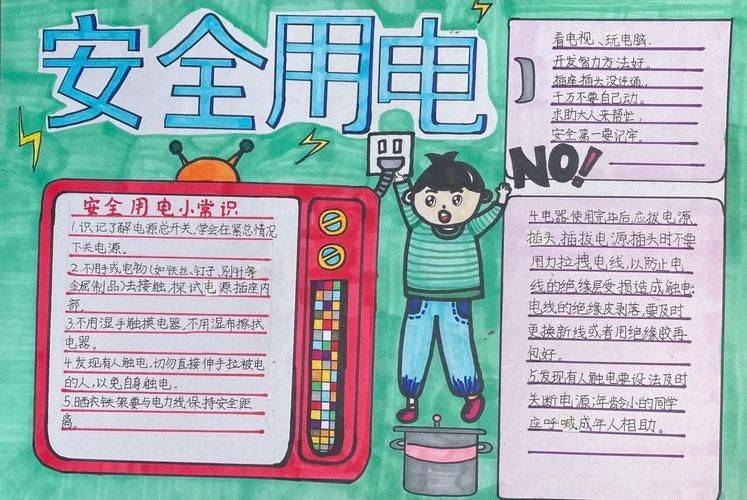
No hand, metal or pencil cores should be used to dial switches, nor should they be plugged into the hole. When drinking water or beverages, do not drink at the side of the booth, so that the water or beverages do not spill into the hole, resulting in short electrical circuits and fire。
2. To play outdoors away from high voltage transmission equipment and electrical distribution rooms. Don't put kites next to the high-pressure line, don't go to the distribution room。
3. There are many wires around the house, so that they do not hang on them or dry their clothes in order to avoid a crisis。
4. The detection of electrocution begins with the cutting of the power supply in the rescue of the electrocutor. Before cutting off the power, do not use your hand to pull the electrocutor, or the rescuer will also get the electrocutor。
5. If the power cannot be cut, the helper shall wear insulation slippers or insulated gloves or stand on a dry plank with dry wooden sticks, bamboo poles, etc. To remove the wire from the electrocutor。
6. Primary school students, because of their small size, are unable to provide relief for electrocution, and should be referred to adults at an early stage and call the emergency “120” telephone to get a doctor to do so。
Questions and answers for primary school students
One, what's with the electrocution
When the human body is exposed to the electric body and the current passes through the human body, the light feels like needles, numbness, severe pain, etc., and convulsions occur: symptoms such as poor heart rate, rising blood pressure, difficulty in breathing, even short-term internal beating, death. It's an electrical accident。
2. Issues of safety in electricity use
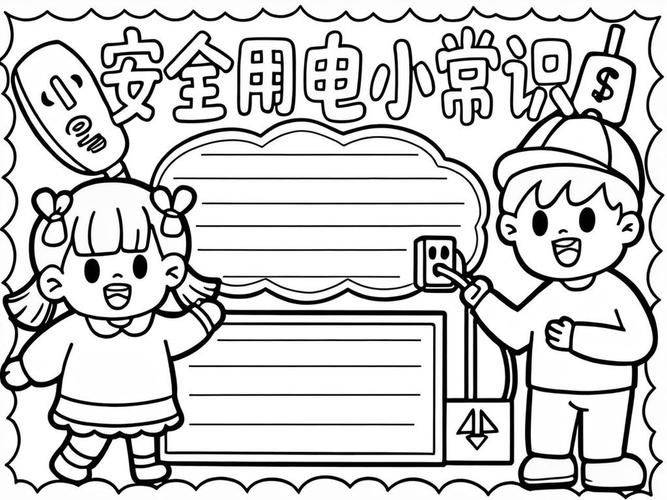
There are two main aspects to the problem of safety in electricity: the safety of the person and the safety of property. In order to prevent accidents, attention should be paid to the use of electricity:
(1) if you do not stand on the ground to contact the line of fire; if you are insulated, you cannot be exposed to the line of fire and the line of zero at the same time by wearing insulation shoes。
(2) care for electrical wires, plugs, plugs, lamps and electrical insulation. To keep the insulation partially dry, do not use wet hands to trigger switches, plug people or pull plugs out。
(3) wires shall not be in contact with metal and shall not be attached to nails in order to avoid short circuits。
(4) the replacement of fuses with copper wire and the replacement of electric insulation tape with rubber。
(5) installation of electrocutors in circuits and regular testing of their sensitivity。
3 - how to use electrical appliances in thunderstorms
(1) turn off electrical switches such as radios, video recorders, televisions, unplugging power plugs, unplugging antennas of televisions or'signal cables ' of cable televisions. It would be better to move the cable outside the house。
(2) the short-term use of a telephone or, in case of certainty, the use of a non-alleged function key to keep distance from the phone and to avoid simply using the microphone。
(3) more than 1. 5 m away from the wire, the light and the radio horn。
What about a blackout, a shock
There's an electrocution. We need to cut the power immediately. Like power switches too far away. Non-charged objects, such as wooden sticks, bamboo poles, plastic rods, clothing, etc., can be used on dry wood benches to separate the electrocutor from the electric body. Do not touch yourself and others with electric matter, avoiding a recurrence of electrocution. When the electrocutor is convulsed, the wire may be severed by dry axes with wood handles or steel threads with insulation handles. The rescue of the electrocutor must be right and cannot be delayed by one minute, because the longer the electrocution, the greater the harm, the more life is at stake。
Fire escape method
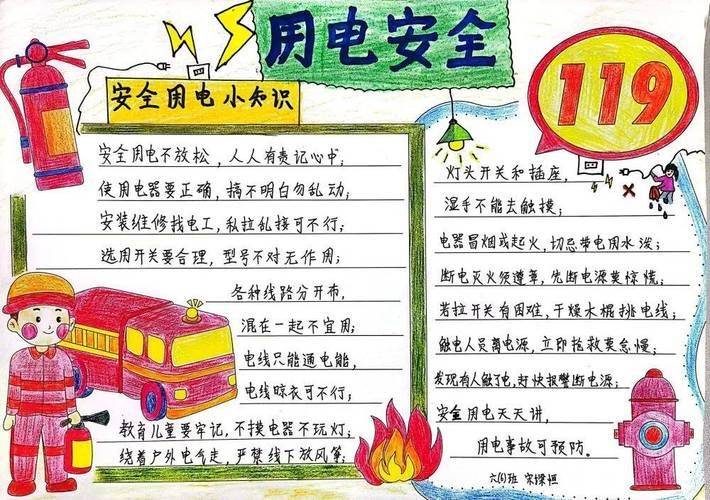
One: know the environment, remember the exit。
When you are in an environment of alienation, care must be taken, for your own safety, to evacuate passages, safe exits and stairwells so that you can flee the scene as quickly as possible at critical times. Remember, when you are safe, you must live in peace and save yourself a path。
Second: the exit of the passageway, unimpeded。
Stairs, passageways, safe exits, etc., are the most important escape routes in the event of a fire, and should be guaranteed unimpeded access, without the possibility of stacking or locking the gates in order to allow safe and rapid passage in emergencies. Remember: there will be no doubt in the end。
Number three: put out the fire and benefit others。
When a fire occurs, and if the fire is not significant and has not yet caused a great deal of pressure on people, when there are enough fire-fighting equipment around it, such as fire extinguishers, emboldens, etc., to try to contain and extinguish the small fire, and do not panic and scream and cause a great disaster. Remember: "initial fires" are extinguished in a race for seconds。
Number four: stay calm, clear and fast。
In the face of a fire, smoke and fire, it is first necessary to force yourself to remain calm, quickly extrapolate the point of emergency and the place of safety, determine the method of escape and evacuate the site as soon as possible. Do not wander blindly with the flow of people and the crowds of one another. The evacuation shall be carried out with care, either in the direction of the light or in an open space outside, as far as possible under the floor or, if the passage has been blocked by fireworks, in the direction of the pyrotechnics, to escape through the balcony, the air window, the roof, etc. Remember: a man can come up with a way only if he is calm and calm。
Number five: no danger, no greed。
In danger, they should be evacuated as soon as possible, not to seek and remove precious goods from their luxury of running for their lives because of shame or care for them. Those who have fled are not allowed to return to danger and find themselves. And remember: the mountains are left in the mountains without wood。
Number six: easy protection, stunned。
The flight is carried by smoke-filled routes to prevent fumes poisoning and suffocation. In order to prevent smoke intrusion from the fire, towels, masks and facade can be used to evacuate. The flue gas is lighter to the upper part of the air, and the extraction close to the ground is the best way to avoid inhalation and filtering the gas. Through the pyrotechnic closure zone, protective gear such as gas masks, helmets and flame retardants should be worn and, in the absence of these, cold water could be poured on the head, on the body, or with wet towels, wet cotton, wet blankets, etc., and then washed out. Remember: multiple protective gear is in hand, better than a brawl。
Seven: good access, no elevators。
The building, which is designed in accordance with standard standards, has more than two escape stairs, corridors or safe days. In case of fire, access to the relatively safe stairs is selected according to the condition. In addition to the use of the stairs, the building's balcony, windows, roofs, etc., can be used to climb to a safe place around the building and slide out of the building structure, such as landing pipes, thunderlines, etc. In high-rise buildings, the elevator's power supply system can be cut off at any time during a fire, or thermally deformed elevators can keep people trapped inside the elevator while the toxic smoke is simply forcing the lives of those trapped because the elevator wells run through the floors like a cross-coast. Remember: when you run for your life, it's very dangerous to take the elevator。
Number eight: slow escape, slid rope saves himself。
High-altitude slow-downs or lifelines are generally available in high-level, multi-storey public buildings through which personnel can safely leave critical floors. In the absence of these special facilities and if safe passages are blocked and the rescue workers cannot be able to get to them, you can quickly use the simple, home-made lifelines, such as ropes or sheets, curtains, clothing, etc., around your side and use water to slowly slide from the window or balcony to the lower floor or the ground; you can escape safely. Remember, you're bold, you're right there。
B: place of refuge, secure for help。
If the door of the house feels hot with your hand, the door opens at this point; the flames and the smoke must come up. The escape route was cut off and there was no rescue for a short time. This could be done through the creation of places of refuge and the provision of assistance. First, it should close the doors and windows facing fire, open the doors and windows of the back fire, close the doors with a wet towel or be damp with water, blindfolded with windows, and then pour water through the room to prevent the pyrotechnic infiltration and secure the house until the rescue personnel arrive. Remember: what's a spear?
Ten: swing away and seek relief。
Those temporarily unable to flee should stay as close as possible to the balcony, windows, etc., and be detectable and able to avoid fireworks. In the daytime, you can shake a dress outside the window or throw a light eye; at night, flashlights could be used to flash or knock on things in windows, just to send an effective distress signal to draw the attention of the rescuers. Remember: fully exposed to save yourself。
11: the fire is over. Don't panic。
If people on fire find fire on their bodies, they must not run or beat with their hands. When there is a fire on his body, he or she should try to remove his or her clothes or roll them off and crush the flames; it is more effective to jump into the water or get someone to water him or to spray the fire. Remember: the fire can be saved from the chaos。
B. T. T.: jumping is good, but it's life-saving。
It is also a way to escape, but it should be borne in mind that only when firefighters intend to save their aerobic pads and direct them to jump, or when the floor is not high (generally below 4 floors), or when they are burned to death. Jumping from a building also involves skill, and jumping from the building should, as far as possible, jump to the centre of the life-saving aerobic pad, or opt for water pools, soft rain caps, grasslands, etc.; whenever possible, a few loose items, such as blankets and sofas, should be carried as far as possible, or a large umbrella should be opened to jump off to mitigate the impact. If you jump off a building with your bare hands, you will have to pull a window or balcony to make the body fall down, so as to minimize the vertical distance, and you will have to bend your hands to your head in a lump to reduce the damage. Remember, jumping off doesn't mean suicide. The key is to find a way。
Primary school students have access to electricity