The soybeans, also known for their origin in tropical africa, are rich in nutrients and diverse in eating, are the most common food on the table and are widely cultivated in our country。
Many are growing beans, which result in poor capacity and are prone to premature decay, leading to inefficient cultivation. Today i will share with you the six techniques of bean cultivation, which will be able to pick up at once, and the production and quality of bean is greatly improved。
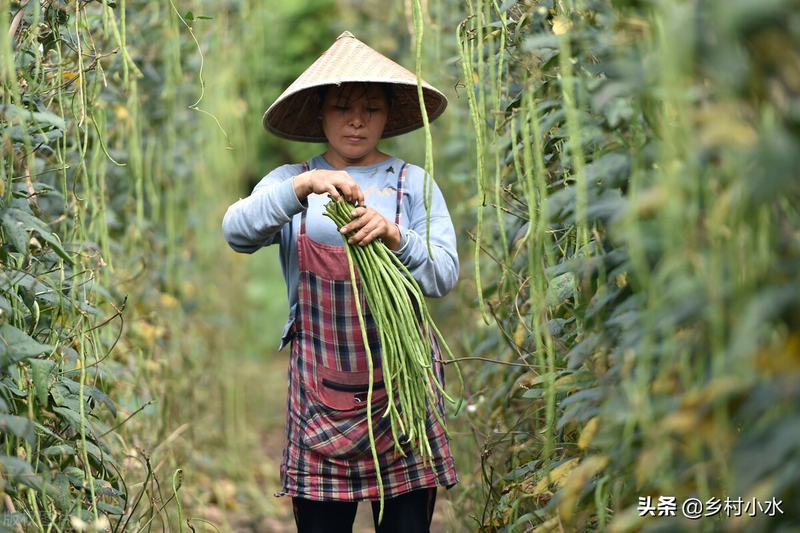
Six techniques for bean cultivation. I can't take them out once i'm done
I. Controlling the airtime
The minimum temperature at which the seed seed of the bean is sprouts is 10°c, the highest temperature at 35°c and the most appropriate temperature at the flowering plume is 25-28°c. As a result, the average temperature of the day can sow when it stabilizes at more than 12°c, as it is used to say, “as before and after the rain, we can grow the beans”, which run from mid-april to mid-august each year。
The soybeans are conducted live, with pre-planting, 60 centimetres wide, 25 centimetres tall, 40 centimetres wide in ditches, 30 centimetres (gaps) between pits and pits, 2 to 3 seed seeds per pit, and 3 cms behind the earth。
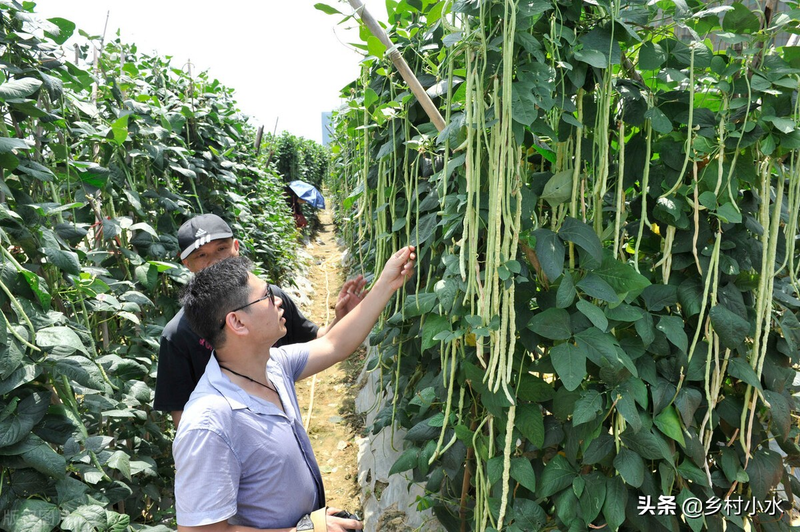
Ii. Fertilizing according to the pattern of need
The highest long-term demand for nitrogen, potassium and phosphorus is found in the basal beans. Nitrogen contributes to the growth of the tubular leaves, and when nitrogen is insufficient in the soil, it can be shorter and weaker, with a significant early decline in the crop and lower yields; phosphorus fertilizer contributes to the growth of plant roots, boosts the growth of strong seedlings, and phosphorus fertilizer also contributes to the flowering of beans, contributing to higher yield rates; potassium promotes the transport of photosynthetics and photosynthesis products, facilitates the synthesis of carbohydrates, fats and proteins, and increases seed saturation by supplementing potassium fat for the beans。
Since the root root of the mammosis is a soybean plant, which fixes nitrogen in the air, we do not apply nitrogen fertilizer to the bean, which tends to produce long planters, and if the plant is grown, the plant will grow only leaves and not flowers。
It is worth noting, however, that the root tumor of the bean was not fully developed before the flowering of the herb (the root tumor in which the nitrogen is fixed) and that during the pre-planting period we can properly replenish the nitrogen fertilizer, and after the plant has been planted, as the capacity of the herb to fix the nitrogen increases, we should not pursue the application of nitrogen fertilizer。
Specific fertilization methods:
1. The application of base fertilization requires comprehensive nutrition. Before the rise, the whole acre was combined with a fully decomposed farm manure of 2,000-3000 kg and a compound of 3 yuan 40 kg as base manure. When the seedlings come out of the ground, if they are weak, we can chase urea 7 kg per acre after 10 days。
2. Follow-up of potassium and boron fertilizer during flowering curries. The largest amount of fertilizer is required during the guava season, where 15 kilograms of potassium sulphate can be applied to the soil per acre, and leaf fertilisers can be used to select potassium phosphate and boron fat, and boron can contribute to the separation of the buds and to the growth of the root systems, with significant productivity gains。
The application concentration of potassium phosphate is 0. 3 per cent, and we can use 90 grams of potassium phosphate + 60 grams of boric acid per acre, 30 kg of spray in water, and spray three times every 7 to 10 days。
3. Plantation followed by urea in the later stages of growth prevents premature plant failure. The longer the pick-up period, the higher the corresponding yield, the greater the probability of early failure in the post-harvest period, and the 5 kg of urea per acre that we can water in combination to slow down the ageing of the plant, which is very conducive to increasing production。
Iii. Scientific watering to promote root cancer activities
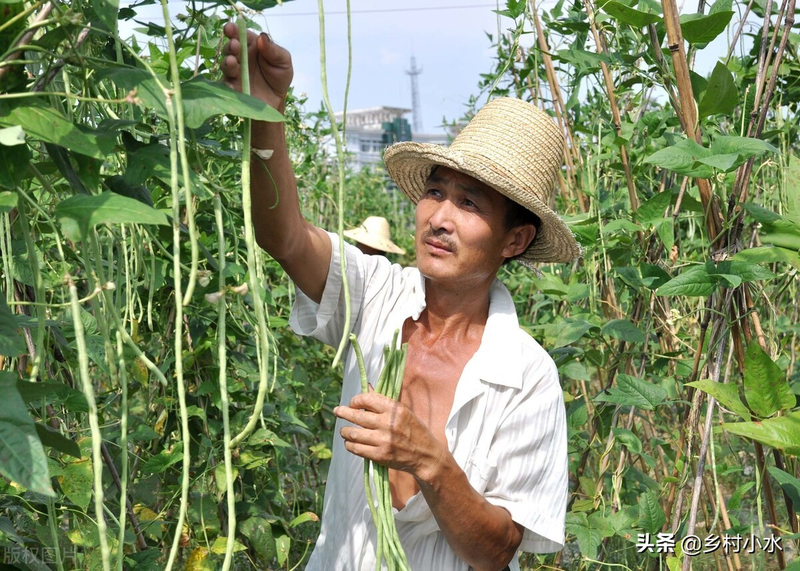
During the gestation period, the bean needs wet soil, which facilitates seedlings; the bean can be watered every 10 to 15 days during the gestation period, and excessive soil moisture tends to cause seedlings to grow. The soybeans have moderate moisture during the flowering season, and the soil is too dry or too wet to lead to the fall of the bouquet (disruption of the buds), and we can water it every 10 days during the planting of a bud (drinking), and thereafter every 10 days without rain。
Special attention is paid to the fact that the roots of the bean are well developed and drought-resistant, and that if the soil is wet enough, it not only leads to bad root but also inhibits root-based root tumor activity, which, if suppressed, reduces significantly its nitrogen-fixing capacity and slows the growth and development of the plant。
Supplement: soil sheeting is not conducive to the breathing of the root system, nor to the activity of the root tumours, so it is best for us to plant the deep, loose, fertile soil that is protected by water。
Iv. Scientific institution
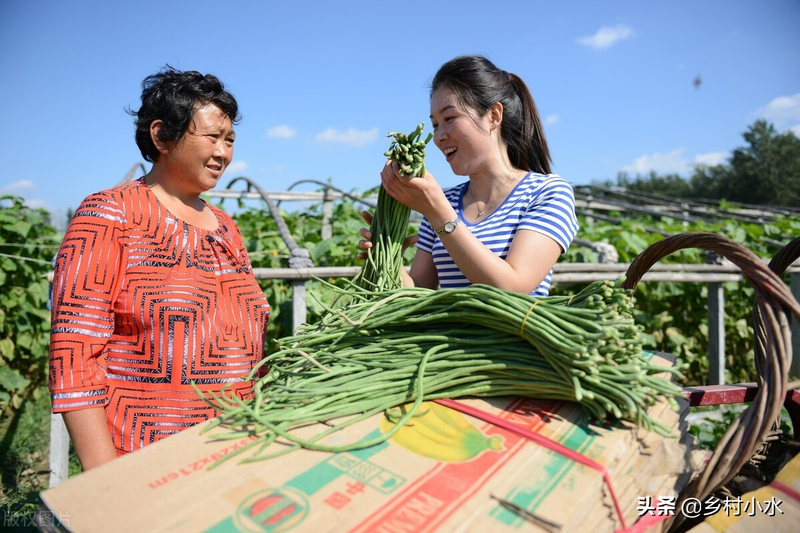
The more side branches the beans grow, the more they grow, so in production management we try to keep it as long as possible。
The top advantage of the bean plant is strong, the top advantage inhibits the growth of the side branch and the top advantage can be broken through "crystal" (the tip of the dot produces growth factors that inhibit the sprouts). The growth of nutrients is facilitated by the growth of the soybean plant, which inhibits the growth of nutrients by heart, reduces the waste of nutrients (the vines are growing up and consumes large amounts of nutrients in white), and the nutrients that are saved are used to extract side branches and to open flowers。
When the chicken grows to a height of 1. 5 metres, the heart is taken off, while the side branch from the top minister in the chicken is taken out of the heart, which only has to be strangled with his hand. In addition, the negative branch on the base of the plant should be trimmed in a timely manner in order to avoid a waste of nutrition。
V. Accosting chickens
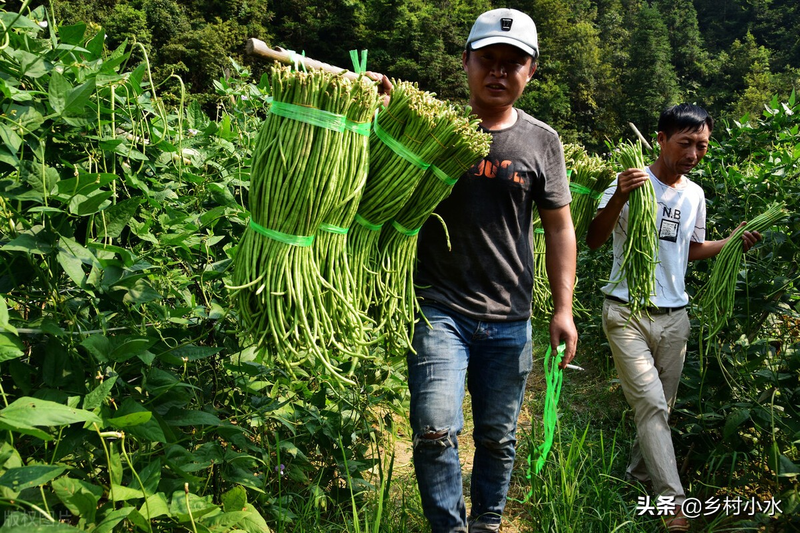
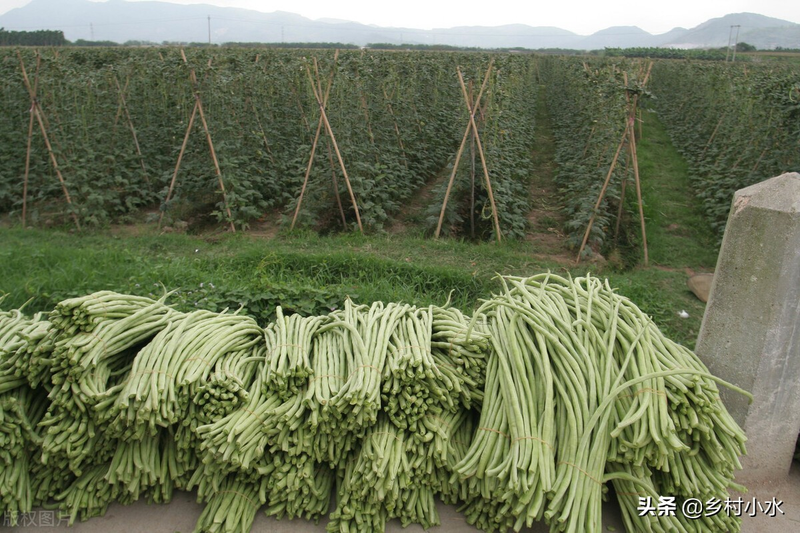
Peas is a climactic plant, and when planted 40 centimetres high, we can set up a “x-type frame”, set up two metres high, with 15 cm at the bottom of the shelf, which can effectively improve the ventilation of the field and help improve the production and quality of the beans。
The。
Vi. Prevention of driving performance
The bean borer is also called the soybeans, one of the main pests. In addition to being prone to larvae and bean bean bean-eating, the pests excrete in a hole and the taste of the bean bean-eater becomes bitter and uneatable。
Once the soybeans are sorely fertilized that the use of further drugs is poor, so we should focus on prevention, so we can shoot 2. 5% of the enemy to kill 2500 times more of the cream during the curvature, which is very effective against the worms。
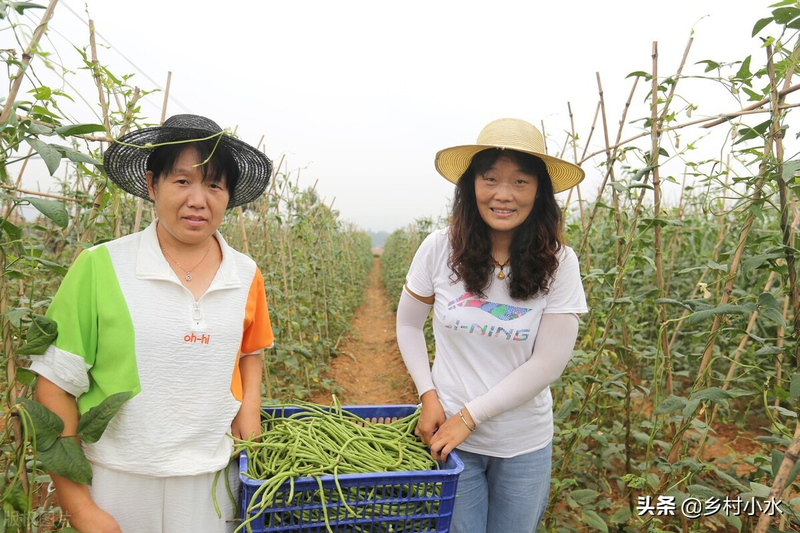
Summarised as one of the most popular vegetables, acre yields more than 3,000 kg if managed well. In the management of production, we should strengthen the management of fatty water, the timely setting of chickens, the filling of hearts and the strengthening of pest control so that we can grow high-quality, high-yielding beans。