In addition, duchin koddu is a single type of tree, like the apricot, which belongs to the family “single seed” and is also a third-class plant known for its name. Although it is common in europe and north america in the third chronosphere, living organisms survive only in china and remain “living fossils” in the plant world。
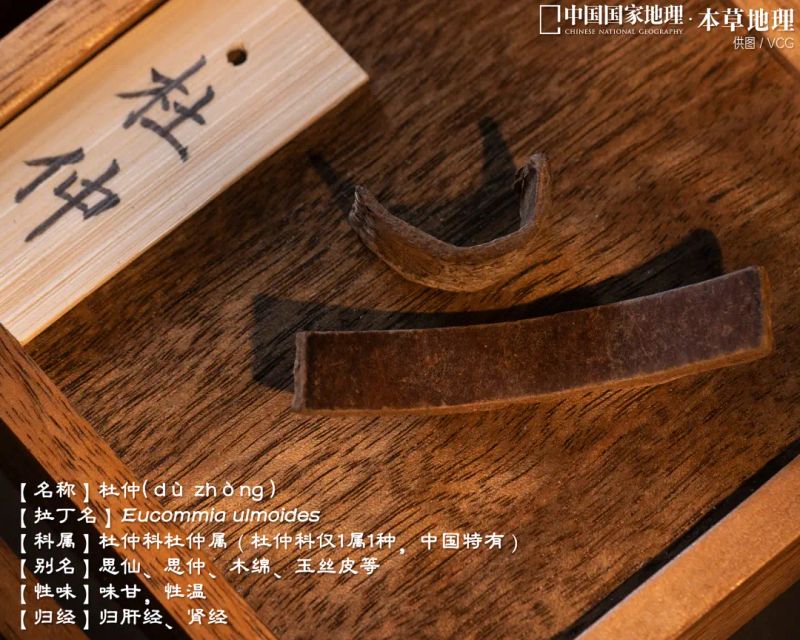
The medicine was originally published in the qinhan period's "the sorbs of the sorbs" and was included in the first sentence, “sinping. He is responsible for the spinal pains, their repair, their strength, their strength... And their long-serving and old age.”
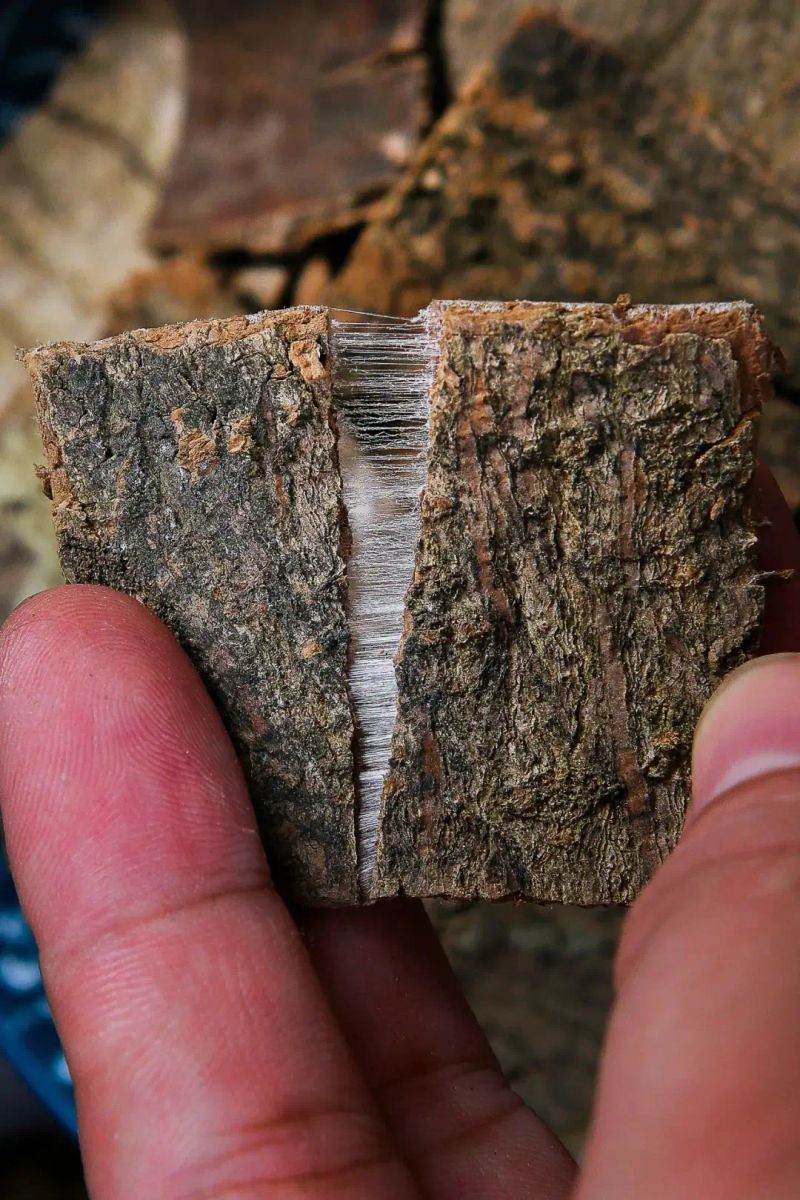
The fact that the twilight twigs are ancient, the skin ash tan strips are fractured, and that the twilight of the skin is so dark as silk, especially when the bark of the tree is broken, the twilight is so linked, the twilight is so elastic as rubber, and these silver-like glues are chewed to a great deal of quality, which is also the most distinctive feature of the other herbs。
It is also a chinese medicine and dry leaves for the tutong plant, which is contained in the pharmacological code of the people's republic of china (2025 edition)。
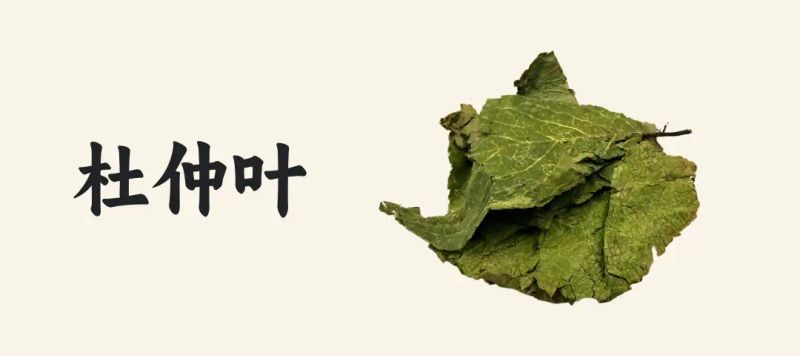
There are many similarities between dubuta and dubuta, containing chemical components such as acetone, phenol acid, carpentin, cyclopentalene, and phenols such as chlorophate the content of formaldehyde is significantly higher than that of the other parts of the dhuong. In the shuxi and sichuan regions of the country, there is a long history of dual-use medicine, mainly through cooking, cooking, tea, soup, etc。
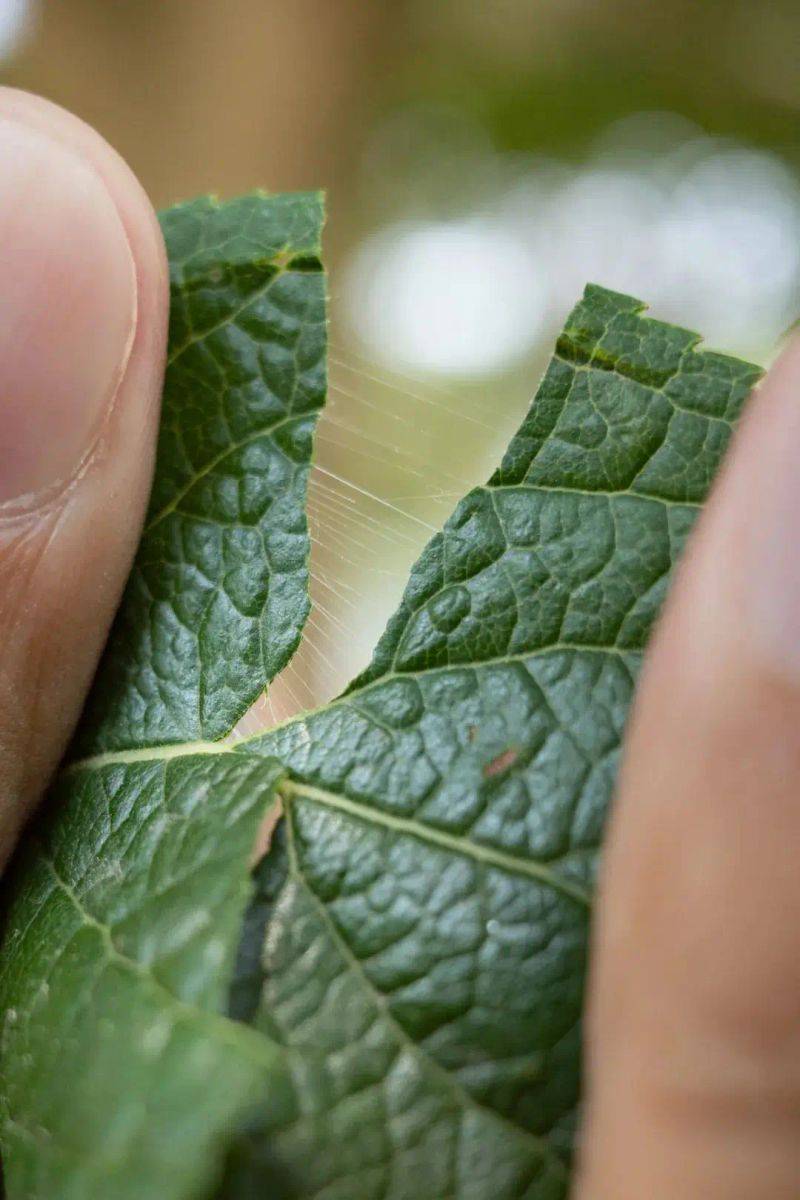
Don't forget to tear up a leaf。
Photography/phil
The doo-tyoha look
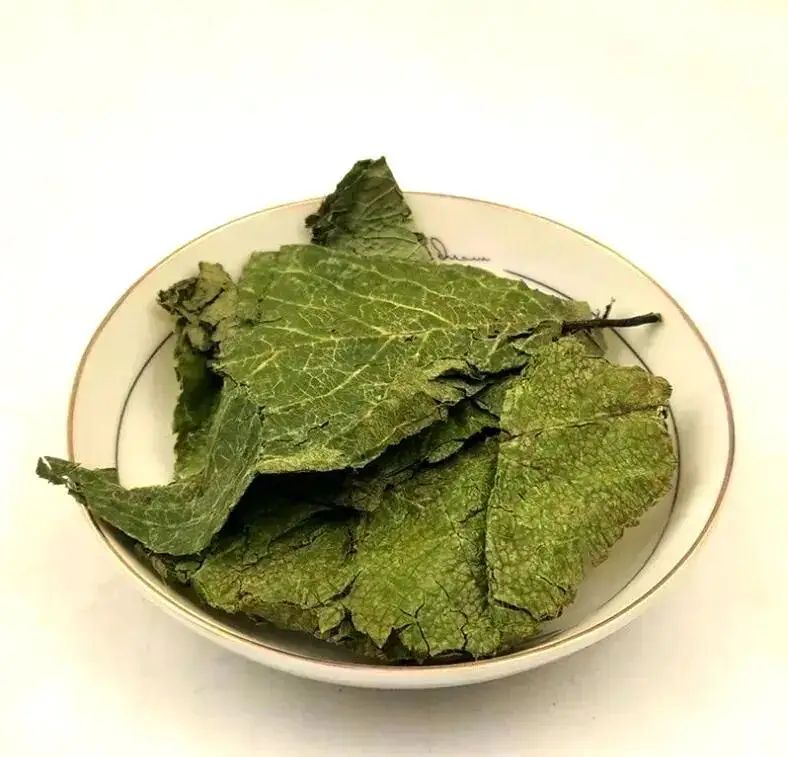
The dry-dry-dry look of the dobu leaves can be identified by the four dimensions of "form, colour, quality, taste" with the following core features:
Shapes: eggs or ellipses, 6-18 cm long, 3-7. 5 cm wide, thin sawn teeth on the edge (saw-front blunt circle), leaves residue or fall, foliage, curly, partial fragmentation
Colors: deep green, yellow green or brown green on the surface, with light light on the back, light green or grey green on the back, visible leaf veins and network distribution
(a) quality: the texture is flexible and non-breakable, with white glue (tubes) visible after the break of the leaf, and the glazing (which can be pulled to 1 - 2 cm), which is the key identifying feature of the dotham
Smells: slight, bitter, bitter and slightly sticky when chewing
The effects of the doo-tong leaf (core efficacy and clinical application)
1. Core effectiveness
According to the chinese pharmacology and chinese pharmacology, the core function of the dots is to supplement the liver and kidneys and to strengthen the bones. Its effectiveness is characterized by “refillable, warmer and dry”, because of its components, such as corrosive acid, pomegranate corals, and tungsten, which both supplement the strength of the liver and kidney, enhance the strength of the liver, and have a softer taste of herbivate, like green tea, but milder, without strong bitterness, and are well suited to the day-to-day tea of the “bone conservation”。
Doo-jae
A tablet
T001700231
Kung fu
10g/bag
♪ where the medicine comes from ♪
Whispering. Temperature. Liver, kidney。
Healing and kidneys, strong bones. For insufficiency of liver and kidneys, dizziness, acne ache, dysentery。
[use and usage] 10 〜15g, panty or tea。
Thirty-six months
The 2025 edition of chinese pharmacy
[drug production licence number]
2. Clinical applications (combinations and points of evidence)
(1) testimony of loss of liver and kidneys: for symptoms such as “soft knee, weak neck, dizziness, soft lower limbs”, the clinical mix is as follows:
(b) treatment of simple knee acids: boiling of water alone or preparation for salwarms and salwarms, increasing the strength of the liver and kidneys
(b) obsolete bones (e. G., osteoporosis of older persons, post-partum knee acreage): mixed with yellow tungsten, rectangular, cow knee, respiratory blood, strong neck bones
(b) treatment of dizziness (hepatic kidney deficit type): matching with tianma, sadako, murdori, supplementing liver and kidneys, and identifying liver
(2) testimony of rheumatism: for “ruin and hysteria, numbness of limbs, unfavourable joints” (e. G., rheumatism arthritis is liver and kidney deficiency and rheumatism), often associated with hysteria, sole activity, qin qin, refilling the liver and kidneys, wind and humidity, and communication
(3) hypertensive pressure is a type of liver and kidney deficit: for “head dizziness, soft waist knee acid, blood pressure fluctuations”, it is possible to make a separate water substitute tea, or to mix it with anesthesia, an epilepsy, and assist in regulating blood pressure (which is to be used under the direction of a physician and is not a substitute for pressure relief)
Modern applications: clinical services are often used to support the improvement of osteoporosis (hepatic and kidney deficit, increasing bone density), chronic hip pains (probability period for vertebrate palsy), high blood pressure (light and moderate, auxiliary regulation of blood pressure), and routine bone maintenance (e. G., sitting population, athletes)。
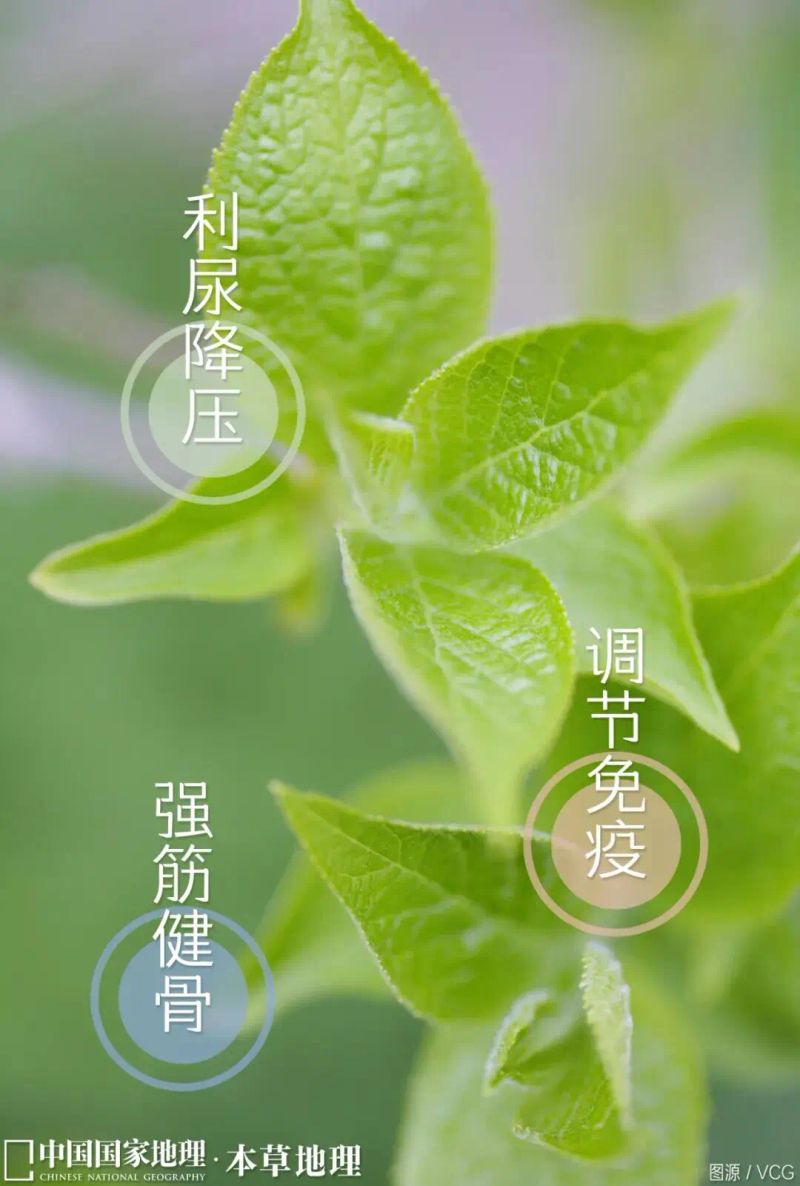
A cup of tea is made every day with duyat, which is easy to feed. To the duo leaves。
Note: wild doo is also included in china's national list of priorities for the protection of wild plants, level ii, which prohibits illegal mining。
—