


Summary of oil-01
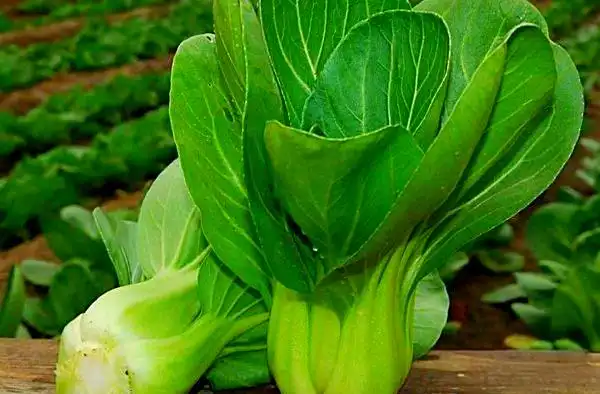
Oilseeds, a common vegetable in our daily lives, are not only nutritious and rich in vitamin c, but also have a wide range of uses beyond consumption. When its flowers are burned, oilseeds can be used to extract high-quality grease. Moreover, oilseeds are grown in a live and easy-to-read manner, saving human and economic costs, while their cultivation prospects are fairly wide。
Zero-two selection and planting plots
[selection of good castes]
Prior to the planting of oilseeds, the first priority is to select quality seeds. High-quality seeds are key to high-yielding production, and it is therefore essential to select highly pathogenic and adaptable varieties。
Choose a place to grow
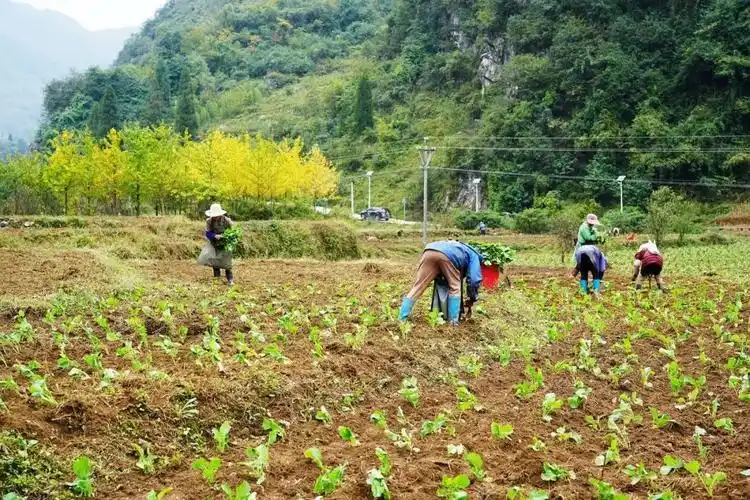
The choice of soil laxation, fertile plots with good drainage and drainage conditions ensures that the sun is sufficient for oil and vegetable growth. Oilseeds prefer a well-soiled, fertile soil and well-drained environment, and they should therefore be ensured in the selection of plots in order to ensure healthy growth and high productivity. Linked plots require the conversion of the land and the spreading of 80 to 100 kilograms of raw lime per acre, with the re-throwing of the soil, which will effectively solve the problems associated with the connection。
03 cropping and seeding
[ag/cc]
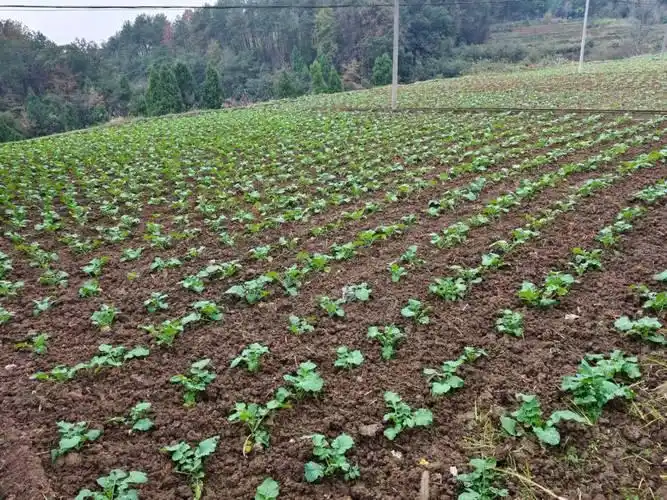
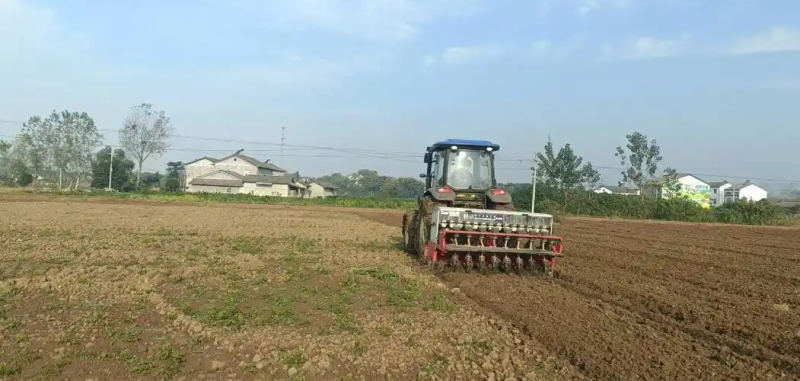
Farming is a prerequisite for planting, with careful preparation to improve soil laxity and provide a good growth environment for the root systems. In selected planting sites, tilling is an essential step. A tillage process can break the slabs of the soil, increase soil laxity and facilitate root system growth. At the same time, the application of appropriate amounts of raw lime per acre, such as 80 to 100 kg, can regulate the acidity of the soil and provide a suitable environment for crop growth。
In the case of plots with high levels of groundwater and excessive soil moisture, such as paddy fields, a deep flip is required 10 days before seeding, with depths ranging from 20 to 25 centimetres, followed by dredges to form suitable scabs. For the other plots, three or five days before the live broadcast, we'd be able to do the tillage and rake. Prior to tillage, medium-fatility plots should be covered with 1,000 to 1,200 kg of rotting pig and cow dung per acre, together with 50 kg of calcium phosphate and 700 to 1,000 grams of boron. In the absence of decomposed organic fertilizers, 60 kg of potassium nitrogen phosphorus compound fertilizer and 700 to 1,000 grams of boron sand per acre may also be applied, followed by a ravine and ground-cleaning。
[sowning]
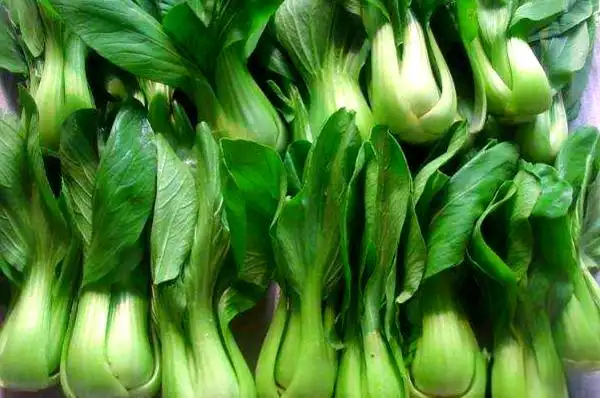
The timing and manner of planting needs to be adapted to seasonal and plot conditions to ensure even distribution of seeds, timely coverage and spraying of herbicides. As a rule, planting began in mid-october, while planting was scheduled for late october for late-season rice. The amount of seeds required per acre plot is approximately 200 to 250 grams. Seeding can be done in the form of seeding, but can also be done on tape or on-demand to facilitate high-yield management. Before planting, seeds need to be evenly mixed with a suitable amount of dry soil or hay ash to ensure even distribution of seeds. After seeding, the soil is covered in a timely manner and herbicides are sprayed on the cheeks and ditches to control weed growth。
04 field management
Fertilizer
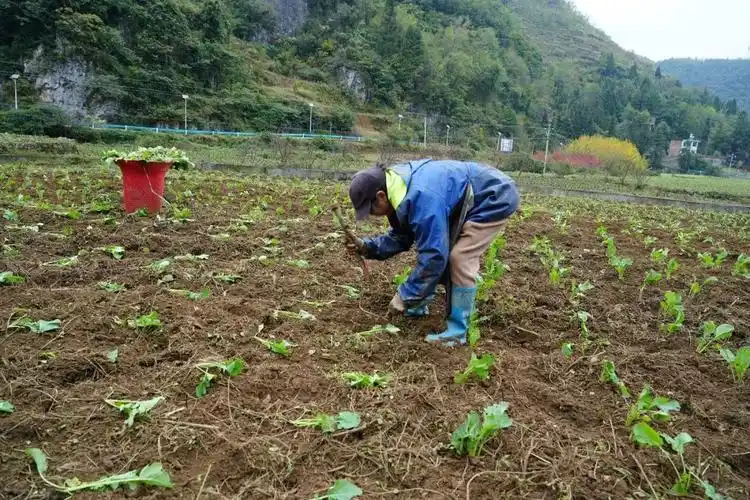
Fertilizers are applied at different stages of growth to promote the healthy growth of oilseeds through fertilisation measures after seeding, before winter, after spring and during flowering periods. Fertilizing is an essential component of field management. It directly affects rice growth and production. The following are recommendations for various stages of fertilization:
After seedlings: 300 - 400 kg of manure fattening per acre or 4 - 5 kg of urea to promote healthy growth of seedlings. Pre-winter: depending on the growth of the oil seedlings, one application of fertilizer, specifically 800 - 1000 kg of decomposition manure per acre, or 5 - 6 kg of potassium chloride and 12 - 15 kg of urea, can be used to increase their resilience to cold. After springtime: with the return of temperature, 20 to 25 kg of potassium nitrogen phosphorus compound fertilizer per acre, or 700 to 800 kg of rotting pig and cow dung, should be distributed to promote the recovery and growth of the oil seedlings. Scraping and flowering periods: at this critical stage, leaves can be sprayed one to two times with 0. 2% boron or 0. 2% ~ 0. 3% potassium phosphate solution to improve the yield and quality of oilseeds。
Drought and water
To ensure proper moisture during oilseed growth by filling water and surface cover materials in due course. Drought and water prevention are two important field management processes during the growing season. The following is a response to unsympathetic situations: when the topsoil is white or there are signs of drought, water should be poured every five to six days, with the option of ditching or irrigation. When sowing, covering materials such as straw on the oscillation surface not only prevents the soil from evaporating too quickly, but also serves both to prevent drought and to prevent surface sheeting。
[pest control ]
In the case of different pests and diseases at different times of disease, rational use is made of medicines to ensure the healthy growth of oil and vegetable plants. During the growth of oilseeds, there are risks of multiple pests. In order to ensure the healthy growth of oilseeds, we need to respond accordingly. The following is a response to different pests and diseases:
Virus disease: 20% hydrochloric acid can be sprayed one to two times at the onset of the disease. Frosty: spraying of 8 per cent of the iron and manganese zinc humid powder at the beginning of the disease. Soft decomposition: one to two times 47 per cent of the chronic oxychlorine suspension can be sprayed at the onset of the disease. Aphids: 50% anti-hidden powder can be sprayed one to two times. In order to prevent the occurrence of bacterium nuclei disease, 40% of the bacterium nuclei can be sprayed and protected. Through the above measures, we can effectively combat diseases and pests during the growing of oilseeds and ensure their health and high productivity。



