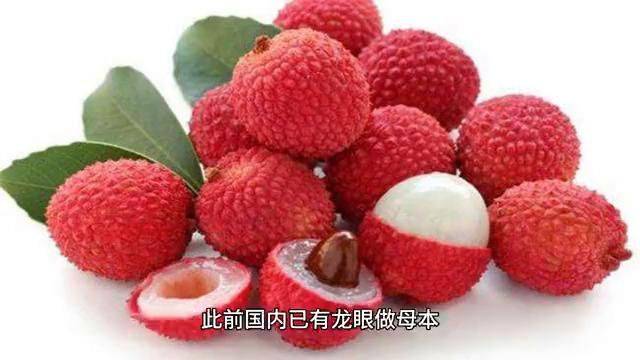
In guangzhou, the world's first hybrid species of tycoon bearstones are the fruit of a new species. Hello, let's talk about today's hot topic. Good news is coming from friends who love to eat twigs and dynasty eyes, and the world's first cross-breeding new species of twigs, whose father-in-law has made a formal experiment in guangzhou to break the natural and non-mixable breeding difficulties of the two types of fruit, with the advantages of collecting both。
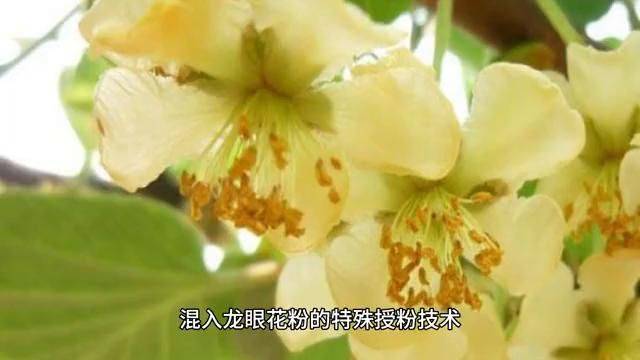
It is not the same as in the case of the eye, and there is a natural reproductive isolation that prevents pollination from being completed under the natural environment. As early as 2015, the team of experts from the fruit tree research institute of the agricultural institute of guangdong province started a process of breeding, choosing to use the luminous, tycoon-stycoon twig as a mother's book, the sweet, famous tycoon eye as a father, and the special pollination techniques used to pollinate the tycoon twig pollen into the cyanide flower。
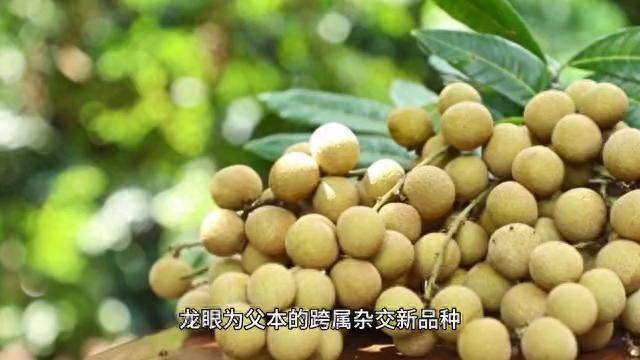
After more than a decade of screening and nurturing, this year, for the first time ever, a new breed is named after its parents and is therefore stone-bearing. The breeding process is unexpected, with pebbles matured around july, and cross-breeding boulders bred into pre-maturized varieties that can be picked up and marketed in mid-may each year, just to fill the market gap of pre-maturity and quality fruit。
The shape of the fruit appears to be a gill branch, its skin is red and brown, its consequences are full of white meat, its thick and its eye-marked fragrance, and its sugar content can be 18. 39, which compares favourably with pre-maturized gills such as acid, sweet red and cinnamon, which were listed on the market during the same period, with strong oral advantages, small nucleus and better food experience。

It was preceded by the birth of a hybrid species with a desire to be fathered, and after the fall of the stone, the country was able to achieve a complete breakthrough in the twin-direction of the eye of the dragon and to improve the pool of fruits and fruits of the kinnan. At present, the huaishi is still at the testing stage of the species comparison, and stability and mass production are being observed on a continuous basis, with the scientific studies planned to be completed in about five to six years, gradually moving to the national market, where consumers will be able to buy the fruits of this new transboundary variety。