Hello, everyone
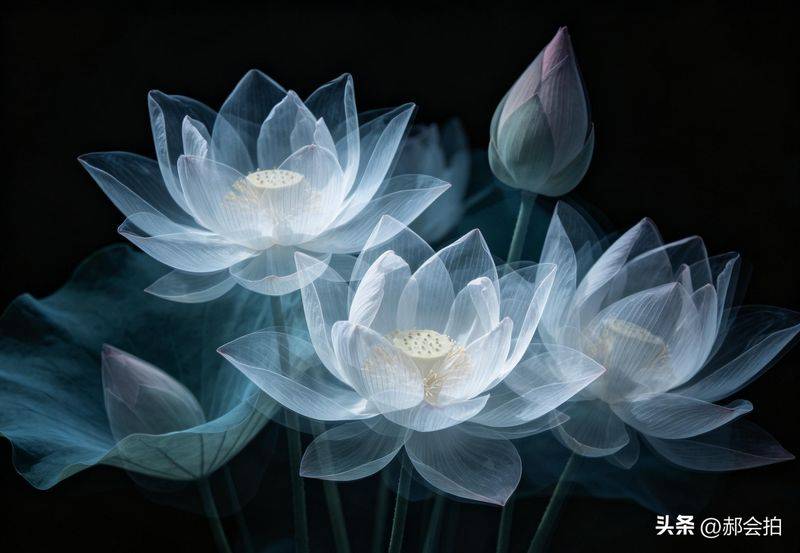
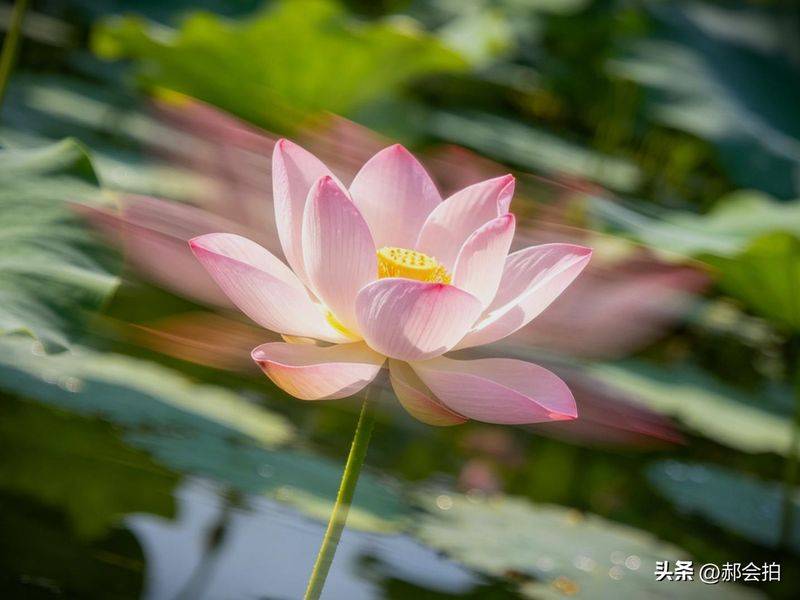
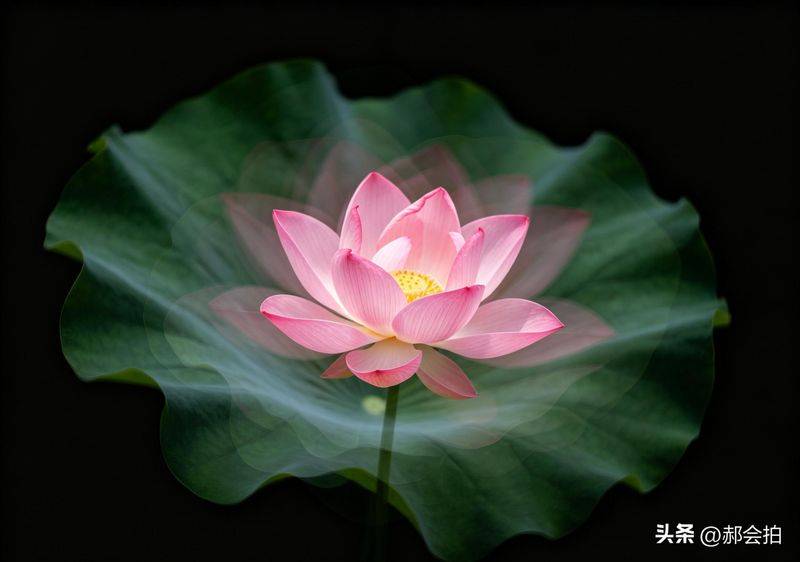
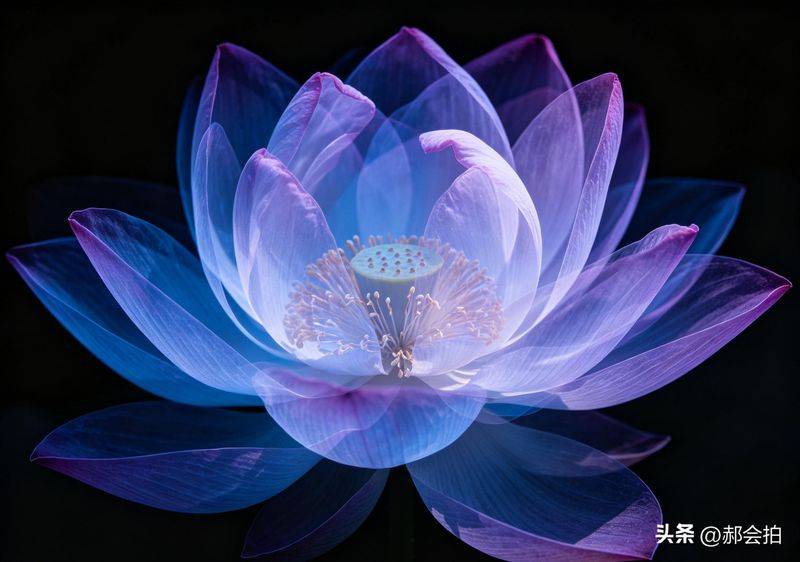
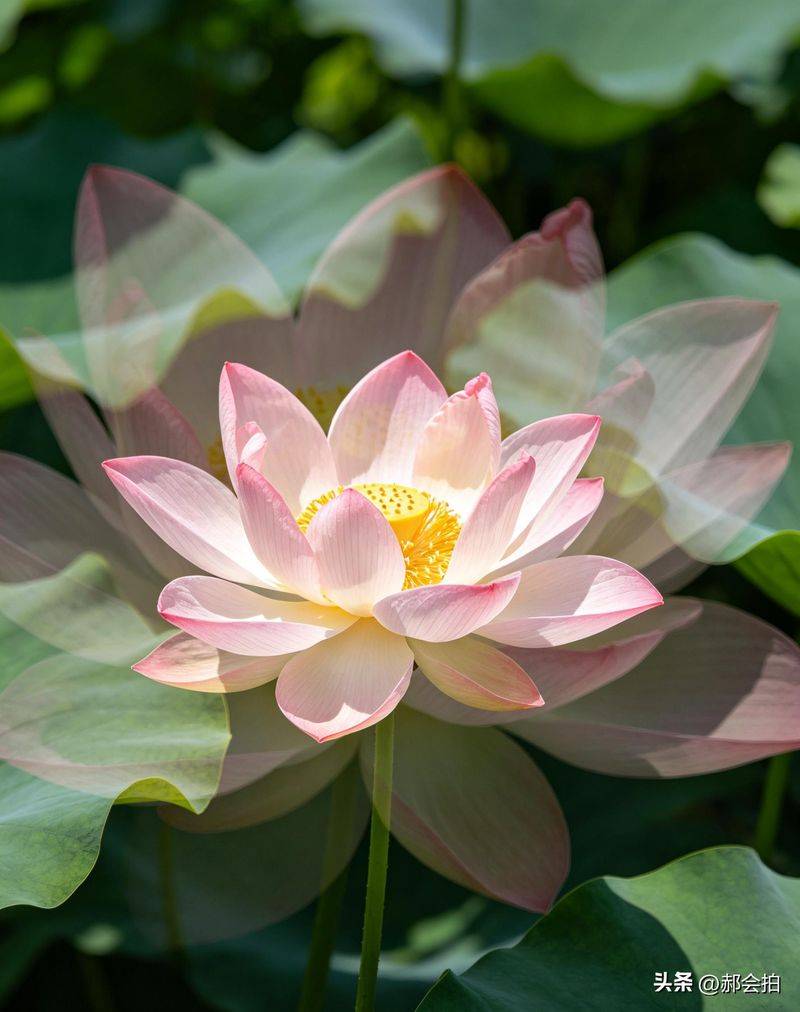
Summer hole wants to get out of writing the limitations of writing, to take pictures of ink writing, falsely convoluted art, multiple exposures are excellent creative techniques。
Many filmmakers try multiple exposures of the flowers, but often there are problems of confusion, blurry and luminousness。
Today, mainstream multi-exposure techniques, conceptual thinking, parameter setting and pit avoidance points are shared. Cameras and some of the mobile phones that support this feature are available, and hand-held hands that teach you how to produce creative hymns。
First understand the core logic: the creative thinking of the multiple exposures of the poaching
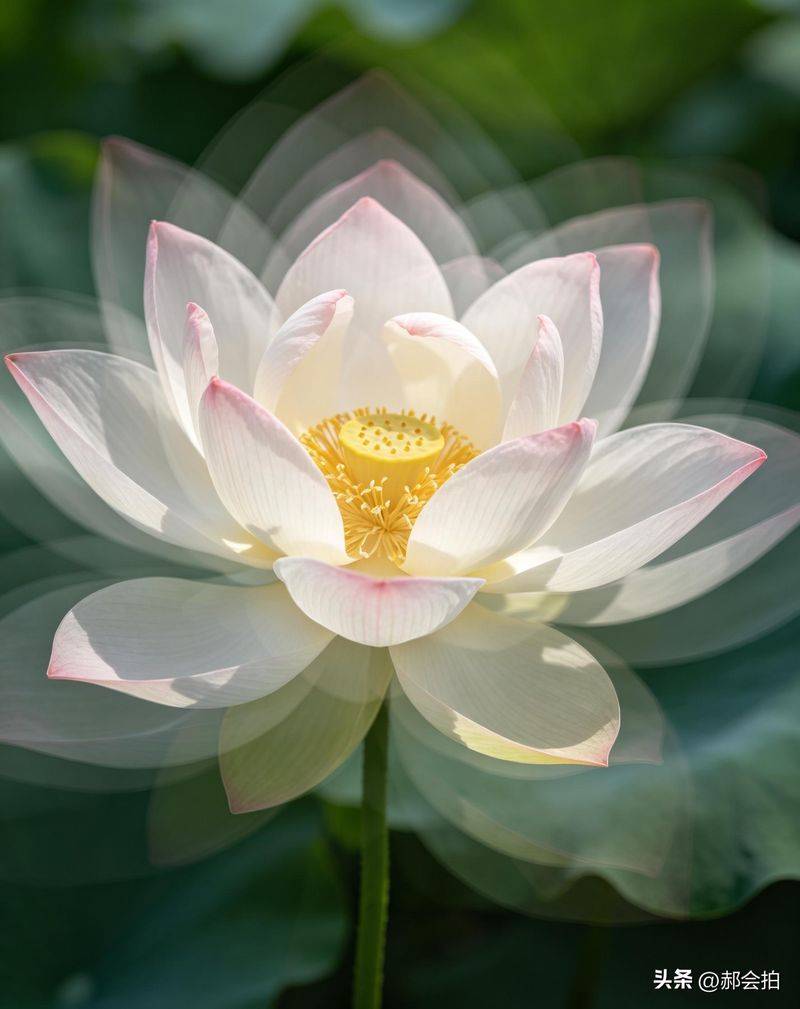
Multiple exposures, in short, on the same negative/ image, supersume two or more shots. The core principles of the "poaching" are: one size, one priority, and one size fits the other。
Multiple and clear images are added at random, which can easily lead to entanglement of leaves and layers. Regular creation is dominated by two exposures, which are also the most easy combination of film and error tolerance; progress can be attempted three exposures, without suggesting that more images be added to the picture, which can easily undermine the whole picture. Combining the fineness of the flower, the overall pursuit of the country's paintings, pens, the visual effects of writing weakens the colours and accentuates beauty。
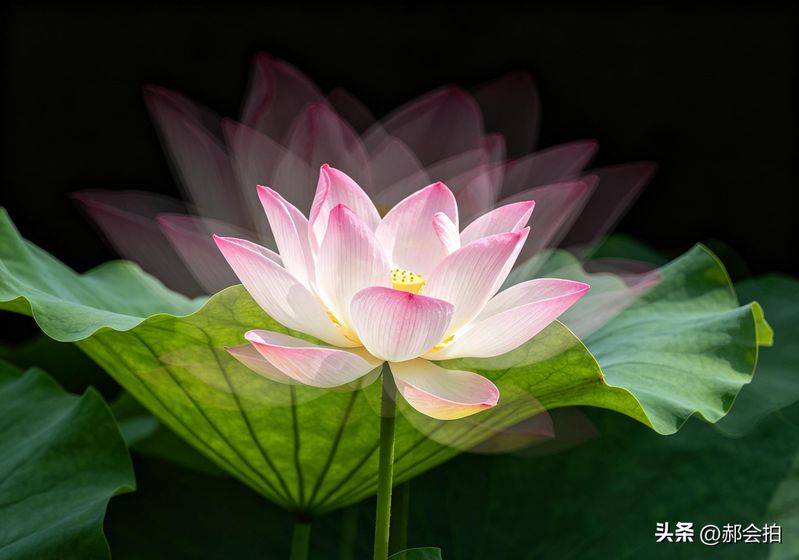
Ii. Four common combination techniques (aside scene + operation) techniques i: collapse of leaves (basic introduction, first choice of the country)
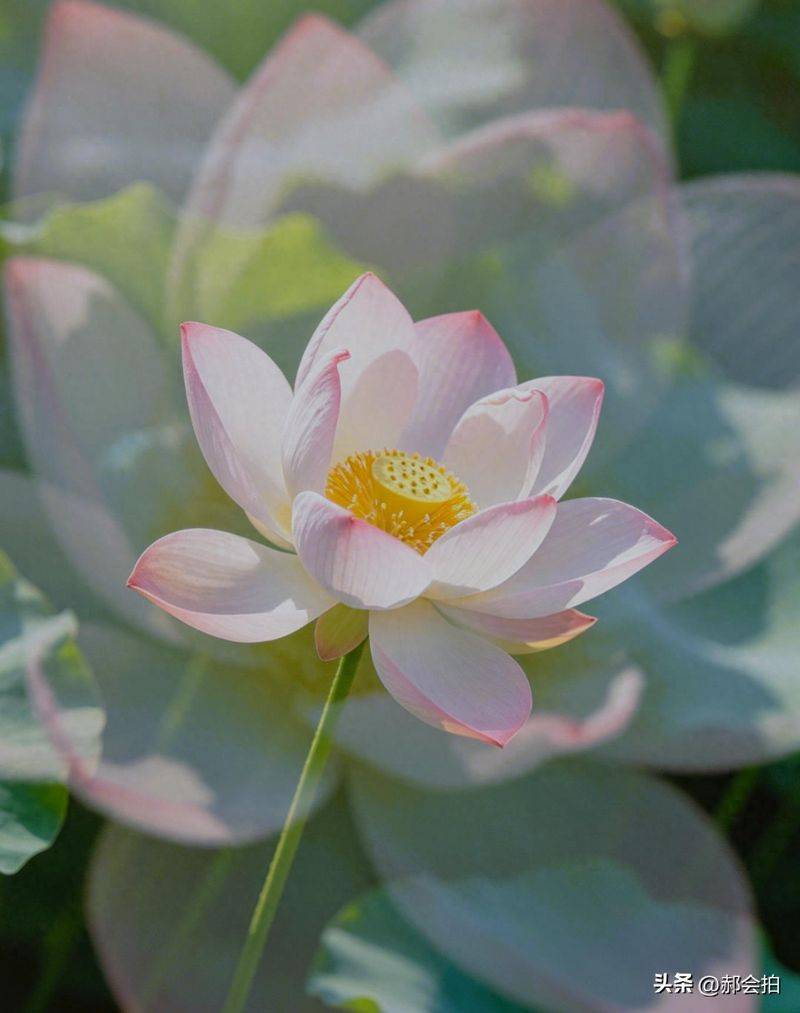
It's the most classic use of multiple exposures by the poachers, and it's perfect for all newcomers, and it's so close to the ink。
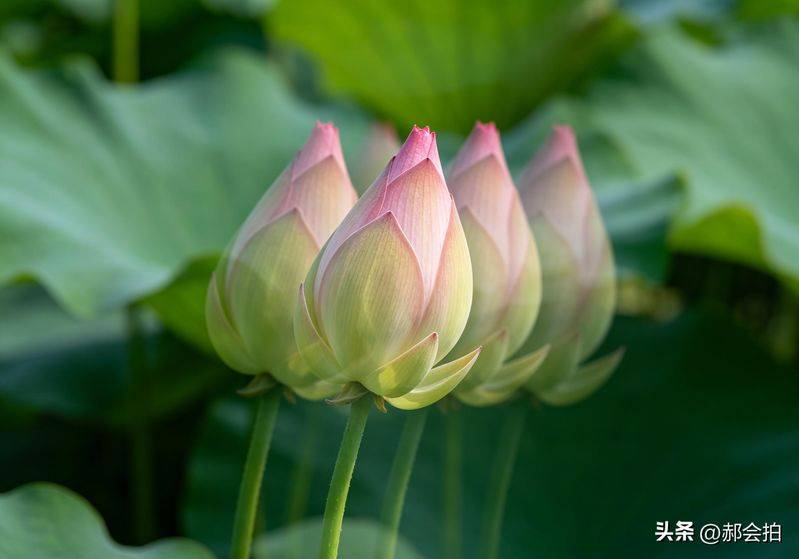
Ideas: first exposure to a clear subject, choosing a flower, a flower, or a beautiful leaf in its form, which is precise in focus and ensures the integrity of the main contours; second exposure to a dashed leaf / a prospective poach, using a large optical circle, a long focal length, or a light moving camera as a background. Chart highlights: the main body does not fill the picture, leaving space for the second layer of images to superimpose. Try to keep the background simple and avoid ashore groceries and crowds. Practical tips: two exposures remain unified, with priority given to light in the morning, light in the dark, light in the bright and dark, and a high risk of death in white and black。
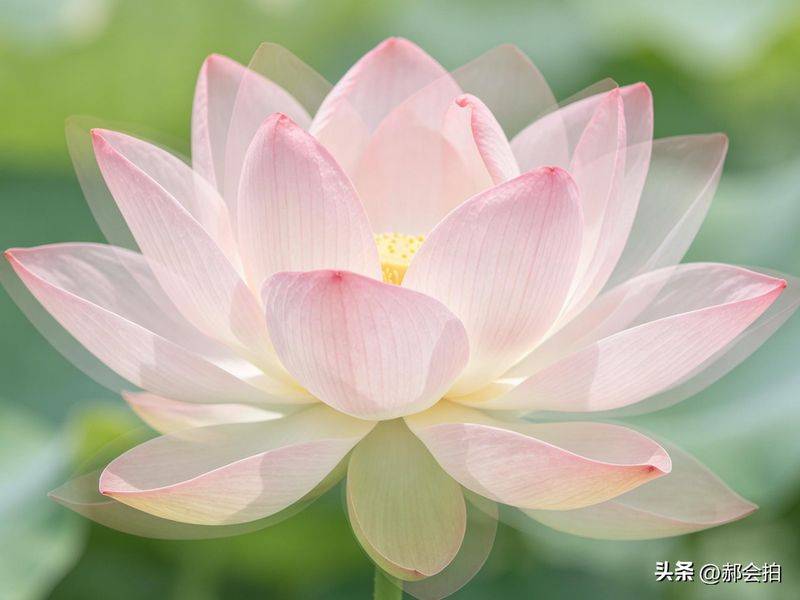
Skill two: fancy-like
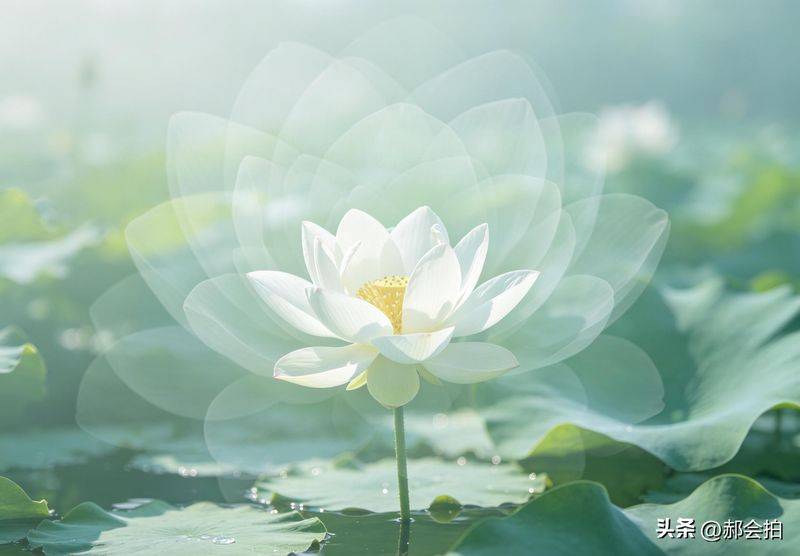
It is appropriate to create images of cloudy, fairy-like landscapes, and a very well-suited morning fog scene。
Ideas: first exposure to the scenery flower, normal exposure, strong focus; second exposure to the deliberate loss of focus to film the whole pond, the light-colored piece of the leaf, simulation of fog, soft light. Scene recommendations: morning fog ponds, the best reverse light environment. Inverted shadows of light form soft and luminous, superstitious. Little trick: when the second loss of focus is shot, the camera can be slightly raised, the sky and the water can be melted with leaves, and the picture is much richer。
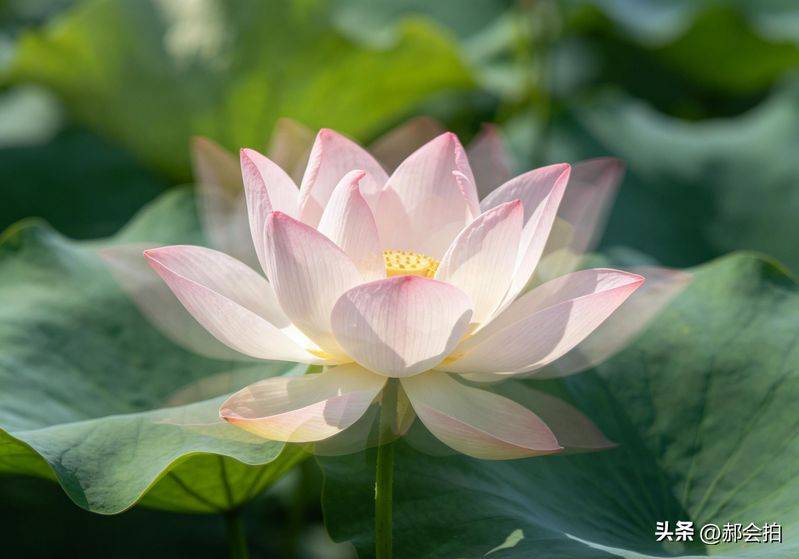
Skills iii: duplicate flowers (symmetrical creativity, reflection aesthetics)
Combining water-surface reflections, blending reality with shadows, the images are moving and the rhythm is very good for low-water angles。
The idea of filming: using a natural reflection of the pond, first on water, second on water, can also collide the main flower with the twigs and water grass that lay on the shore, creating unique images of the foliage. Structural elements: to the extent possible, to ensure the alignment of the reflection with the reality. The low altitude is close to the surface, the reflection area is larger and the superimposed effect is more natural. Avoiding pits: the film is suspended when the water surface is more volatile, and the motion of the mirrors becomes messy, and windless still water is the best time。
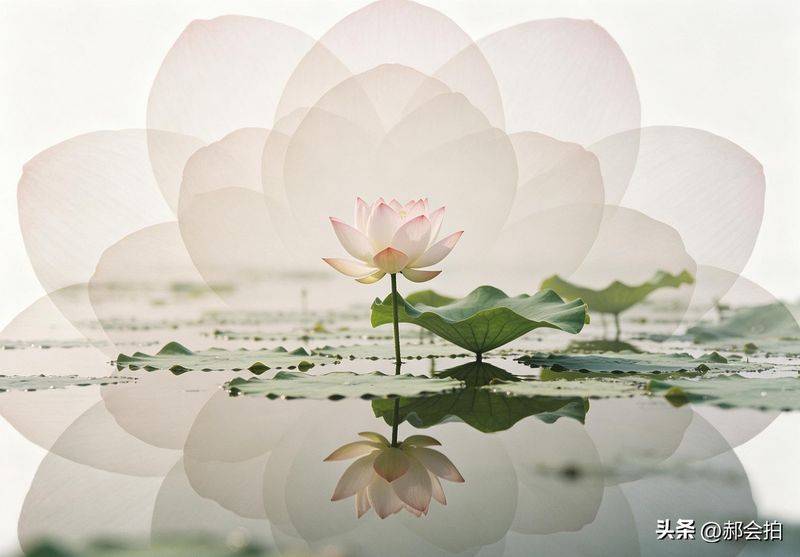
Skills iv: moving together (dynamic creativity, atmosphere full)
It's better to capture the ponds in the breeze, so that static flowers can be combined with dynamic light, and the images are more alive。
Ideas: first exposure to a static flower, fast door speeds are normal; second exposure to a wind when the leaves move by pressing the fast door, using a low speed gate to film the blades, act as if the wind flowed. Parameters reference: second exposure speed door can slow down to 1/30s ~1/15s, with no deliberate focus on capturing dynamic trajectory。
General parameter settings (universe/ microbiography, cell phone reference logic) 1. Exposure and compensation for exposure
Porn flowers give priority to two multiple exposures. Because of the increased overall brightness of the image, the exposure compensation must be reduced: the overall reduction of 0. 7 ~1. 3 ev to avoid exposure。
2. Aperture and focus
3. White balance and colour
In pursuit of the elegance of the national style, the white balance can be appropriately elevated, the picture is warmer, and the red and green contrasts are weaker; it can also directly set up the camera's low saturation colour pattern, which is warmer after superstition, and close to the country's painting taste。
4. Multiple exposure supplement for mobile phones
A lot of flagship phones, photography apps now have multiple exposures, operating logic and cameras. Mobile phones recommend fixed slots (with tripods) in order to avoid a serious distortion caused by handshakes; preference is given to 2 superheavys, with parameters primarily to reduce the visibility。
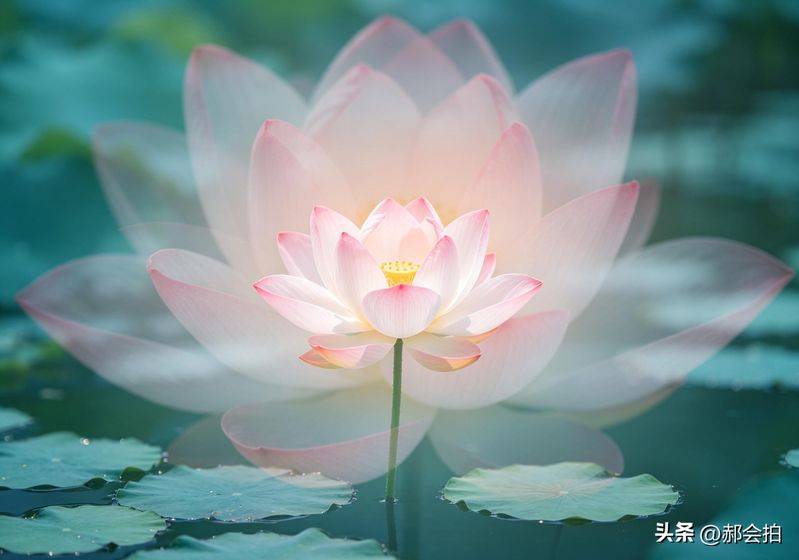
Iv. Timing and structure details are finely defined with a low angle: continuation of the advantage of low angles, lower lenses than flowers, close to the water surface, multiple exposures, integration of blue sky + leaves + three-fold elements of reflection, far beyond conventional substrates. Maintaining white graphics: multiple exposures are very numerous, and remembering that "the flower view is much white" and not allowing multiple images to fill the picture, leaving the sky and water blanks to breathe. (b) pre-positioning: in pursuit of a fine image, it is recommended to use a three-legged fixed device; creative dynamic effects carry a slight shift in hand, and new hands try to hold their positions as early as possible。
V. Hf error pits (newers must see) mistake i: an unlimited increase in exposure
2. Misdirection ii: non-remuneration of exposure compensation
3. Misdirection iii: forced overlay of elements
4. Mistake iv: strong light at noon
Vi. At the end
Multiple exposures are not about the stacking of techniques, but about the blending of light and vision. Starting with the simplest double-heavy exercise, a gradual attempt at a false and mirror combination, combined with a white, low angle, etc., can produce a single picture。
One pool of regular cha hahos, with multiple exposures, can be used to make a picture of the image. This summer, you might want to pick up the camera and try this creative way and fix a unique dutch poem。