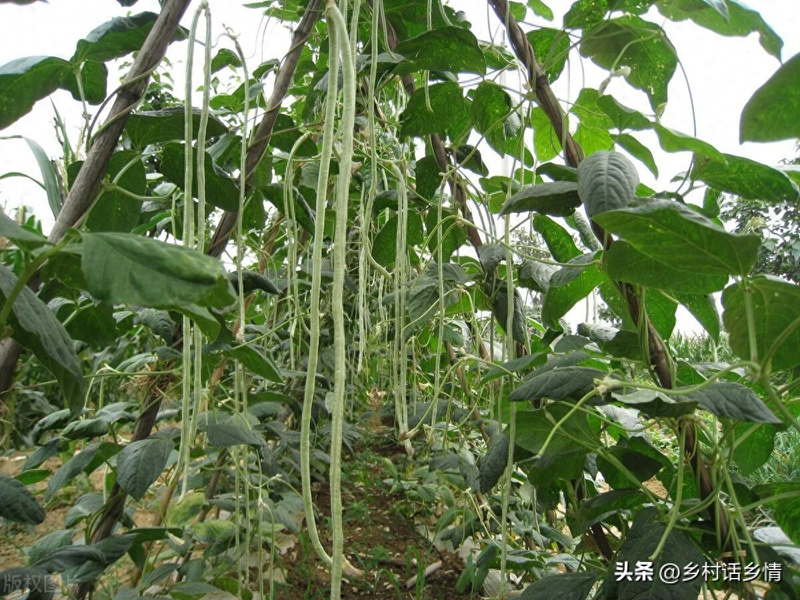
Vegetables such as beans, beans, four seasons of beans, legumes, lentils, etc., are not only popular, but are also popularly grown at home every summer or autumn festival, from the south to the north. However, growing pulses is not easy, not only on the shelf, but also on the line, and if it is poorly managed, it can only look at long-haired sorghums, with few bean horns on it, and with one or two picks of saplings, no more flowers and no more bean horns. So, how do we get more beans? It is only a matter of knowing the following points, and the bean bean knots cannot be removed。
One, pick the bite. Okay
Whatever is grown in pulses, it is generally impossible to replant them, not only because they are not well grown, but also because they result in a reduction in production, as well as a high incidence of disease, which can lead to a severe collapse. As a result, bean-fruit cultivation needs to be rotated with other vegetables and cannot be continued in one place, preferably two years apart from the same place。
2. Cultivation patterns
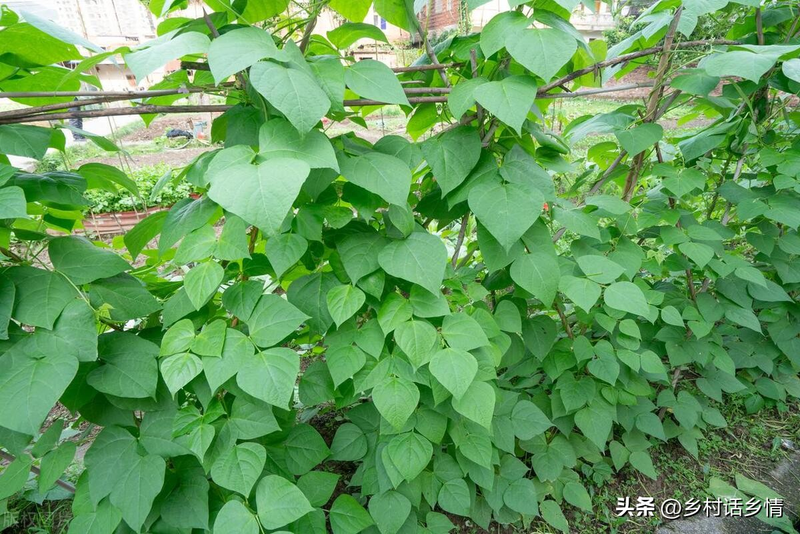
Vegetables with bean bean bean can be grown live and in seeding, most of which are grown directly from seeds, and the timing and season of seed planting, especially in the spring, are subject to temperature instability and must wait until the temperature stabilizes. The south tends to grow in march-april, large parts of the north generally before and after the rains, while cold areas in the north-east tend to grow in may. If cultivation is premature and the soil temperatures are low, it is easy to rot. If you want to grow bean horns earlier, you can start with seedlings, so that the temperature reaches the point of planting。
Three, watch out for the scab
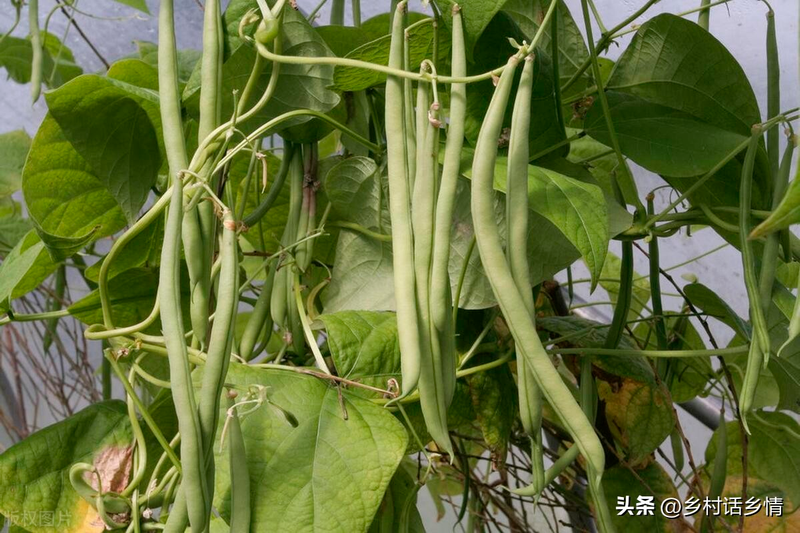
Following the planting of pulses, the main management effort is to promote growth and prevent the growth of seedlings, the extension of the symbiosis, and the division of buds. If seedlings grow, they not only reduce flowers, but move upwards, but also cause disease. Thus, following the growth of two leafs of soybean seedlings, water-control fattening is carried out, in short, less water and less fertilization, so long as the soil is not particularly dry, it is not watered and continues until the flowering. If bottom fertility is insufficient or not applied, the seedling will be followed up once in order to avoid thinning of the scorpion. Don't chase fat before you bloom。
Four, top of the whole
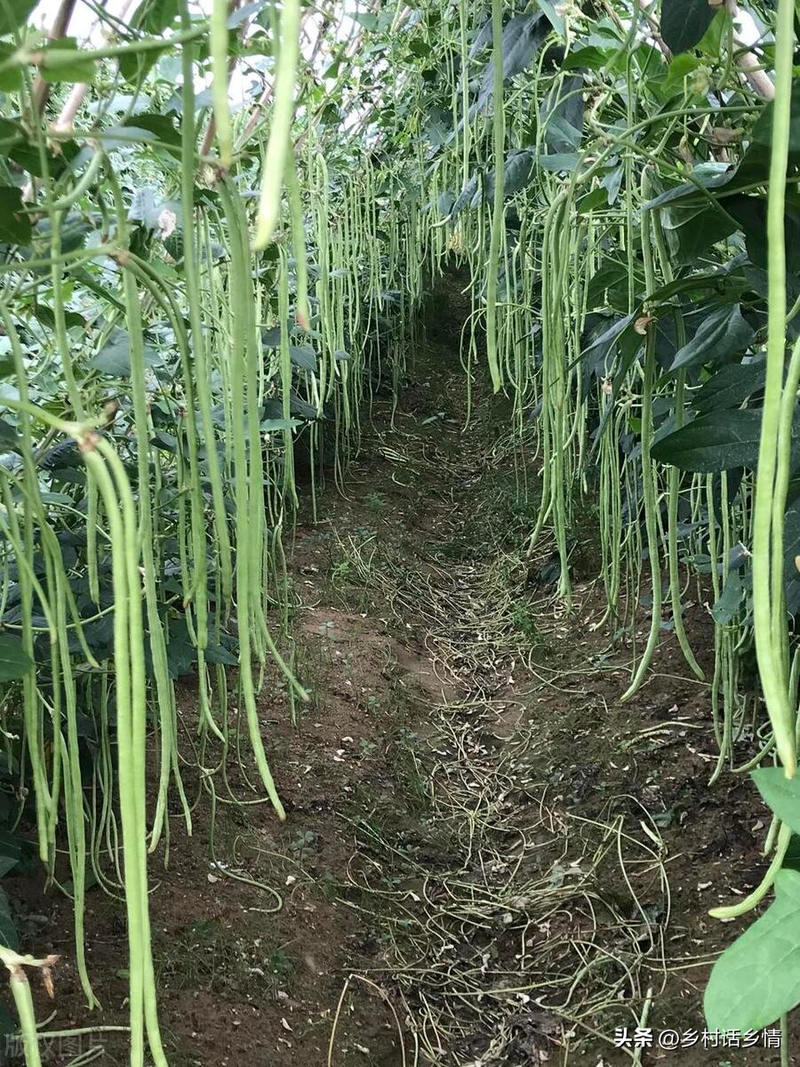
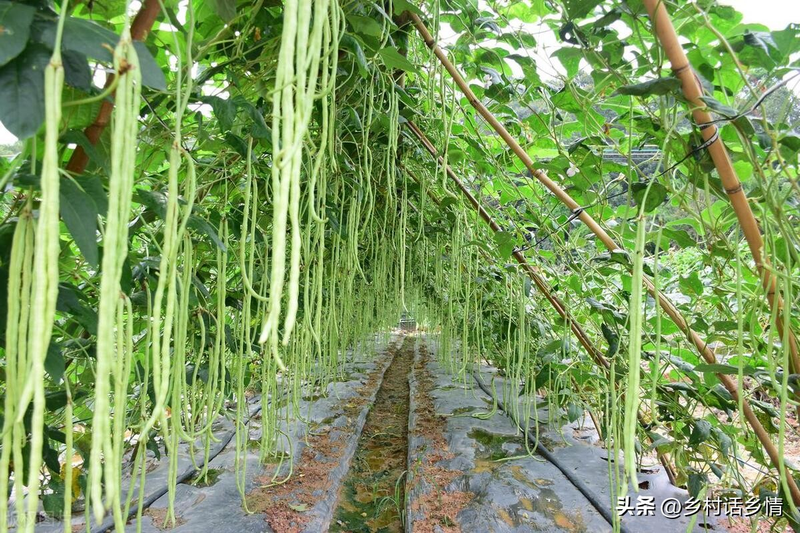
Bean bean growing requires a whole branching and a roofing, which will promote a better flowering and abdomen. The whole branch is the removal of the side branch from which the ground is located, so that only the side branch above the first one is preserved, so that the main branch and the branches above are more flowery and more bean-bearing. The top is when the vine climbs over a shelf or grows to about 1. 5 metres high, strangling the top, shifting the nutrients on the vines towards the flowers and the sheaths, and contributing to the growth of the flowers and the bean horns。
V. Further management technology
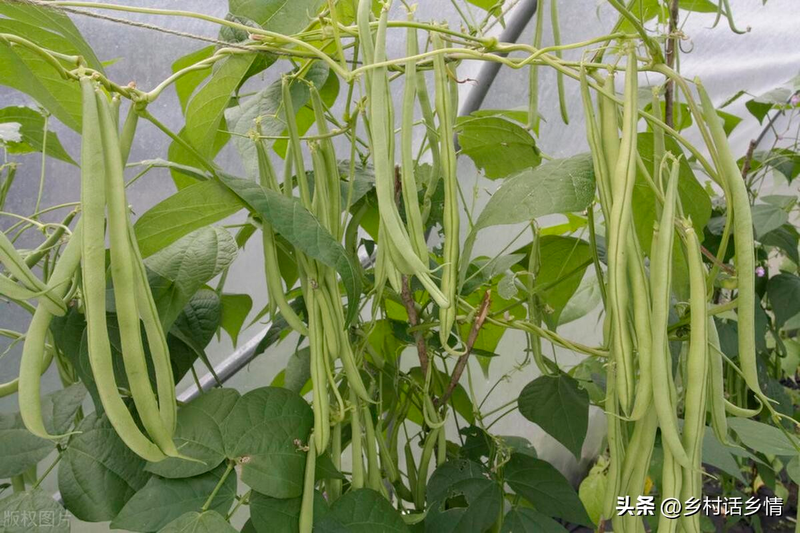
The management of the bean onions when they start to bloom is crucial, and the first flower, that is, when it starts, controls the watering and the soil drys a little bit. The first flowering, if the soil is wet, tends to grow in favour of the vines, leading to the drop of the flowers, as the saying goes, "dry flowers are wet." in the event of a drought in the soil, water should be poured before or after the blooming of the flowers, and not during the first flower, nor should it be fertilized. When the first bean horns are longer than 3 cm, then water and fertilize normally。
6. Quantification management techniques
Vegetables with bean bean bean bean are all flowered and condensed, and when they enter the season, fat water must be kept up, no drought should occur, but no water should be overwatered and the soil surface dry and wet. Also, the timely application of fertilizers, which are well-balanced by nitrogen phosphorus, can be flushed or ploughed, and the foliage of molybdenum with potassium phosphate on the side of the leaf is used to promote multi-flowering and soybean horns, while avoiding the premature decay of the sting。