In recent years, “rich selenium food” has become a popular keyword for healthy diets, ranging from rich rice and eggs to rich tea, often at much higher prices than ordinary foods, but still highly appreciated. Why is the rich selenium food so popular? What's good about it? Today, we will analyze from a scientific point of view the true value of the beryllium-rich food, including its three major health benefits, to see if it is truly worthy。
Selenium: the indispensable “health guard” of the human body
Selenium is a necessary trace element of the human body and, although in demand, its role is critical. Its core functions include:
(b) strong resistance to oxidation: selenium is an important ingredient of the glycerine peroxide enzyme in the valley, which effectively removes free radicals, slows cell ageing and reduces oxidation damage。
Increased immunity: selenium promotes immunocellular activity and helps the body to become better resistant to viruses and bacterial infections。
Protection of the cardiovascular environment: studies have shown that proper refilling of selenium helps to reduce the risk of cardiovascular disease and damage to vascular oxidation。
Anti-cancer potential: some epidemiological studies have found low incidence of certain cancers (e. G. Prostate, colon cancer) among the population with sufficient intake of selenium. Although more research is needed to confirm that the antioxidation of selenium and immune regulation may indeed reduce cancer risks。

2. Selenium-rich foods: natural nutritional supplements
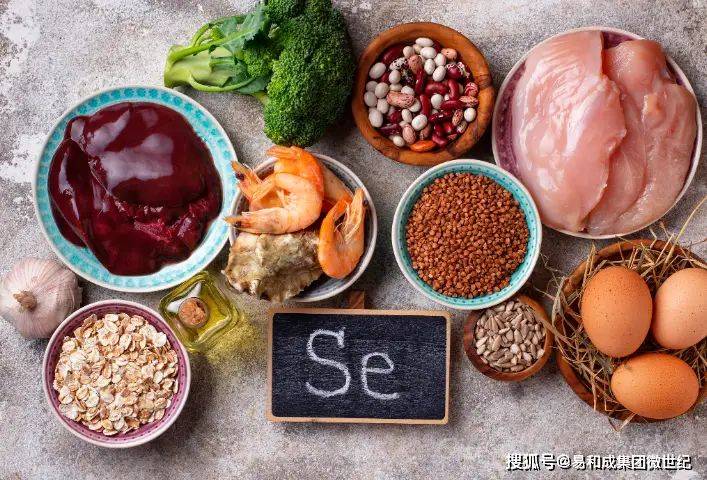
Selenium-rich food is a safer and more natural source of selenium than selenium supplements. Commonly rich herring foods include:
(b) selenium-rich eggs: by feeding the chickens with selenium feed, the content of the eggs increases and is more easily absorbed by the human body。
(b) selenium-rich rice: be grown directly in or in the soil with solid beryllium fattening, or through leaf-spraying of liquid beryllium beryllium fattening。
Leather tea (e. G., enshi) is produced in areas rich in nature and is supplemented by tea。
Brazilian nuts: natural selenium is so high that demand can be met by eating one or two pieces a day。
Seafood: seafood such as oysters, shrimp and tuna are also a source of good quality selenium。
3. Why is it so popular about selenium-rich food
The prevalence of “hidden hunger” in modern humans
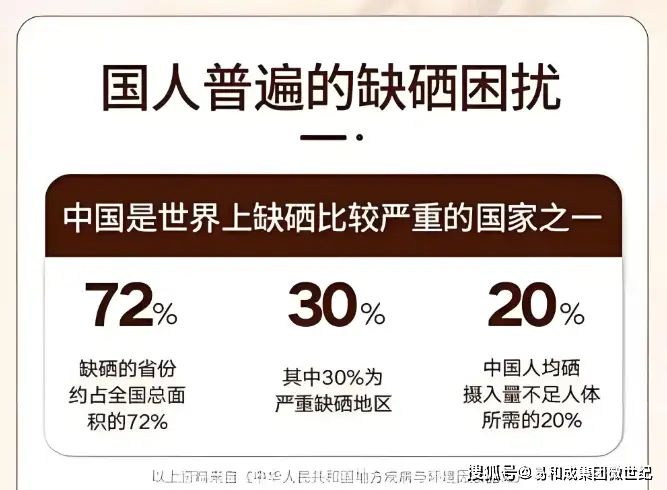
- although fully fed, critical nutrients (e. G. Selenium) are not well fed. People living in soil-deficit areas, vegetarians and people with weak digestive absorptive capacity may be in greater need of selenium-rich food。
2. Health awareness promotion
— with attention to health topics such as oxidation, old age prevention and cancer prevention, muscular foods are naturally a hot choice。
3. Support for scientific research
– numerous studies have shown that selenium is associated with a variety of health benefits, making the “health halo” of selenium-rich foods more visible。
Rational refilling of selenium to avoid error
While the wealth of selenium-rich food is more beneficial, attention should also be paid to:
There are no gaps: normal diets of healthy people do not generally lack selenium, and there is no deliberate need to pursue herring。
Appropriate intake: the recommended daily intake of selenium for ordinary adults is 60 mg, up to a maximum of 400 mg。
Avoid overdose: long-term over-compensation of selenium containing inorganic selenium can lead to selenium poisoning, including hair loss, corrosive nails, etc。

Conclusion: selenium-rich food is good, but the key is “appropriate”
Selenium-rich food is popular because of its multiple benefits for human health. But its “good” is based on scientific ingestion and not everyone needs a lot of supplementation. Only a rational choice of selenium-rich food, combined with a balanced diet, can make a real difference in its health