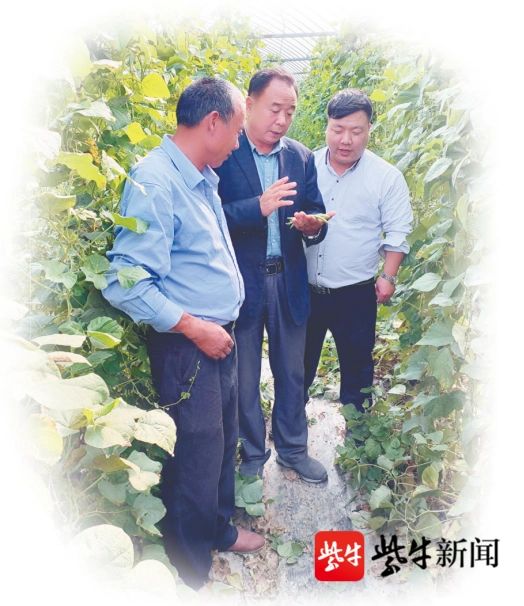
Since the beginning of the winter and drought, most of my province has experienced poor rainfall, which has adversely affected the production of spring-spread maize. In the light of the current situation, the technique of drought-resistant maize seeding in the spring is being proposed for use in production。
1. Selection of high drought-resistant products。
The adaptation of drought-resistant and productive varieties is one of the effective measures to increase maize production in drylands. Zenium
Rainy seeding。
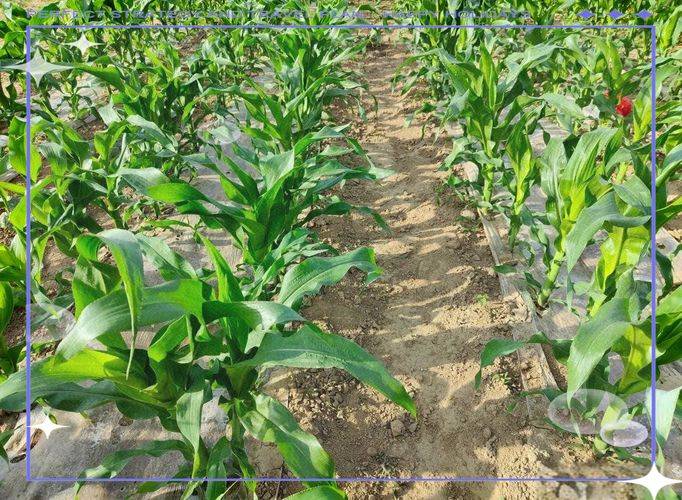
The water content of the soil will increase as a result of rainfall, and opportunities should be seized to sow it after rainfall in order to mitigate the increase in production from drought. Zenium
3. Half-volume coverage of application of rain-saving water fertilizer technology。
This technique covers the membrane between the maize strains, or then plants the corn on both sides of the membrane to achieve high water conservation. This technique saves 16. 2 per cent and 12. 9 per cent, respectively, of maize from seedling field cultivation and traditional field live production. This will be done by:
(1) bottom fertilizer and bottom water in ditches。
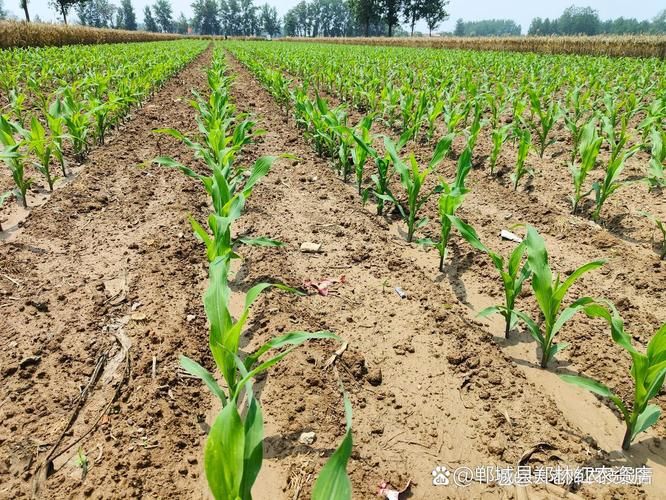
Before planting or shifting corn, a 20-centimetre-deep gutter was dug in the corn-growing belt (two head of the gutter to block the water), where 50 kg of phosphorus per acre, 10. 5 kg of urea, 1,000 kg of original dung to 500 kg of water as bottom fertilizer and all of the bottom water were applied to the gutter。
(2) little twin rows。
After applying bottom fertilizer and bottom water in the ditches, the soil is resurfaced, and a birch of 1. 2 to 1. 5 feet above the ground is dug, and its face is tile-shaped。
(3) to be covered with rain。
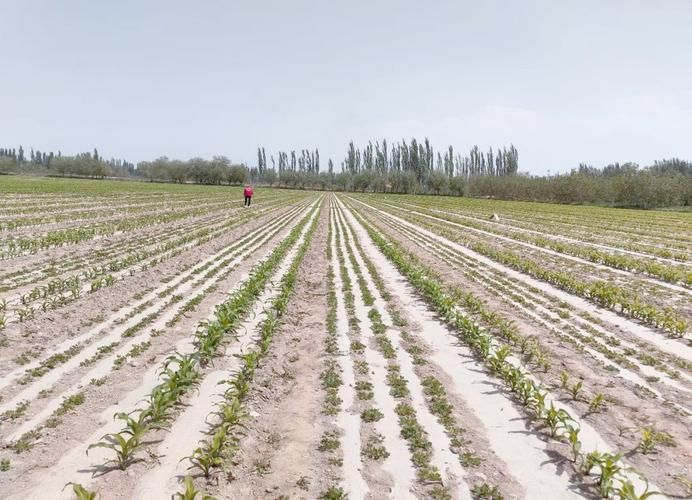
Immediately after cumulative rainfall of 20 mm or permutation for three to five days in the spring, the diaphragm, which is 1. 2 to 1. 5 feet wide, is covered with a heavy earth pressure around it to keep precipitation。
(4) imbrane planting。
Rotating maize seedlings to the edge of the lid, two rows per lid. Cultivation is defined at a narrow range of 1. 5 to 2. 0 feet, with a range of 1. 0 to 1. 2 feet and an acre planting of about 3600。